
Victorian Brass Column
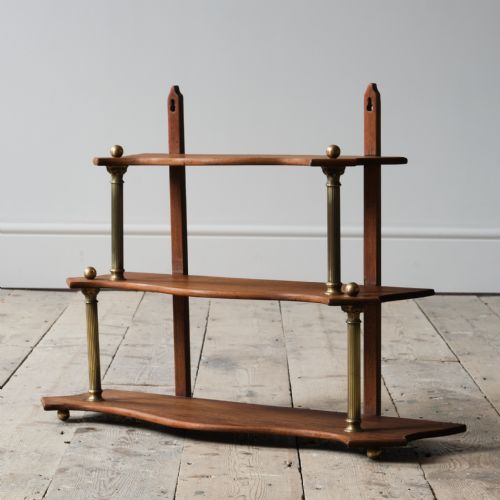
When you handle a victorian brass column, you find solid metal turned and cast to hold light or time in domestic rooms.
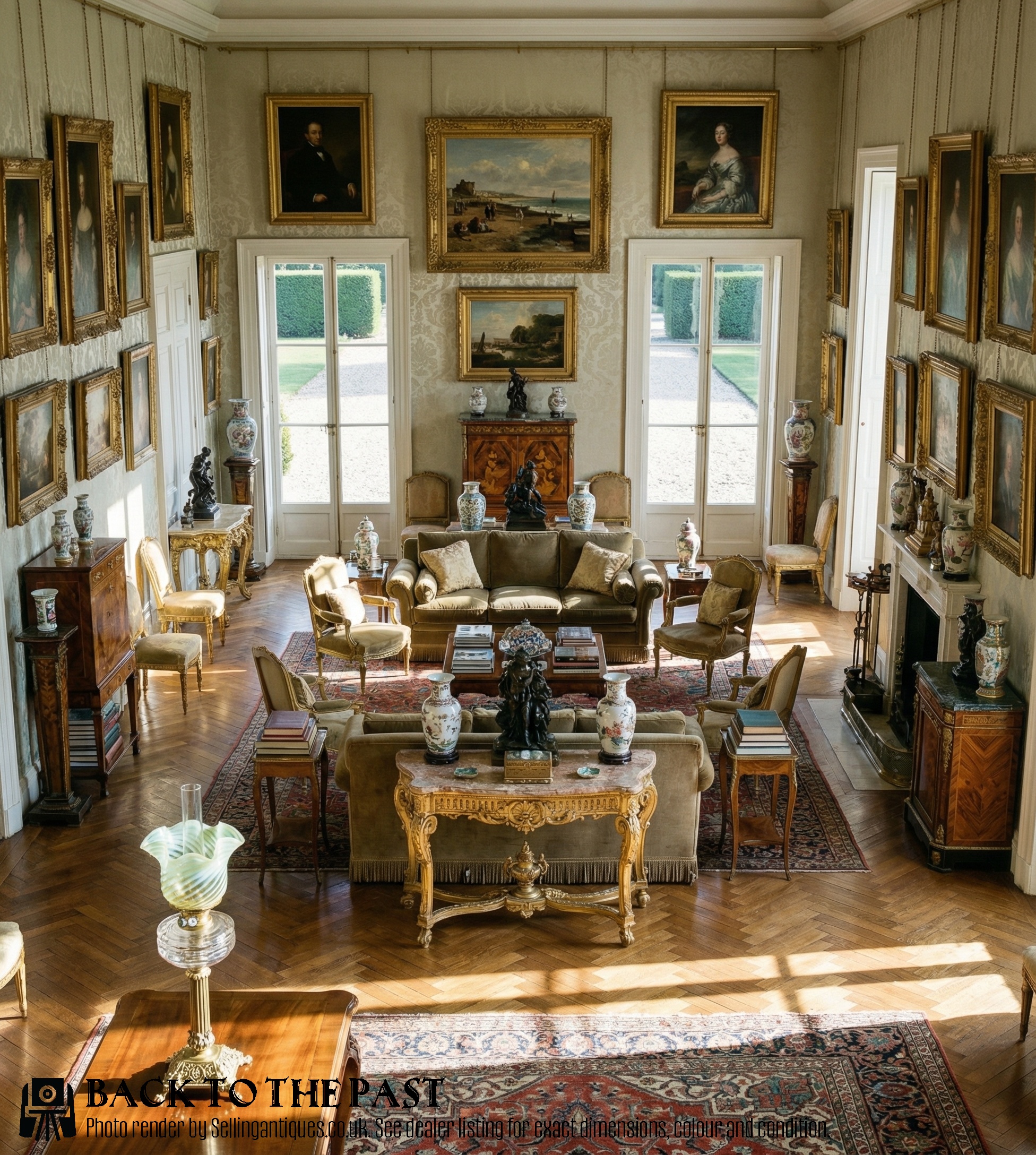
Victorian Brass Column
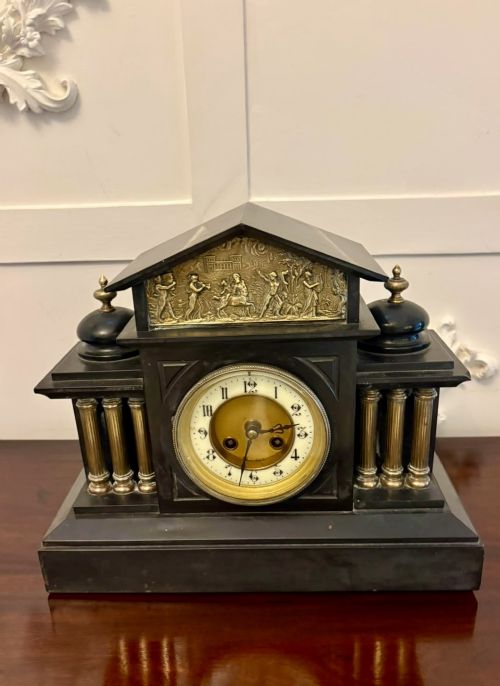
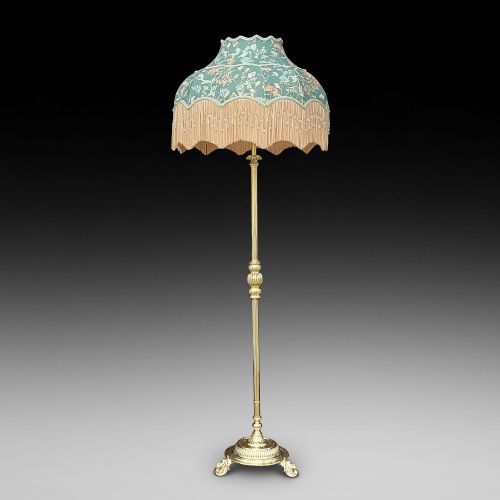
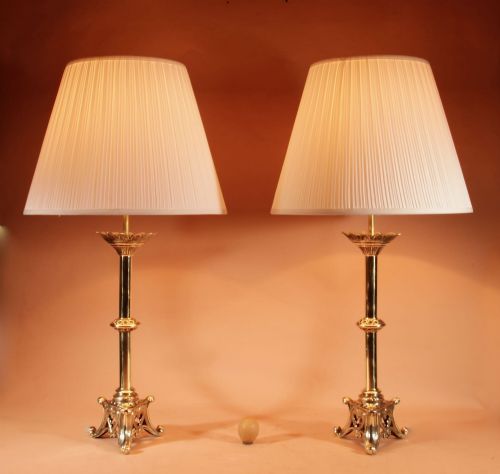
When buyers search for a victorian brass column, they encounter items built primarily as lighting supports, standard lamps, and mantel clocks from the nineteenth century.
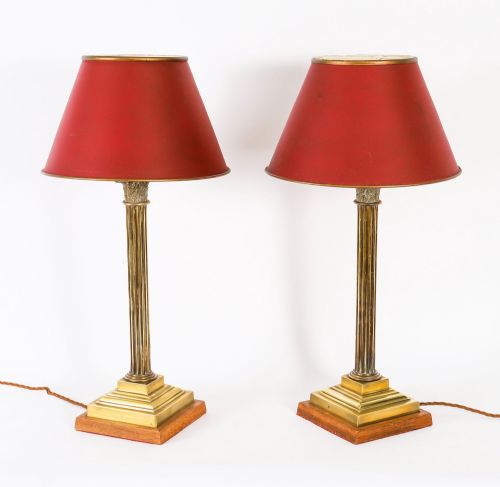
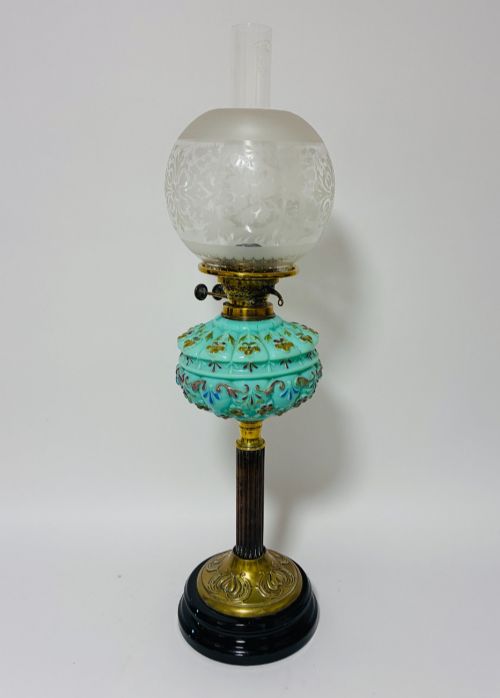
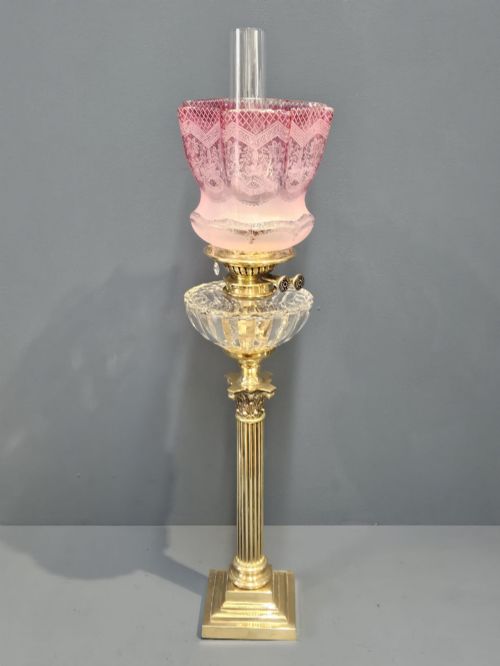
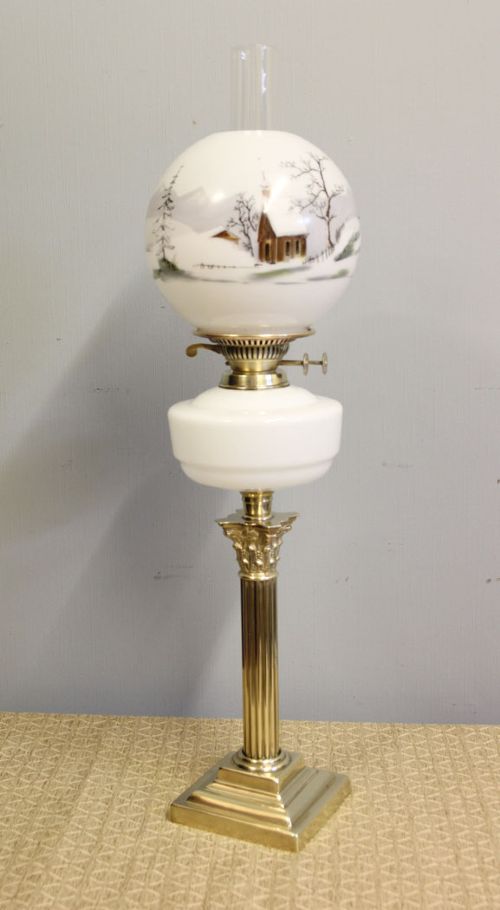
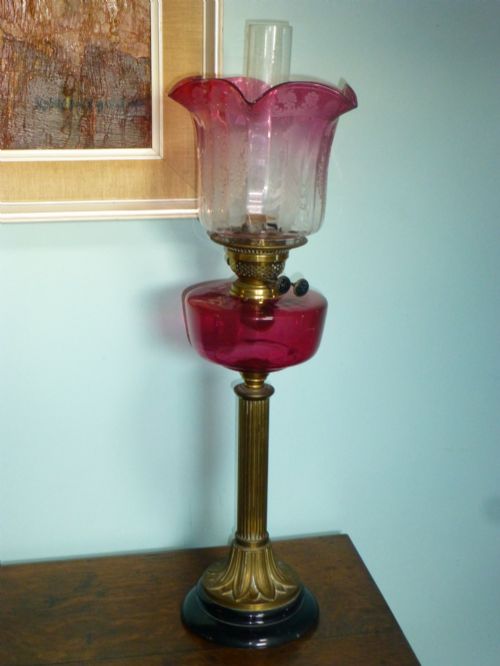
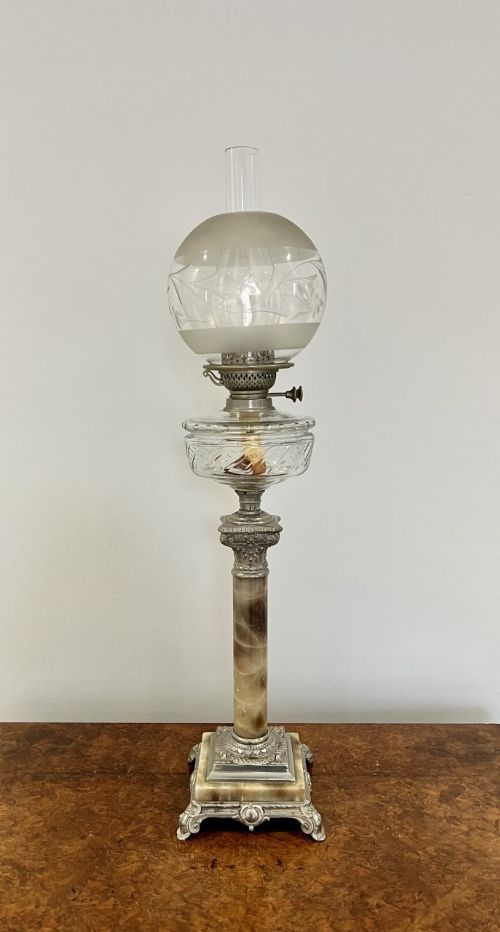
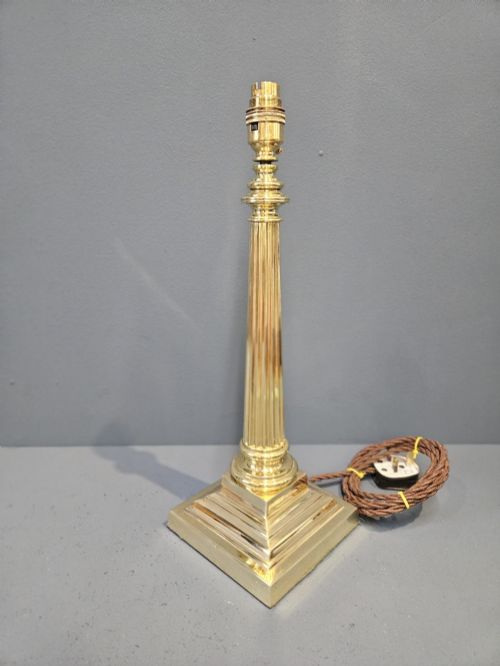
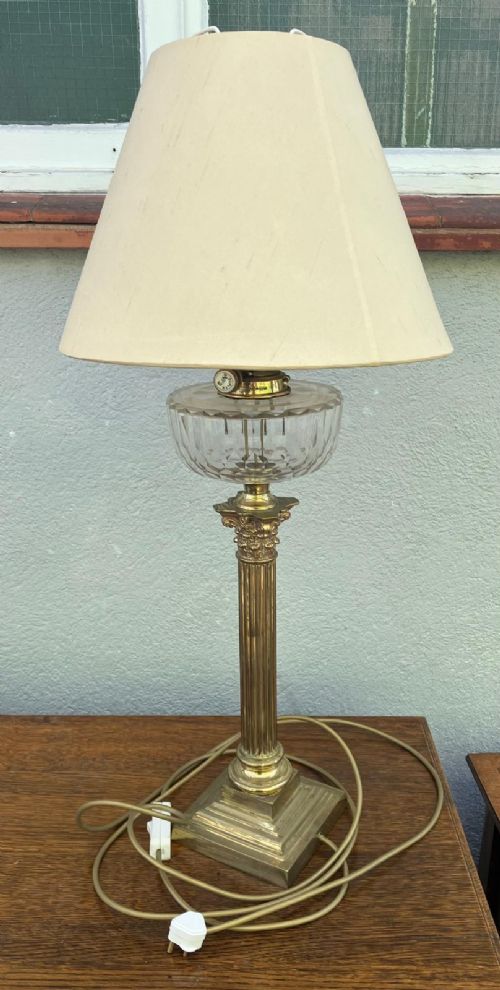
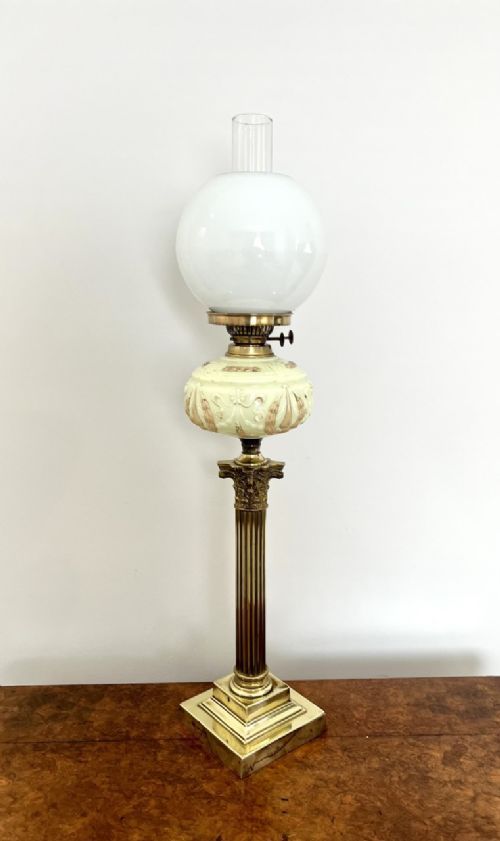
The most common survival on this page is the oil lamp raised on a fluted or Corinthian shaft, often adapted later for electric bulbs.
Many examples date from the Victorian and Edwardian eras, reflecting a domestic taste for classical revival forms in daily interiors.
Materials and construction
Maker workshops cast brass in sections, threading the metal shafts together around a central weighted core for stability.
Makers combined brass with glass, ceramic, and marble components, pairing polished metal bases with opaline or cranberry glass reservoirs and shades.
Listings feature brass combined with glass, marble, and ceramic across the Victorian and Edwardian periods.
Assessing the grade
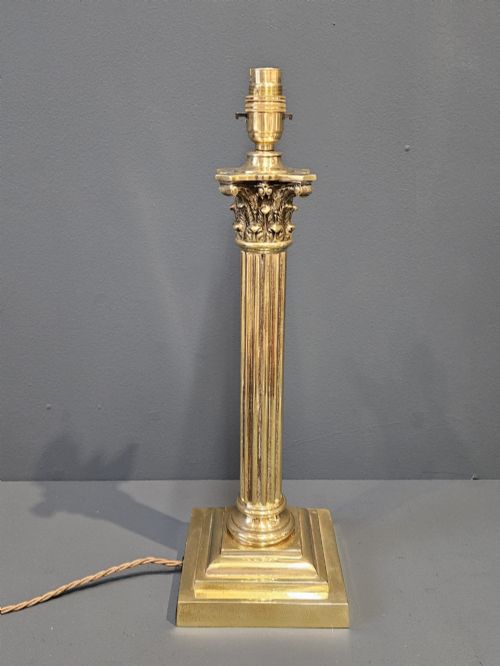
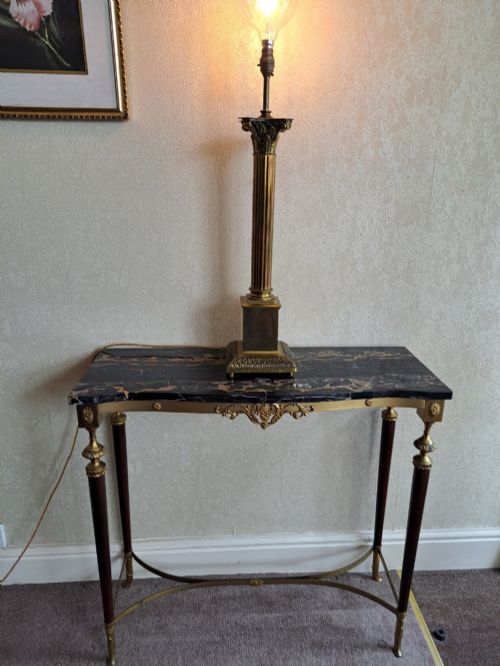
Depth of casting detail separates standard production from superior items, particularly in the acanthus leaves of Corinthian capitals and stepped bases.
Weight and gauge of the metal define stability, alongside maker signatures on burners and switches from firms like Hinks.
Hinks and Sons·Mc Gary
The Victorian Brass Column Glossary
- Corinthian column
- A classical shaft topped with ornate acanthus leaf carving, widely used for Victorian table lamps.
- Duplex burner
- A double-wick mechanism that produced a brighter flame on nineteenth-century oil lamps.
- Opaline glass
- An opaque pale glass used for lamp shades and reservoirs, popular in the Victorian period.
- Reeded column
- A shaft decorated with parallel rounded ridges running vertically along the metal.
Victorian Brass Column: Frequently Asked Questions
What are these brass columns used for?
These pieces serve primarily as structural supports for oil lamps, standard floor lamps, table lighting, and occasionally clocks. In period homes, they elevated the light source to illuminate large reception rooms.
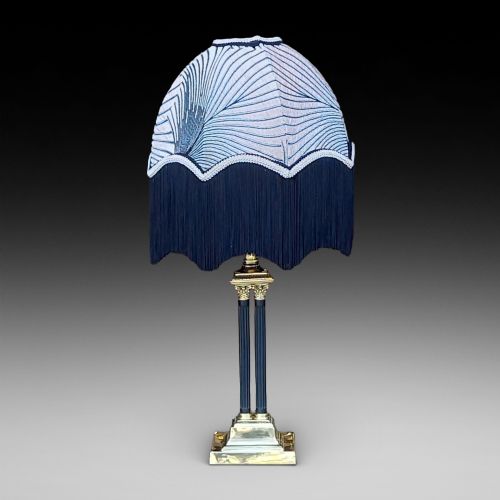
Today, many of these columns function as converted electric table lamps or floor lamps while retaining their original nineteenth-century metalwork.
Were all these columns made for oil lamps?
The majority began life as burning apparatus utilising duplex burners and glass reservoirs before electricity reached domestic interiors. Some others supported clock movements or stood as decorative standards.
Later conversions replaced the oil fonts and burners with lamp holders and modern wiring to suit contemporary household needs.
How do I date a brass column?
Dating relies on stylistic markers such as Neoclassical revival capitals, base weights, and manufacturer stamps on the brass burner mechanisms. Periods span from the mid-nineteenth century through the Edwardian era.
Archival evidence shows designs clustering in the late nineteenth century, particularly around the 1880s and 1890s.
Can these lamps be used with modern wiring?
Most surviving examples have undergone professional rewiring to meet current electrical standards for domestic use. The conversion process preserves the outer brass structure while updating internal components safely.
Buyers frequently find pieces already tested and fitted with modern plugs while retaining their period aesthetic.