
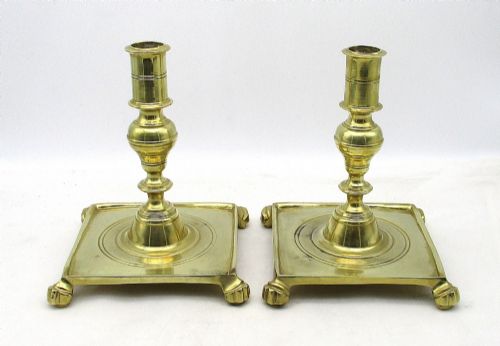
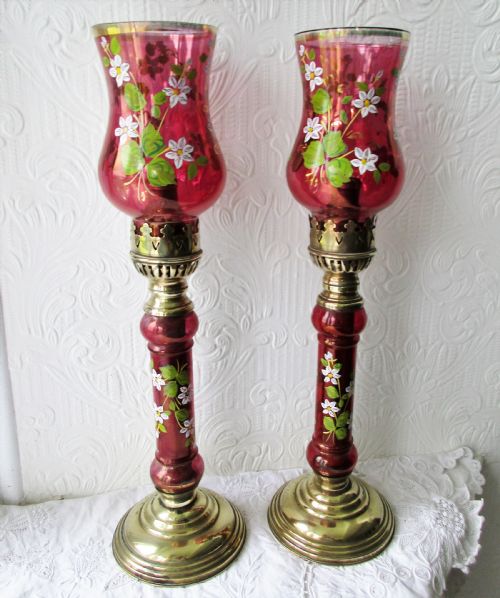
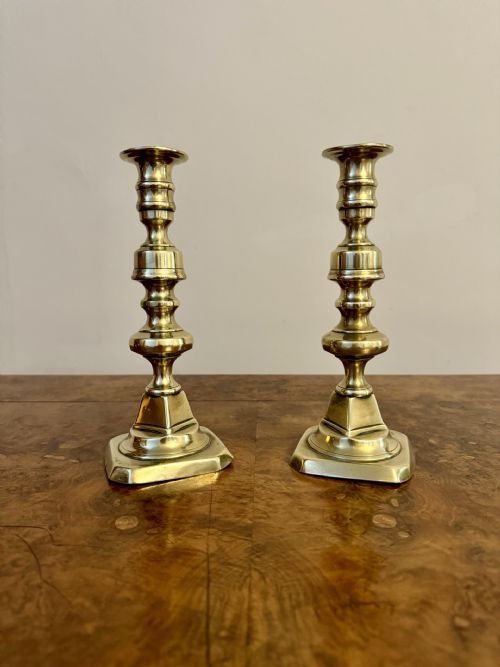

Victorian Brass Candlestick Pair
A victorian brass candlestick pair brings nineteenth-century illumination into a modern room through cast metal and traditional foundry work.
Victorian Brass Candlestick Pair
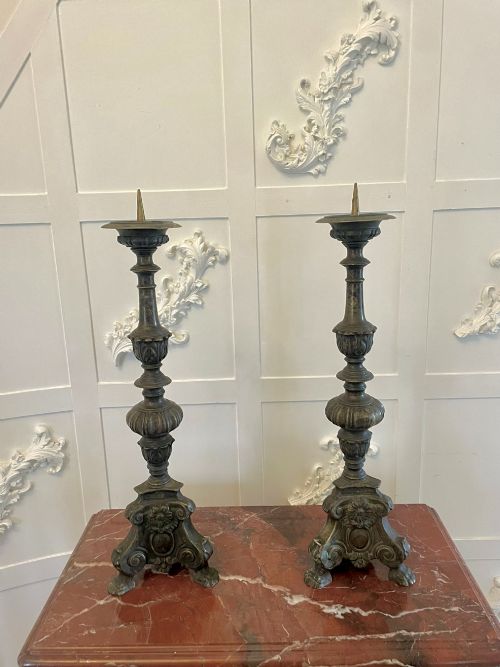
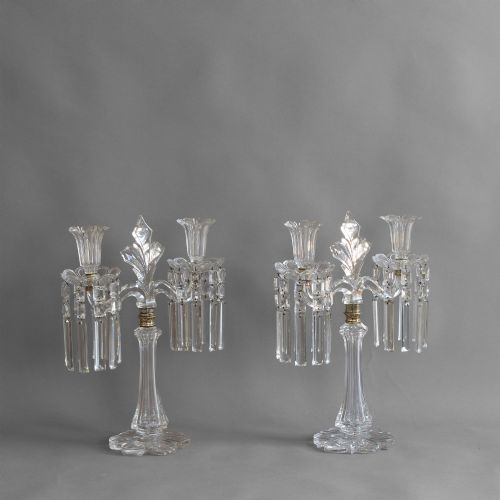
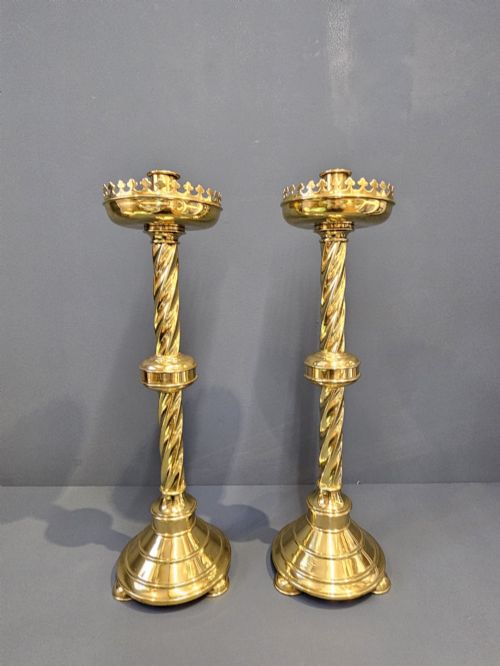
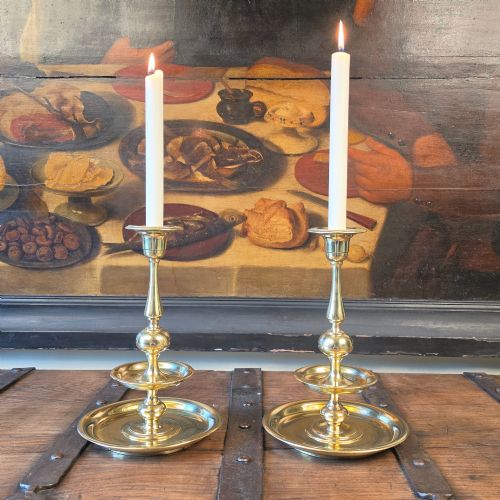
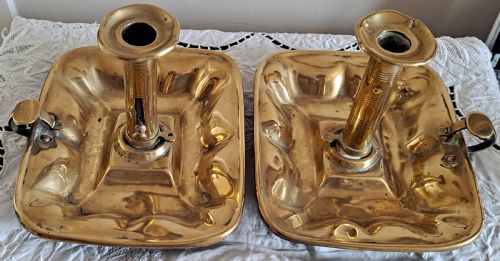
A victorian brass candlestick pair consists of matching dual accessories designed to hold wax tapers, altar candles, or chamber lights. The selection includes domestic table heights, heavy church prickets, and variants featuring chambersticks with attached finger rings.
Most examples date from the nineteenth century, spanning decades from the eighteen-fifties through the early nineteen-hundreds. Domestic forms frequently incorporate stylistic influences from Gothic revival, neoclassical, and French rococo designs.
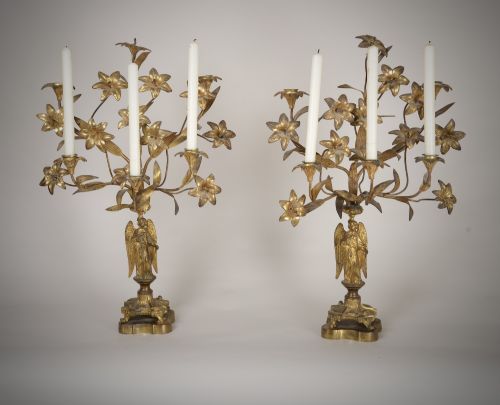
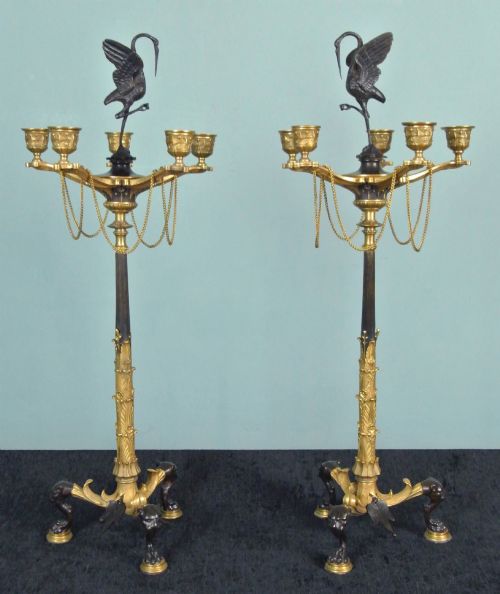
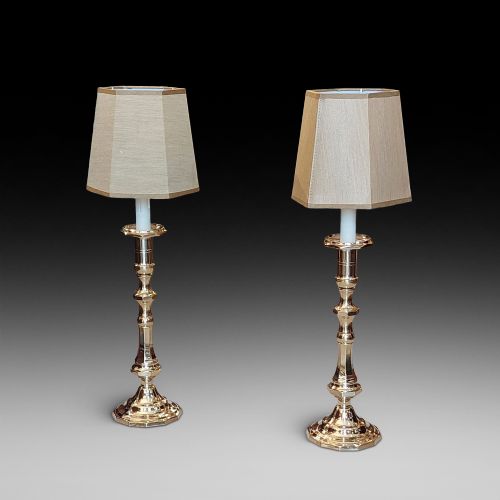
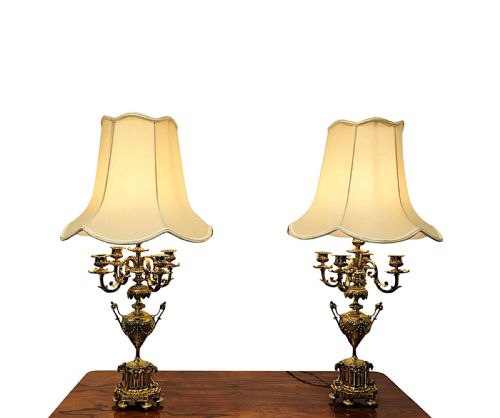
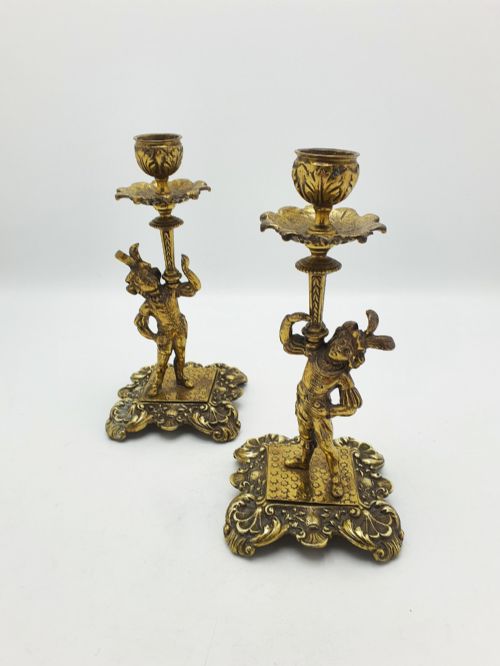
Makers utilised various configurations including twin-arm candelabra, twisted stems, and figural bases depicting dolphins, cherubs, or hunting scenes. Several surviving items show later adaptation into electric table lamps.
Foundry methods and materials
Makers produced these pieces primarily through metal casting, utilising brass, gilt bronze, and ormolu. Components were often cast in separate sections before being joined or threaded together to form the stem and base.
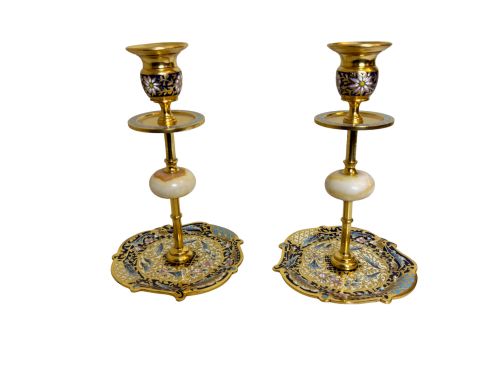
Surface decoration frequently involved fine chasing, engraving, and applied champleve enamel work. Alabaster, marble, onyx, and oak elements occasionally appeared in composite bases alongside the primary metal structure.
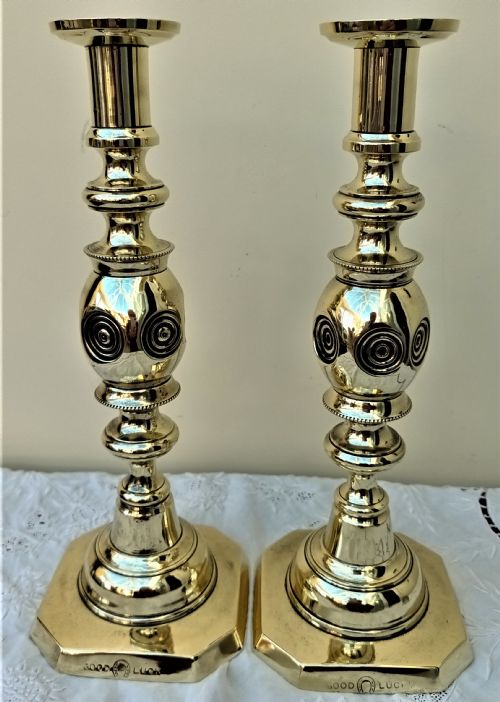
Certain Victorian designs incorporate diamond motifs and playful feline figures known as the king of diamonds.
Evaluating construction and finish
Superior items display crisp casting detail in figural motifs and ornamentation, whereas lower tiers show softened edges and simplified surface decoration. Weight and metal thickness separate solid construction from lighter hollow assemblies.
Original patination and intact gilding elevate a pair, while heavy wear or mismatched components alter the overall integrity. The presence of functioning ejector mechanisms or specialised drip pans adds to the technical accomplishment of domestic designs.
Frederick J Smith and Co·Wm Tonks and Sons·Barbedienne
The Victorian Brass Candlestick Pair Glossary
- Pricket
- A candlestick featuring an upward-pointing metal spike designed to secure a wax taper directly. This form frequently appears on larger church and altar examples.
- Chamberstick
- A low portable candle holder equipped with a flat drip tray and an attached side handle for carrying through rooms. Many include a small conical snuffer resting in the dish.
- Ormolu
- Finely ground high-carat gold applied as an amalgam to a bronze or brass base. This finish provides a bright metallic sheen seen on decorative French-influenced items.
- Champleve
- An enamelling technique where troughs are dug into the metal surface and filled with vitreous paste before firing. The resulting patterns display rich coloured designs.
- Ejector
- A built-in internal mechanism operated by a small side slide that pushes remaining candle stubs out of the socket. This device prevents burned wax from becoming wedged inside.
Victorian Brass Candlestick Pair: Frequently Asked Questions
How were these candle holders used originally?
Household versions provided portable illumination across nineteenth-century rooms before the widespread adoption of gas lighting and electricity. Chambersticks travelled down passages, while taller table pairs sat permanently on mantelpieces and sideboards.
Heavier altar and pricket variants remained stationary within churches and ecclesiastical settings to illuminate larger spaces. Many pairs were subsequently converted to electrical table lamps during the twentieth century.
Are converted electric lamp pairs still collectable?
Converted pairs retain appeal for modern interiors by offering period metalwork alongside functional twentieth-century wiring. Many buyers appreciate the aesthetic of nineteenth-century brass combined with fabric shades.
Collectors seeking pure antique forms often look for unconverted pieces that retain their original socket configuration. The presence of wiring does not diminish the quality of the underlying casting work.
What periods do these metal items cover?
The available selection primarily spans the Victorian era through the early twentieth century, specifically between eighteen-fifty and nineteen-ten. Earlier nineteenth-century examples often display restrained neoclassical lines before ornate revival styles gained popularity.
Later Victorian and Edwardian pieces incorporate diverse influences such as aesthetic movement patterns and French rococo revival motifs. Exact dating relies on stylistic clues and construction techniques recorded by the foundry.