




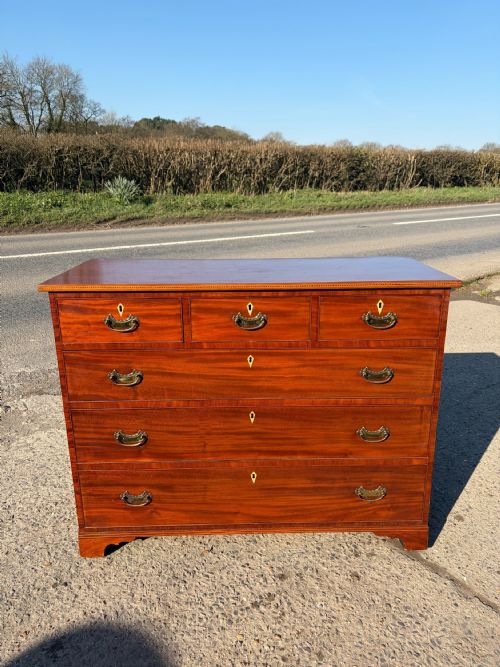
Victorian Brass Bedroom Furniture
Victorian brass bedroom furniture brings robust nineteenth-century metalwork and timber into the sleeping quarters, offering sturdy beds and storage.
Victorian Brass Bedroom Furniture
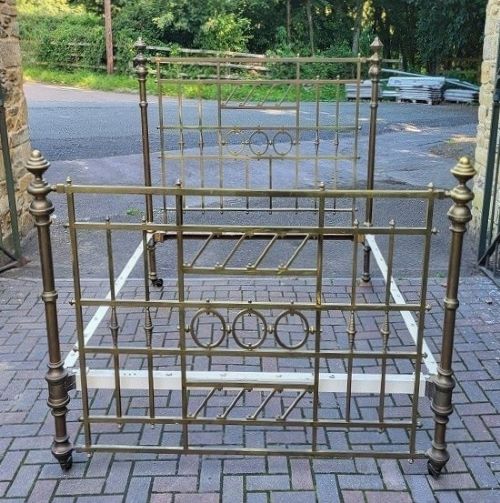
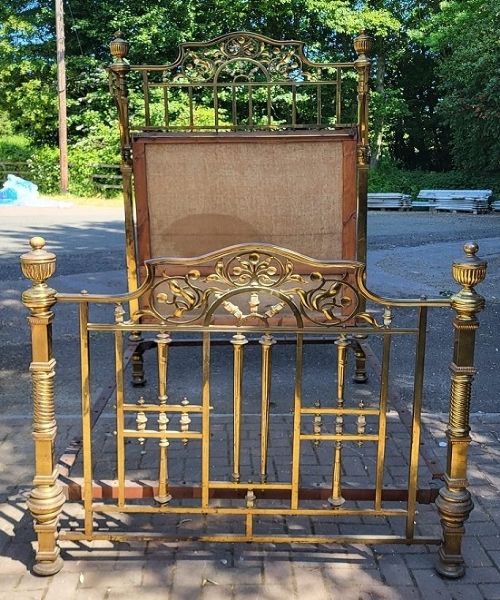
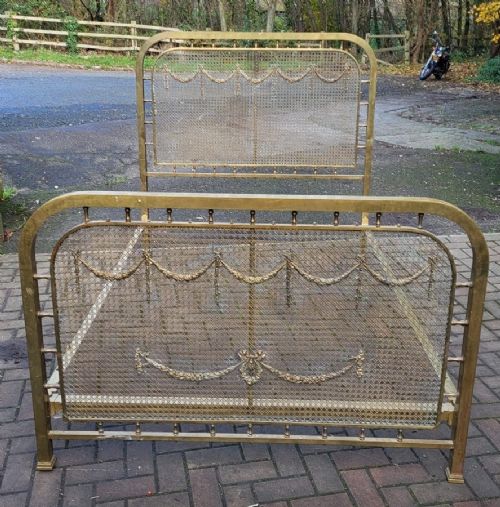
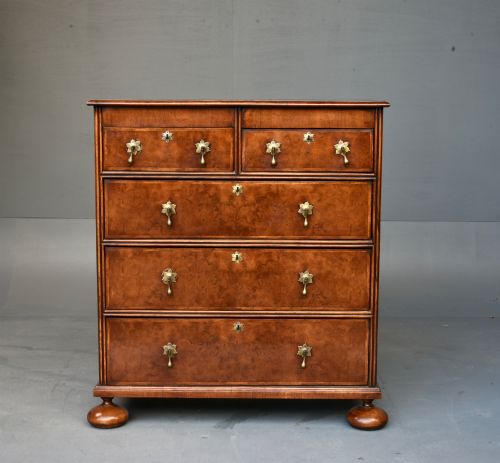
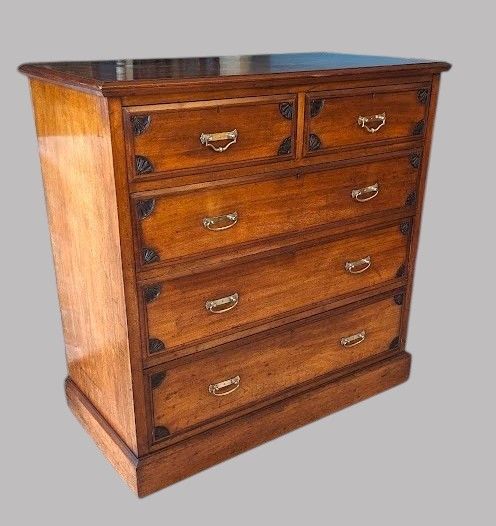
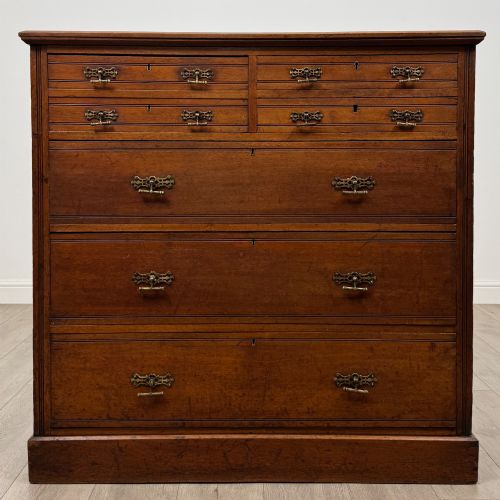
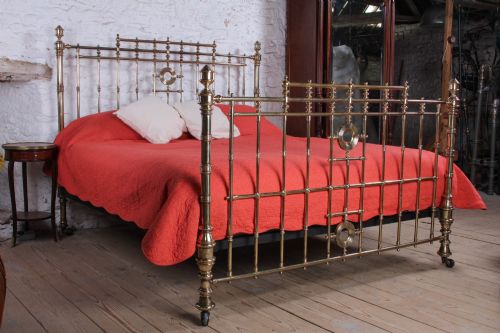
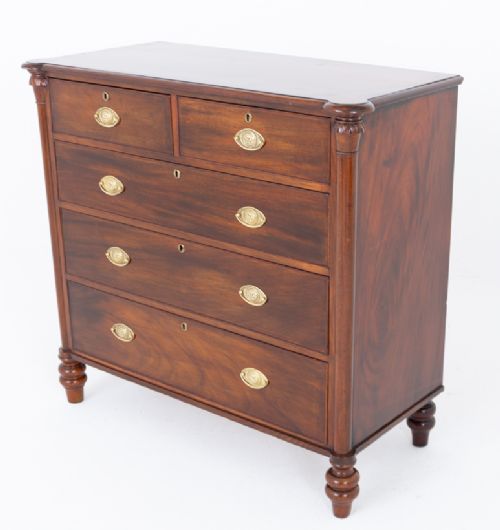
Victorian brass bedroom furniture spans grand metal bedsteads and wooden storage pieces built during the nineteenth century. Buyers seeking this category encounter imposing double and king-size beds alongside chests of drawers in various timbers.
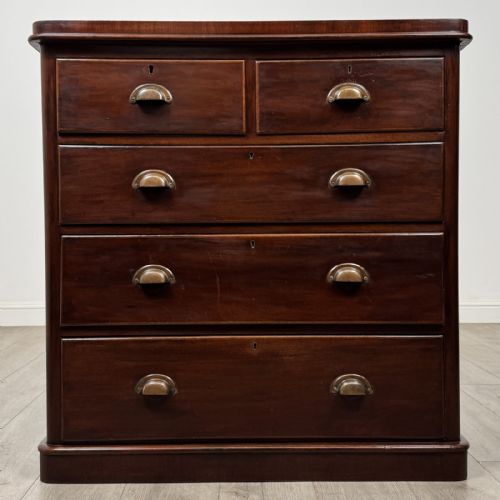
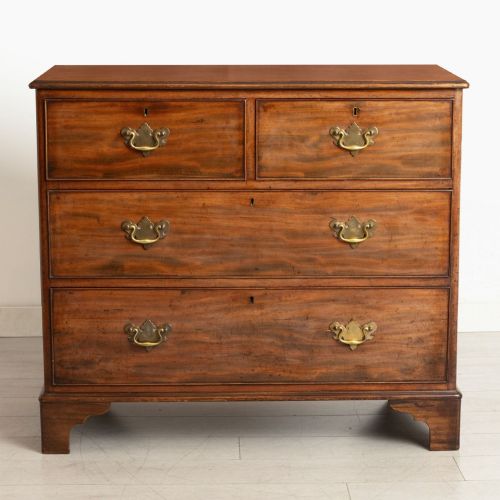
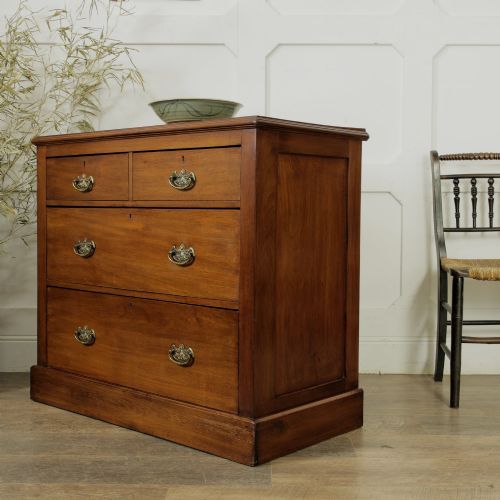
The selections on this page lean heavily towards mahogany, walnut, and pitch pine chests of drawers accompanied by substantial brass and iron bedsteads. Makers such as Maple and Co and Jas Shoolbred often appear among the heavier timber pieces and seating.
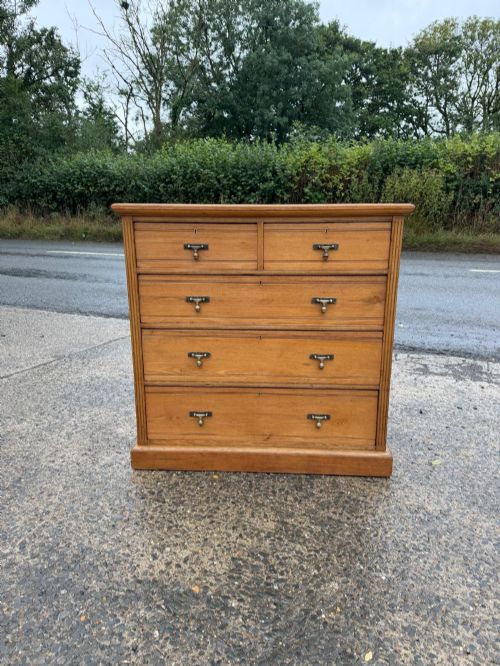
Forms range from simple pine storage units to ornate satinwood and ash chests reflecting Arts and Crafts or Aesthetic tendencies. Bedsteads dominate the brass element, frequently pairing polished metal with iron framing.
Materials and construction methods
Construction relies upon solid timbers like mahogany, walnut, oak, and pitch pine joined for daily domestic service. Cabinet makers utilised dovetail joints for drawer construction and applied boxwood or satinwood for inlay detailing.
Metal components combine cast brass fittings and iron structural frames to support larger bedstead designs. Polished surfaces highlight the natural grain of the underlying woods, while metal parts utilise traditional casting and joining techniques.
Victorian Brass Bedroom Furniture Retail Price Guide 2026
Typical asking prices for victorian brass bedroom furniture among the pieces listed under this phrase on Sellingantiques today, from the lower quarter to the upper quarter. They describe what is for sale here now, not the wider market.
Scottish sock drawers and gentleman's sporran chests appear among the storage options, catering to niche Victorian apparel.
Distinctions in craftsmanship
Quality rests upon the selection of timber and the precision of the cabinet work, distinguishing standard utility pieces from workshop-attributed items. Heavier hardwoods and detailed satinwood inlay indicate higher grade commissions.
Metal bed frames show variation in the weight and finishing of the brass components, with superior examples retaining crisp casting details and substantial gauge tubing. Maker attribution through stamps or plates also separates ordinary items from high-end commissions.
Jas Shoolbred·Maple and Co·Harris Lebus·Mawer and Stephenson·Harrods·Hindley and Sons
The Victorian Brass Bedroom Furniture Glossary
- Bedstead
- The framework of a bed, comprising headboard, footboard, and rails. In this category, these structures frequently incorporate heavy brass and iron elements.
- Chest on Chest
- A tall storage unit formed of one chest stacked directly upon a larger one. This tall form maximises vertical bedroom space.
- Aesthetic Period
- A late nineteenth-century design movement focused on art for art's sake. Pieces from this time often display simpler lines and lighter woods.
- Bachelors Chest
- A small, low wooden chest of drawers traditionally used by gentlemen. These compact units frequently feature folding writing flaps or bracket feet.
- Gentlemans Chest
- A large wardrobe or multi-drawer cabinet designed for men's attire. They often combine hanging space with smaller internal drawers and cupboards.
Victorian Brass Bedroom Furniture: Frequently Asked Questions
How do I clean a brass bedstead?
Dust the metal regularly with a soft dry cloth to prevent the accumulation of grime.
Avoid harsh chemical abrasives that strip the protective lacquer often applied to nineteenth-century metalwork.
Are these beds standard modern sizes?
Nineteenth-century bed sizes often differ from modern mattress dimensions. Check the internal frame measurements carefully before sourcing a mattress.
Many antique bedsteads require custom or modified mattress supports to fit securely.
How do I identify an Aesthetic Movement piece?
Look for simpler geometric lines and lighter woods such as pitch pine or satinwood. These items often reject heavy Victorian ornamentation in favour of artistic simplicity.
Such pieces date predominantly from the final decades of the nineteenth century.
Can I mix wood tones in a bedroom?
Combining different timbers like mahogany, walnut, and pine was common in period homes. The natural variation in nineteenth-century woods creates a layered interior rather than a matched suite.
Focus on scale and proportion to tie disparate furniture pieces together.