




Victorian Box Stool
A victorian box stool combines concealed storage with comfortable seating, offering a practical nineteenth-century solution for modern sitting rooms and bedrooms.
Victorian Box Stool
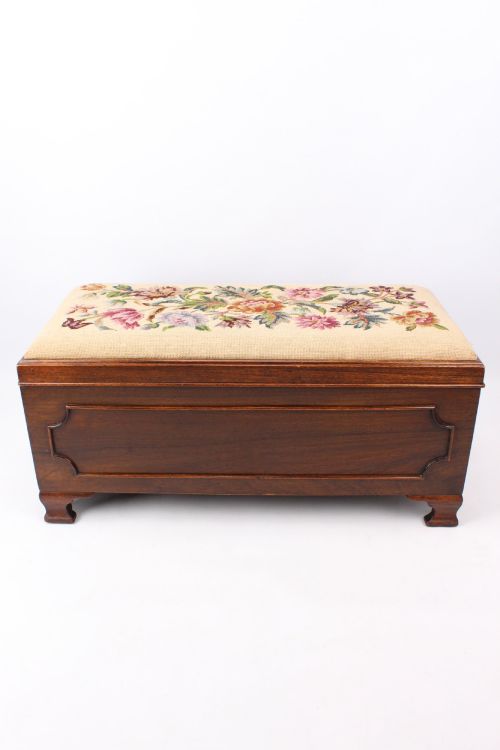
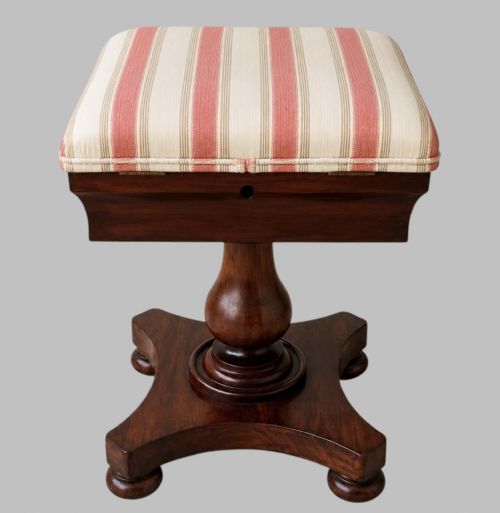
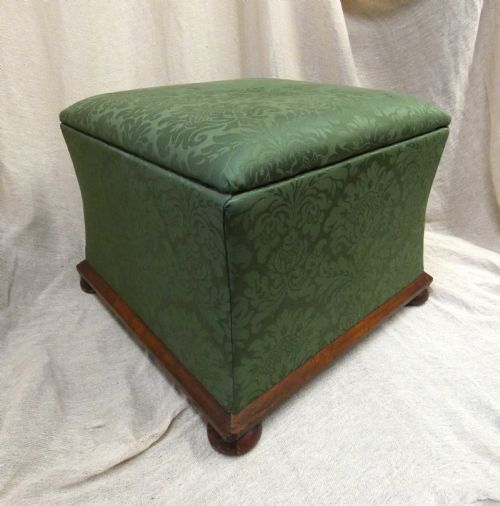
A victorian box stool serves primarily as a dual-purpose piece of furniture, combining a lift-up lid or fall front with a compartment for sewing gear, blankets or music sheets. These items appear across the nineteenth century in various forms, including piano stools, sewing tables, blanket boxes and ottomans.
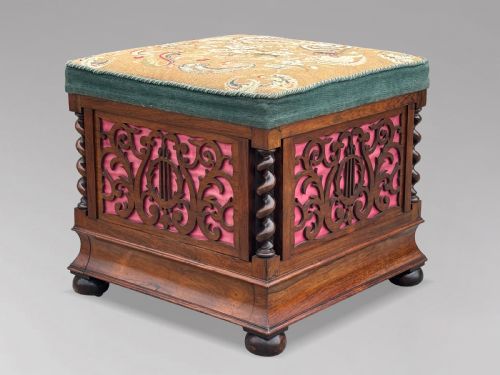
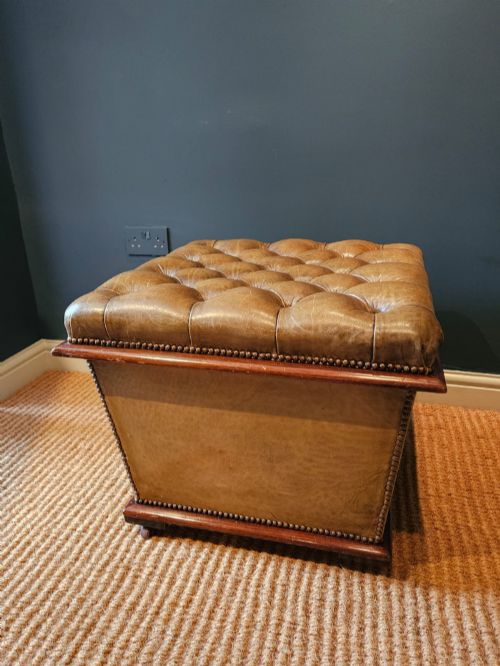
The materials and styles span mahogany, rosewood and walnut frames, shaped into concave, waisted or square configurations. Buyers frequently encounter pieces upholstered in needlework, tapestry, leather, or contemporary fabrics such as Liberty prints.
Origins stretch from early Victorian workshops through to rustic country iterations and Gothic Revival designs. The category merges seating with utility, making it a functional addition to period and eclectic interiors.
How they were made
Craftsmen built the structural carcases of these stools using dense hardwoods like mahogany, walnut, oak and rosewood, often polished to a deep lustre. Joints were traditionally pegged or dovetailed to withstand the weight of sitters and the daily lifting of lids.
Upholstery involved webbing, stuffing and stitched horsehair or wool beneath top coverings of leather, crewel work, gros-point needlework, velvet or tapestry. Brass fittings, castors and hinges completed the mechanical elements of the storage compartments.
Listings feature mahogany, rosewood, and walnut woods, alongside upholstery in wool, velvet, tapestry, and leather across the nineteenth century.
What varies in quality
The sophistication of the timber grain and the precision of the cabinetwork separate standard output from finer workshop productions. Mahogany and rosewood examples with shaped concave sides or intricate carved details represent higher tiers of craftsmanship.
The integrity of the internal storage box and the survival of original upholstery materials, such as hand-worked gros-point needlework or crewel work, influence the character and standing of an individual piece.
Hallett And Sons
The Victorian Box Stool Glossary
- Ottoman
- A low, upholstered seat or stool without a back or arms, frequently featuring a hinged lid that opens to reveal storage space inside.
- Canterbury
- A low multi-partitioned stand or box traditionally used for holding sheet music or books, occasionally incorporated into the base or sides of a stool.
- Gros-point
- A coarse type of needlepoint stitch executed on canvas, often seen on Victorian stool tops in geometric or floral patterns.
- Waisted
- Describing furniture whose sides curve inwards towards the centre, creating a narrower profile in the middle than at the top and bottom.
- Bidet
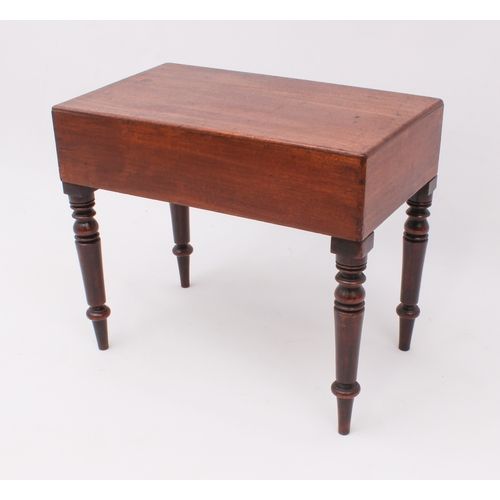
- A low basin-stand enclosure from the nineteenth century, occasionally repurposed or constructed with a lid to function as a box stool.
Victorian Box Stool: Frequently Asked Questions
What were victorian box stools used for?
These pieces served multiple domestic functions, acting as piano seats for sheet music, dressing stools for bedrooms, and receptacles for needlework or blankets.
Their concealed storage made them particularly useful in smaller nineteenth-century rooms where floor space was at a premium.
How do I tell early Victorian from later pieces?
Early examples often employ dense rosewood or flame mahogany with classical proportions and handcrafted joinery. Pieces from later decades frequently display walnut frames, heavier brass hardware, or more robust country construction.
Comparing the timber selection and upholstery substructure helps establish the approximate decade of manufacture.
Can I use a box stool as daily seating?
The sturdy hardwood frames and traditional sprung or stuffed upholstery make these items suitable for regular use in a living room or bedroom.
Checking the internal hinges and structural joints ensures the box lid remains stable when sat upon.
What fabrics are original to these stools?
Original coverings typically include hand-stitched gros-point needlework, wool tapestry, crewel work, or buttoned leather. Many pieces have been recovered over the decades in various textiles, including printed cottons and velvets.
Upholstery style often points towards either the initial Victorian period of creation or a subsequent twentieth-century restoration.