


Victorian Botanical Illustration Print
These Victorian botanical illustration print pieces are decorative studies of flora and fauna, offering natural history charm for the wall.
Victorian Botanical Illustration Print
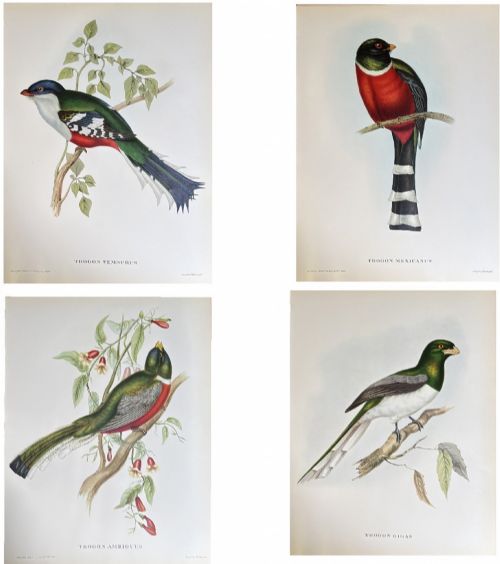
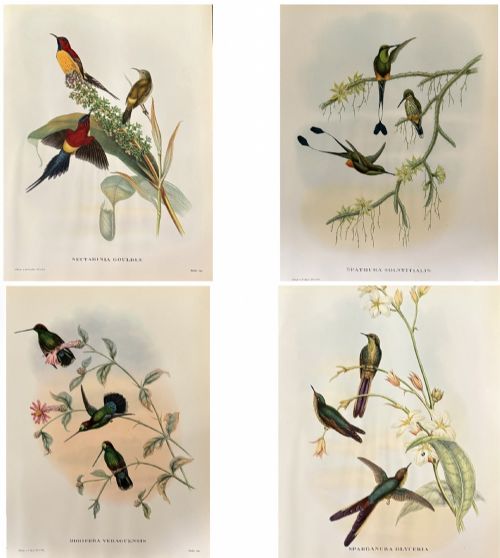
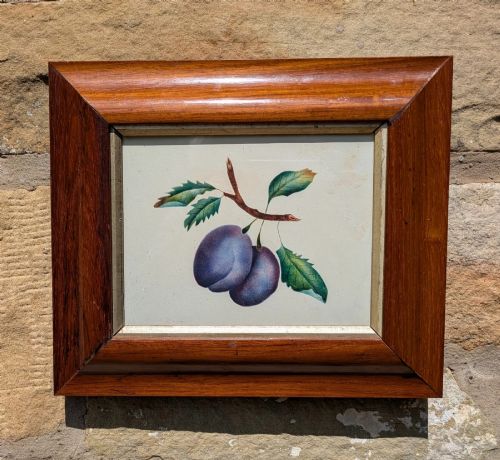
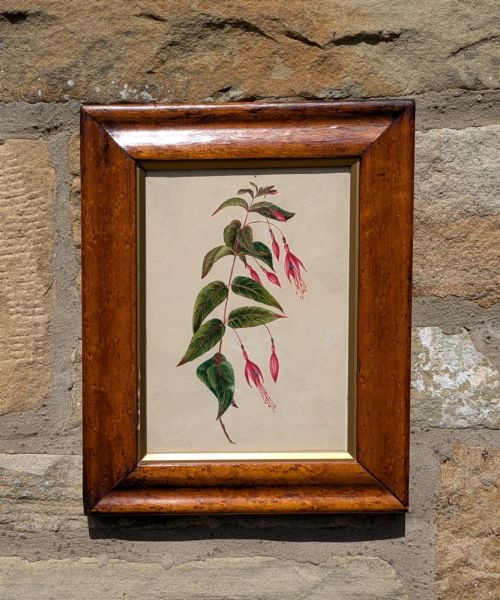
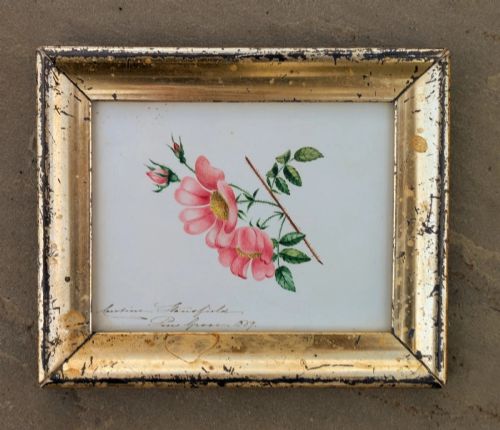
A victorian botanical illustration print encompasses framed artworks, wall art, and watercolours created during the nineteenth century. These pieces record natural subjects such as wild roses, fuchsias, plums, and azalea flowers alongside birds, sea shells, insects, and butterflies.
Many of these works arrive housed in period frames made of rosewood or gilt wood, while others remain unframed or presented behind glass with velvet mounts.
Judging the work
Quality rests upon the precision of the draughtsmanship and the delicacy of the pigment application. Hand-coloured engravings show careful brushwork that enhances the printed botanical lines without obscuring them.
The integrity of the paper and the matching character of the frames influence the overall standard of a set. Matched multiples demonstrate consistency across the entire group rather than disparate framing styles.
Plums, fuchsias, wild roses, and azaleas rub shoulders with tropical birds and sea shells in this nineteenth-century gallery of natural curiosities.
Oliver Goldsmith·Charlotte Isa James·John Curtis·John Sherrin
The Victorian Botanical Illustration Print Glossary
- Engraving
- A printmaking method where an image is incised into a metal plate to hold ink. This technique produces fine, crisp lines suited to detailed natural history illustration.
- Lithograph
- A planographic printing process using a flat stone or metal plate. It allows for soft tonal gradations and faithful reproduction of watercolour studies.
- Watercolour
- A paint medium using water-soluble pigments on paper. These original compositions capture translucent colour and subtle botanical detail directly from the hand of the artist.
- Gilt wood
- Timber frames treated with a thin layer of gold leaf or metallic gilt finish. They provide a reflective border that complements nineteenth-century works on paper.
Victorian Botanical Illustration Print: Frequently Asked Questions
How are these prints usually displayed?
Most pieces are framed behind glass to protect the delicate paper surface from environmental damage and moisture.
Pairs, trios, and larger sets work well hung together in a grid or series along a hallway or drawing-room wall.
What subjects appear besides plants?
Natural history subjects extend to ornithological studies, tropical birds, sea shells, and detailed illustrations of insects paired with botanical specimens.
These varied motifs reflect nineteenth-century scientific curiosity and a decorative interest in the natural world.
Are the frames original to the pieces?
Some works retain period surrounds constructed from rosewood or gilt wood that match the nineteenth-century date of the artwork.
Other selections are supplied unframed or within later mountings, allowing buyers to choose alternative presentation options.
How do I care for these watercolours?
Works on paper require positioning away from direct sunlight to prevent the watercolour pigments and coloured inks from fading over time.
Maintaining stable indoor humidity levels protects both the fragile paper support and any traditional wooden framing.