
Gold Framed Botanical Art
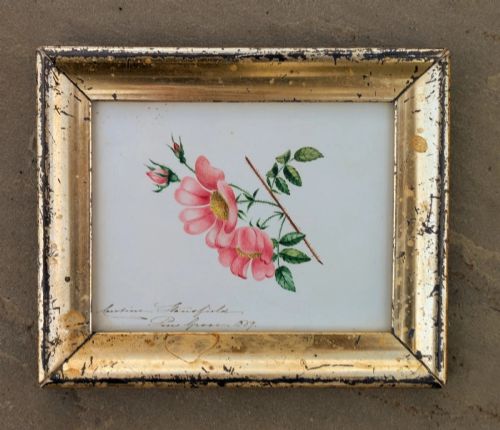
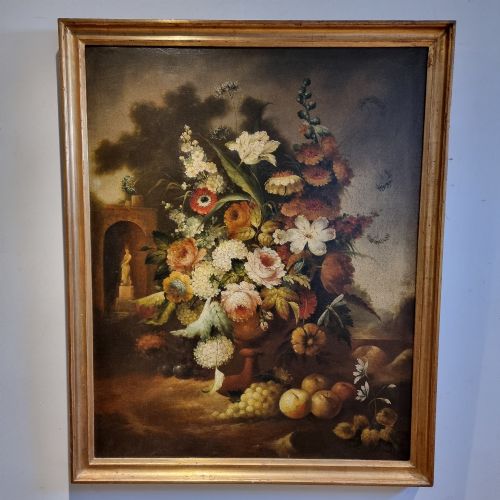
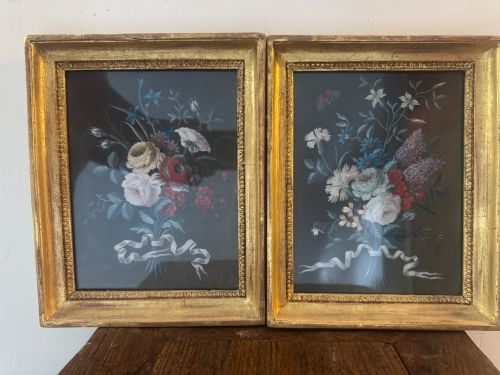
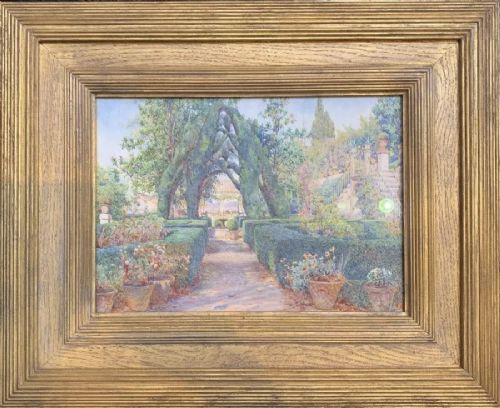
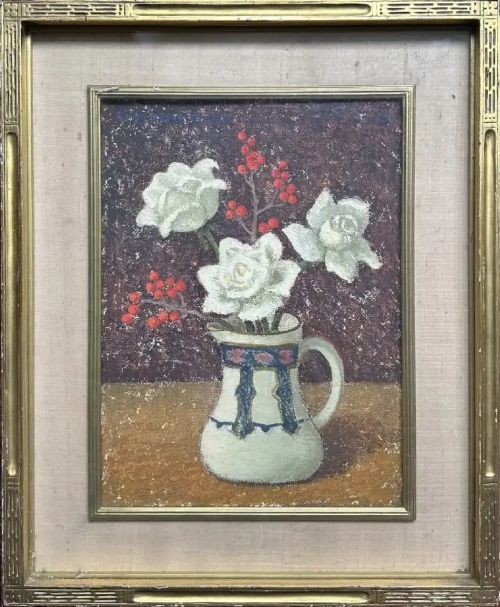
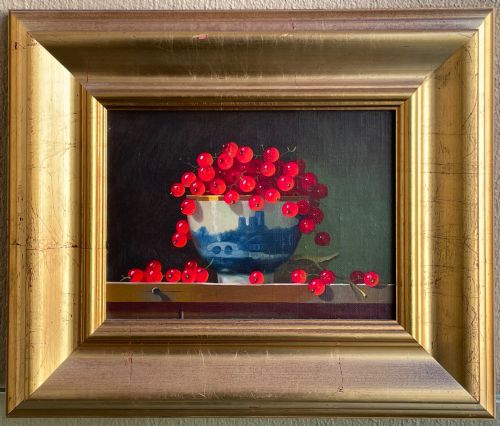
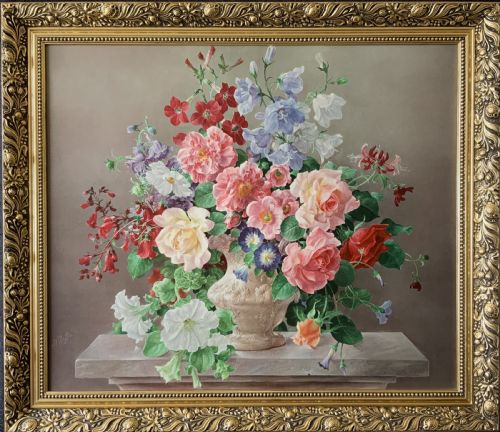
Gold framed botanical art brings natural history and floral still life into interior spaces through period paintings and prints.
Gold Framed Botanical Art
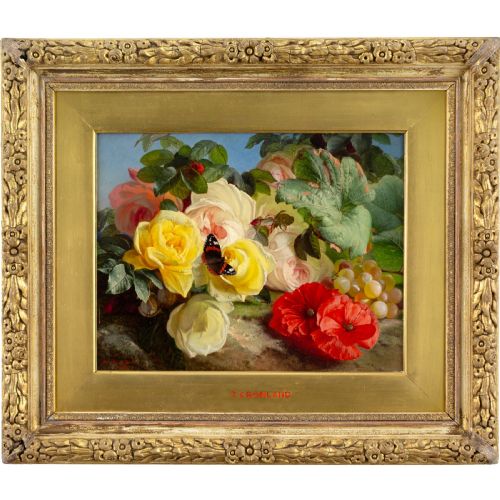
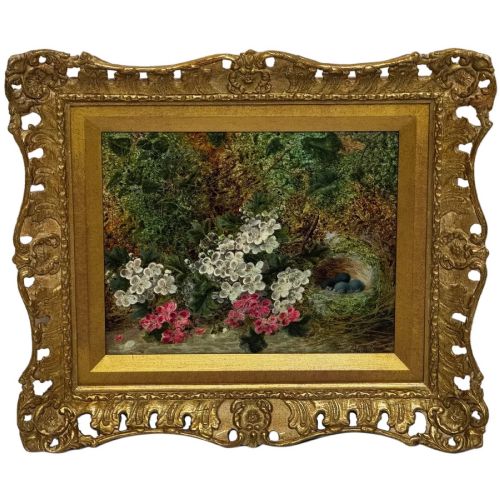
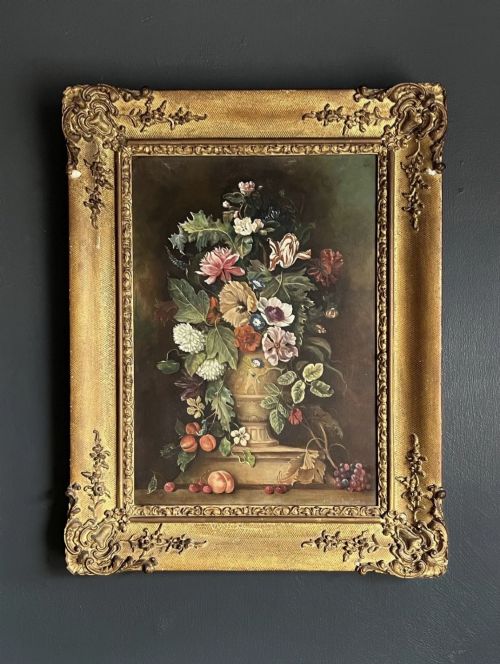
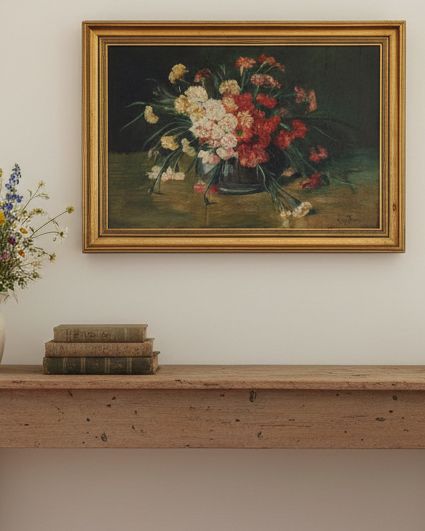
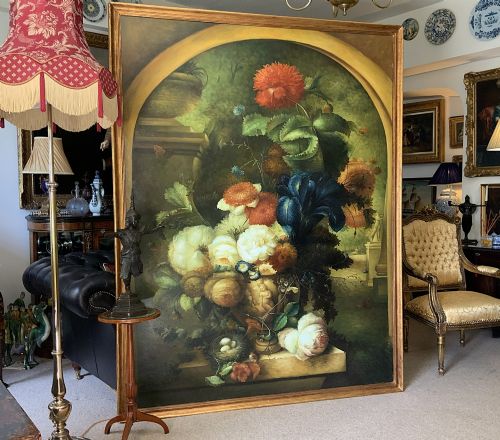
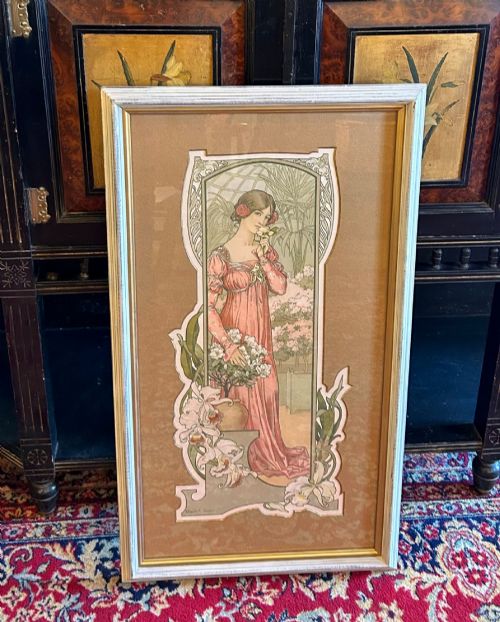
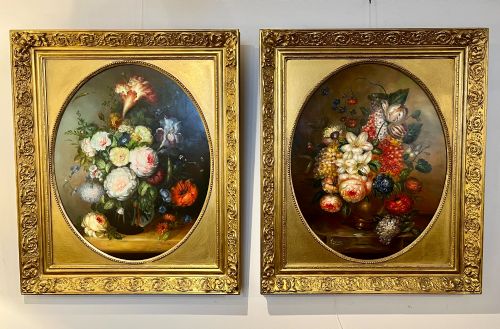
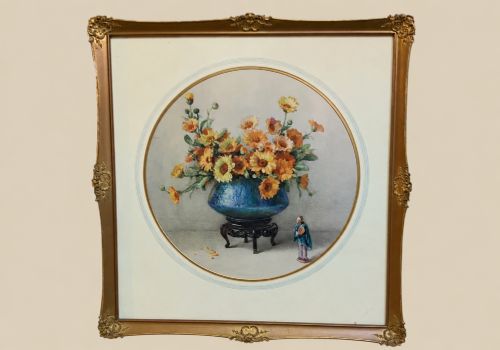
Gold framed botanical art encompasses oil paintings, watercolours, gouache studies, and hand-coloured lithographs depicting flowers, fruit, and natural subjects. These pieces span from the nineteenth century through the mid-twentieth century, capturing shifting artistic approaches to the natural world.
Framing ranges from ornate gilt gesso mouldings to simpler wooden profiles coated in gold leaf. The physical scale moves from intimate cabinet watercolours to monumental wall pieces.
How they were made
Makers utilised canvas, wood panels, and heavy paper as supports for oil paint, watercolour, gouache, and lithographic ink. Oil paintings on canvas or board provide textured, impasto flower arrangements, while works on paper rely on precise draughtsmanship and delicate pigment washes.
Frames combine wooden cores with applied gesso and gold leaf to create the characteristic metallic sheen. Artisans carved or moulded intricate details into the framing before applying the leaf finish.
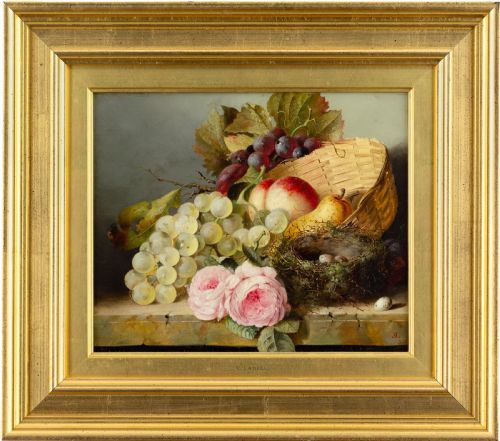
Several botanical studies include hidden bird's nests nestled among the painted roses and fruit.
What varies in quality
Quality rests in the precision of botanical observation and the structural integrity of the paint layer or paper. Master works demonstrate careful rendering of petal structures, light play, and tonal depth.
The relationship between the artwork and its frame dictates overall coherence, with period-matching gilt surrounds holding greater aesthetic weight. The crispness of lithographic impressions and the stability of the ground further distinguish individual examples.
Theude Grönland·Oliver Clare·Elisabeth Sonrel·Edward Ladell·Ernest Arthur Rowe·Emma Fordyce MacRae·Ian Parker·Harold Clayton·Edwin Steele·D Hardy·Manuela Bonati·Oliver Goldsmith·Alice Anne Renshaw·Amile Coppieters·A. Nikolokov·William Duffield·Vincent Clare
The Gold Framed Botanical Art Glossary
- Gilt
- Covered thinly with gold leaf or gold paint. This finish provides the characteristic metallic border seen on period frames.
- Gesso
- A plaster mixture applied to wood frames as a base for moulding and gilding. It allows artisans to carve intricate decorative reliefs.
- Lithograph
- A print produced from a flat stone or metal plate treated to accept ink. This technique enabled the mass production of detailed natural history illustrations.
- Impasto
- Paint applied in thick layers that stand out from the surface. This technique adds tactile dimension to floral petals and leaves.
- Gouache
- An opaque watercolour paint mixed with a binding agent. It yields solid, matte colour fields suited to botanical studies.
Gold Framed Botanical Art: Frequently Asked Questions
How do I care for these paintings?
Keep works away from direct sunlight and damp environments to protect fragile pigments and paper supports. Dust gilt frames gently with a soft, dry brush without applying liquid cleaners.
Maintain stable room temperatures to prevent the wood and canvas from expanding or contracting. Ensure hanging wires and wall fixings remain secure to support heavier framed pieces.
Are these works original period pieces?
The selection includes original nineteenth-century and mid-century oil paintings, watercolours, and period prints. Each item dates from its recorded era, reflecting the distinct artistic techniques of that time.
Signatures, artist attributions, and framing styles help verify the period of origin. Documentation within individual listings notes specific materials and dates.
What subjects appear in these artworks?
Common subjects include roses, poppies, fruit, garden scenes, and botanical studies of birds and sea shells. Many compositions follow Dutch floral still life traditions or Victorian natural history illustration.
Artists also captured impressionist impressions of lilies, daisies, and summer meadows. These depictions range from strict scientific recordings to loose artistic interpretations.
How can I date a gilt frame?
Frame dating relies on moulding profiles, corner construction, and the type of gesso preparation beneath the gold leaf. Victorian and earlier frames often feature hand-carved wooden elements and heavier plaster reliefs.
Twentieth-century frames tend to show simplified joinery and different gilt application methods. Examining the reverse of the frame reveals the age of the wood and backing.