


Blue Botanical Wall Art
Blue botanical wall art brings nature indoors through delicate watercolours, textured oil paintings, and woven tapestries.
Blue Botanical Wall Art
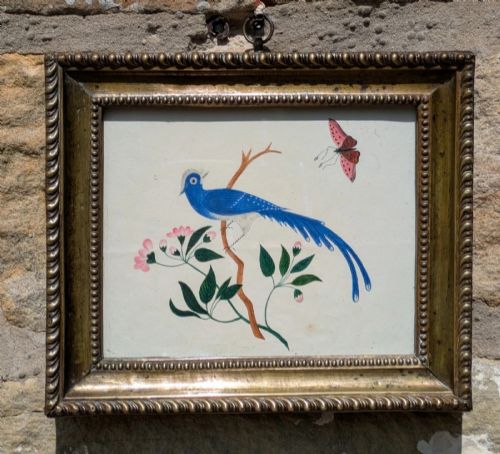
Blue botanical wall art encompasses a diverse range of depictions centred on floral subjects, natural gardens, and avian life, often rendered in calming blue hues. When searching this phrase, collectors encounter pieces spanning from the Regency period and the Victorian era through to mid-century modern and contemporary works.
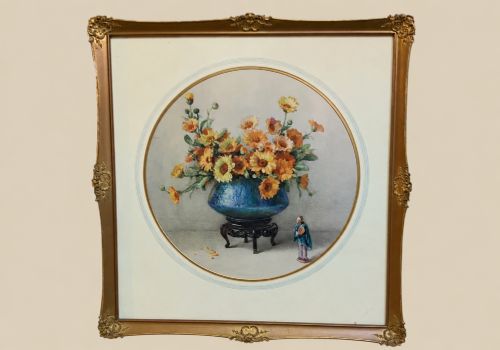
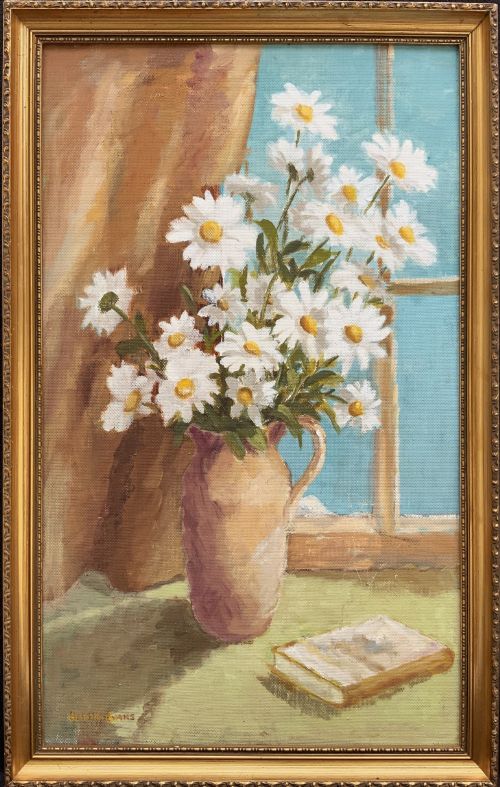
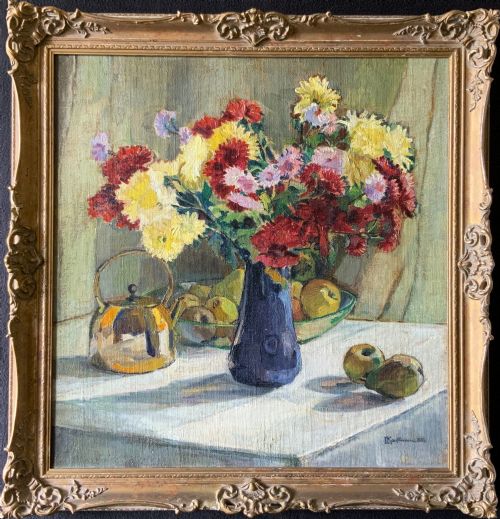
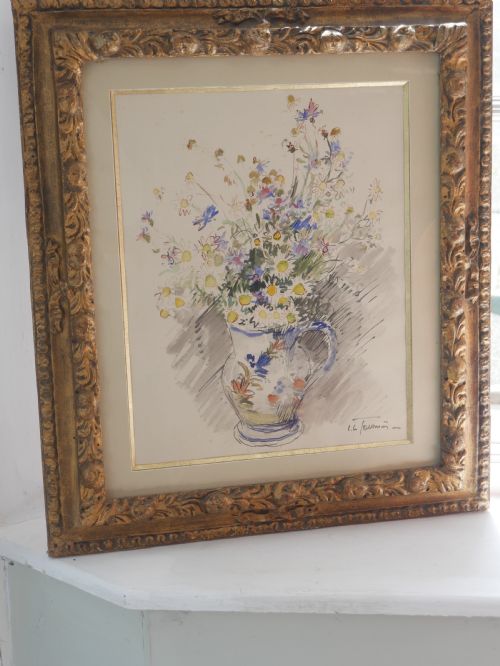
The selections on this page appear primarily as framed watercolours, oil paintings, gouache studies, and large-scale wall tapestries. Many pieces focus on specific floral still lifes, including marigolds, pansies, cosmos flowers, and wallflowers positioned in vases.
Originating from various European traditions, including British and French ateliers, these works utilise traditional paper, canvas, and heavy woven textiles. Buyers select these items to introduce historical charm and natural imagery into interior spaces.
Materials and techniques
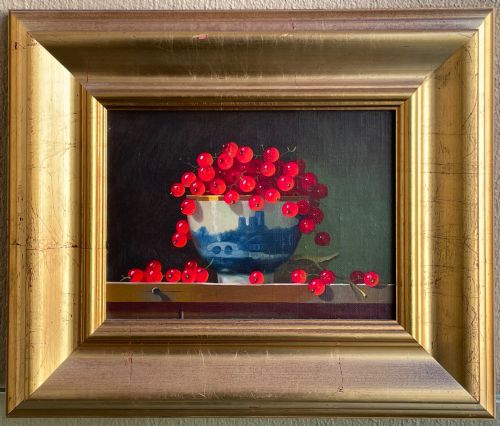
Artists create these works using watercolour pigment, oil paint, tempera, and gouache applied to paper, wood, or canvas supports. Many of the paintings and prints are preserved beneath glass within gilt or wooden frames.
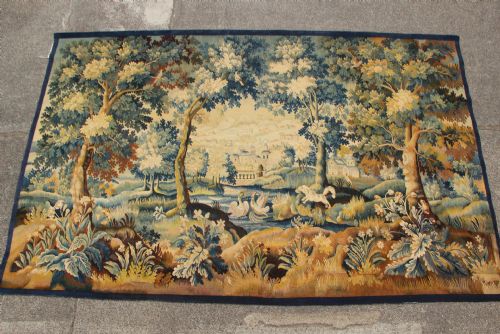
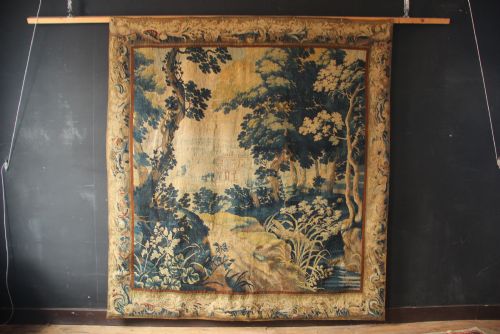
Woven wall tapestries and verdure panels employ complex textile techniques using wool and silk threads to build dense natural scenes. Cloisonné plates and charger items utilise fired enamel on metal substrates to depict botanical and avian motifs.
Even a blue tit bird finds its way into the garden watercolours alongside the floral arrangements.
Evaluating quality and execution
Quality rests upon the sureness of the brushwork and the depth of the pigment, particularly in watercolour and oil paintings where fluid handling defines the botanical subject. Superior pieces display precise botanical accuracy combined with confident impressionistic brushstrokes.
The preservation of the underlying paper or canvas significantly influences the overall standard, alongside the originality of the framing and mounting. In textile works, the integrity of the weave and the vibrancy of the remaining wool and silk threads determine the merit of the piece.
Stuart Armfield·Arthur Wardle·Marion Broom·Margaret Evangeline Wilson·Kershaw Schofield
The Blue Botanical Wall Art Glossary
- Verdure tapestry
- A type of woven wall hanging featuring a stylized landscape or garden scene filled with foliage, trees, and occasionally birds. These textiles often originate from historical French and Flemish workshops.
- Gouache
- An opaque water-based paint that produces a heavier, more saturated finish than traditional watercolour. Artists utilise this medium to build rich colour blocks.
- Cloisonné
- An ancient metalworking technique where thin wire partitions create compartments on a metal base, which are then filled with coloured enamel. Plates and chargers often employ this method.
- Impressionism
- An art style characterised by relatively small, thin, yet visible brush strokes and an emphasis on accurate depiction of light. Mid-century examples frequently apply this technique to floral still lifes.
- Tempera
- A permanent, fast-drying painting medium consisting of coloured pigment mixed with a water-soluble binder entity such as sticky egg yolk. This technique yields a matte finish.
Blue Botanical Wall Art: Frequently Asked Questions
How do I care for antique watercolours?
Keep watercolours away from direct sunlight to prevent the pigments from fading over time. Ensure they are hung in rooms with stable humidity levels to protect the paper.
Check that the framing maintains a proper barrier between the artwork and the glass. Professional conservation mounting preserves the integrity of the paper supports.
Where were verdure tapestries displayed?
Historical verdure tapestries hung in large reception rooms and halls to insulate stone walls and introduce colour. Their dense foliage patterns added texture to domestic interiors.
Today, large textile panels serve as focal points above mantelpieces or along expansive stairwells. Proper wall anchoring ensures the heavy fabric hangs without undue strain.
What defines a mid-century still life?
Mid-century still life paintings often embrace looser brushwork and brighter palettes compared to strict Victorian botanical illustrations. Artists focused on everyday objects paired with casual floral arrangements.
These works reflect a shift towards modern interior aesthetics while retaining traditional subject matter. They bridge historical painting techniques with contemporary decorative styles.
Are these pieces signed by the artists?
Many paintings and watercolours feature artist signatures or studio monograms within the composition. Documentation often attributes works to known painters from British and European schools.
Unsigned pieces rely on stylistic markers, period materials, and framing clues for dating. Both signed and unsigned works offer distinct historical connections to their eras.