


Framed Botanical Artwork Pair
A framed botanical artwork pair brings natural form directly to the wall, combining careful plant or floral studies with traditional protection behind glass and wood.
Framed Botanical Artwork Pair
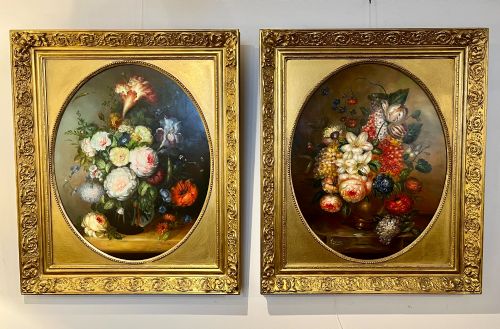
When you search for a framed botanical artwork pair, you encounter matched sets dedicated to nature, flowers, fruit, and birds. These pieces span the nineteenth and twentieth centuries, incorporating periods such as Victorian, nineteen-twenty, and the eighteenth-century revival.
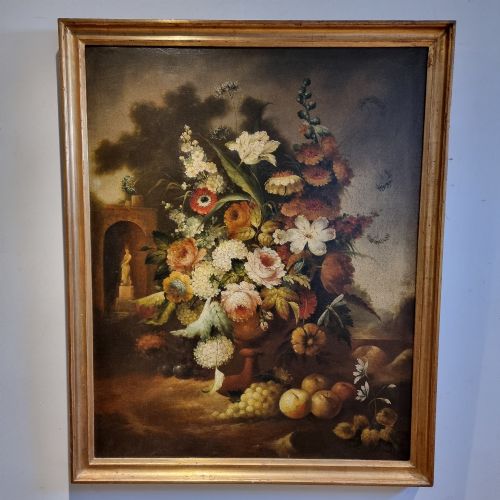
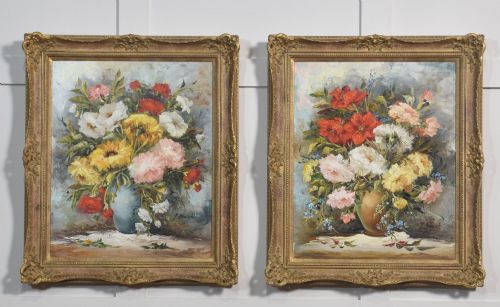
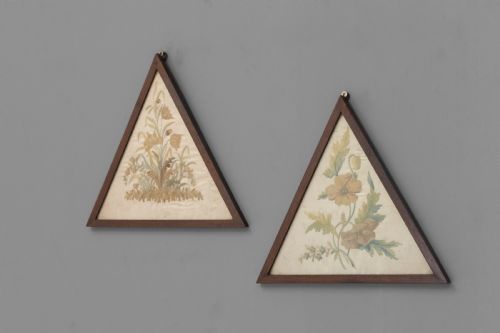
The format most commonly met on this page is the paired wall art composition, particularly still life floral and fruit oil paintings on board or canvas, alongside ornithological studies and embroidered panels.
Origins represented across these groupings stretch from English country house aesthetics to Dutch golden age styles, French compositions, and Chinese embroideries, offering symmetry and balance for interior display.
How they were made
Makers utilised traditional mediums including oil paint on board or canvas, watercolours on paper, and detailed textile embroidery, mounted securely within wood and gilded wood frames.
Glass is frequently employed to protect delicate works on paper and fabric panels, while heavier oil paintings on panel or canvas remain exposed within their period surrounds.
Listings feature works from the nineteenth century up through the nineteen-thirties, using wood, glass, paper, and oil paint.
What varies in quality
The distinction between tiers rests upon the precision of the brushwork or needlework, the naturalism of the floral and avian subjects, and the harmony of the matching pair.
Framing materials also set examples apart, where original gilded wood and substantial timber surrounds elevate the visual weight compared to simpler mouldings.
Manuela Bonati·Henry Schouten·Edgar Bundy·M.K Rhodes·Oliver Clare
The Framed Botanical Artwork Pair Glossary
- Still life
- A painting or drawing depicting inanimate subject matter, typically commonplace objects such as flowers, fruit, and vessels. In these pieces, floral and fruit arrangements dominate the compositions.
- Ornithological study
- A detailed scientific or artistic illustration of birds. These studies capture specific avian subjects with accurate plumage and posture.
- Oil on board
- A painting executed with pigment suspended in drying oil applied to a rigid wooden or composition board backing. This surface provides stability for detailed brushwork.
- Gilded wood
- Timber coated with a thin layer of gold leaf or gilt powder. This technique adds a reflective, decorative border to the artwork.
Framed Botanical Artwork Pair: Frequently Asked Questions
How do I hang a pair?
Hang the two pieces at eye level with consistent spacing between them to maintain visual balance on the wall. Matching frames allow them to act as a single unified focal point.
Ensure the wall supports the weight of the wood and glass constructions safely, keeping them away from direct sunlight to protect the paper, canvas, or paint.
Where should I place these artworks?
These pieces suit traditional reception rooms, hallways, and studies where botanical and avian subjects complement interior woodwork and domestic plants.
Avoid damp spaces like bathrooms to prevent moisture damage to the paper, canvas, and wooden frames over time.
How do I identify the period?
Examine the framing materials, backing boards, and the style of the painting or embroidery techniques used. Victorian and early twentieth-century pieces often display specific pigments and framing profiles.
Signatures, inscriptions, and labels on the reverse also help anchor the work to specific decades like nineteen-twenty or nineteen-thirty.