
Victorian Book Display
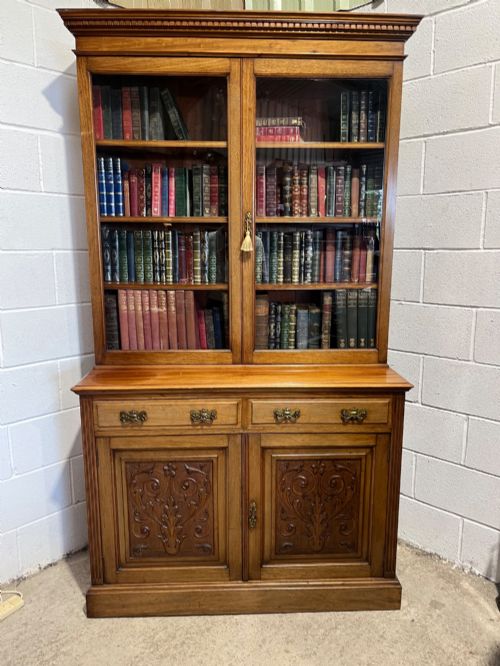
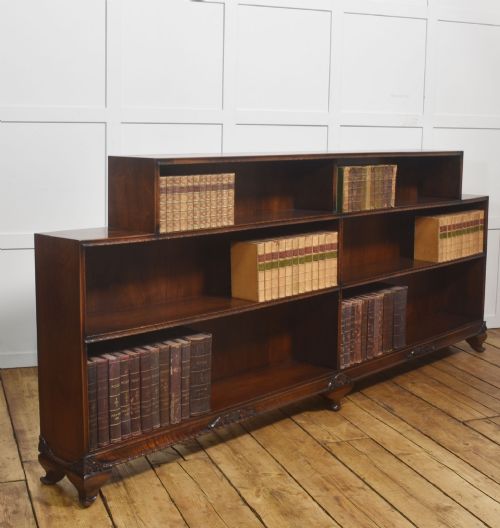
A victorian book display brings architectural presence to a room while keeping texts and curiosities visible on open or glazed shelving.
Victorian Book Display
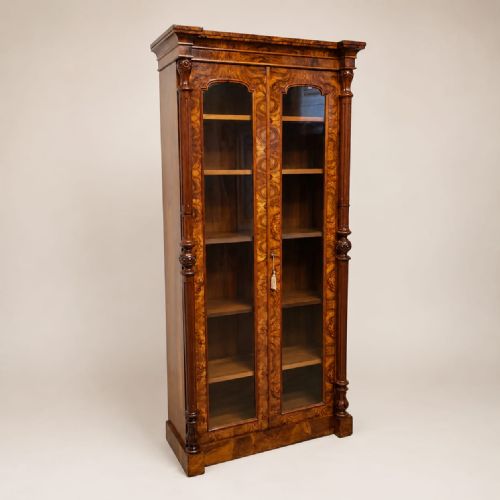
A victorian book display encompasses open bookcases, glazed cabinets, étagères, and wall-mounted shelving units originating primarily from the nineteenth century. These pieces served domestic libraries, studies, and parlours to organise literature and showcase decorative objects.
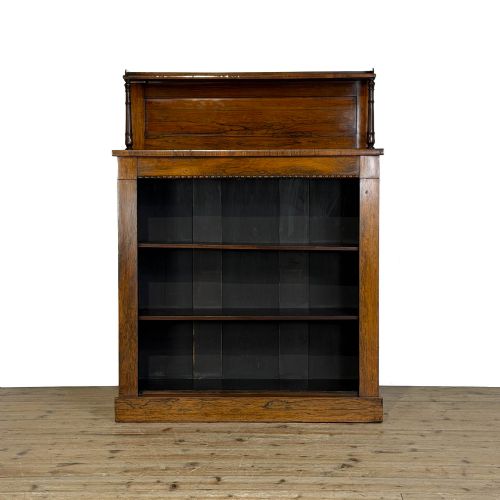
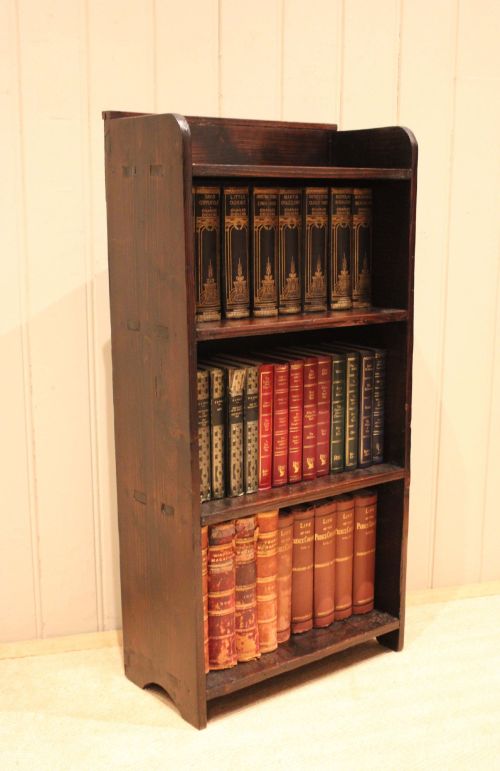
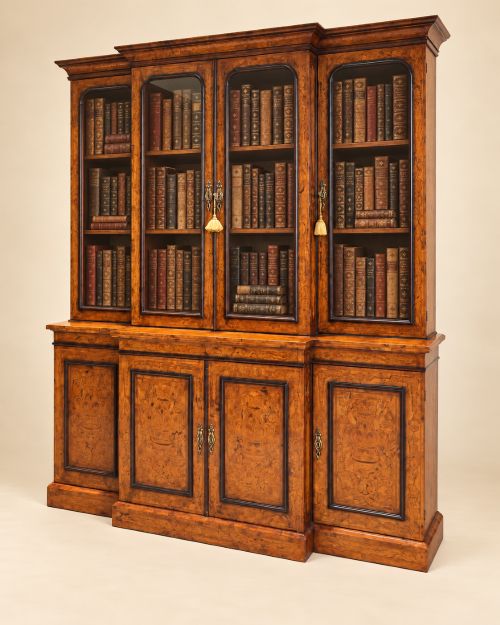
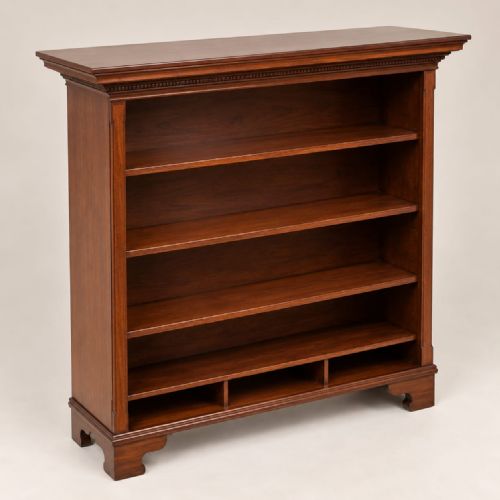
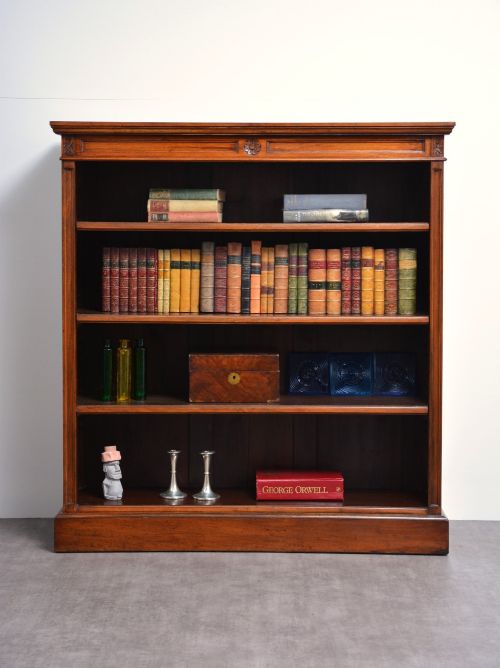
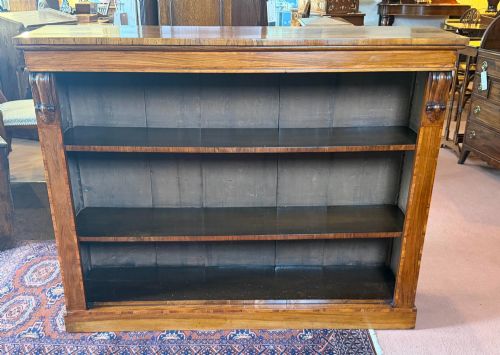
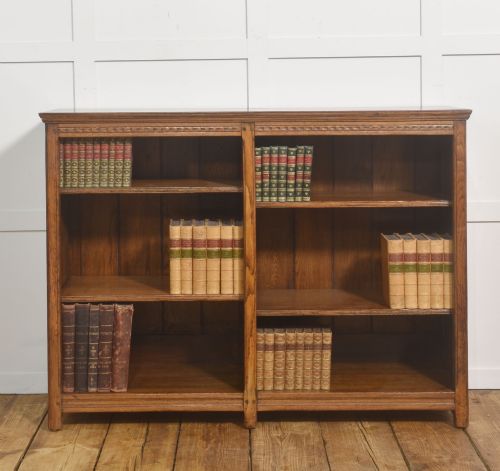
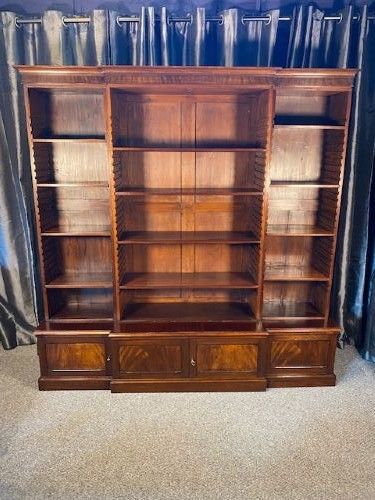
The version most commonly encountered is the open mahogany or walnut bookcase featuring adjustable timber shelves. Such examples range from low, compact units designed for small spaces to large breakfront forms with multiple sections.
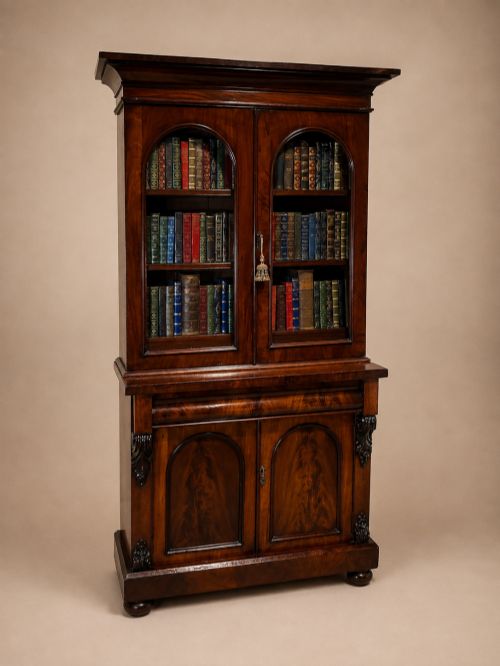
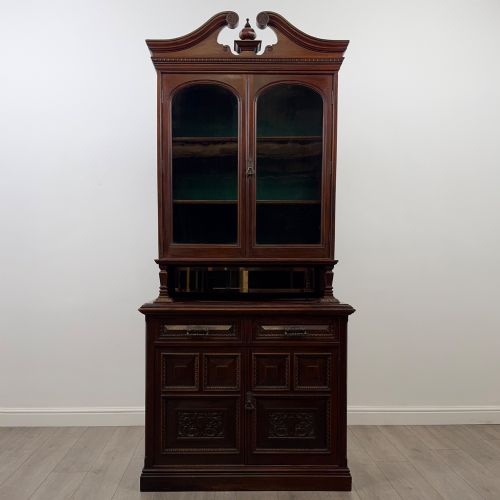
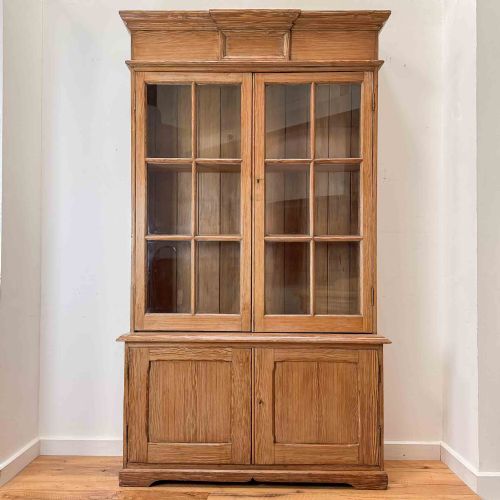
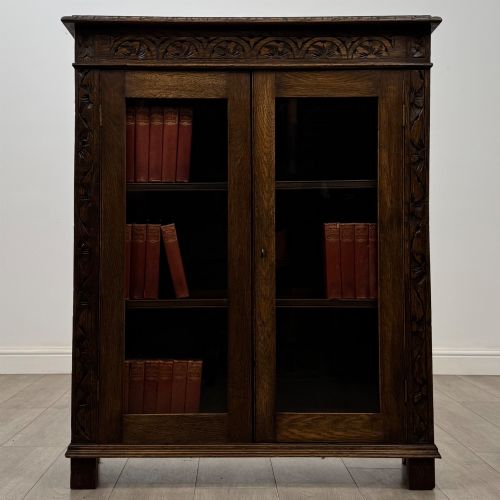
Alternative configurations include glazed display cabinets and tiered whatnot stands incorporating glass doors or turned supports. These variations reflect the diverse methods nineteenth-century households used to store and present printed volumes.
How They Were Made
Cabinetmakers utilised dense hardwoods such as mahogany, walnut, and rosewood, often applying burr walnut or flame mahogany veneers to primary visual surfaces. Secondary structural elements commonly relied on pine or oak.
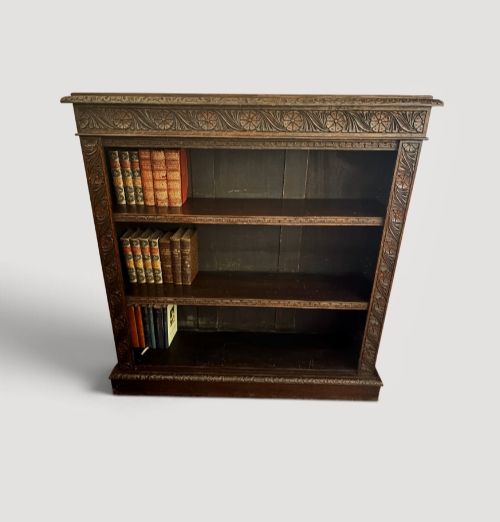
Construction techniques combined traditional joinery with architectural mouldings, hand-carved details, and occasional marquetry inlay or brass fittings. Glazed doors utilised wooden glazing bars to secure individual glass panes within the framework.
One surviving late nineteenth-century mahogany cabinet bears a later hand sign-written advertisement for Fry's cocoa and chocolate.
What Varies in Quality
The selection of timber grain heavily influences the visual impact of a piece, with figured burr walnut and flamed mahogany representing the upper tier of cabinetmaking. Grain matching across doors and panels demonstrates the maker's deliberate control over the material.
Structural refinement shows in the execution of carved enrichments, the integration of adjustable shelving mechanisms, and the crispness of inlaid details. Superior examples maintain balanced proportions and harmonious integration between the display function and the supporting cabinetry.
Gillows
The Victorian Book Display Glossary
- Breakfront
- A cabinet design where the central section projects forward from the flanking wings. This configuration adds architectural depth to large library furniture.
- Étagère
- A set of open tiered shelves used for displaying small ornaments and books. These pieces frequently feature delicate turned supports.
- Whatnot
- A multi-tiered piece of freestanding furniture designed for displaying ornaments or holding books. It developed in various heights during the nineteenth century.
- Glazed
- Fitted with glass panels, typically within doors to protect books from dust while maintaining visibility. Astragal mouldings often divide the glass panes.
- Veneer
- A thin layer of figured wood applied over a secondary timber base. This technique allowed cabinetmakers to display striking grain patterns economically.
Victorian Book Display: Frequently Asked Questions
What is a victorian book display?
A victorian book display is a nineteenth-century piece of furniture designed to hold books and decorative objects behind glass or on open shelves. These include bookcases, breakfront cabinets, and tiered étagères.
They were built in woods like mahogany, walnut, and oak to serve as functional storage for home libraries and living spaces.
How do I use a bookcase display at home?
These pieces suit living rooms, studies, and hallways for organising reading collections alongside decorative ceramics and objects. Open versions offer immediate access to volumes while glazed cabinets protect fragile bindings.
Adjustable shelving found in many nineteenth-century examples allows the interior layout to accommodate books of varying heights.
How do I tell different periods apart?
Identifying periods involves examining the timber choices, hardware, and decorative motifs used in the construction. Earlier pieces from the William IV and early nineteenth-century eras often display dense rosewood and bold architectural lines.
Late nineteenth-century examples frequently utilise figured walnut or oak with carved detailing or ebonised finishes characteristic of the period.
Are shelves usually adjustable?
Many nineteenth-century open bookcases and glazed cabinets feature adjustable shelving supported by wooden ratchets or metal pins. This practical feature allowed owners to reconfigure the interior space as their book collections expanded.
Fixed shelving is more commonly found in specific regional or simpler country pieces from the era.