





Victorian Beer Mug
These victorian beer mug examples span pewter tankards and ceramic jugs designed for public house and domestic use.
Victorian Beer Mug
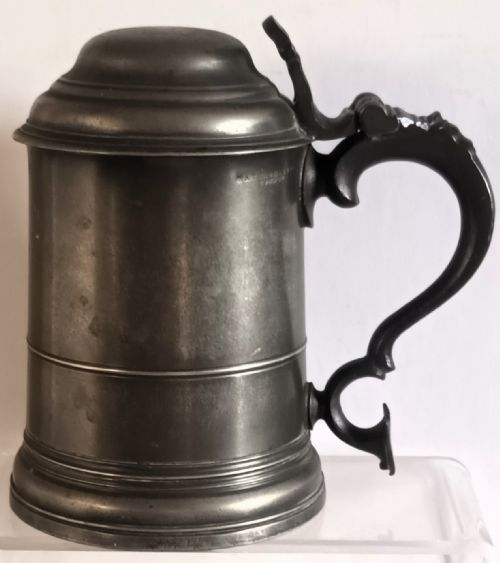
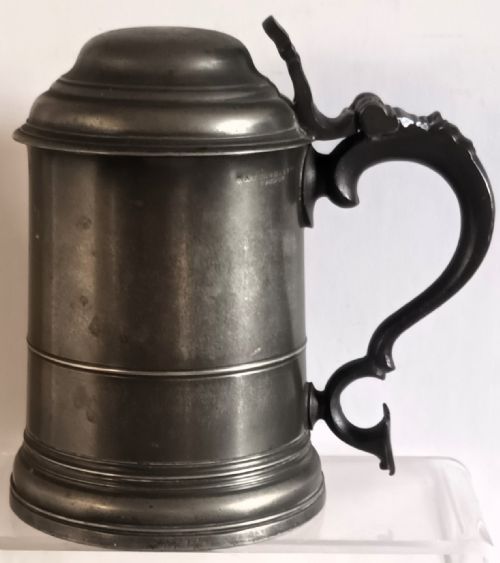
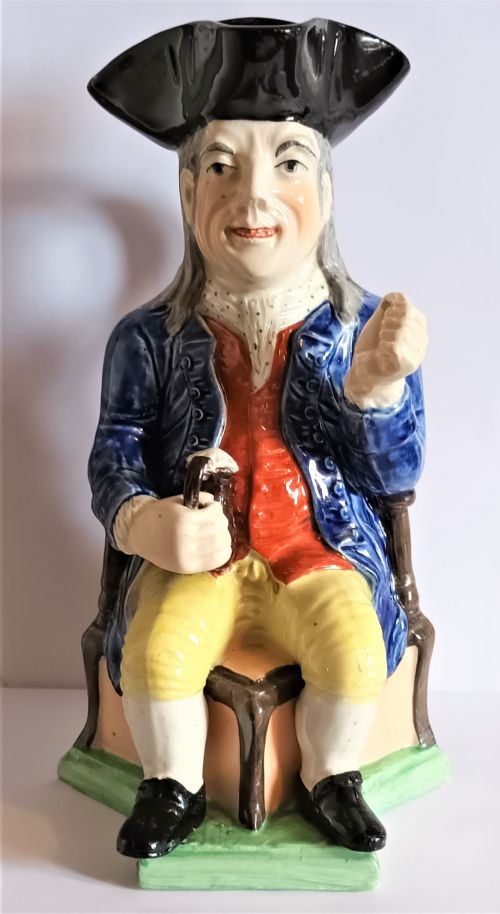
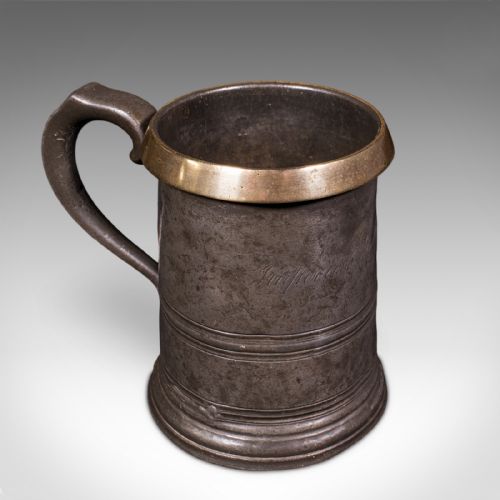
A victorian beer mug encompasses nineteenth-century drinking vessels shaped as tankards, mugs, and jugs intended for daily hospitality or public house service. The selection relies heavily on pewter tankards alongside silver plated vessels, earthenware Toby jugs, and glass-bottomed formats.
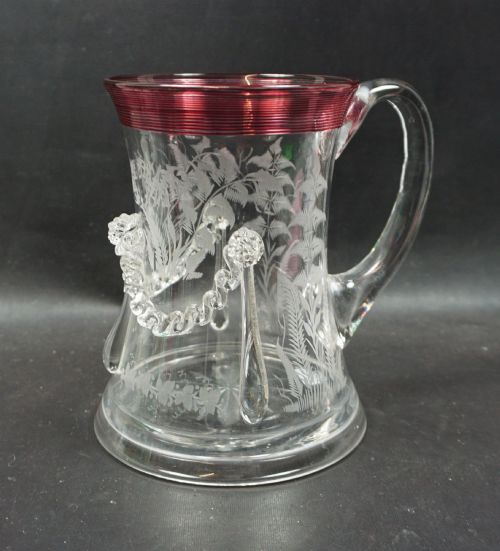
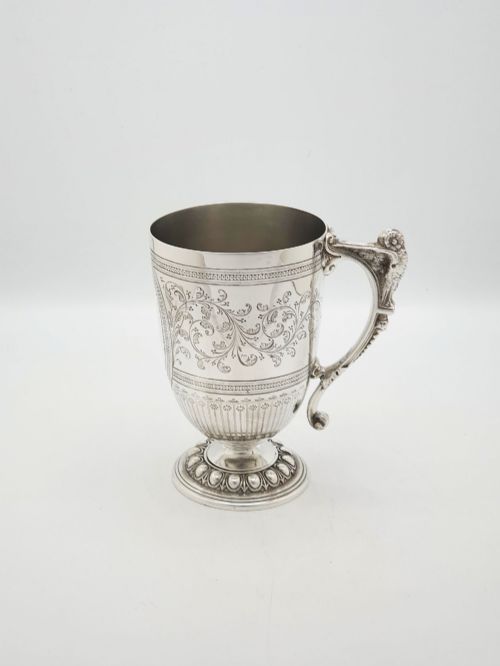
Most pieces date across the nineteenth century, including specific periods from eighteen-eighty to nineteen-hundred, alongside occasional later items. Forms range from bell-shaped tankards to lidded drinking vessels featuring engraved decoration or owl handles.
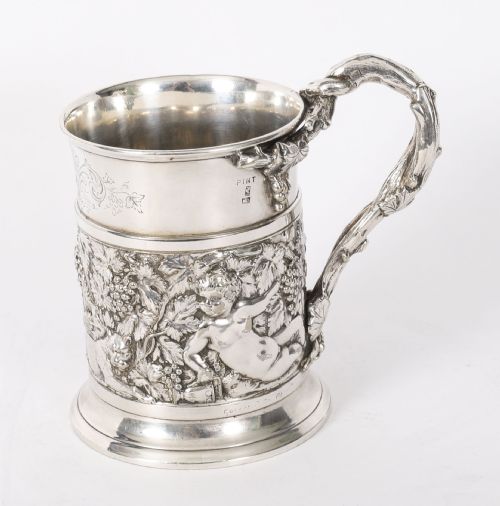
Public house origins appear frequently alongside domestic barware, reflecting the commercial and social drinking habits of the era. Buyers meet both plain quart jugs and heavily embossed presentation pieces designed for substantial measure.
How they were made
Metals dominate the construction, utilising pewter, silver plate, sterling silver, and brass cast or spun into cylindrical and bell shapes. Silversmiths and pewterers employed embossing and engraving techniques to ornament the exterior surfaces with floral or geometric motifs.
Ceramic vessels draw upon earthenware and pottery bodies finished with coloured glazes, seen particularly in Staffordshire Toby jugs and Hadley Worcester pieces. Glass and enamel components appear in mixed-media tankards mounted with silver collars and hinged lids.
Victorian Beer Mug Retail Price Guide 2026
Typical asking prices for victorian beer mug among the pieces listed under this phrase on Sellingantiques today, from the lower quarter to the upper quarter. They describe what is for sale here now, not the wider market.
Listings feature items spanning the nineteenth century through the nineteen-twenties, incorporating pewter, silver plate, earthenware, and glass materials.
What varies in quality
Metal thickness and the crispness of embossed or engraved decoration distinguish standard utilitarian vessels from presentation pieces. Maker marks stamped into pewter or silver plate indicate the standing of the workshop responsible for the casting.
The integrity of applied handles, such as figural owl designs, and the snug fit of hinged lids separate superior fabrication from routine production. Glaze consistency and hand-painted detail define the standard achieved in earthenware and ceramic jugs.
G R Collis·Watts and Harton·Hadley Worcester
The Victorian Beer Mug Glossary
- Tankard
- A tall drinking vessel with a single handle, frequently fitted with a hinged lid. These pieces appear in pewter, silver plate, and glass.
- Pewter
- A malleable metal alloy composed primarily of tin, used widely for tavern and domestic drinking vessels during the nineteenth century. It develops a soft patina over decades of handling.
- Toby Jug
- A pottery jug shaped as a seated, full-figured person, typically wearing eighteenth-century attire and holding a mug of beer. Staffordshire potteries produced these popular forms.
- Quart
- A traditional measure of capacity equal to two pints, often stamped directly onto public house tankards to denote legal volume. These larger vessels served thirsty patrons in taprooms.
- Breweriana
- Collectable items associated with the brewing and serving of beer, including public house tankards and barware. Collectors prize these objects for their direct link to social history.
Victorian Beer Mug: Frequently Asked Questions
How do I clean an antique pewter tankard?
Pewter requires gentle washing in warm soapy water followed by immediate drying with a soft cloth to protect the surface. Avoid aggressive metal polishes that strip the historic grey patina built up over generations.
Storing these vessels in dry conditions prevents pitting and corrosion of the metal alloy. Regular dusting keeps the exterior stable without altering the appearance.
Are these old beer mugs safe for drinking?
Many nineteenth-century pewter vessels contain lead alloyed with tin, which can leach into acidic beverages over extended periods. Modern users generally keep these historic objects for display rather than daily consumption.
Silver plated and glass items present fewer chemical concerns but still warrant careful inspection of internal surfaces. Assessing the condition of the interior helps determine if a vessel remains suitable for service.
How can I tell the difference between periods?
Stylistic cues, maker marks, and manufacturing techniques help differentiate Victorian items from Edwardian or later productions. Victorian pieces often display heavier embossing and distinct touchmarks registered by period guilds.
Later nineteenth-century work shifts toward simpler lines or different handle castings. Comparing the weight, construction of the handle, and mounting of lids provides reliable clues to age.