



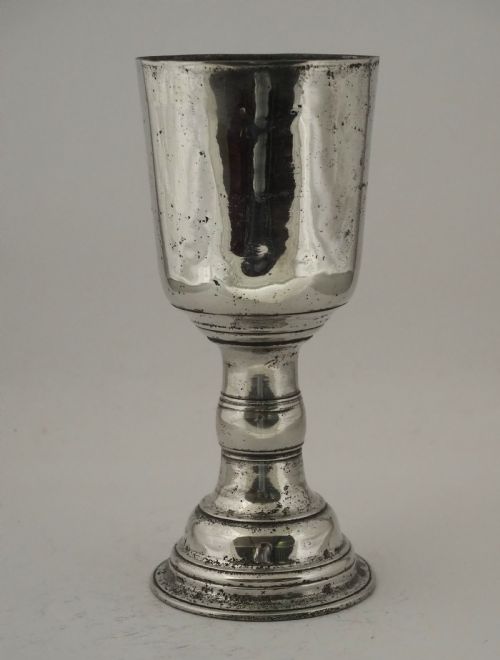


Antique Pewter Cups
These antique pewter cups range from Irish chalices to Arts and Crafts drinking vessels, offering tactile weight and historic charm for daily use.
Antique Pewter Cups
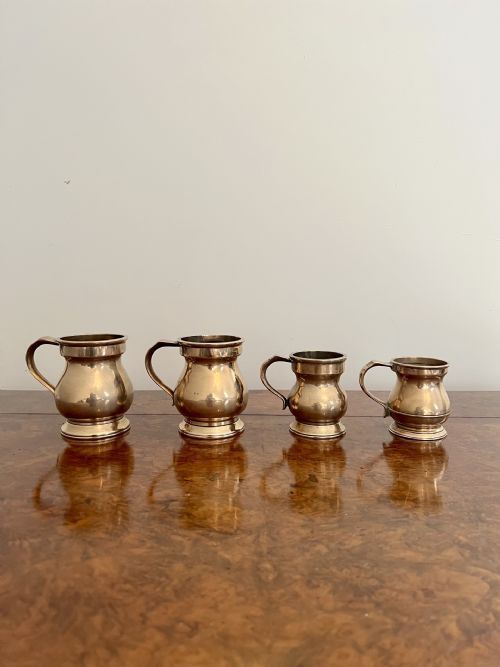
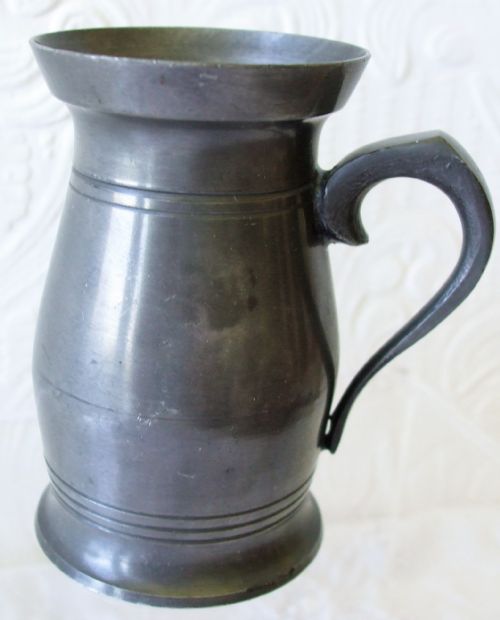
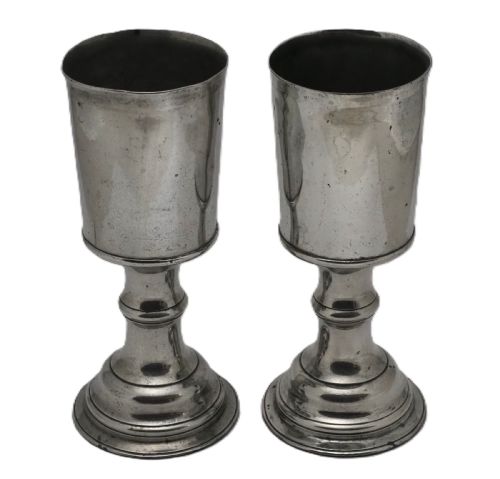
Antique pewter cups encompass a diverse array of drinking vessels, including tavern measures, tankards, chalices, and beakers spanning multiple centuries. When searching for antique pewter cups, buyers frequently encounter domestic and Irish ecclesiastical forms, alongside continental European designs.
How they were made
The primary material is pewter, an alloy traditionally composed of tin combined with copper, lead, or antimony to give it strength and malleability. Some specific drinking vessels incorporate alternative elements, such as coconut shells wrapped in carved pewter or contrasting brass details.
Manufacturing methods involve casting metal in moulds and subsequently shaping or turning the body on a lathe to achieve smooth surfaces. Later twentieth-century pieces utilise modern secessionist styling, with hammered finishes and applied decorative motifs typical of the period.
Antique Pewter Cups Retail Price Guide 2026
Typical asking prices for pewter cups among the pieces listed under this phrase on Sellingantiques today, from the lower quarter to the upper quarter. They describe what is for sale here now, not the wider market.
A nineteenth-century Chinese drinking cup wrapped in an intricately carved coconut shell proves that even historic tavern customs crossed continental borders.
What varies in quality
Quality in these drinking vessels depends upon the weight and thickness of the metal alloy used in the casting. Substantial wall thickness and well-balanced proportions on a domed foot indicate superior early craftsmanship.
The precision of form and clarity of maker marks or capacity stamps further distinguish standard utility pieces from finer examples. Artistry in decorative surface treatment, whether Celtic revival strapwork or naturalistic botanical patterns, dictates the desirability of later pieces.
Kayserzinn·W.M.F.·Liberty
The Antique Pewter Cups Glossary
- Pewter
- A malleable metal alloy consisting chiefly of tin, historically used for domestic tableware and drinking vessels. It develops a soft, dark grey oxidation over centuries of handling.
- Chalice
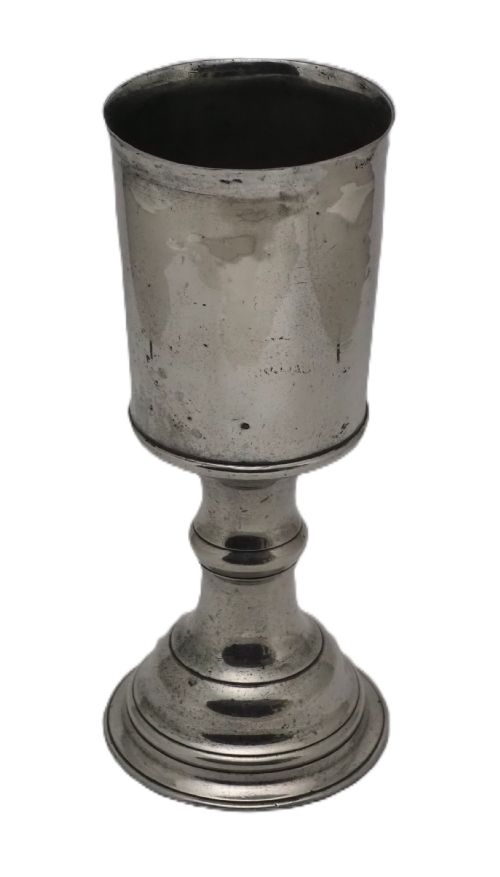
- A large stemmed cup, traditionally used for sacramental wine but also produced for secular domestic or tavern use in Irish and continental traditions.
- Tankard
- A tall, cylindrical drinking vessel with a single handle, frequently fitted with a lid or manufactured in calibrated capacities for serving ale.
- Quaiche
- A traditional two-handled Scottish drinking vessel, often shallow in form and utilised for sharing a dram of spirits among friends.
- Tyg
- A large drinking cup featuring multiple handles, allowing it to be passed securely around a table among several drinkers during communal gatherings.
Antique Pewter Cups: Frequently Asked Questions
Are antique pewter cups safe to drink from?
Many older pieces contain varying levels of lead in the alloy composition, which makes modern consumption from them inadvisable.
Enjoying them as decorative display objects or for dry storage remains the safest way to live with these historic drinking vessels.
How do I clean antique pewter cups?
Gentle washing in warm soapy water with a soft cloth removes surface dirt without stripping the historic patina.
Avoid abrasive metal polishes or harsh scrubbing pads, as these scratch the soft tin surface and ruin the aged finish.
How can I tell the period of a pewter cup?
Form, handle design, and capacity stamps offer immediate clues to the era in which a vessel was manufactured.
Heavier cast walls and plain bell shapes often point towards earlier centuries, while whiplash lines and botanical motifs suggest the twentieth century.
What is a tavern measure?
A tavern measure is a standardised drinking vessel designed to hold precise liquid capacities like gills, pints, or quarts.
Publicans used these containers to ensure accurate servings for patrons in bustling historic alehouses and inns.