
Victorian Bedroom Storage Cabinet
A victorian bedroom storage cabinet organises clothing behind panelled doors or within stacked drawers, bringing handsome nineteenth century proportion to a room.
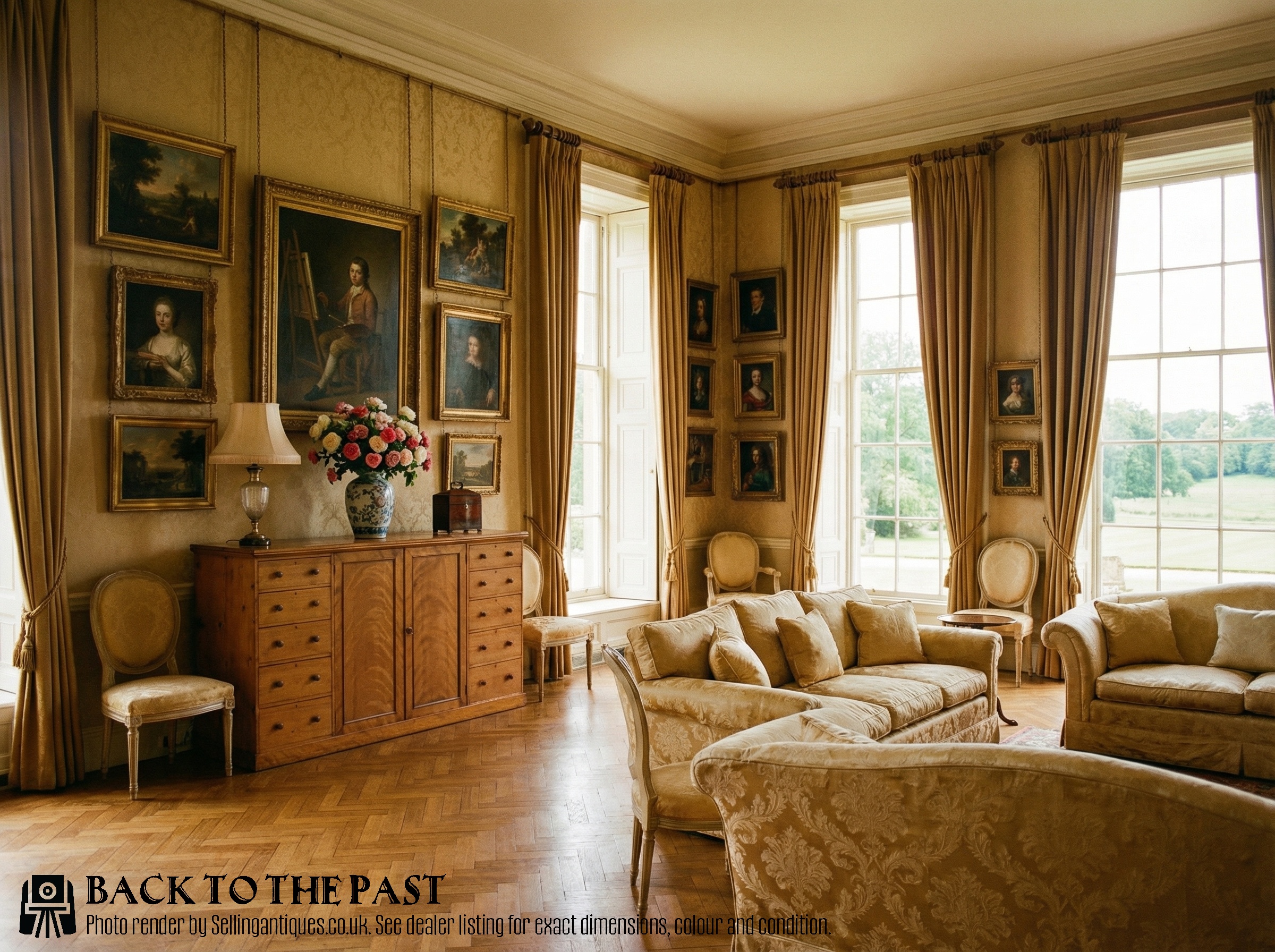
Victorian Bedroom Storage Cabinet
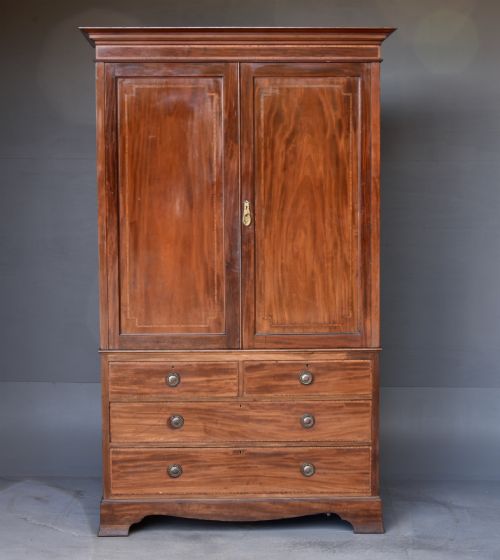
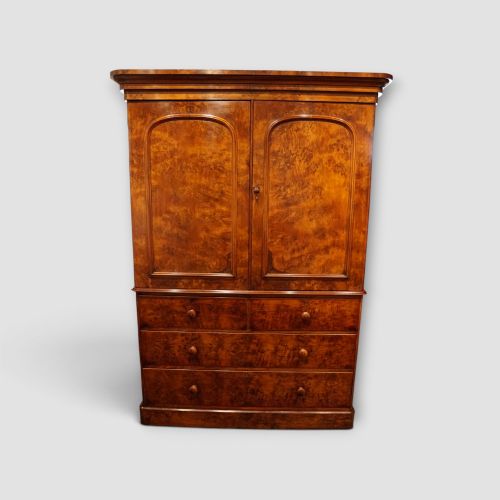
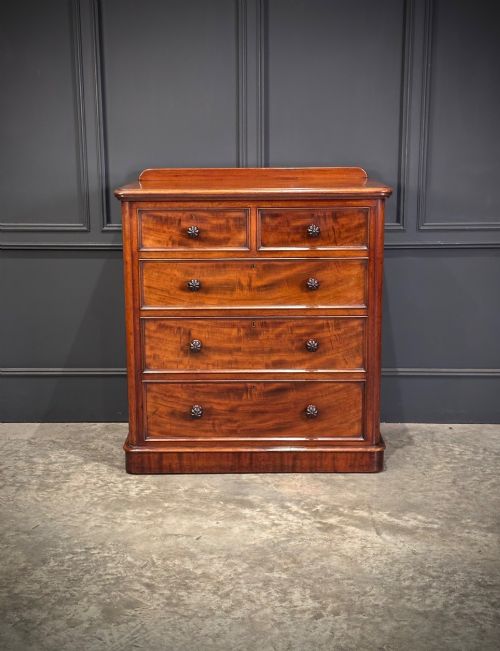
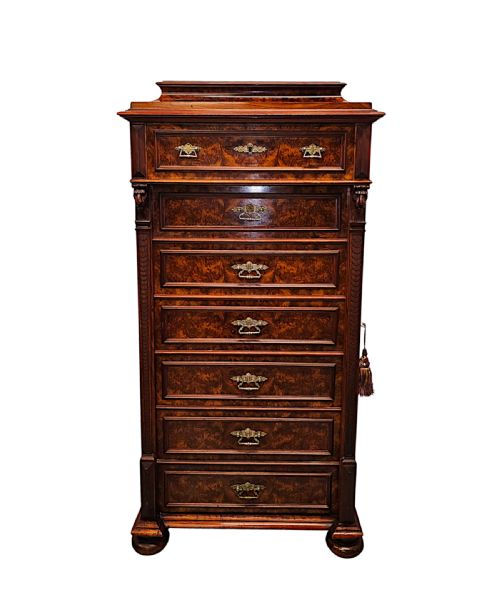
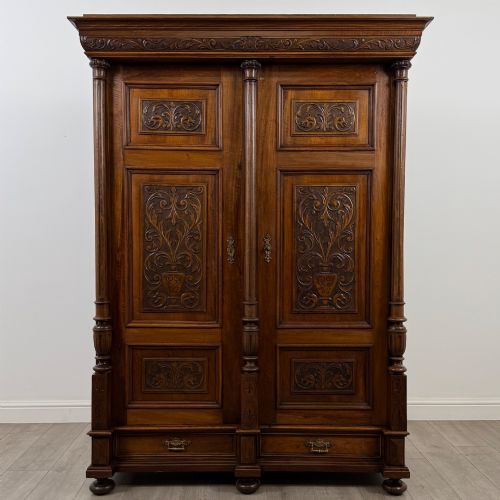
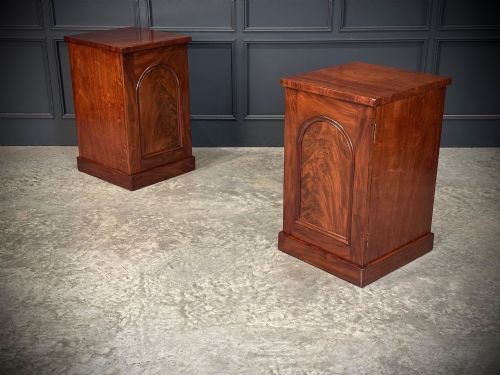
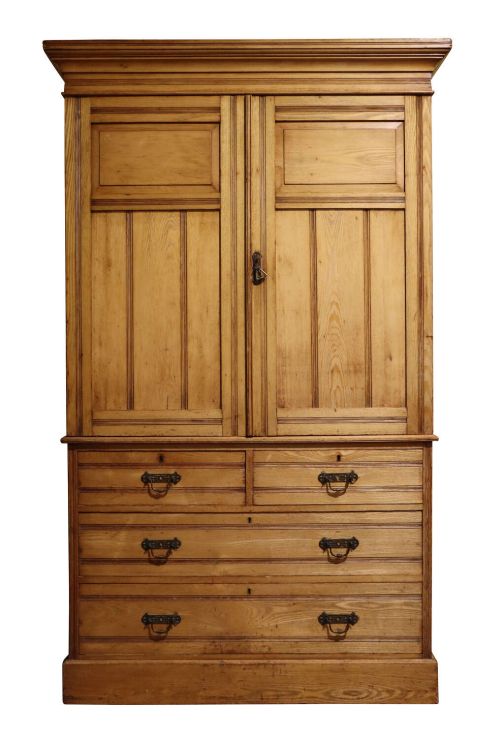
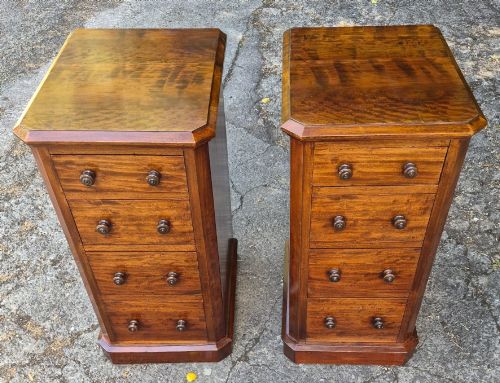
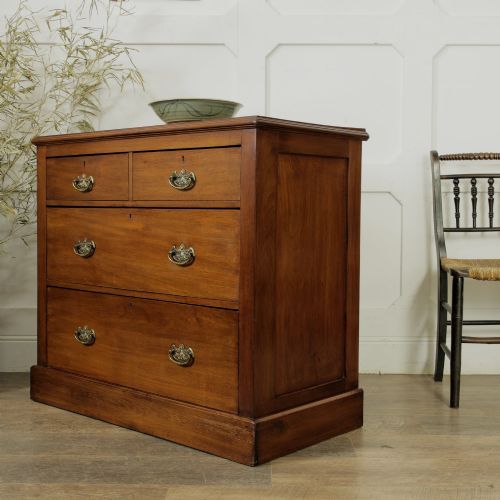
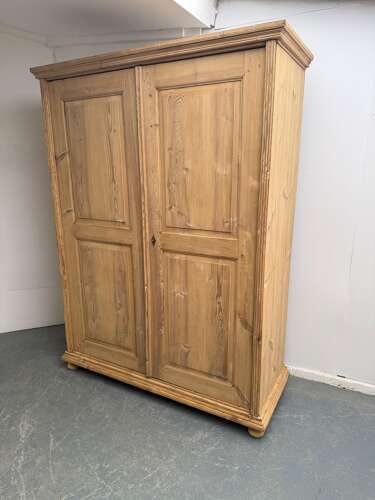
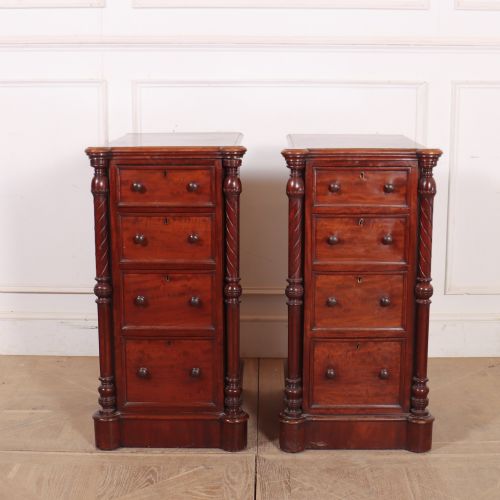
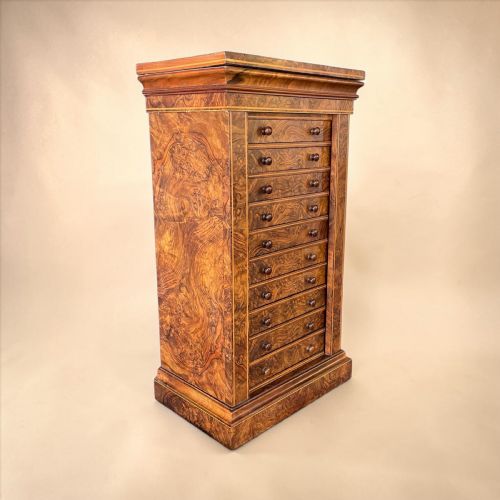
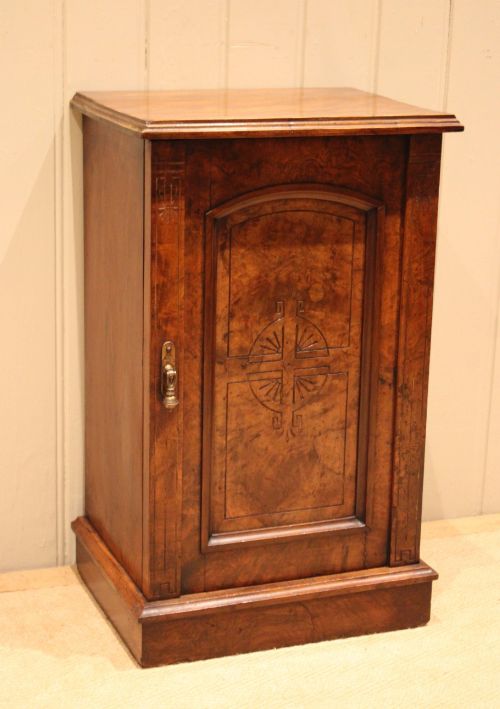
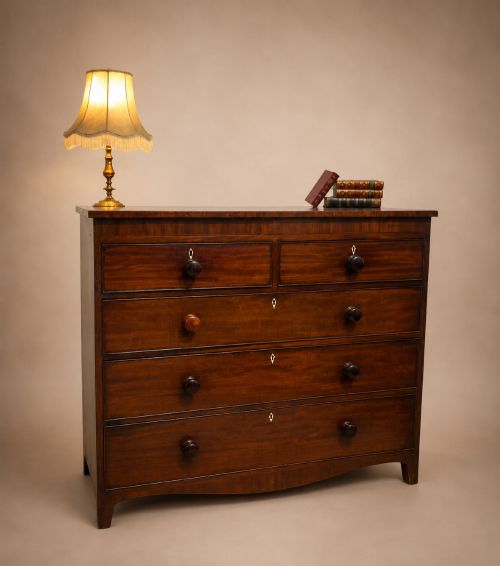
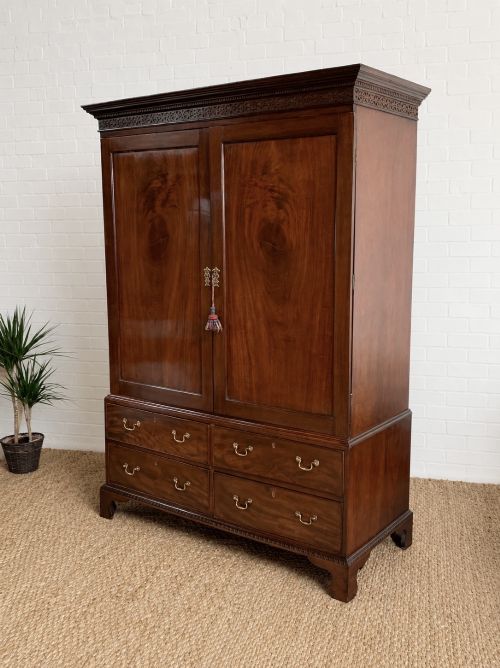
When buyers search for a victorian bedroom storage cabinet, they encounter a diverse selection of nineteenth century furniture designed to hold garments and linens. The options on this page range from compact bedside chests and tall Wellington chests to substantial linen presses, armoires, and wardrobes.
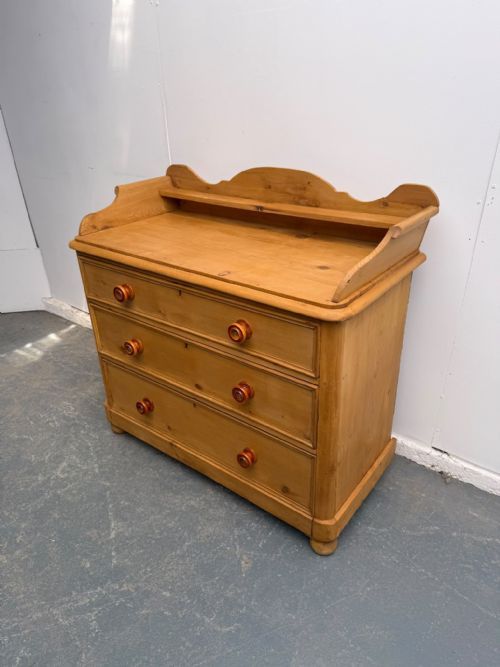
Chest of drawers and bedside cabinets dominate the selections, alongside larger pieces built from pine, mahogany, and walnut. These items originate predominantly from the Victorian and Edwardian eras, spanning mid-nineteenth century workshops through to early twentieth century examples.
Buyers meet pieces reflecting various regional tastes, including French provincial wardrobes, English country pine cupboards, and refined satinwood inlaid compactums. Each form serves the specific bedroom storage requirements typical of nineteenth century domestic life.
How They Were Made
Cabinet makers utilised solid timbers alongside rich veneers, applying flame mahogany, burr walnut, and birds eye maple over sturdy secondary woods. Brass hardware, iron fittings, and hand-turned wooden handles completed the construction of drawers and doors.
Joinery methods involved dovetailed drawer boxes and panelled frame construction designed to support heavy loads of linen and wool garments. Surfaces were frequently polished to a high lustre or left in original waxed and painted finishes, particularly on country pine furniture.
Some pine wardrobes arrive ready to wax or paint, offering a blank canvas for your own interior colour scheme.
What Varies in Quality
The degree of refinement in timber selection separates standard pieces from exceptional examples, seen in the choice of symmetrical burr walnut or figured flame mahogany veneers. Elaborate details like blind fretwork cornices, satinwood crossbanding, and inlaid stringing elevate the distinction of cabinetwork.
Structural integrity depends on the original thickness of solid drawer linings and the precision of the dovetail joints. Retaining original hardware, functional brass locks, and undisturbed surface patination distinguishes superior items from heavily altered examples.
maples & co·Heals
The Victorian Bedroom Storage Cabinet Glossary
- Wellington chest
- A tall, narrow chest of drawers secured by a single hinged locking stile on the right side. This form originated in the nineteenth century to store gentleman's linen.
- Linen press
- A large storage cabinet featuring upper sliding trays or shelves enclosed by doors, sitting above a base of wider drawers. These pieces served to keep folded textiles flat and orderly.
- Compactum
- A large fitted wardrobe combining hanging space, shoe lockers, and interior drawer stacks within a single unified carcass. This clever multi-purpose design maximised bedroom floor space.
- Blind fretwork
- Carved decorative openwork glued down onto a solid wood background without piercing right through. It provides texture and pattern along cornices and friezes.
- Crossbanding
- A decorative border of veneer laid around the perimeter of a drawer front or tabletop so that the grain runs perpendicular to the central panel.
Victorian Bedroom Storage Cabinet: Frequently Asked Questions
What is a compactum wardrobe?
A compactum is a multi-functional wardrobe that combines hanging spaces, sliding trays, and drawer stacks into a single large unit.
These pieces were designed to hold an entire wardrobe within one footprint, saving space in nineteenth century bedrooms.
How do I use a linen press today?
A linen press provides deep shelving in the upper section and wide drawers below for versatile clothing storage.
The upper sliding trays suit folded jumpers and bedding, while the drawers accommodate smaller garments.
What is the difference between a wardrobe and an armoire?
Wardrobes generally feature fitted internal hanging rails and shelves designed specifically for nineteenth century apparel.
Armoires often originate from continental traditions, such as French provincial workshops, possessing deep interior cavities originally intended for stacked textiles.