




Victorian Bedroom Seating Pair
A victorian bedroom seating pair brings matched comfort and period character to a dressing room or parlour.
Victorian Bedroom Seating Pair
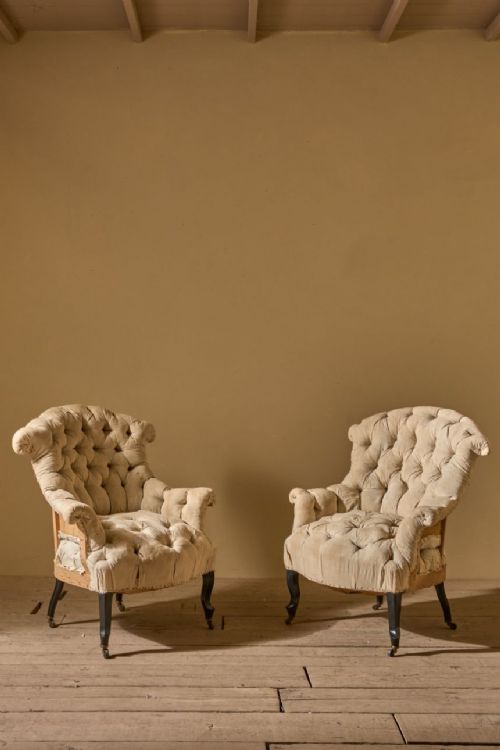
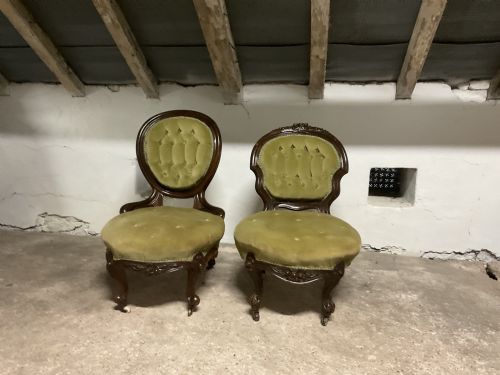
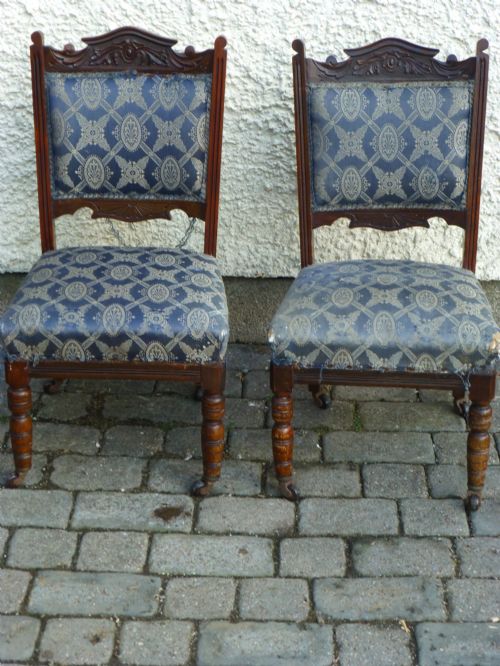
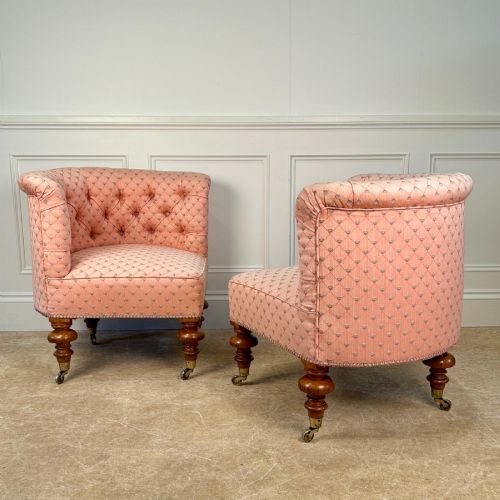
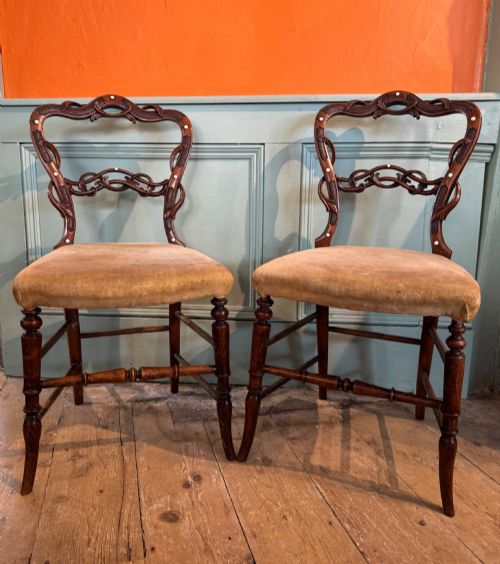
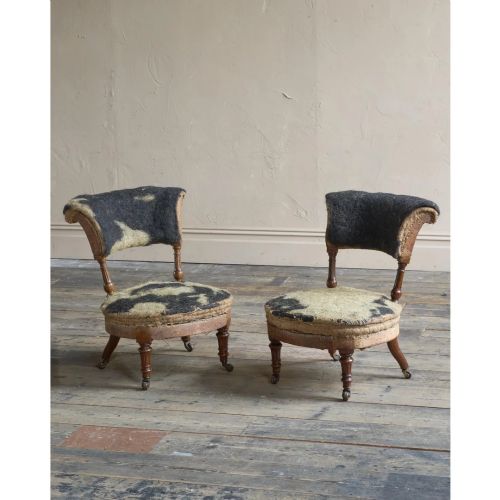
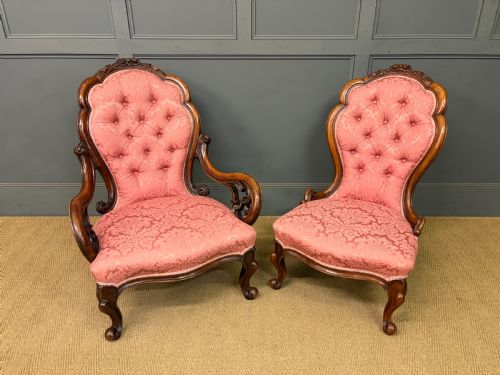
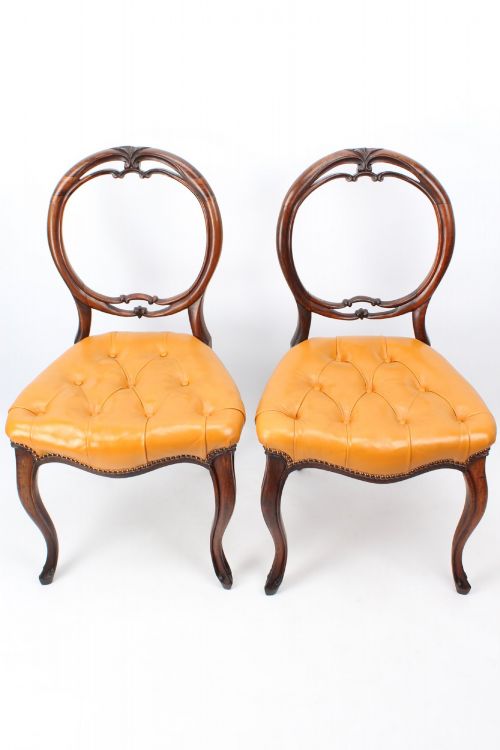
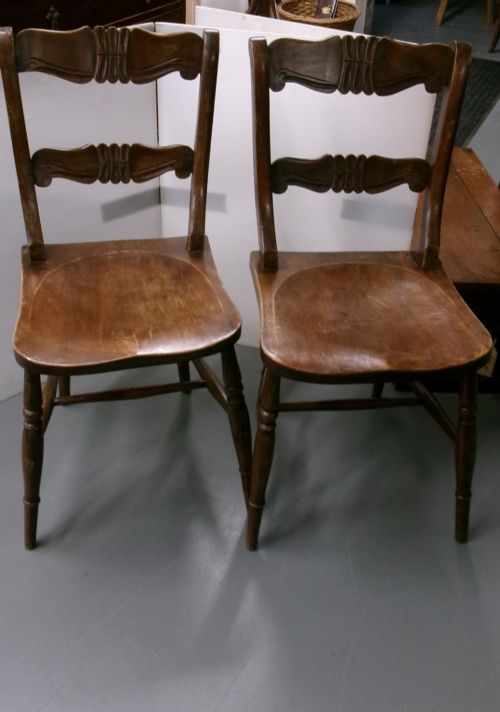
A victorian bedroom seating pair comprises matched chairs intended for private chambers, encompassing low nursing chairs, compact side chairs, and occasional seating. These pieces often emerge in walnut, mahogany, and rosewood, reflecting the domestic tastes of the nineteenth century.
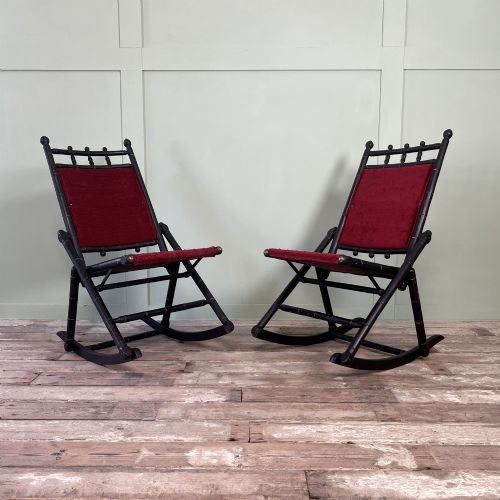
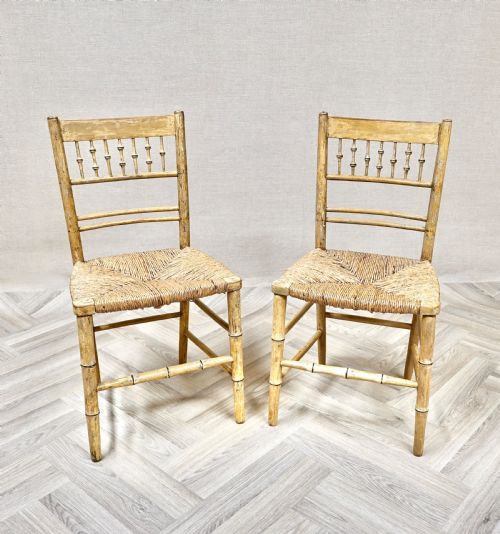
Buyers encounter distinct regional and stylistic variations, from French influence and Aesthetic Movement bamboo to robust Victorian walnut and mahogany framing. Each pair demonstrates the era's dedication to functional bedroom furniture with decorative carved backs.
Materials and construction methods
Cabinetmakers built these frames from dense hardwoods including walnut, mahogany, rosewood, and oak, often employing ebonising or painted finishes. Scroll carved backs and turned supports demonstrate the joinery skills applied to nineteenth-century domestic seating.
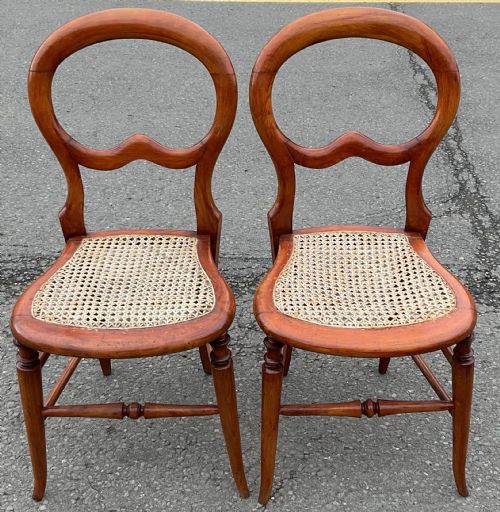
Upholstery formed a central part of construction, utilising buttoned fabric, velvet, and cane seating supported by internal webbing and springs. Brass castors frequently appeared on chair legs to protect carpets and allow easy movement across the room.
Several pairs include original brass castors designed to save nineteenth-century carpet piles from heavy Victorian furniture.
Assessing quality in period pairs
Quality rests in the crispness of the timber carving and the structural integrity of the frame joints. Superior examples display deeply figured walnut or rosewood with hand-carved scrollwork rather than simpler applied ornamentation.
The condition of the timber and the authenticity of the frame construction distinguish finer pairs from standard utility pieces. Matching grain patterns and uniform wear across both chairs indicate a true pair made together in the workshop.
Howard and Sons·Bruce J. Talbert·James Shoolbred
The Victorian Bedroom Seating Pair Glossary
- Nursing chair
- A low-seated chair designed originally for infant care or comfortable dressing in nineteenth-century bedrooms. These seats sit closer to the floor than standard dining chairs.
- Balloon back
- A chair back shaped in a continuous oval curve resembling an inflated balloon. This stylistic form dominated mid-nineteenth-century domestic seating.
- Aesthetic Movement
- A late nineteenth-century design style emphasising simplicity, artistic reform, and Japanese influence. Pieces from this movement often utilise bamboo or ebonised wood.
- Scumble paint
- A decorative surface finish applied to imitate the grain of more expensive timber. Artisans dragged combs or brushes through wet glaze over a lighter base coat.
Victorian Bedroom Seating Pair: Frequently Asked Questions
Where should I place a victorian bedroom seating pair?
These matched chairs suit domestic spaces such as dressing rooms, bedrooms, or quiet reading corners where paired seating functions well.
Their compact proportions and decorative carved backs allow them to complement existing period furniture without dominating the room.
How do I identify a true pair?
Examine the timber grain, carving details, and frame dimensions to confirm the two pieces originated from the same workshop batch.
True pairs exhibit identical construction methods, matching wear patterns, and corresponding proportions across both frames.
Were these chairs used only in bedrooms?
While many served in private chambers for dressing or nursing, nineteenth-century households placed similar side chairs in halls and parlours.
Lower seat heights often distinguished bedroom furniture, making them comfortable for personal use rather than formal dining.
How do I care for antique upholstery?
Protect delicate fabrics like velvet and silk from direct sunlight to prevent fading and preserve the textile fibres.
Vacuum gently using a soft brush attachment and consult specialist restorers for any structural upholstery repairs.