



Brown Low Accent Chair
These brown low accent chair options bring compact seating and period character to a room, offering low profiles suited to bedrooms, parlours and firesides.
Brown Low Accent Chair
When you search for a brown low accent chair, you encounter a varied selection of antique seating designed with a reduced seat height. The pieces span the nineteenth century, the Victorian era, the Edwardian period and the 1930s, taking forms such as nursing chairs, slipper chairs, gossip chairs and low Windsor armchairs.
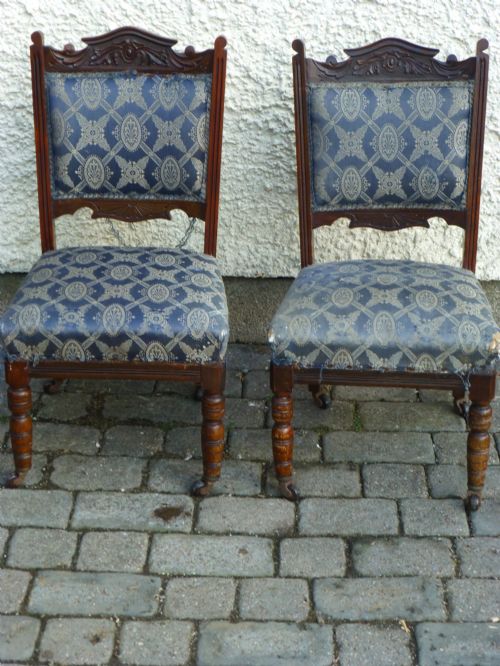
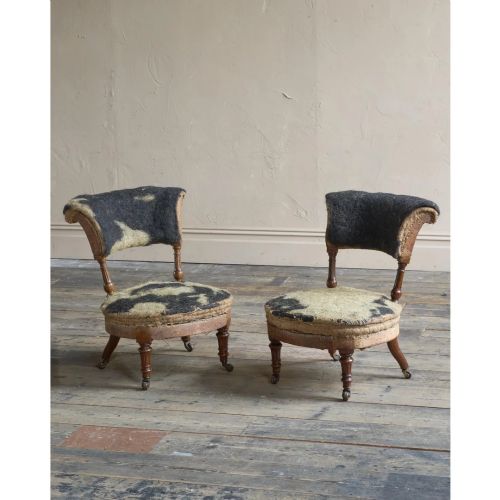
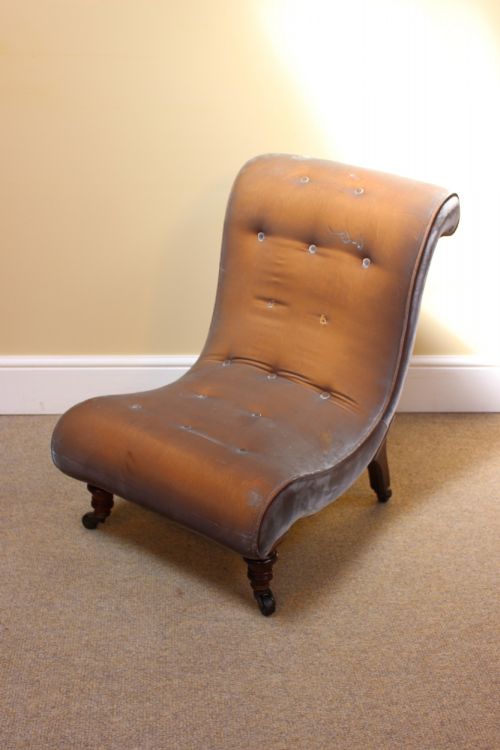
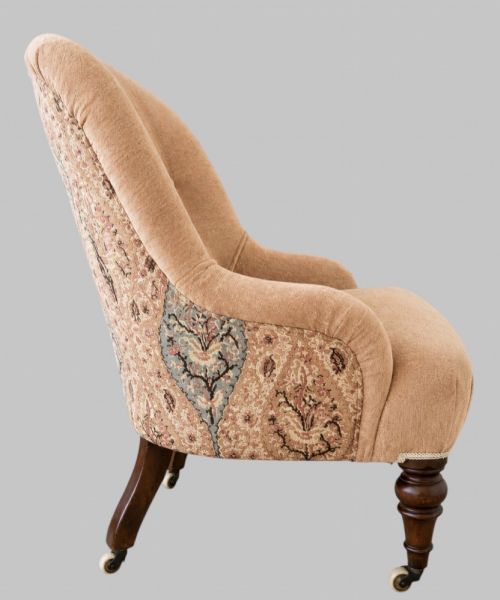
The version you are most likely to meet on this page is a Victorian walnut or mahogany nursing chair, often upholstered in fabric, velvet or textile. These low seats serve well as bedroom chairs, salon chairs or occasional seating in a reception room.
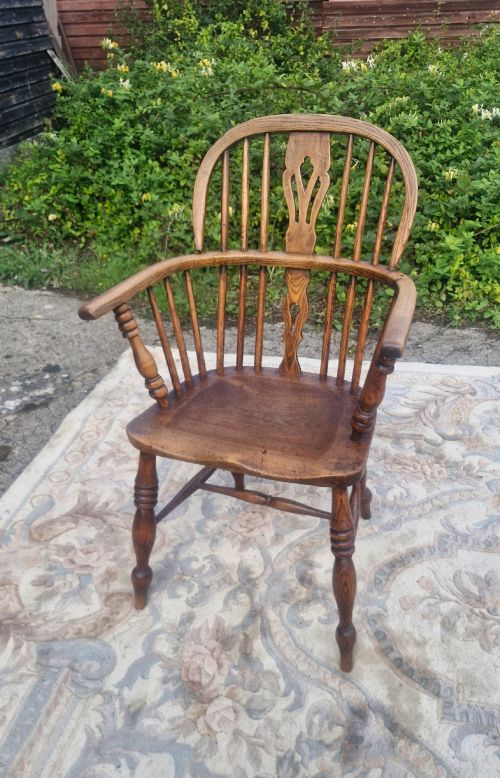
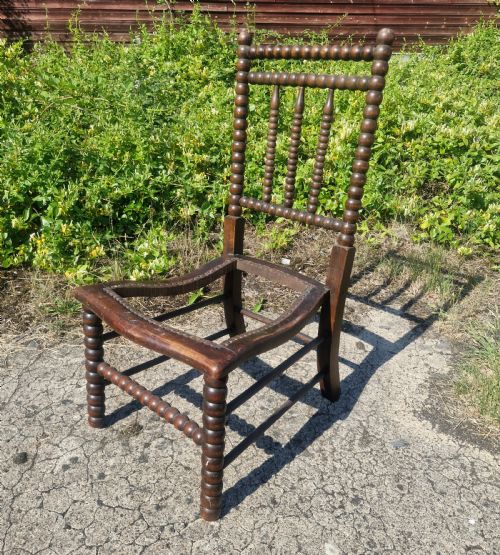
Other variations include ash and elm low back Windsor chairs, inlaid mahogany salon chairs and bobbin-framed bedroom chairs. Woods such as oak, yew, burr walnut and rosewood appear alongside exotic options like Indian hardwood.
How they were made
Cabinetmakers and joiners constructed the frames of these low chairs using traditional hardwoods like mahogany, walnut, oak, ash, elm and yew. Turned elements, bobbin framing, brass accents and carved details reflect the stylistic preferences of periods ranging from the Georgian era through to Art Nouveau and Art Deco.
Upholstery forms a major part of these pieces, utilising fabrics, velvet, leather, rush and specialised textiles such as Robert Kime Avebury fabric. Many chairs retain or have been updated with traditional stuffing and springing techniques suited to low seat furniture.
Materials across these listings span mahogany, brass, oak, fabric, walnut, velvet, elm and textile.
What varies in quality
The standard of timber selection and cabinetmaking distinguishes the finer examples from simpler vernacular work. Figured veneers, burr walnut, intricate turnings and carved mahogany demonstrate superior craftsmanship compared to plain utility frames.
The integrity of the frame construction and the quality of the upholstery materials determine the lasting appeal of each chair. Original frames that retain their structural firmness and appropriate upholstery support command greater appreciation among collectors.
Liberty Morris And Co·Wheeler Of Arncroach·Rockley Maker
The Brown Low Accent Chair Glossary
- Nursing chair
- A low-seated chair traditionally designed in the Victorian period to allow a woman to nurse a child with ease. These chairs often feature a low profile and upholstered back.
- Slipper chair
- An upholstered chair with a low seat, originally used in a bedroom or dressing room for putting on shoes. They lack arms to allow voluminous garments to drape over the sides.
- Windsor chair
- A wooden chair construction where the legs and back spindles are fitted directly into a solid sculpted seat. Versions in this collection include low back ash, elm and yew variants.
- Gossip chair
- A small low chair designed for intimate conversation, telephone use or resting in a hallway or bedroom. They often date from the Edwardian period.
- Bobbin framing
- A method of turning woodwork on a lathe to resemble a string of bobbins or spools. This decorative framing appears on nineteenth-century bedroom and salon chairs.
Brown Low Accent Chair: Frequently Asked Questions
What is a brown low accent chair used for?
These low seats function primarily as accent furniture in bedrooms, dressing rooms, and smaller reception spaces. Their reduced height provides a comfortable, relaxed seating position away from standard dining or desk chairs.
Historically, many variations served specialised domestic purposes such as nursing infants or dressing. Today they add period character and functional seating to contemporary interiors.
How do I date a Victorian low chair?
Dating relies on examining the timber species, joinery methods, and upholstery style. Victorian examples frequently utilise walnut or mahogany alongside balloon backs or button-tufted upholstery.
Comparing the turned details and structural framing against documented examples from the mid to late nineteenth century helps narrow the decade of manufacture.
Are these chairs suitable for daily use?
Most antique low chairs can handle regular gentle use provided the wooden frame remains stable and sound. Checking the joints and undercarriage ensures the piece is structurally ready for a living space.
Many pieces require updated upholstery webbing or modern padding to offer daily comfort while preserving the original wooden framework.
What is the difference between a nursing chair and a slipper chair?
Nursing chairs typically feature padded upholstered backs and seats designed for prolonged sitting during childcare. They often incorporate elaborately carved or turned frames characteristic of the Victorian period.
Slipper chairs are generally simpler in form with low seats and no arms, specifically designed for placement in bedrooms and dressing areas.