
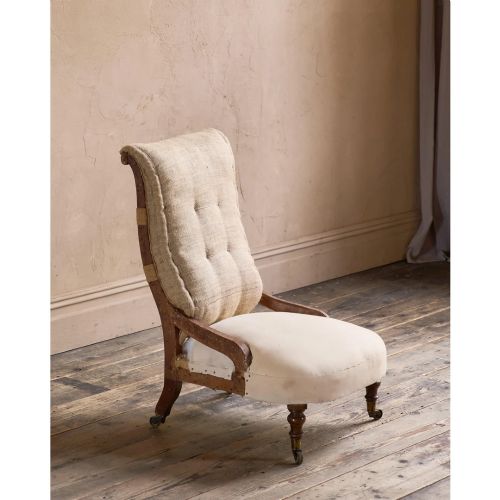
Antique Low Slipper Chair
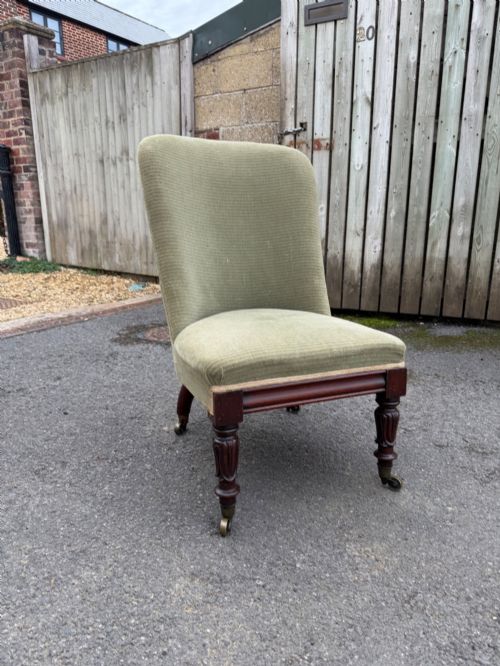
An antique low slipper chair offers low-slung seating designed for comfort near the fire, combining period woodwork with generous upholstery.
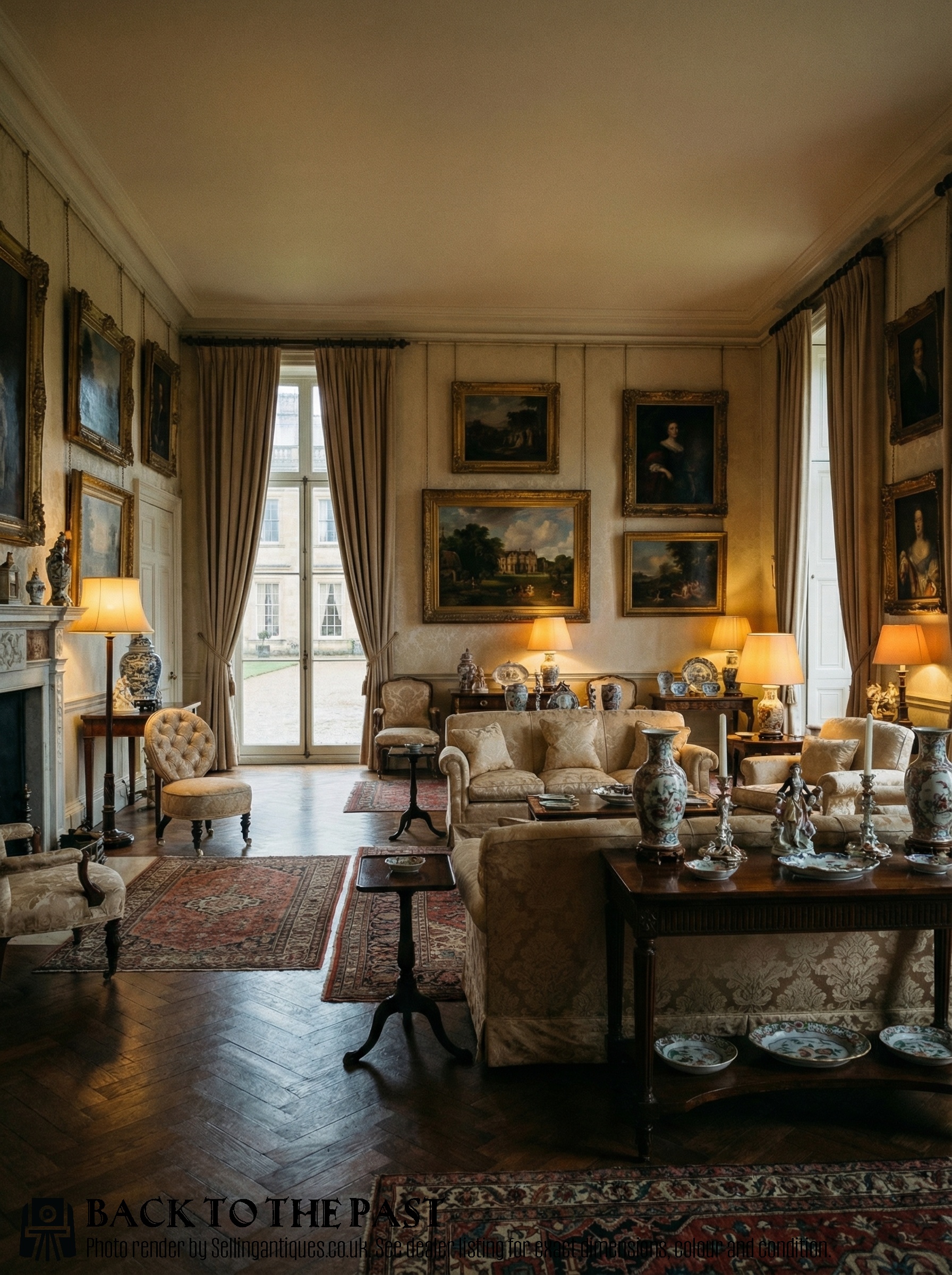
Antique Low Slipper Chair
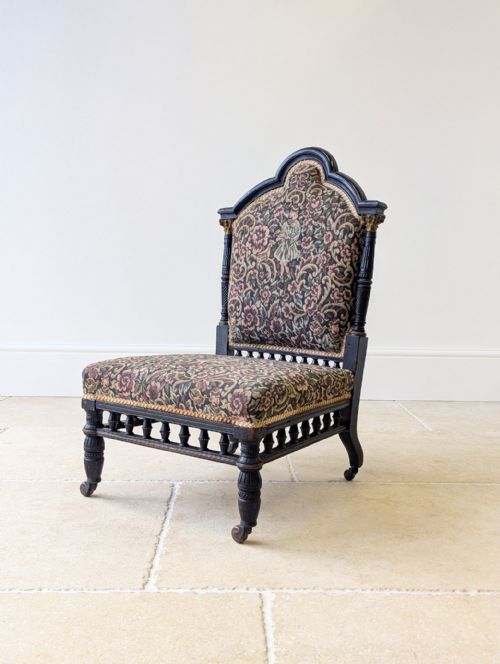
When you search for an antique low slipper chair, you encounter compact, low-to-the-ground seating designed primarily for bedrooms and dressing rooms during the nineteenth century. These low-profile forms allow users to sit comfortably while dressing or donning footwear, appearing across Victorian, Edwardian, and Georgian periods.
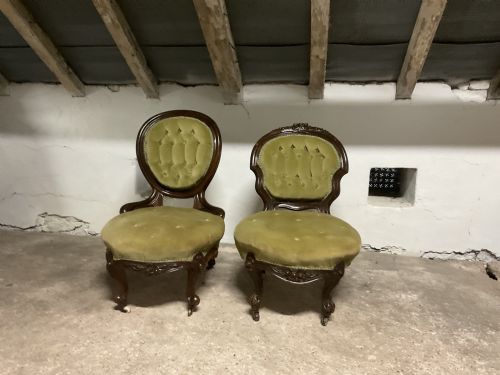
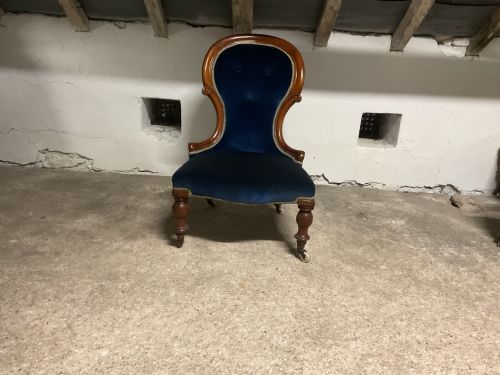
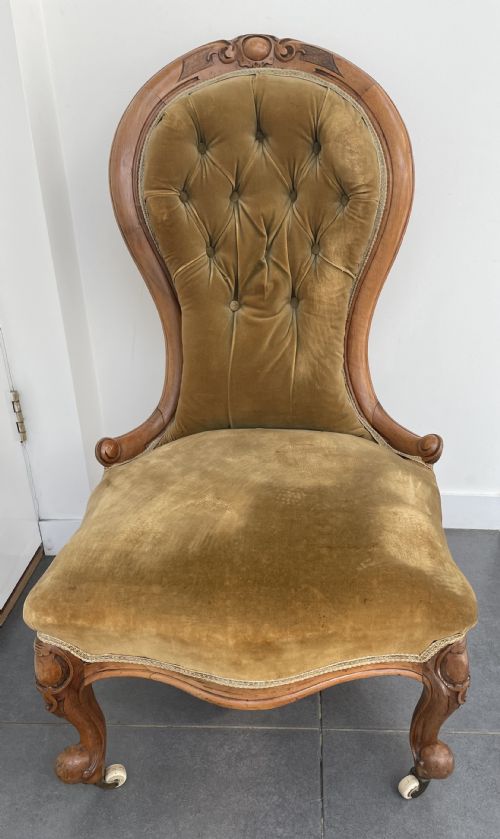
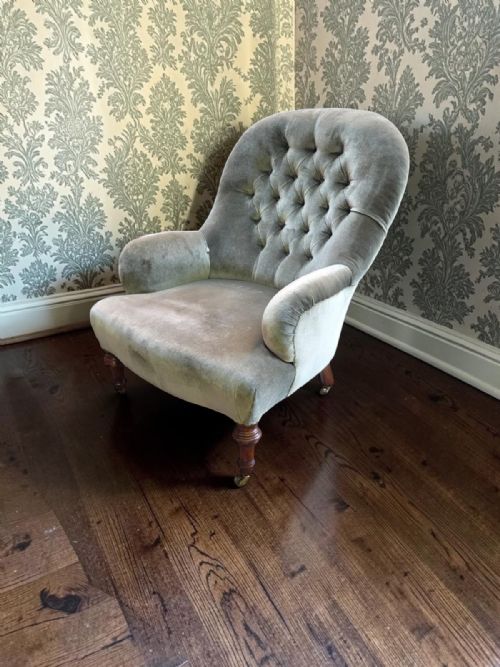
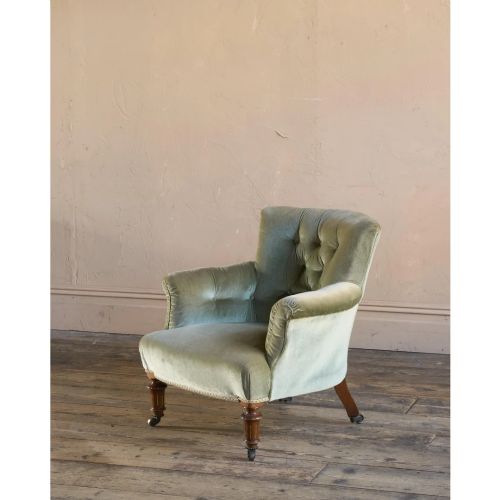
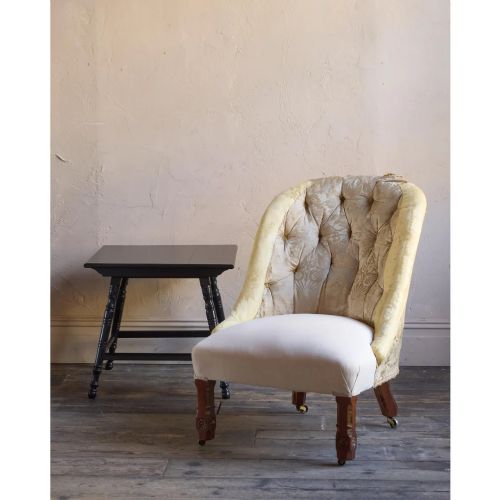
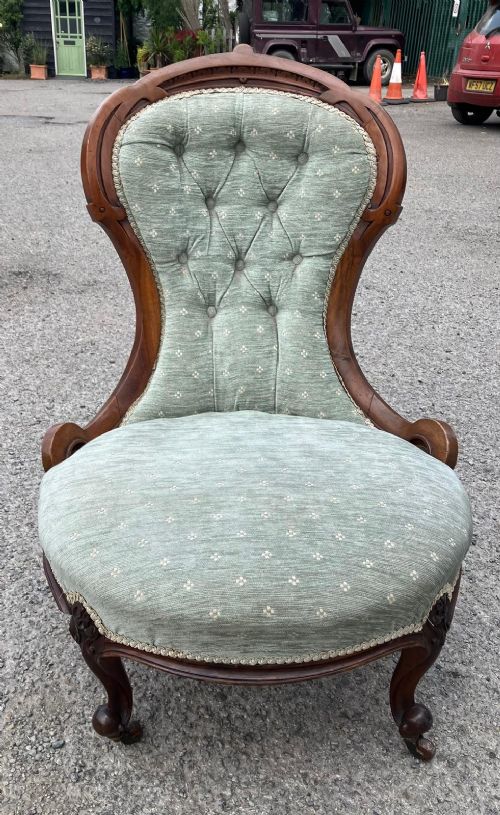
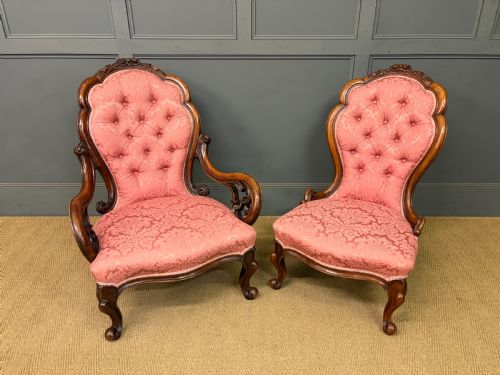
The pieces listed here span various closely related names, including nursing chairs, bedroom chairs, and occasional chairs, alongside French styles and George IV or William IV examples. Walnut, mahogany, and rosewood frames appear frequently, often paired with button-backed upholstery, velvet, tapestry fabric, or leather.
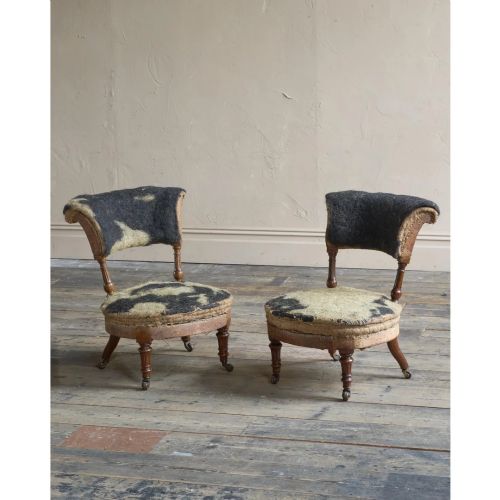
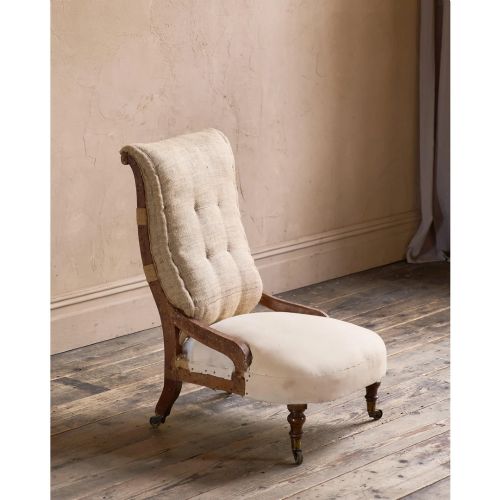
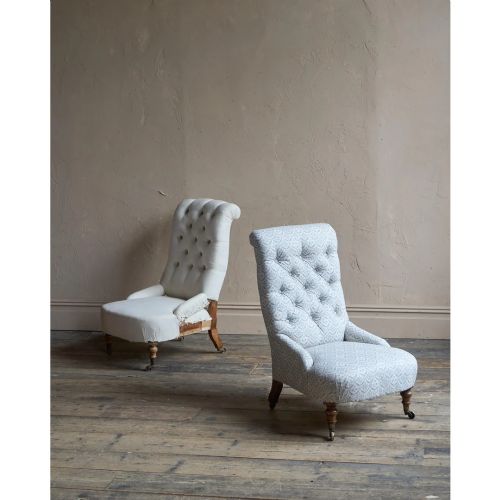
Many examples arrive ready for re-upholstery or recovering, retaining their original sprung or padded frames. Slipper chairs and nursing chairs share a remarkably low seat height, making them practical accent chairs for modern living spaces.
Materials and construction
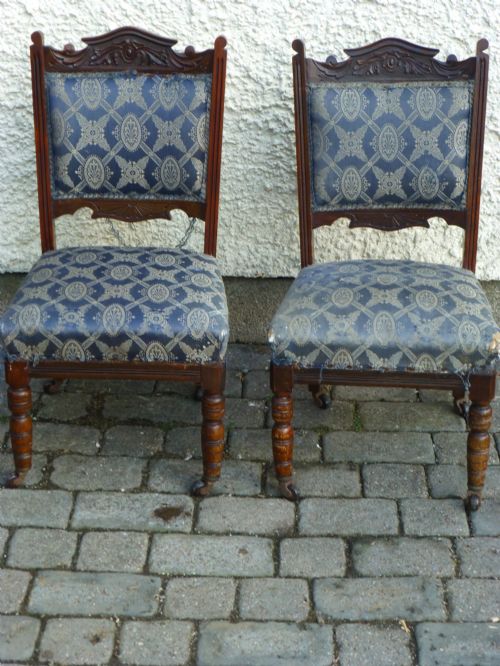
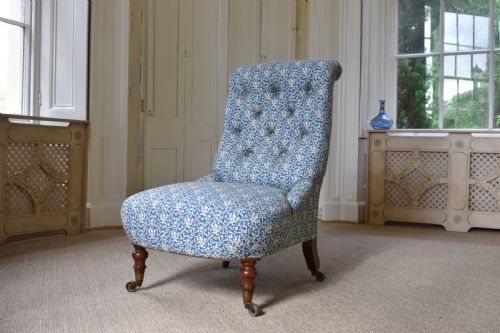
Makers utilised solid hardwoods such as walnut, mahogany, rosewood, and birds eye maple to construct the sturdy frames of these low chairs. Carved details, ebonised finishes, or giltwood appear on select frames, alongside turned wooden legs mounted with brass castors.
Upholstery techniques involve deep button backs, scroll backs, and iron-back frames covered in tactile fabrics like velvet, silk, or tapestry. Traditional stuffing supports the low seat, finished occasionally with decorative fringe trim.
Some chairs sport cheeky fringes that sweep the floor, hiding their brass castors entirely.
Evaluating craftsmanship and proportion
Quality reveals itself in the sculptural integrity of the timber frame, from crisp hand-carving on walnut and mahogany to the weight and balance of the low stance. Better examples display refined turnings, superior joinery, and maker stamps that denote workshop distinction.
The treatment of the sprung foundation and the proportion of the low seat relative to the backrest separate standard production from exceptional pieces. Original show wood and untouched frames command higher regard among collectors.
Howard and Sons·Gillows
The Antique Low Slipper Chair Glossary
- Slipper chair
- A low-seated upholstered chair designed originally for a bedroom or dressing room without restrictive arms. Its minimal height facilitates ease when putting on shoes.
- Nursing chair
- A low chair with an upholstered seat and back designed to assist mothers with infant feeding. These chairs share many formal traits with slipper chairs.
- Button back
- An upholstery style where depressions are formed in the padding by stitching buttons tightly through to the frame. This secures the internal stuffing and creates a diamond pattern.
- Giltwood
- Timber treated with a thin layer of gold leaf or gold paint. This finish appears on select ornamental frames.
Antique Low Slipper Chair: Frequently Asked Questions
What is an antique low slipper chair used for today?
These low seats function well as accent chairs in bedrooms, dressing rooms, or smaller living spaces. Their compact height makes them useful for casual seating without dominating a room.
They pair easily with modern furniture while introducing nineteenth-century character through exposed wood frames and textured upholstery.
How do I distinguish a slipper chair from a nursing chair?
Slipper chairs and nursing chairs overlap significantly in form, both featuring low seats designed for dressing rooms. Historically, nursing chairs often provided a slightly wider seat and low arms or no arms to accommodate voluminous Victorian skirts.
Slipper chairs lean towards armless, highly compact profiles intended for ease of movement. On the market, these terms frequently describe very similar nineteenth-century low seating.
Can I reupholster an antique low chair?
Many nineteenth-century low chairs arrive ready for recovering, offering an opportunity to select new fabric. Traditional frames accommodate modern textiles like velvet, wool, or printed cotton.
Retaining the original sprung interior preserves the historical integrity of the piece while updating its appearance for contemporary interiors.
How do I date a Victorian slipper chair?
Dating relies on stylistic clues, frame materials, and upholstery methods characteristic of specific decades. Mid-nineteenth-century examples often utilise walnut or rosewood with elaborate scroll backs, while later Victorian pieces may show ebonised Aesthetic Movement influences.
Maker stamps or labels provide the most reliable chronological markers when present on the timber frame.