


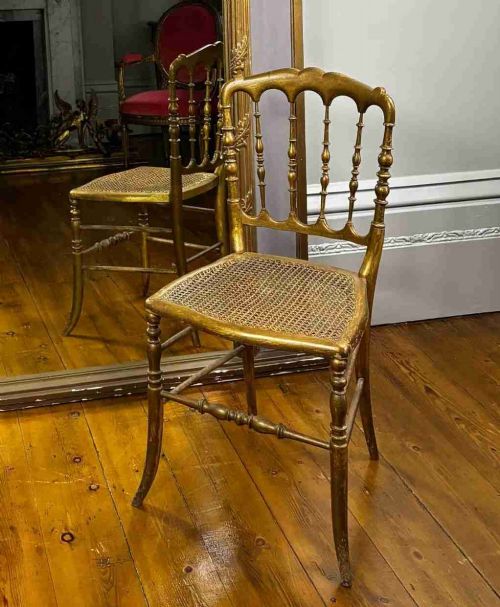
Victorian Bedroom Accent Chair
A victorian bedroom accent chair brings low seating and nineteenth-century character to a corner, spanning styles from rococo revival to aesthetic movement.
Victorian Bedroom Accent Chair
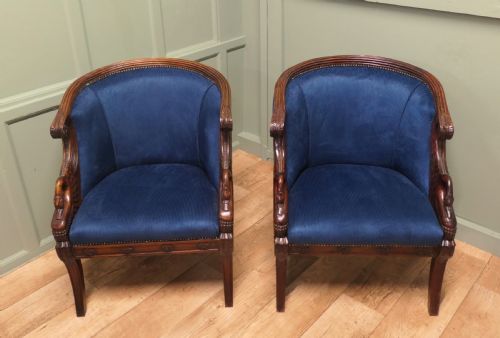
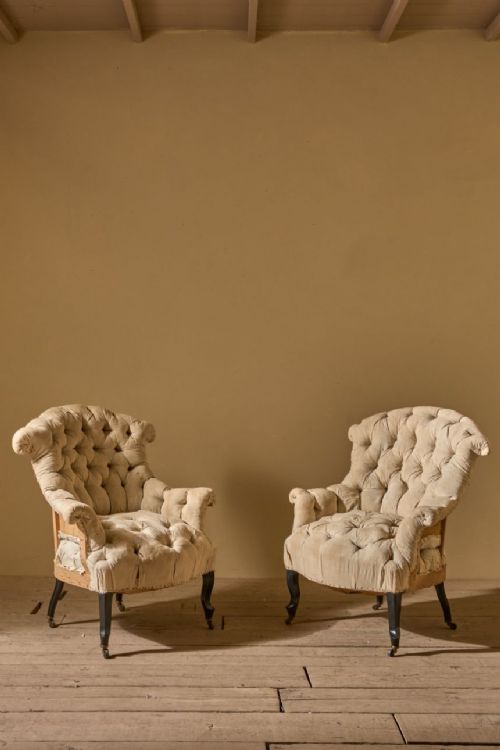
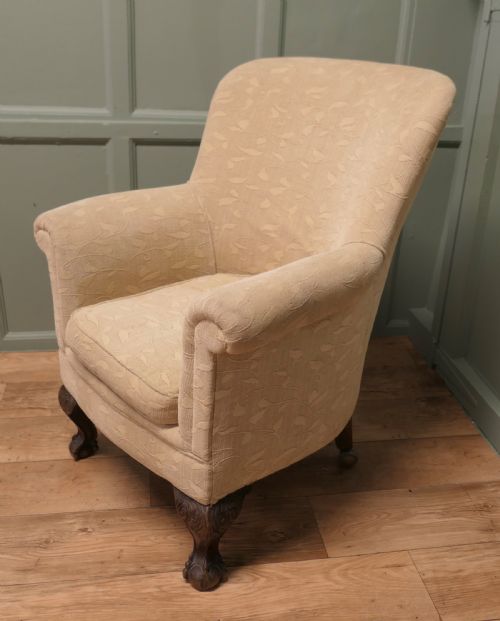
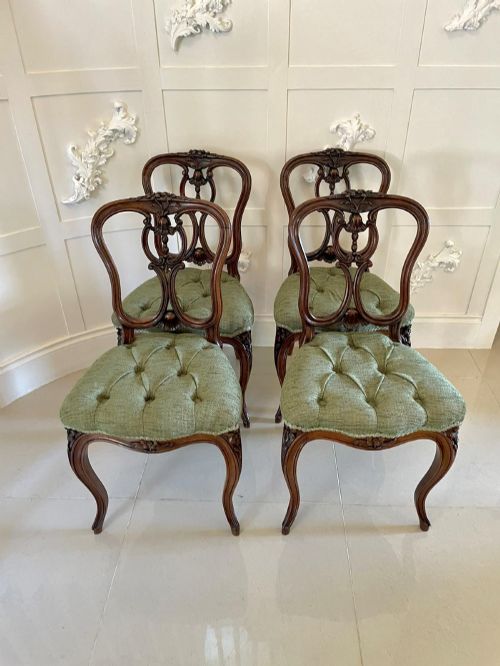
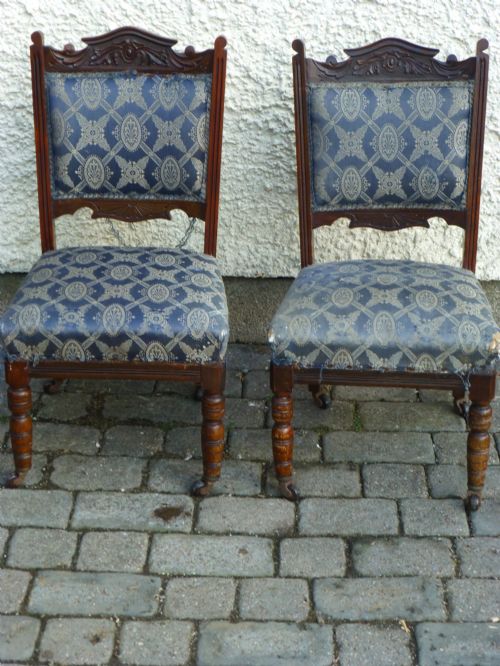
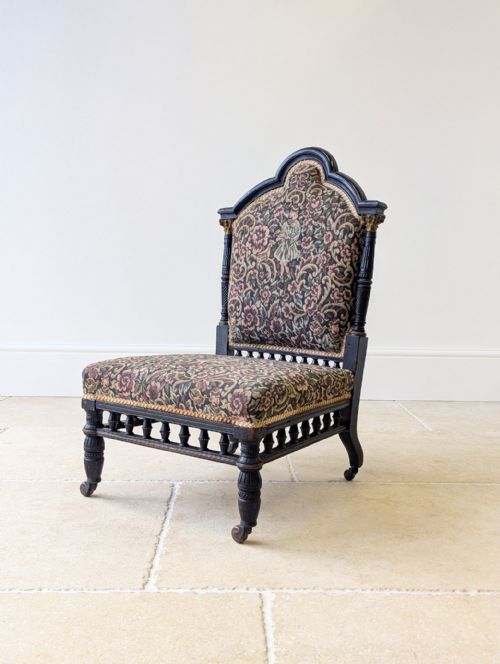
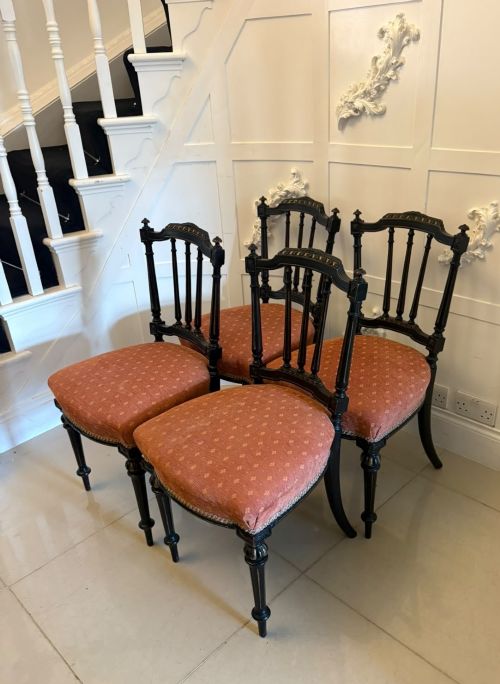
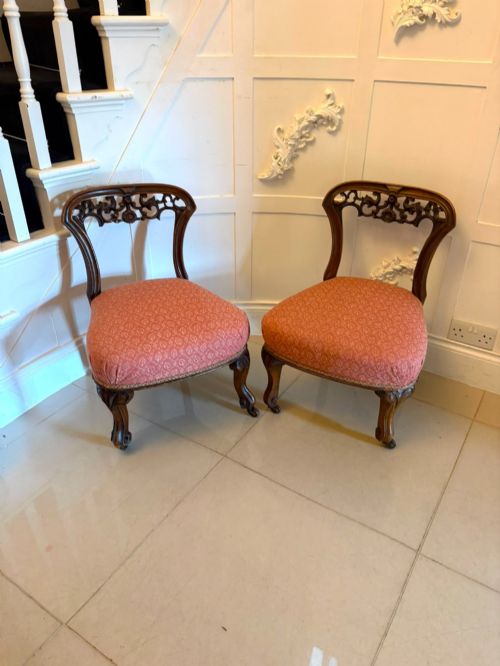
A victorian bedroom accent chair encompasses low forms designed for nineteenth-century chambers, boudoirs and dressing rooms. The listings show diverse interpretations spanning side chairs, nursing chairs, slipper chairs, salon chairs and armchairs.
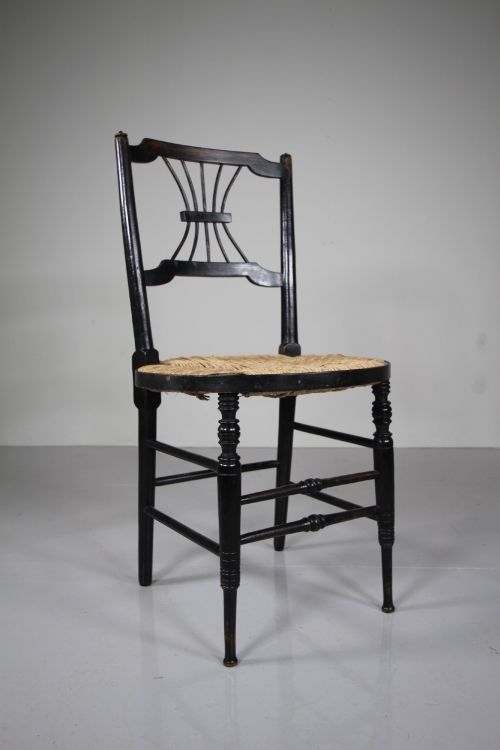
The most common examples on this page date from the nineteenth century, including specific decades such as 1850, 1860, 1870, 1880 and 1890, alongside related Edwardian pieces. These items appear in walnut, mahogany, rosewood, oak and ebonised wood.
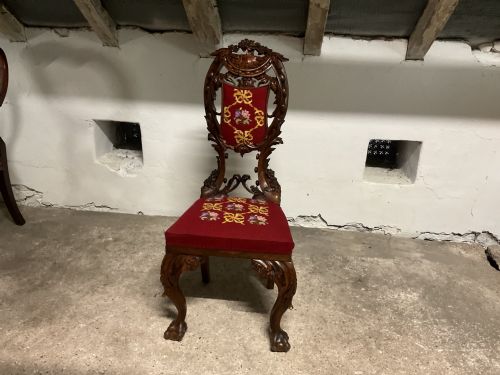
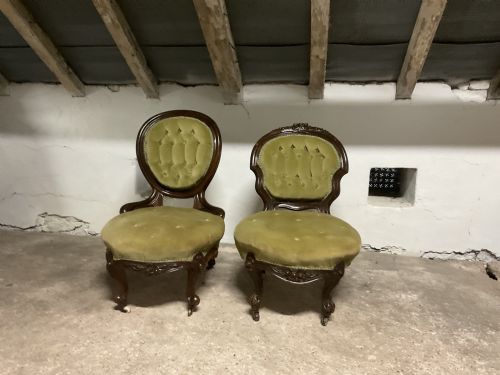
Makers and styles represented range from Victorian rococo revival, french napoleon iii and aesthetic movement to arts and crafts, neoclassical and chinoiserie. Many pieces feature upholstered seats in velvet, tapestry fabric and general upholstery cloth, while others offer caned seating or bare wood for re-upholstery.
Materials and construction
Makers utilised solid timbers including walnut, mahogany, rosewood, oak and maple to build the frames of these chairs. Structural embellishments frequently incorporate brass, giltwood, mother of pearl inlay and ebonisation.
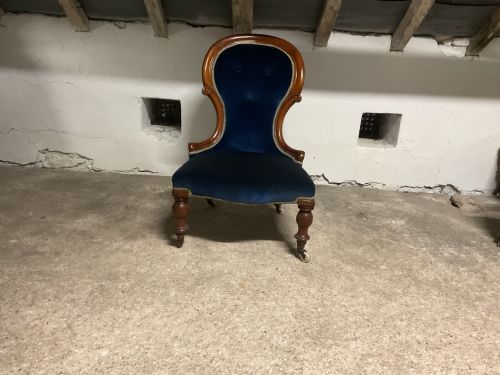
Surface details involve carved scroll backs, bobbin framing, button backs and intricate gilt or lacquered chinoiserie finishes. Cabriole legs and low profiles define the silhouette of many bedroom and nursing chairs.
Listings feature 19th century and Edwardian periods, utilising walnut, mahogany, rosewood, oak, brass and velvet.
Judging the work
The degree of refinement in the timber carving and the crispness of details like scroll work and mother of pearl inlay separate standard items from superior examples. Walnut and rosewood frames with deeply figured grains or sophisticated ebonised and gilt finishes demonstrate higher craftsmanship.
The integrity of the original frame construction, whether joined in mahogany, walnut or oak, dictates structural longevity. Pieces retaining their original configuration alongside quality upholstery fabrics represent the upper tier of surviving examples.
William Morris·Howard and Sons
The Victorian Bedroom Accent Chair Glossary
- Nursing chair
- A low-seated chair historically designed for comfortable feeding or nursing infants. These pieces often feature low frames and upholstered backs.
- Slipper chair
- An upholstered chair with very short legs designed for bedrooms and dressing rooms. They allow a person to sit low while putting on footwear.
- Ebonised
- Wood treated with a dark stain or finish to imitate ebony. This technique was popular in nineteenth-century aesthetic movement and Victorian furniture.
- Fauteuil
- An open-armed upholstered armchair with an exposed wooden frame. These French-inspired salon pieces appear frequently in nineteenth-century interiors.
- Cabriole leg
- A furniture leg that curves out and then tapers inward. It typically ends in a plain foot and draws inspiration from animal limbs.
- Bobbin framing
- Furniture turned on a lathe to resemble a string of bobbins or spools. This decorative woodworking technique appears on nineteenth-century frames.
Victorian Bedroom Accent Chair: Frequently Asked Questions
What is a victorian bedroom accent chair?
A victorian bedroom accent chair is a small nineteenth-century seat designed for private chambers and dressing rooms. These pieces include nursing chairs, slipper chairs and low salon chairs.
They combine decorative woodwork like walnut and mahogany with low proportions intended for bedroom use.
How were these chairs used?
These chairs served functional roles in nineteenth-century domestic spaces, from sitting while dressing to nursing infants. Their low seats made them practical for domestic tasks in bedrooms and boudoirs.
Over time, their decorative qualities shifted them towards accent furniture used to fill corners or complete interior styling.
How do I style one today?
You can place a victorian bedroom accent chair in a corner, beside a dressing table or paired with a small side table. Their modest scale allows them to fit into bedrooms and living spaces without overwhelming the room.
Mixing these nineteenth-century pieces with modern decor highlights their carved frames, button backs and diverse fabric upholstery.
How do I tell periods apart?
Distinguishing periods involves looking at timber choices, decorative motifs and structural forms. Earlier pieces from the 1850s and 1860s often feature carved walnut or rosewood with rococo revival curves.
Later nineteenth-century examples around 1880 and 1890 introduce ebonised finishes, aesthetic movement lines or mother of pearl inlay, while Edwardian pieces show lighter proportions.