


Victorian Barograph Glazed Case
These Victorian barograph glazed case instruments record atmospheric pressure continuously, bringing mechanical elegance and historical weather tracking into your home.
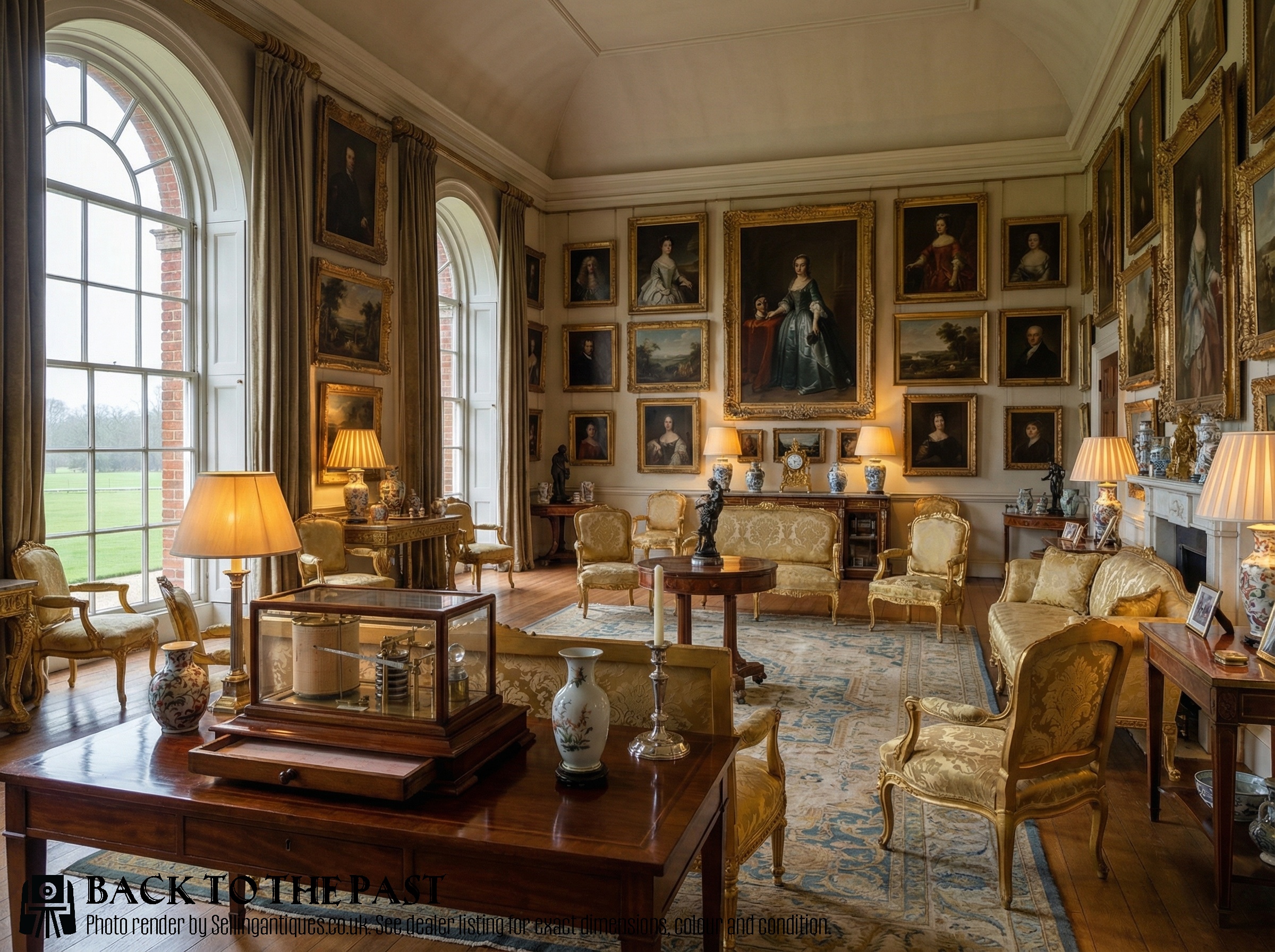
Victorian Barograph Glazed Case
A victorian barograph glazed case brings together precise scientific recording instruments and fine cabinet work, appearing across periods from the nineteenth century into the Edwardian era. You will most frequently encounter these instruments housed in polished timber boxes featuring glass panels that protect the sensitive mechanism while allowing a clear view of the rotating drum.
Makers housed these working mechanisms in various timbers including mahogany, oak, and walnut, frequently incorporating a small drawer underneath to store spare paper charts. The form ranges from standard library sizes down to miniature versions, alongside comprehensive weather station combinations that integrate traditional dial barometers and thermometers alongside the recording drum.
Materials and construction
Cabinet makers constructed the protective enclosures using solid and veneered hardwoods like mahogany, oak, and walnut, joining the timber corners securely before polishing the surfaces to a rich sheen. Glaziers fitted multiple bevelled or flat glass panes into the top and sides of the wooden frame, creating a dust-free vitrine that reveals the inner workings.
Instrument makers mounted brass and steel mechanical linkages onto heavy cast metal bases, attaching aneroid metal bellows that expand and contract with atmospheric changes. A delicate pen arm, supplied with ink from a small nib, traces continuous pressure variations onto ruled paper charts secured to a clockwork-driven drum.
The miniature version by Richard Freres packs a fully functioning weather-recording observatory into a surprisingly tiny wooden case.
Assessing quality and finish
Superior examples distinguish themselves through the quality of the cabinet timber, the crispness of the brass fittings, and the refinement of the maker's engraved signature plate. Better workshops employed heavier gauge brass for the mechanical arms and finer joinery for the timber housing, ensuring the instrument maintained both aesthetic presence and mechanical stability.
The sophistication of the internal movement separates standard recording barometers from exceptional pieces, particularly when examining the precision of the gear trains and the integrity of the aneroid stack. Miniature versions and signed pieces by renowned instrument makers demonstrate a higher degree of specialist manufacturing skill.
Negretti & Zambra·Short & Mason London·Robson of Newcastle·Richard Freres
The Victorian Barograph Glazed Case Glossary
- Barograph
- A self-recording barometer that plots atmospheric pressure onto a paper chart over a set period. This mechanical device translates barometric fluctuations into a permanent ink line.
- Aneroid
- Operating without liquid. These barometers use flexible metal chambers that respond to changes in air pressure.
- Vitrine
- A glass-fronted or glass-sided cabinet designed to display and protect delicate objects. In these instruments, the glazed case provides all-round visibility while keeping dust away from the movement.
- Chart drawer
- A shallow compartment built into the base of the instrument housing. It provides convenient storage for unused weekly or daily recording papers.
Victorian Barograph Glazed Case: Frequently Asked Questions
How do these instruments work?
A stack of metal vacuum chambers expands and contracts as atmospheric pressure rises and falls. This movement transfers through a series of brass levers to a pen arm that records the data onto a revolving drum.
The rotating drum contains a clockwork mechanism that turns the paper chart precisely once every week. This continuous mechanical tracing creates a historical graph of local weather patterns over time.
How should I place this in a room?
Position the instrument on a stable, level surface away from direct sunlight, central heating sources, and open windows. Temperature extremes and vibrations can interfere with the delicate mechanical balance of the movement.
Keep the glazed enclosure closed to protect the internal brass components and paper charts from dust and moisture. Regular placement on a sturdy sideboard or desk ensures the clockwork mechanism runs accurately.
How do I tell periods apart?
Nineteenth-century and Victorian examples often feature heavier mahogany timber frames and traditional brass carrying handles. Edwardian and later pieces from the early twentieth century frequently display lighter oak housings or more compact proportions.
Signed maker plaques and specific typographic styles on the paper charts or brass beds also help indicate the era of manufacture. Scientific instrument design evolved from robust utilitarian builds towards more refined, polished domestic pieces over this time span.
What is a weather station combination?
A weather station combines the recording barograph with other traditional meteorological instruments housed within the same timber cabinet. These frequently incorporate circular dial barometers, thermometers, and occasionally hygrometers alongside the main drum.
This multi-instrument arrangement allowed Victorian and Edwardian households to monitor current atmospheric conditions and historical trends simultaneously from one decorative desk or wall piece.