
Victorian Barley Twist Stand
These Victorian barley twist stands bring sculptural timber and turned columns to any room, offering practical display surfaces with distinct nineteenth-century character.
Victorian Barley Twist Stand
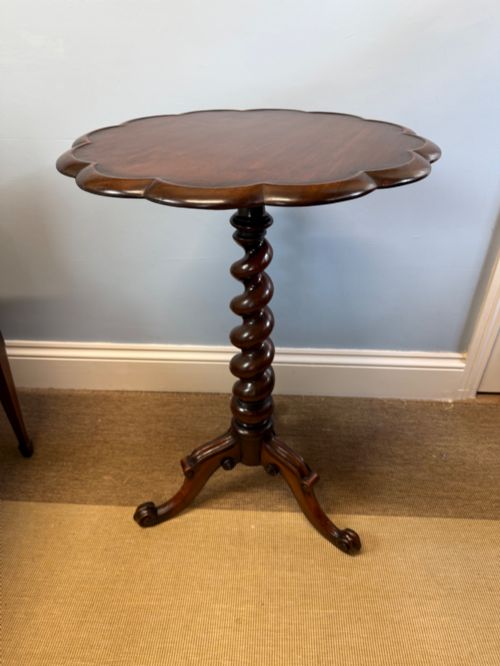
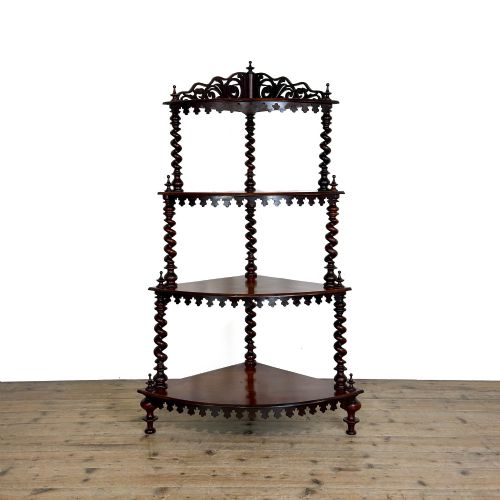
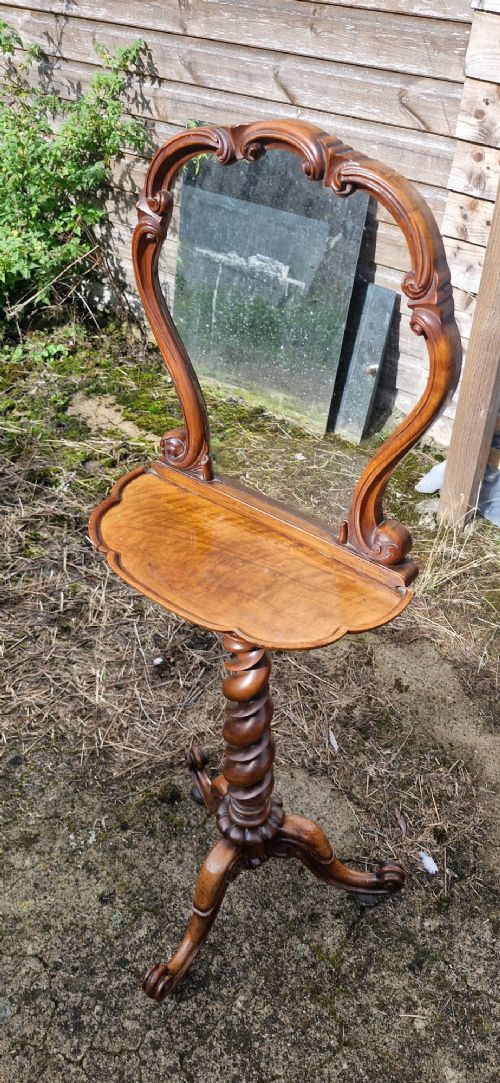
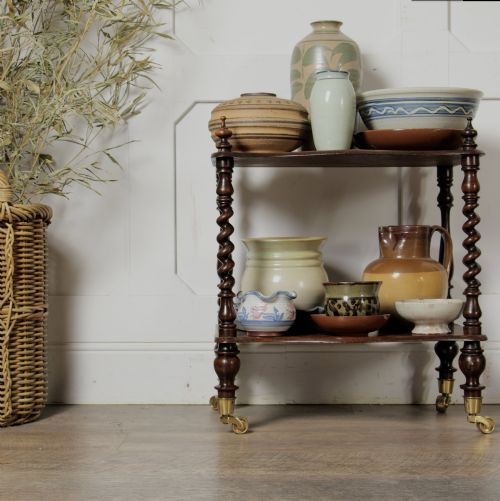
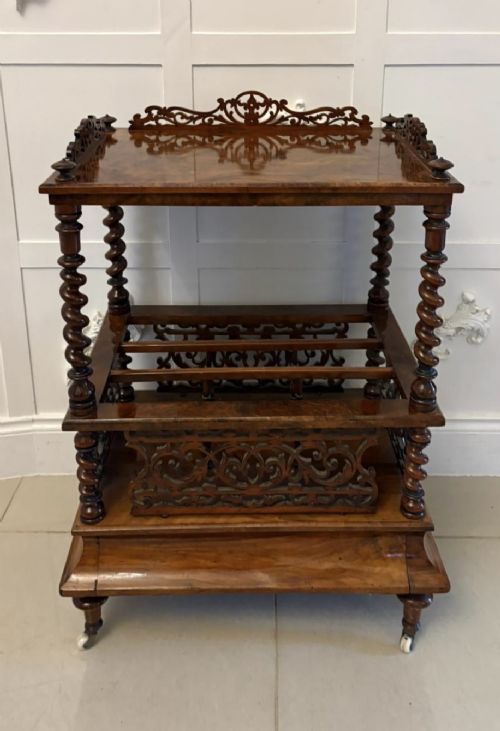
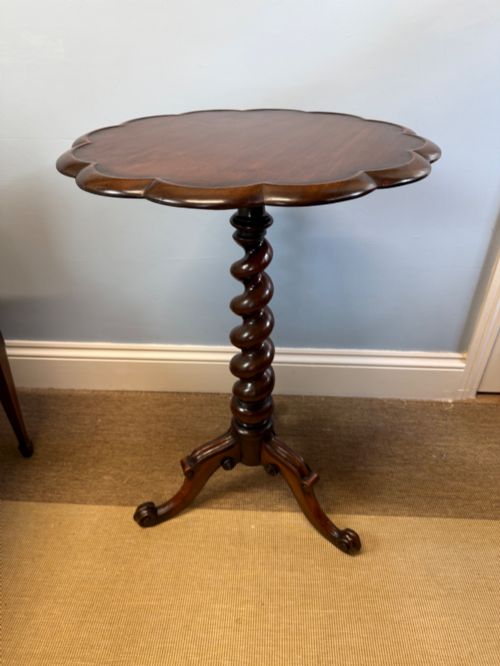
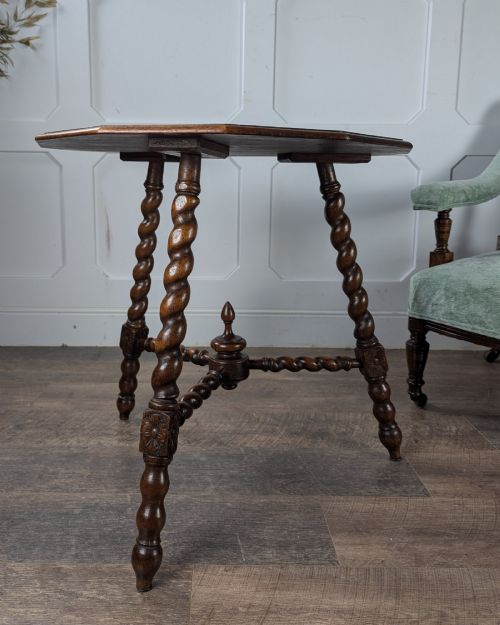
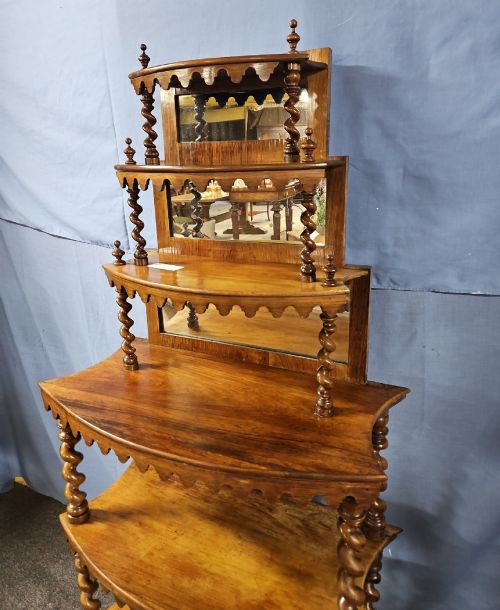
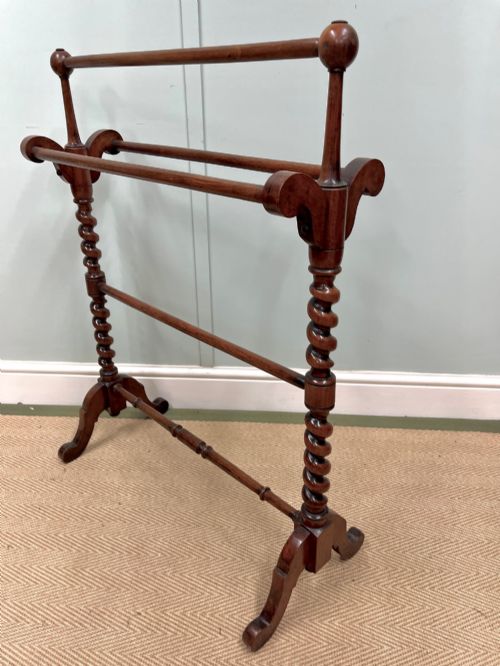
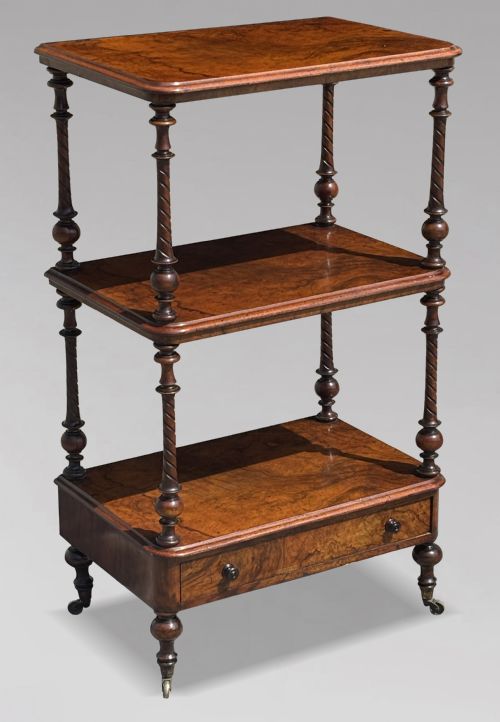
A victorian barley twist stand functions primarily as a display piece, taking the form of occasional tables, plant stands, torcheres, and multi-tiered whatnots. The twist itself defines the silhouette, winding vertically up structural supports with rhythmic precision.
Buyers meet varied iterations on this page, spanning compact pedestal lamp tables, corner display units, and umbrella stands. Oak and walnut dominate these forms, often bearing the rich grain and deep patination accumulated over generations of use.
How they were made
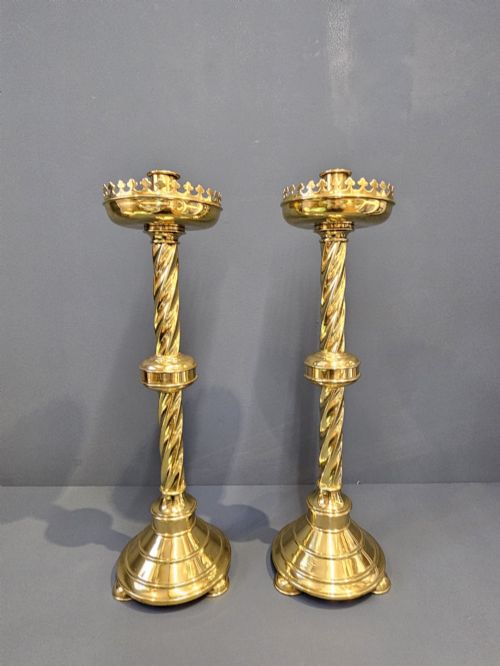
Cabinet makers utilised dense hardwoods such as mahogany, walnut, oak, and rosewood, turning timber on lathes to achieve the helical twist. Metal examples employ solid brass or cast iron, cast and shaped to mirror the organic movement of wood.
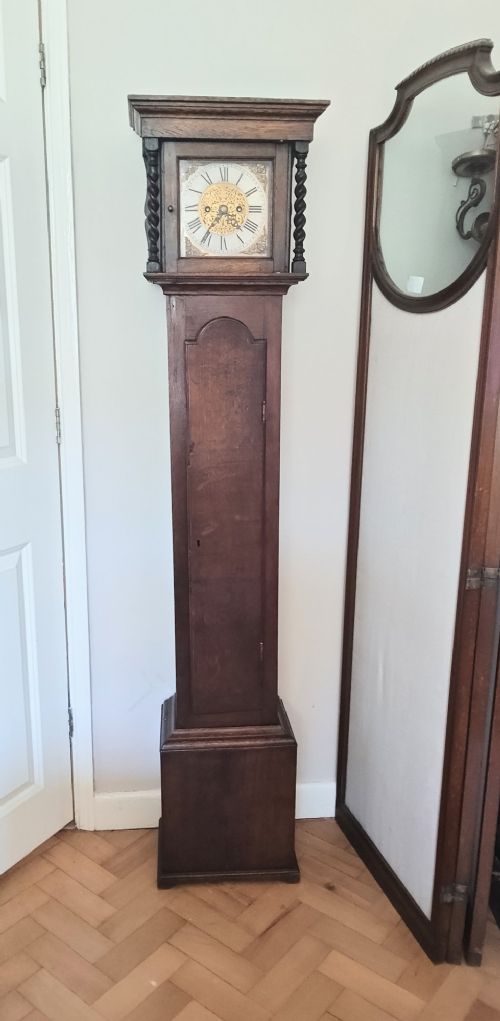
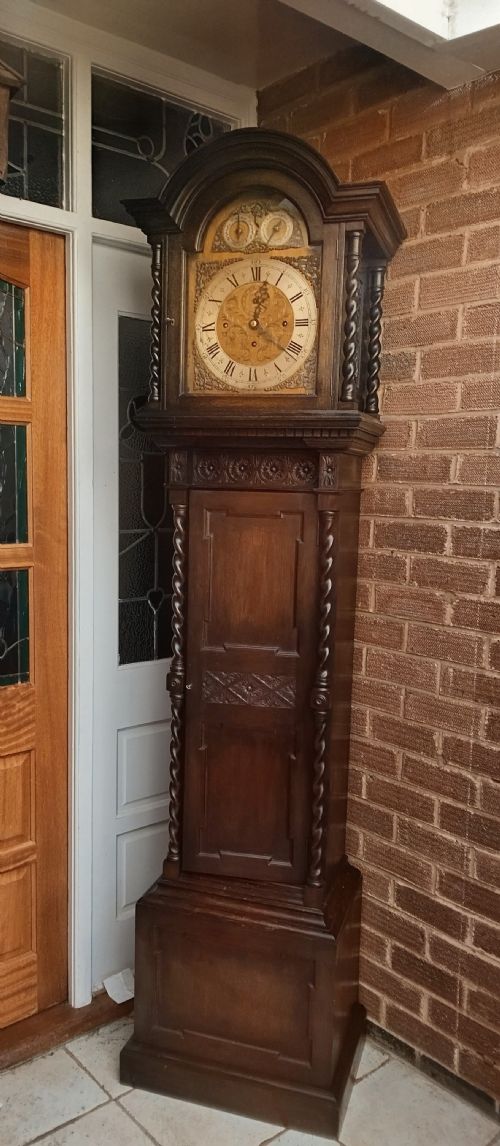
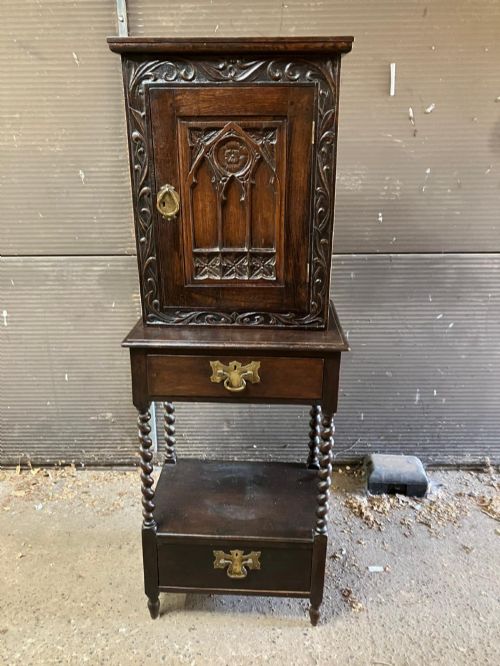
Construction relied on traditional joinery methods, fixing turned shafts firmly into circular bases or connecting multiple tiers with sturdy vertical columns. Carved details frequently accompany the twist, particularly on oak examples referencing earlier styles.
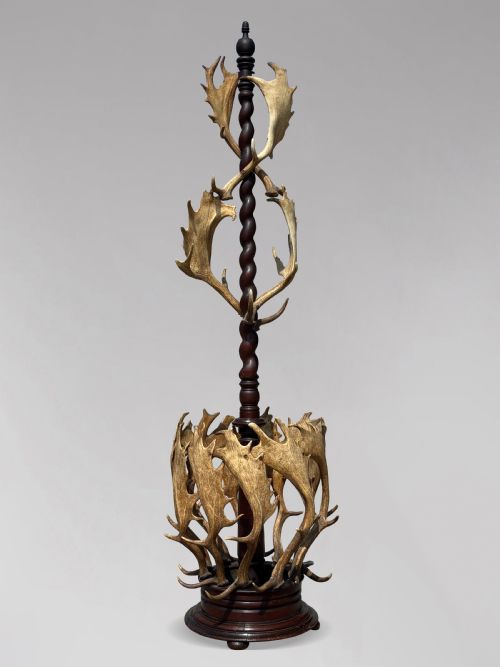
Antler coat stands occasionally join the timber lineup, proving Victorians loved turning anything into a vertical perch.
What varies in quality
Depth of carving and sharpness in the turned spirals separate standard utility pieces from finer examples. Superior specimens display crisp definition along the helical channels without sanding marks or softened edges.
Timber selection dictates the visual weight of the stand, with burr walnut veneers and figured mahogany representing the upper tier of nineteenth-century production. Structural integrity remains paramount, ensuring the tall, slender profile supports weight steadily.
J Parker of Woodstock
The Victorian Barley Twist Stand Glossary
- Barley twist
- A decorative turning technique producing a helical or spiral column resembling a stalk of barley. This profile gained immense popularity during the Victorian era across furniture and decorative objects.
- Whatnot
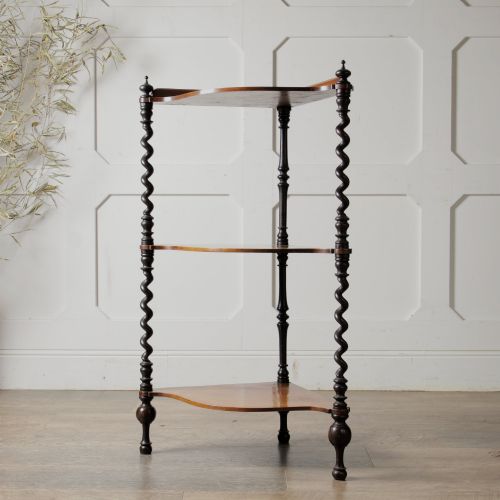
- A multi-tiered piece of freestanding furniture designed for displaying ornaments, books, or collections. These shelves often incorporate turned columns and delicate galleries.
- Torchiere
- A tall stand designed specifically to elevate a lamp, candle, or decorative bust. They frequently utilise slender barley twist shafts supported on tripod bases.
- Etagere
- A set of open shelves for display, similar to a whatnot, providing multiple tiers supported by vertical members. They appear frequently in rosewood and mahogany during the nineteenth century.
Victorian Barley Twist Stand: Frequently Asked Questions
What is a barley twist stand used for?
These stands provide elevated surfaces for lamps, plants, and decorative objects in living spaces and hallways.
Tall versions function well as torcheres, while multi-tiered models hold collections of smaller items.
How do I date a Victorian stand?
Dating relies on timber choice, construction methods, and prevailing design revivals recorded across the nineteenth century.
Solid oak and walnut examples from the mid to late Victorian period often display deep patination and hand-turned spirals.
Are these stands stable on carpets?
Tripod bases and heavy timber construction provide reliable balance on most level domestic floor surfaces.
Heavier wood and metal variants, such as brass candlesticks or cast iron umbrella stands, offer additional grounded support.
How do I care for antique wood?
Regular dusting with a dry cloth protects the polished surface from daily wear and abrasive particles.
Occasional application of appropriate wax maintains the natural moisture and rich grain of nineteenth-century timbers.