




Mid Victorian Occasional Table
A mid victorian occasional table brings versatile timber surfaces and period character into a modern room.
Mid Victorian Occasional Table
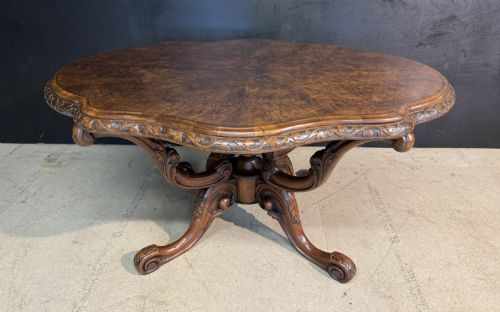
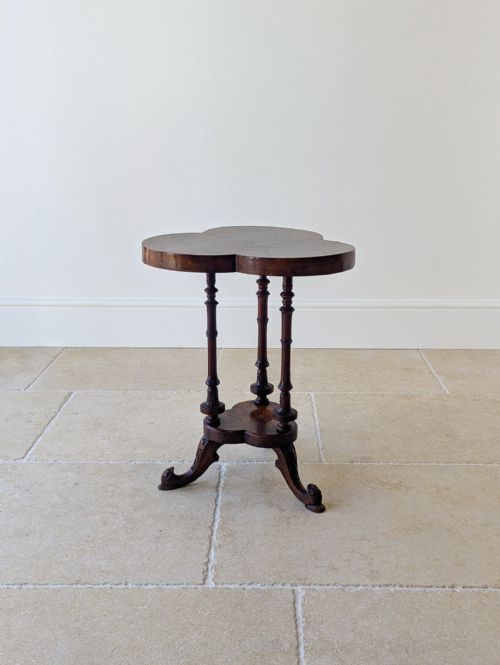
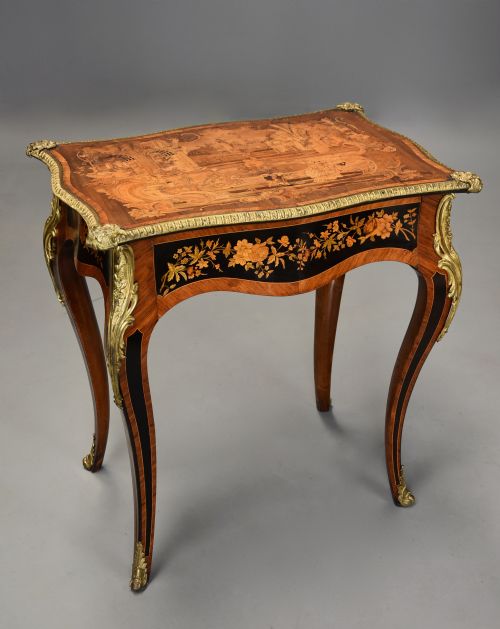
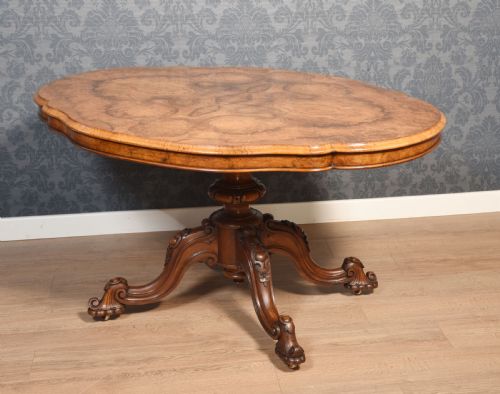
A mid victorian occasional table encompasses compact secondary surfaces designed for specific domestic tasks in the nineteenth century, including wine tables, lamp tables, and sewing work tables. These pieces frequently appear in walnut, burr walnut, and mahogany, reflecting the material preferences of the period.
Buyers encounter numerous variants ranging from simple circular tilt-top designs to elaborate pedestal bases with trefoil or cradle configurations. The selection also spans specialised forms like chess top tables, hexagonal specimen wood tables, and multi-tiered whatnots.
Origins stretch across English workshops alongside regional pieces such as Irish centre tables and Anglo-Indian productions from the Bombay region. These diverse formats served varying household functions in sitting rooms and libraries during the Victorian era.
Materials and construction methods
Cabinet makers utilised dense hardwoods such as mahogany, rosewood, and walnut as structural timbers, frequently applying figured burr walnut veneers to tabletops for visual depth. Marquetry inlay in contrasting satinwood, kingwood, and various specimen woods decorated finer surfaces.
Construction techniques included tilt-top mechanisms with brass catches, turned pedestals fixed to tripod or basket bases, and specialised internal compartments for sewing tables. Finishes relied on traditional polishing methods that highlighted the natural grain and colour of the timber.
Distinctions in quality
Quality differences emerge through the selection of timber veneers and the precision of decorative elements like marquetry inlay and specimen wood arrangements. Superior pieces exhibit intricate grain matching in burr walnut and refined turning on pedestal supports.
Construction integrity separates standard utility items from exhibition quality specimens, visible in the stability of tilt-top mechanisms, joinery on sewing table compartments, and the overall harmony of proportion.
The Mid Victorian Occasional Table Glossary
- Tilt-top table
- A table with a hinged top that rotates to a vertical position when not in use. This mechanism allowed the furniture to be stored flat against a wall.
- Burr walnut
- Timber taken from a walnut tree growth that produces swirling, highly figured grain patterns. Cabinet makers prized this wood for decorative table tops.
- Work table
- A small domestic table equipped with drawers, bags, or compartments for sewing and needlework. These items were essential furnishings in Victorian sitting rooms.
- Marquetry
- Decorative veneer patterns assembled from thin pieces of wood, ivory, or shell to form pictorial designs. Skilled artisans applied this technique to tabletops.
- Whatnot
- An open set of tiered shelves used for displaying ornaments and books. These freestanding pieces share construction methods with occasional tables.
Mid Victorian Occasional Table: Frequently Asked Questions
What is a mid victorian occasional table used for today?
These small tables function effectively as bedside stands, lamp supports, or side surfaces in a living room. Their compact proportions allow them to fit easily beside modern seating.
Historically, they served specific domestic tasks like holding candles, needlework, or decorative objects. Their traditional utility translates directly into practical display space in contemporary homes.
What is the difference between a centre table and an occasional table?
Centre tables were traditionally built to stand free in the middle of a room, finished on all sides with decorative timber. They frequently featured substantial pedestal or pillar bases.
Occasional tables generally served more mobile, specific functions against walls or beside chairs. Their smaller scale made them easy to move around the home as needed.
How should I care for antique timber surfaces?
Protect antique wood from direct sunlight and extreme humidity changes to prevent timber splitting or veneer lifting. Regular dusting with a soft, dry cloth preserves the finish.
Occasional application of appropriate wax polish maintains the lustre of the wood without building up heavy residues. Avoid placing wet or hot items directly on the polished surface.