


Victorian Bamboo Mirror
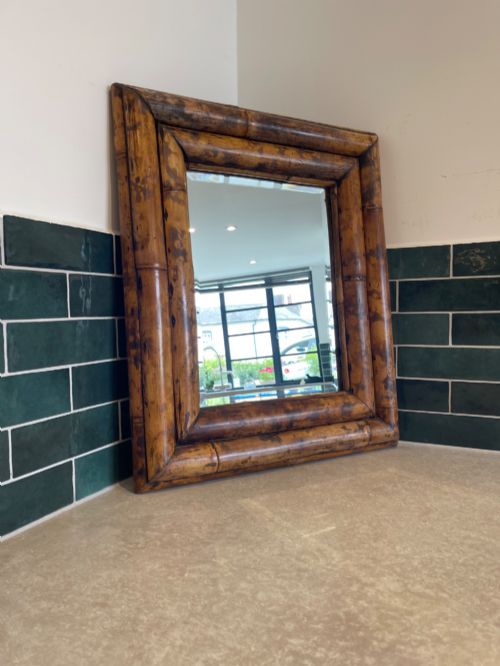
These pieces of victorian bamboo mirror combine natural cane or turned wood with glass plates, offering practical reflection alongside the distinctive aesthetic movement design.
Victorian Bamboo Mirror
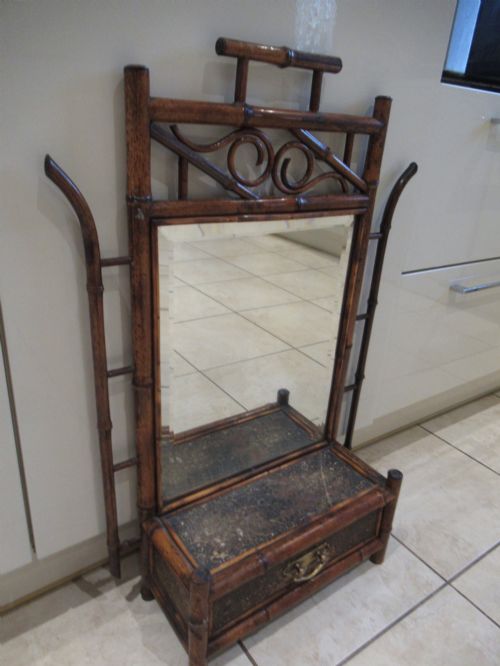
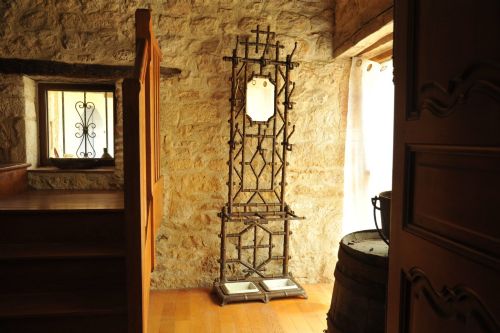
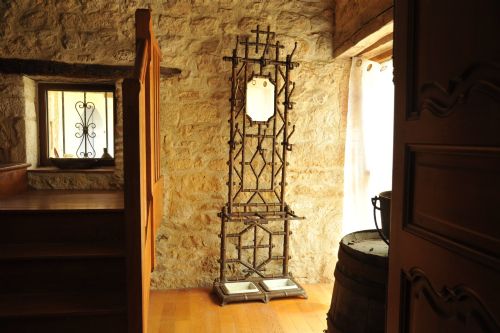
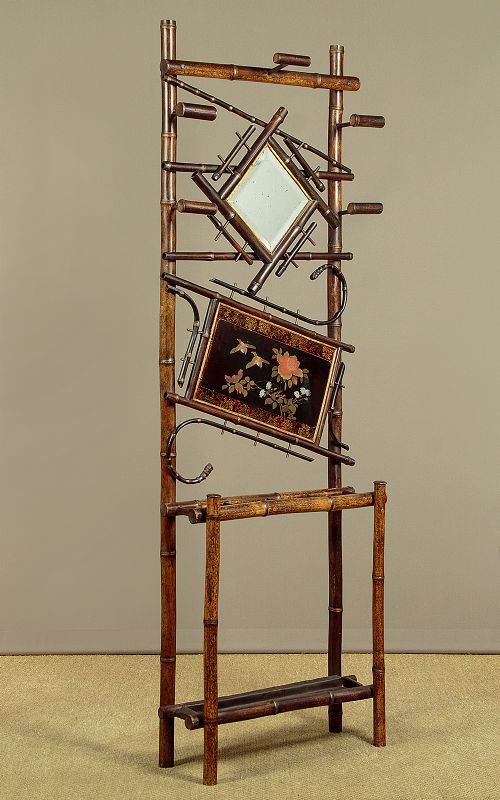
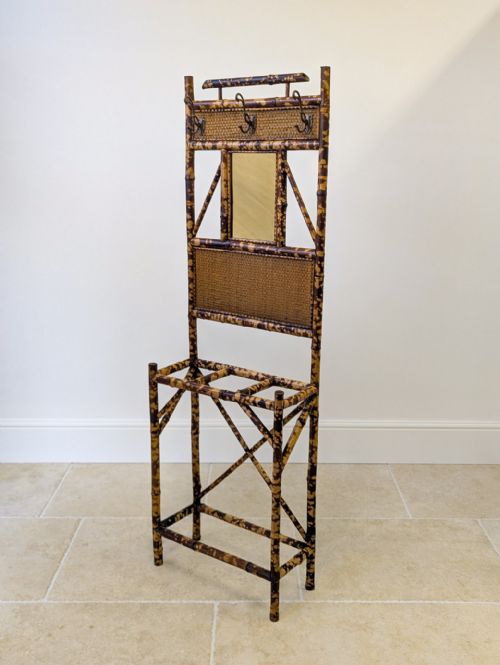
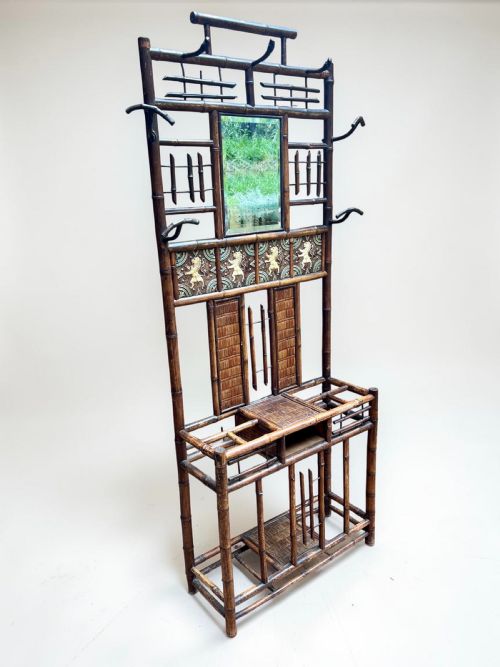
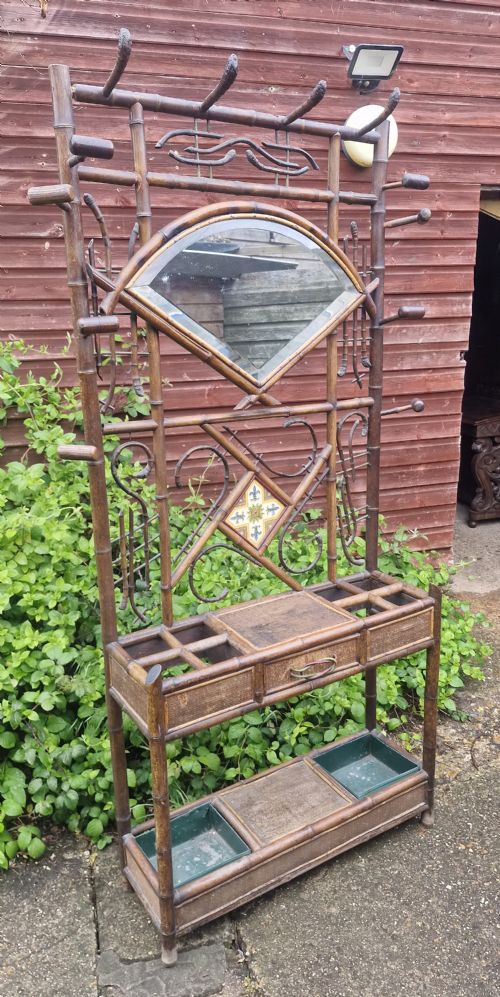
A victorian bamboo mirror brings together natural cane framing, simulated bamboo turnings, and glass plates designed for wall hanging or dressing use. These items appear alongside larger hall stands and cabinets, reflecting the late nineteenth-century fascination with exotic materials.
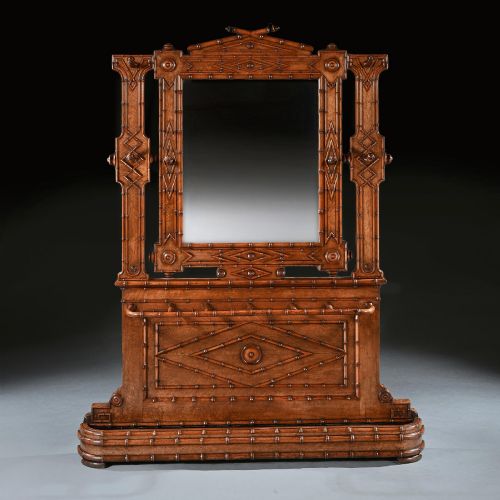
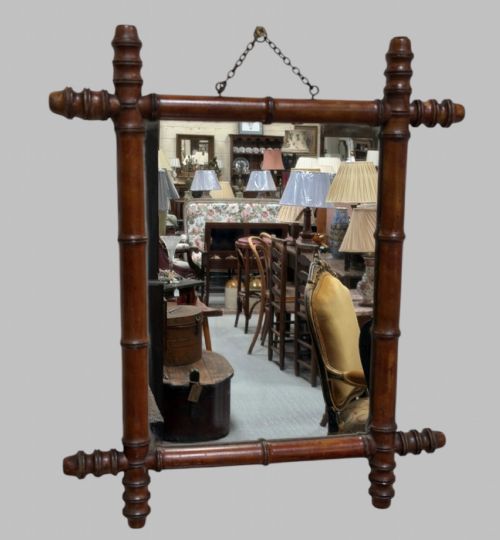
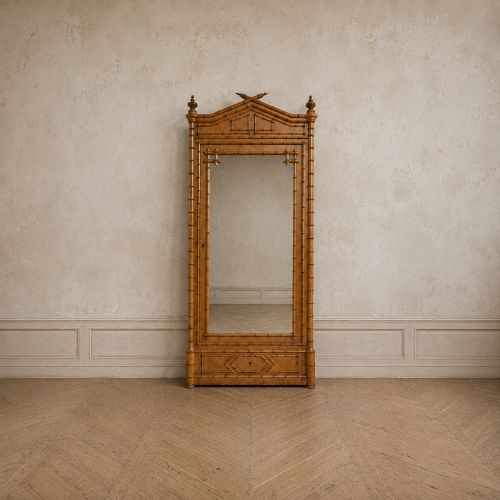
The versions most common on this page range from simple wall-hung plates to elaborate overmantels and cheval mirrors. Makers utilised both genuine bamboo stalks and simulated wood turnings to achieve the desired look.
Originating primarily within the Victorian and Edwardian periods, these pieces often incorporate French influence and Aesthetic Movement styling. They serve as functional mirrors while carrying distinct decorative architectural qualities.
How they were made
Construction relies upon natural bamboo canes or hardwoods such as beech turned to replicate the segmented profile of bamboo. Joinery typically involves pegged or pinned joints to secure the lightweight framing around the glass.
Surfaces frequently feature lacquer, gilding, or simulated graining such as bird's-eye maple to enhance the decorative finish. Mirror glass is set within the frame, sometimes supported by secondary wooden backing boards or metal fittings.
Listings feature materials including glass, bamboo, wood, mirror glass, metal, beech, cast iron, and lacquer.
What varies in quality
Quality depends upon the integrity of the framing and the precision of the turnings or natural cane selection. Pieces that retain their original lacquer, gilding, and clear mirror plates demonstrate superior preservation.
The complexity of the construction, such as cruciform layouts or integrated shelving and umbrella hooks on larger stands, dictates the sophistication of the piece. Solid wood faux bamboo structures show different levels of joinery skill compared to natural cane assembly.
The Victorian Bamboo Mirror Glossary
- Faux bamboo
- Simulated bamboo carved or turned from solid wood such as beech to imitate natural cane stalks. This technique provided uniform strength while retaining the exotic aesthetic.
- Aesthetic Movement
- A late nineteenth-century design style emphasising visual beauty over narrative subject matter. It heavily influenced the production of bamboo and lacquered furnishings.
- Cheval mirror
- A full-length mirror hung in a frame that tilts on vertical pivots. These freestanding items allow the glass to be adjusted to various angles.
- Overmantel mirror
- A large mirror designed to hang directly above a fireplace mantelpiece. They often feature extended frames that incorporate decorative shelving or fretwork.
- Japonisme
- The study and influence of Japanese art and aesthetics on Western design. This movement inspired the widespread use of bamboo and asymmetric forms in Victorian furniture.
Victorian Bamboo Mirror: Frequently Asked Questions
How do I hang a heavy bamboo mirror safely?
Wall-hung pieces require appropriate fixings distributed across the structural framework rather than relying on decorative cane alone. Ensure the weight is supported directly by wall studs or heavy-duty anchors.
Because these frames can be fragile despite their sturdy appearance, professional mirror fixings protect the original construction from undue strain.
Where should I place a bamboo mirror in my home?
These items suit hallways, bedrooms, and living spaces where their reflective glass and textured frames can catch natural light. Pairing them with related furniture creates a cohesive interior scheme.
Avoid rooms with excessive moisture, as damp conditions can damage the lacquer, wood, and backing of antique glass.
How do I tell natural bamboo from faux bamboo?
Natural bamboo shows organic variations, hollow cane structures, and distinct nodes along the stalks. Faux bamboo consists of solid turned wood, such as beech, painted or carved to replicate those exact segments.
Closer inspection reveals the weight and grain of the underlying timber on simulated pieces, whereas genuine cane remains lightweight and hollow.
What is the difference between an overmantel and a wall mirror?
Overmantel mirrors are proportioned specifically to sit above fireplace mantels, often featuring wider horizontal formats or integrated architectural details. Standard wall mirrors focus on vertical or balanced display across general wall surfaces.
Both types utilise similar framing techniques, but their original placement dictates their scale and proportions.