




Vintage Bamboo Rack
A vintage bamboo rack brings lightness and organic texture to an interior, whether configured for coats, books or umbrellas.
Vintage Bamboo Rack
A vintage bamboo rack encompasses a diverse array of utilitarian furnishings designed for the hallway, library and parlour. The pieces encountered on this page span the Victorian and Edwardian eras, alongside later interpretations from around nineteen twenty.
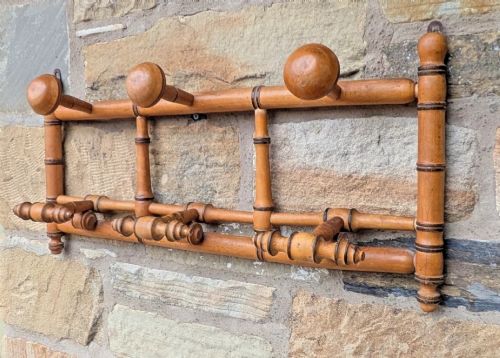
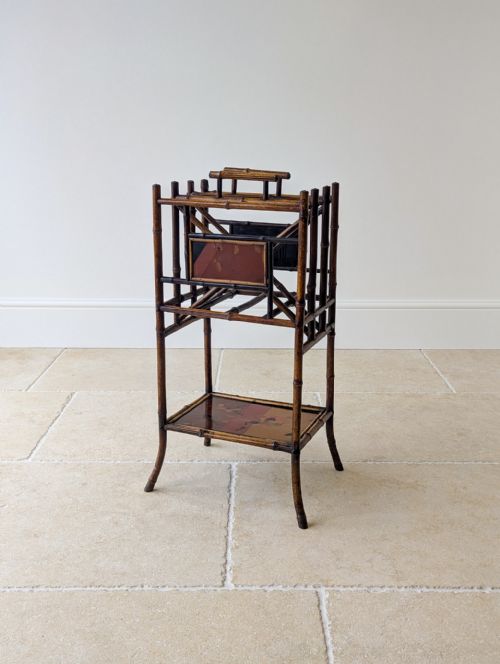
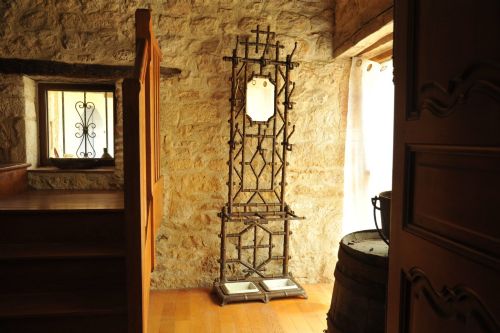
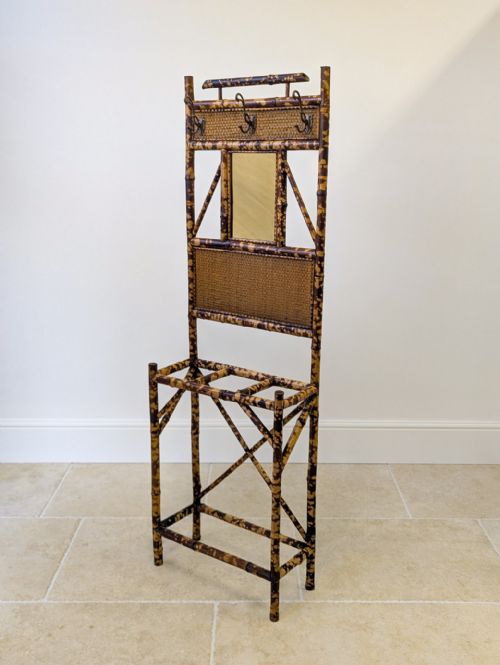
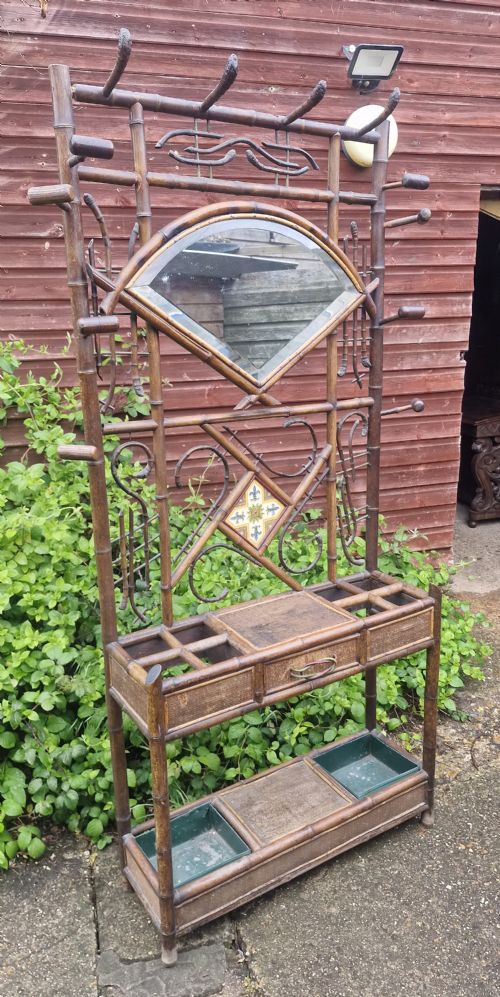
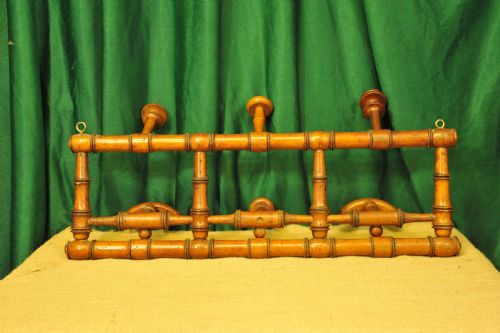
Forms range from substantial hall stands incorporating mirrors and umbrella compartments to smaller magazine racks, canterburys and wall-mounted coat hangers. Many of these items reflect the taste of the Aesthetic Movement, whilst others draw upon French design traditions.
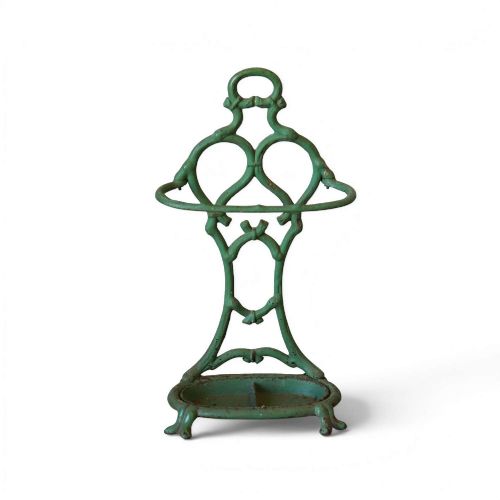
Natural bamboo predominates, accompanied by simulated or faux bamboo variants rendered in cast iron, wood and brass. These items served a practical domestic purpose whilst satisfying a persistent nineteenth and twentieth-century fascination with exotic materials.
What varies in quality
Quality rests upon structural integrity and the precision of the joinery, particularly where canes intersect or meet metal components. Pieces that retain their original bindings, unbroken cane sections and uncompromised surface decoration stand apart from heavily restored examples.
The sophistication of the design dictates distinction, moving from simple utilitarian wall racks to elaborate hall stands featuring bevelled mirrors and integrated cast iron or brass hardware. Material authenticity also plays a role, distinguishing genuine natural cane from simpler simulated counterparts.
Listings feature items from the Victorian, Edwardian and nineteen-twenties periods, executed in bamboo, cast iron, wood, brass and glass.
The Vintage Bamboo Rack Glossary
- Bamboo
- A woody grass utilised for structural furniture frames, prized for its lightness, strength and distinctive segmented stems. It became particularly fashionable during the Victorian Aesthetic Movement.
- Faux bamboo
- A technique where wood, metal or brass is carved, cast or painted to imitate the natural nodes and slender profile of real bamboo. This allowed makers to achieve an exotic aesthetic using sturdier domestic materials.
- Canterbury
- A low stand featuring partitions, originally designed for holding sheet music or books, and frequently adapted into magazine racks. They often incorporate carrying handles and low castors.
- Hall stand
- A multi-functional hallway furnishing combining coat hooks, a mirror, glove compartments and umbrella stands with drip trays. They were essential pieces in nineteenth-century entrance halls.
- Aesthetic Movement
- A late nineteenth-century design ethos prioritising visual beauty over narrative or moral content. It encouraged the appreciation of Japanese-inspired forms, including natural bamboo furniture.
Vintage Bamboo Rack: Frequently Asked Questions
What is a vintage bamboo rack used for?
These items serve practical organisational roles in modern and traditional interiors alike. They provide storage for coats, hats, umbrellas, magazines and books.
Larger hall stands anchor an entryway, whilst smaller wall racks and magazine holders suit compact living spaces.
How do I date a bamboo piece?
Dating relies on examining construction methods, hardware and stylistic cues. Victorian examples often feature hand-tied bindings and Aesthetic Movement motifs, whereas Edwardian and later pieces may incorporate different fastening techniques.
Associated elements such as cast iron frames or bevelled mirror glass help narrow down the period of manufacture.
Are cast iron bamboo racks durable?
Metal items cast in the form of bamboo offer exceptional strength and longevity. They withstand heavy use in hallways, functioning reliably as umbrella or coat stands.
Their substantial weight prevents tipping, making them stable additions to busy households.
How should I care for natural bamboo?
Maintenance involves dusting with a soft cloth and keeping pieces away from direct heat sources and excessive moisture. Natural cane benefits from occasional gentle cleaning to prevent drying.
Avoiding harsh chemical polishes preserves the original surface finish and bindings.