



Victorian Arts Crafts Chairs
Victorian arts crafts chairs bring honest construction and tactile materials into a room, offering enduring utility alongside distinct period character.
Victorian Arts Crafts Chairs
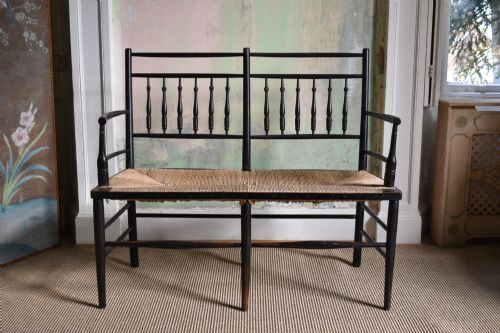
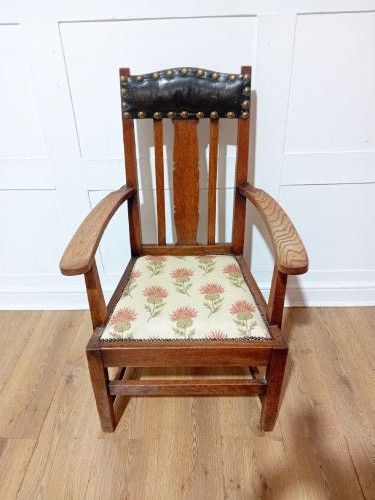
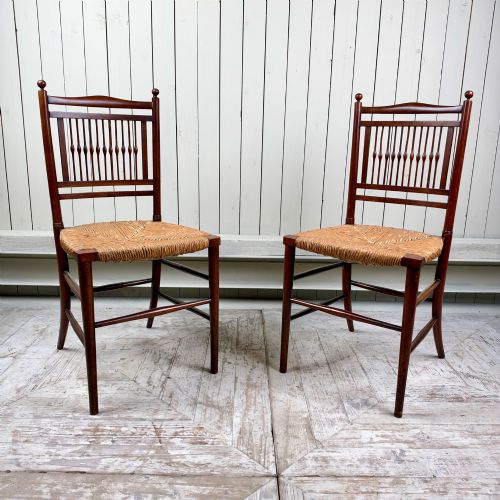
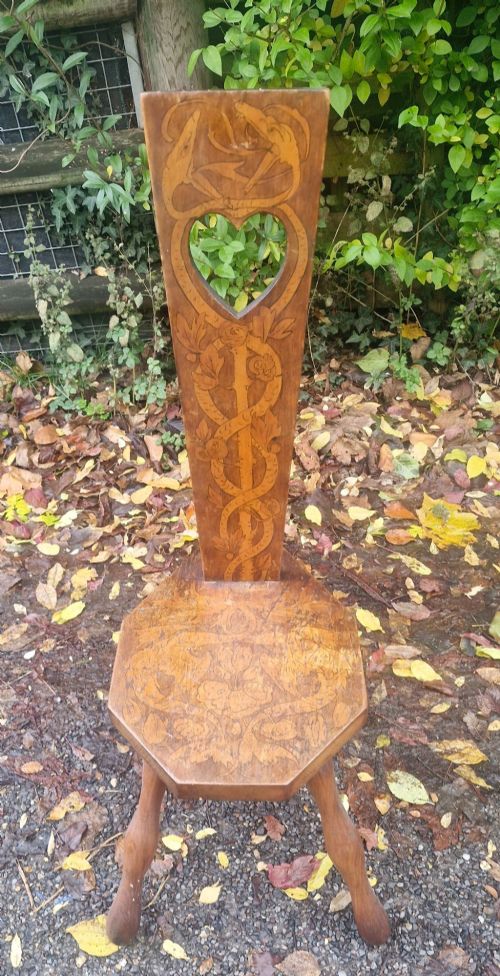
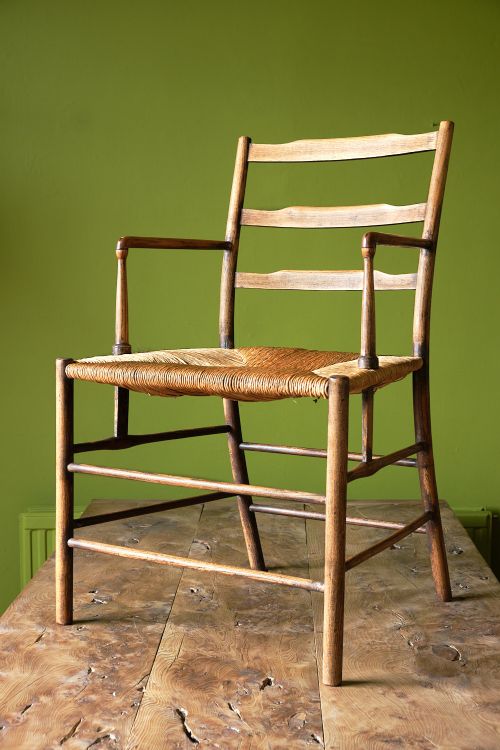
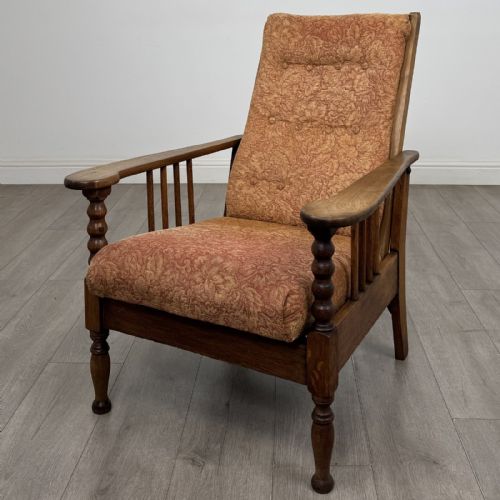
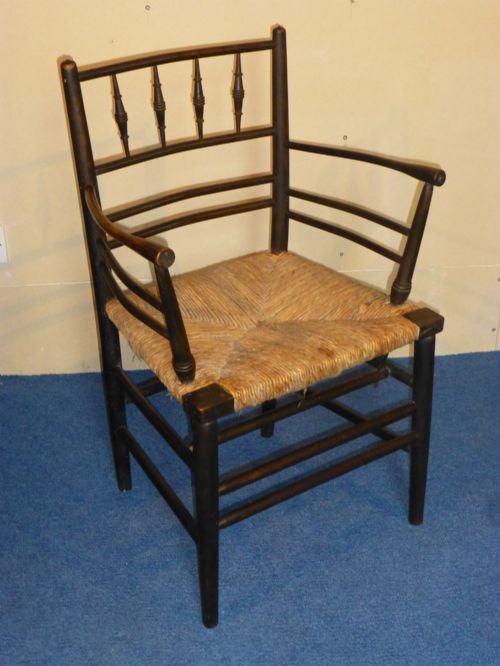
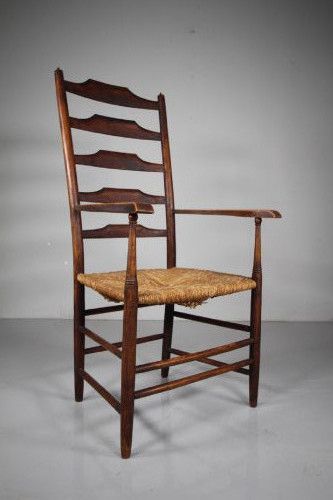
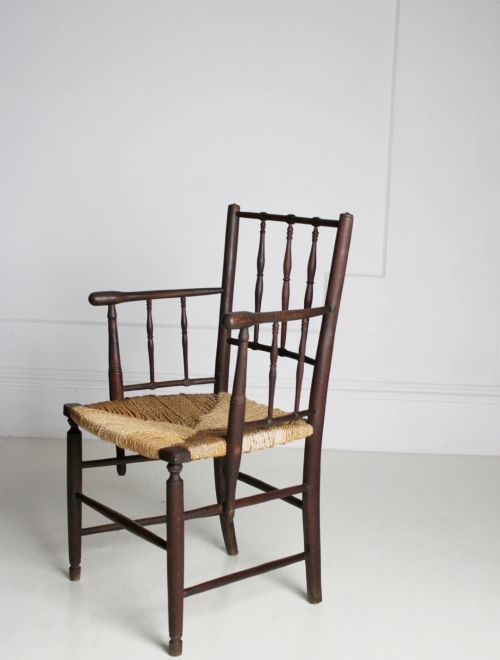
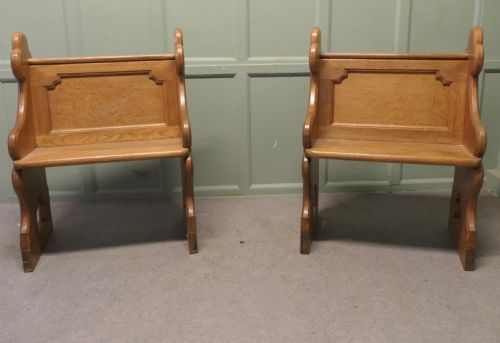
Victorian arts crafts chairs encompass a diverse group of seating forms produced during the late nineteenth and early twentieth centuries, spanning straightforward vernacular models and sophisticated designer pieces. Buyers searching for victorian arts crafts chairs will encounter formats ranging from light rush-seated side chairs to sturdy oak armchairs and specialised library or hall seating.
Many examples reflect the direct philosophies of prominent design circles, utilising honest construction methods and unpretentious materials that prioritize everyday function. From spindle-backed fireside chairs to carved walnut library armchairs, these pieces bridge domestic comfort with thoughtful artistic intent.
How They Were Made
Makers relied primarily on native timbers such as oak, beech, mahogany, and elm, often leaving the grain visible or staining the wood to emulate ebonised finishes. Traditional joinery techniques like mortise and tenon joints provided structural integrity without relying on excessive ornamentation.
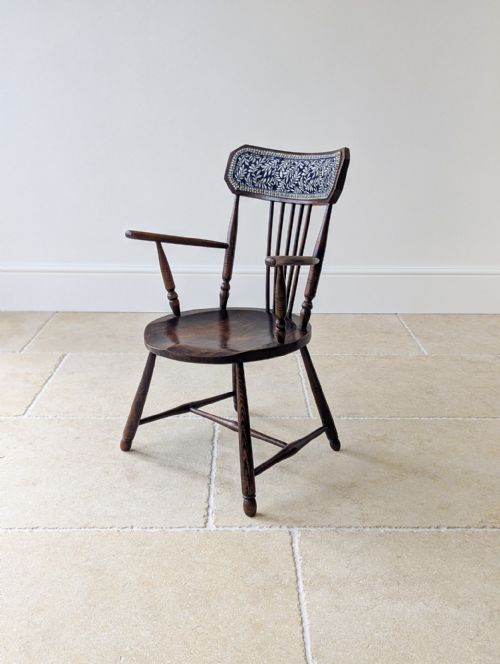
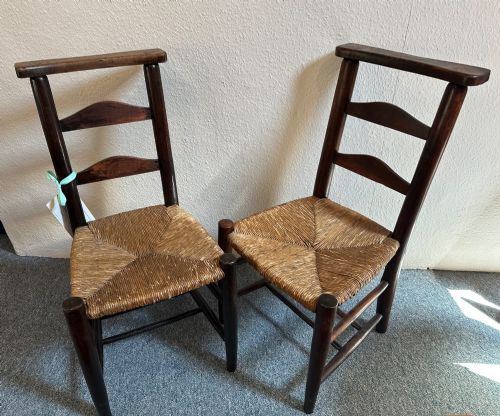
Seating surfaces frequently incorporated woven rush, supple leather, or simple fabric upholstery, balancing textural warmth with practical durability. Secondary materials like brass fixtures or ceramic tiles occasionally appeared on specialised hall and library chairs to accent the structural woodwork.
Victorian Arts Crafts Chairs Retail Price Guide 2026
Typical asking prices for victorian arts crafts chairs among the pieces listed under this phrase on Sellingantiques today, from the lower quarter to the upper quarter. They describe what is for sale here now, not the wider market.
Listings feature oak, mahogany, walnut, and pitch pine alongside rush, leather, and brass elements.
What Varies in Quality
The distinction between standard commercial output and exceptional pieces often rests upon the clarity of attribution, the refinement of turning, and the original integrity of materials like rush seats. Pieces associated with notable workshops or specific designers display a superior balance of proportion and restraint in their decorative details.
Durability depends heavily on the tightness of traditional joints and the preservation of secondary elements such as original leather panels, applied tile work, or early surface treatments. Surviving markings, stamps, or institutional labels further elevate an object by confirming its specific provenance and historical context.
E. W. Godwin·Morris and Co·Philip Webb·Philip Clissett·Pugin·Minton·Shoolbred·Ford Madox Brown·Charles Bevan·J. Herbert McNair·Rossetti·Ellen E. Houghton
The Victorian Arts Crafts Chairs Glossary
- Sussex Chair
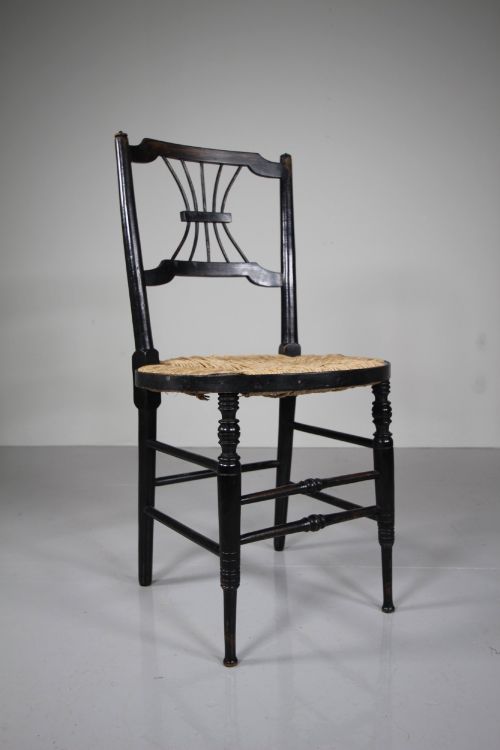
- A lightweight, ebonised or stained beech chair featuring spindle backs and rush seats, produced extensively by Morris and Co. This design drew inspiration from traditional vernacular prototypes found in rural cottages.
- Rush Seat
- A seating surface woven from dried marsh grasses, offering a durable and tactile grid pattern. It appears frequently on vernacular and designer chairs alike.
- Aesthetic Movement
- A late nineteenth-century design current emphasising visual beauty and artistic expression over strict moral or narrative purpose in decoration. Furniture from this circle often incorporates clean lines and ebonised finishes.
- Spindle Back
- A chair back constructed with numerous thin, turned vertical wooden rods. This method provided lightweight strength and a rhythmic visual profile.
- Windsor Chair
- A traditional form featuring a solid wooden seat into which the legs and back spindles are separately bored and wedged. Regional variations often combine elm seats with beech and ash components.
Victorian Arts Crafts Chairs: Frequently Asked Questions
How do I identify a genuine Sussex chair?
Authentic examples typically feature ebonised or stained turned beech frames with original rush seats and understated joinery. Many bear stamps or paper labels associated with Morris and Co or related retailing houses.
Closer inspection often reveals subtle variations in turning quality and timber selection that distinguish workshop output from later commercial copies.
Were these chairs used for dining or lounging?
Makers produced specific forms for distinct domestic functions, ranging from upright dining and hall chairs to low fireside armchairs and reclining Morris chairs. Each form was tailored to the posture required for the room it inhabited.
Dining versions prioritize a straight-backed profile, whereas armchairs and rocking variants offer deeper proportions for relaxation.
How should I care for rush seating?
Rush seats benefit from gentle dusting with a dry brush and protection from excessive moisture or direct sunlight, which can make the dried grass brittle. Regular indoor humidity helps prevent the natural fibres from cracking over time.
Avoid heavy liquid cleaners, utilising only a slightly damp cloth for spot cleaning if strictly necessary.
What defines the Arts and Crafts aesthetic?
The movement championed handcraftsmanship, honest construction, and simple utility, reacting against mass-produced industrial ornamentation. Designs highlighted the natural qualities of oak, beech, and woven rush.
Constructive elements like visible joints and functional stretchers were celebrated rather than concealed beneath heavy veneers.