




Victorian Art Frame
Discover a victorian art frame, uniting period paintings and silver photo holders for collectors seeking authentic 19th-century interiors.
Victorian Art Frame
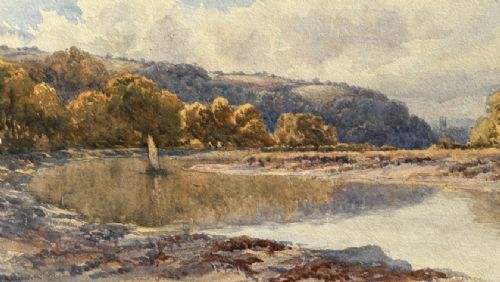
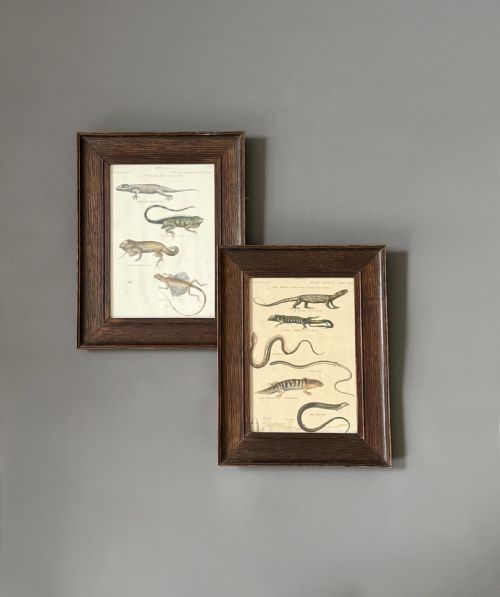
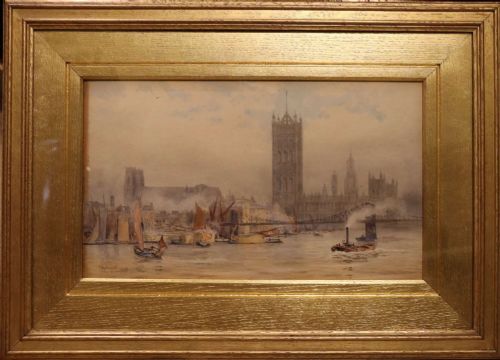
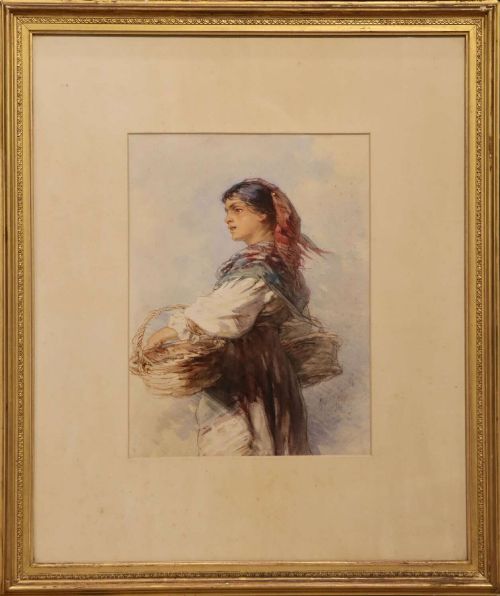
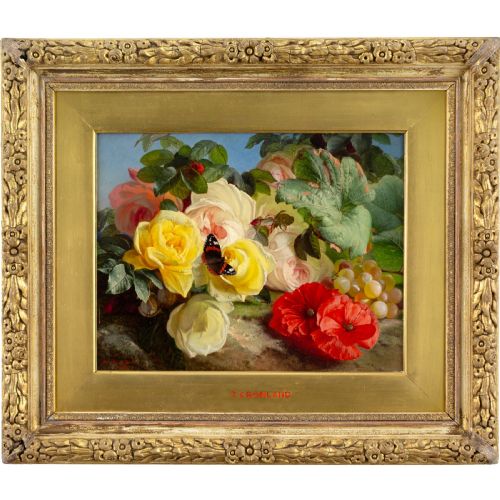
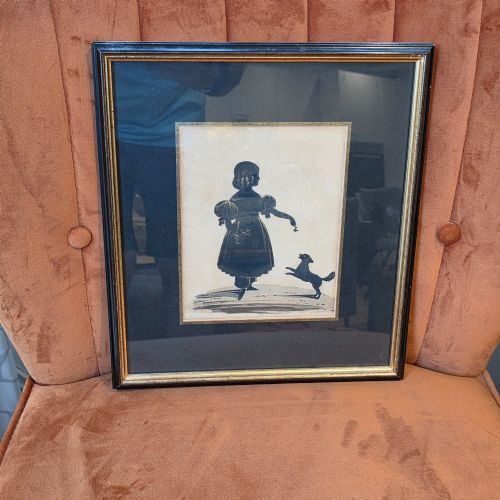
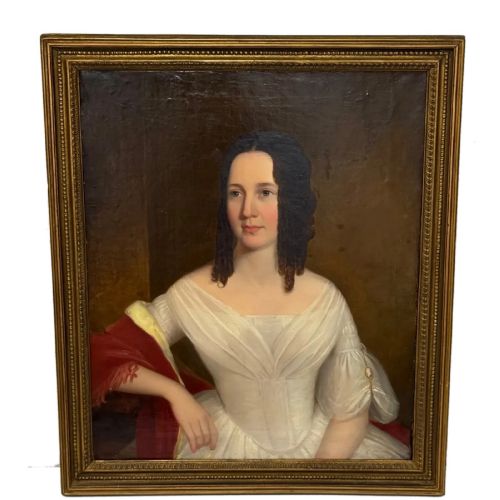
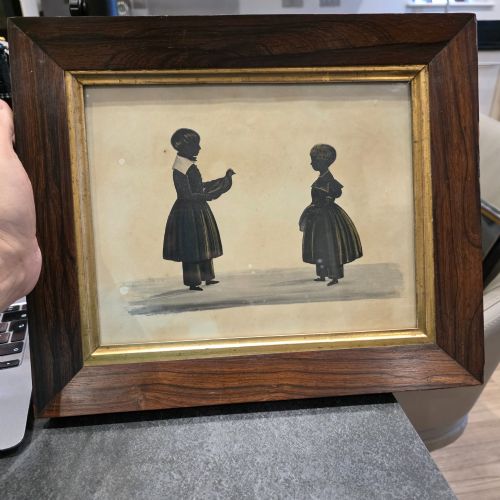
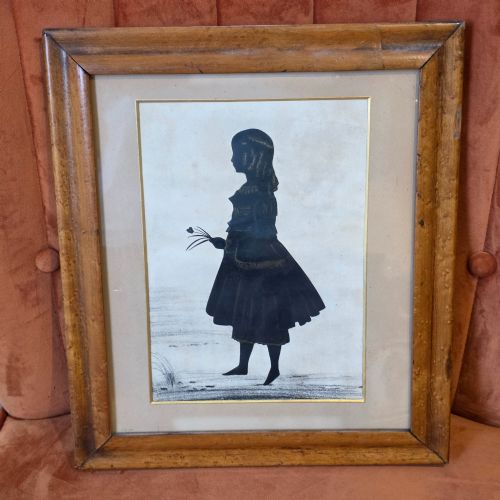
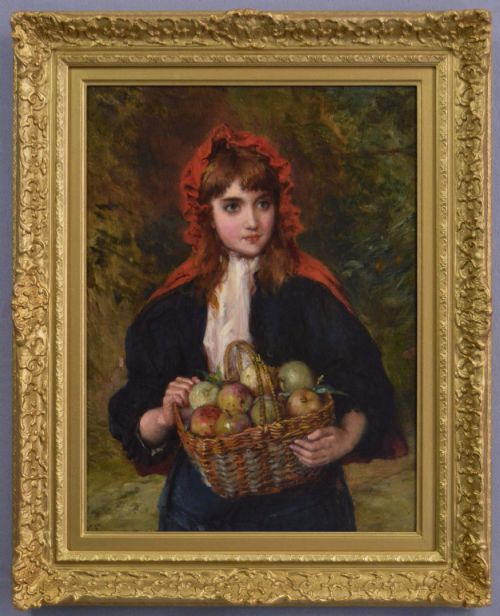
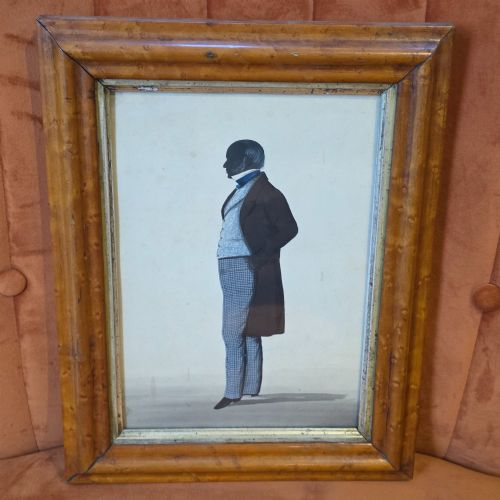
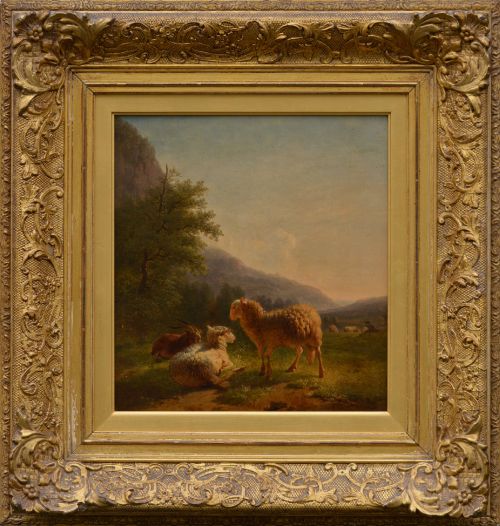
A victorian art frame encompasses both the protective surrounds for nineteenth-century oil paintings and watercolours, and cast silver photograph holders designed to display domestic memories. Buyers find substantial gilt timber mouldings, ornate silver heart-shaped designs, and architectural surrounds housing original landscape or portrait works.
The selection ranges from elaborate pierced silver desk pieces bearing hallmarks to large canvas surrounds ornamented with leaf motifs. These items reflect the diverse decorative tastes of the nineteenth century, from intimate portrait miniatures to expansive romantic landscapes.
How They Were Made
Metalsmiths constructed silver photograph frames using sterling silver sheet, frequently adding embossed floral details, pierced scrollwork, and fitted leather backs. Gilt wood and gesso surrounds were carved from timber before applying layers of gold leaf to create reflective decorative borders.
Artworks mounted within these pieces utilised paper, canvas, and panel supports, employing oil, watercolour, and bodycolour techniques. Craftsmen applied traditional joinery methods to assemble timber frames, ensuring structural support for heavy oil paintings and mirrors.
Listings feature items from the 19th century, Victorian era, and Edwardian period, utilising materials such as silver, gilt wood, canvas, and paper.
What Varies in Quality
Quality rests in the crispness of the casting on silver mounts and the depth of hand-carving on gilt wood mouldings. Superior examples display clear Birmingham or London silver hallmarks alongside intact original gilding and undamaged glass panels.
The distinction between standard domestic pieces and superior works lies in the execution of the decorative elements, such as intricate leaf motifs on large frames or detailed engraving on silver photo holders.
William Comyns·Goldsmiths and Silversmiths Co
The Victorian Art Frame Glossary
- Gilt Wood
- Timber coated with a thin layer of gold leaf or gold paint. This technique provided rich decorative surfaces for nineteenth-century picture frames.
- Hallmark
- An official stamp applied to precious metals indicating standard of purity and place of manufacture. British silver items frequently carry these marks to verify date and maker.
- Gesso
- A paint mixture consisting of a binder mixed with chalk, gypsum, or pigment. Artisans used this substance as a base for moulding ornamental details on wooden frames before gilding.
- Intaglio
- A gem or other material carved in incised relief. These small decorative carvings appeared in Grand Tour collections mounted during the period.
- Watercolour
- A paint wherein the colourants are suspended in a water-soluble solution. Artists utilised this medium extensively on paper supports for landscape and portrait works.
Victorian Art Frame: Frequently Asked Questions
How do I date a silver photo frame?
Examine the hallmarks stamped directly onto the silver border, which indicate the assay office, standard mark, and date letter for the specific year of production.
Compare the style of decoration, such as embossed heart shapes or pierced floral motifs, against known production periods of the late nineteenth century.
What styles of art fit these frames?
Nineteenth-century oil paintings, watercolours, and portrait miniatures match the original aesthetic of these surrounds. Landscapes, botanical studies, and silhouette portraits frequently complement the period proportions.
Consider matching the visual weight of the artwork to the density of the frame moulding, whether plain timber or ornate gilt gesso.
Were these frames used for mirrors?
Certain large Victorian timber mouldings housed decorative wall mirrors or overmantle pieces rather than canvas paintings. These mirrored surrounds utilised similar gilt gesso and carved leaf designs to picture frames.
Check the rebate depth and backing construction to determine if the housing was originally built for glass or canvas.
How should I care for gilt wood?
Dust surfaces gently with a soft, dry brush to prevent accumulation without disturbing delicate gold leaf layers. Avoid moisture and chemical cleaning agents entirely, as liquid damages the underlying gesso.
Maintain stable room humidity to protect the timber substrate from warping or cracking over time.