


Victorian Arched Glazed Cabinet
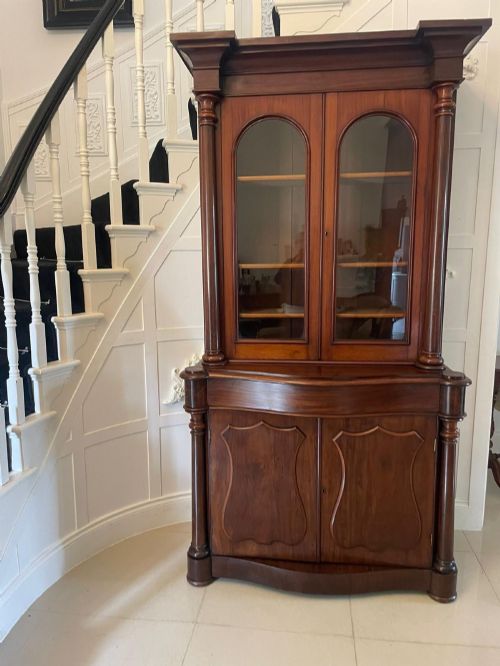
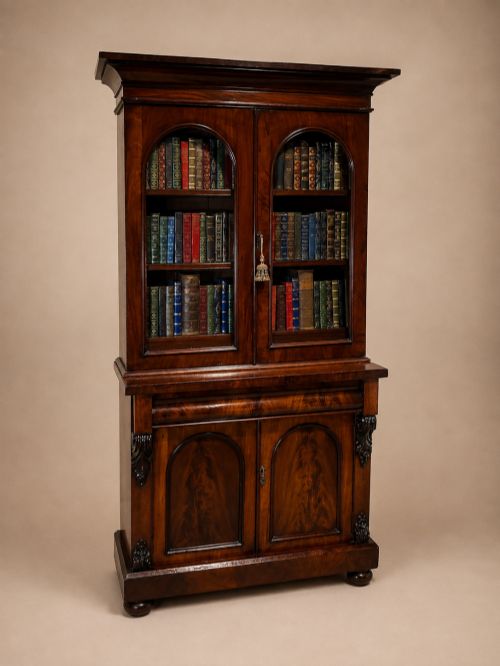
A victorian arched glazed cabinet is a refined nineteenth century storage piece built to display books or collections behind glass.
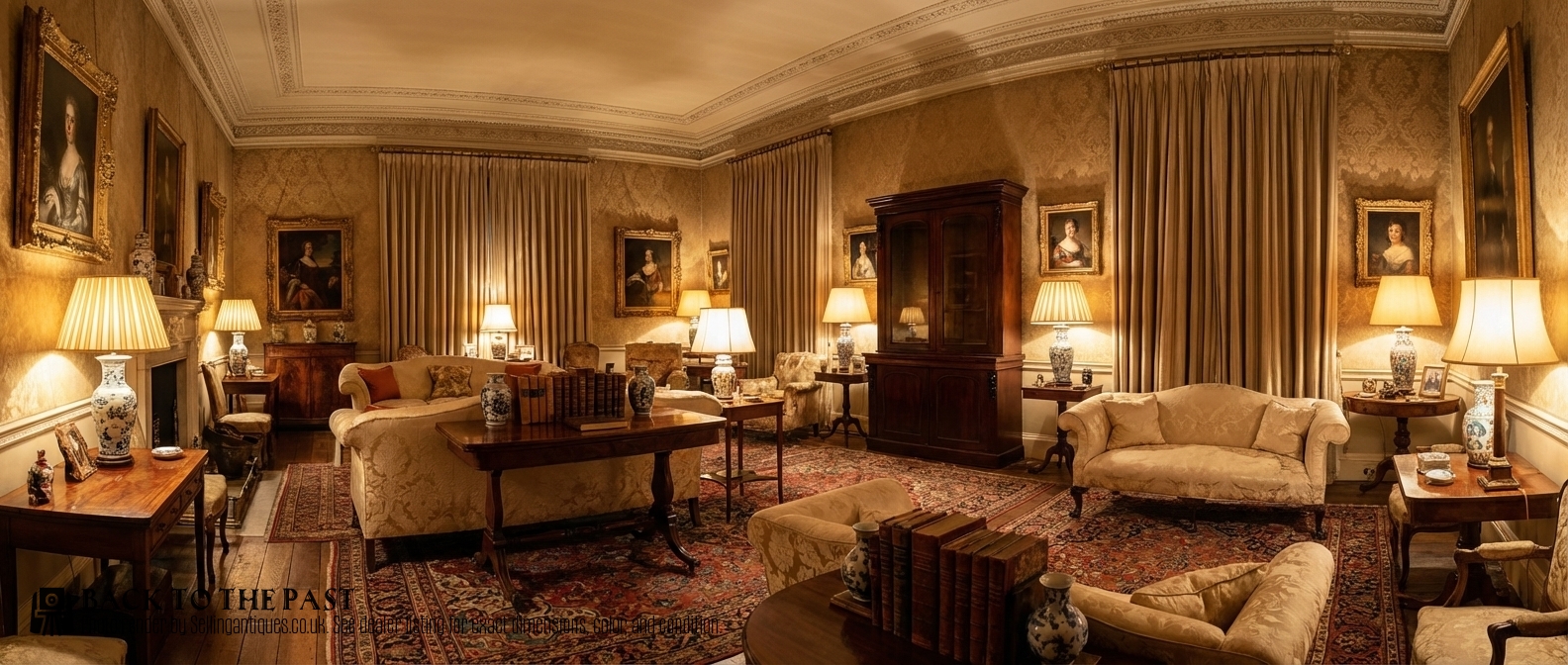
Victorian Arched Glazed Cabinet
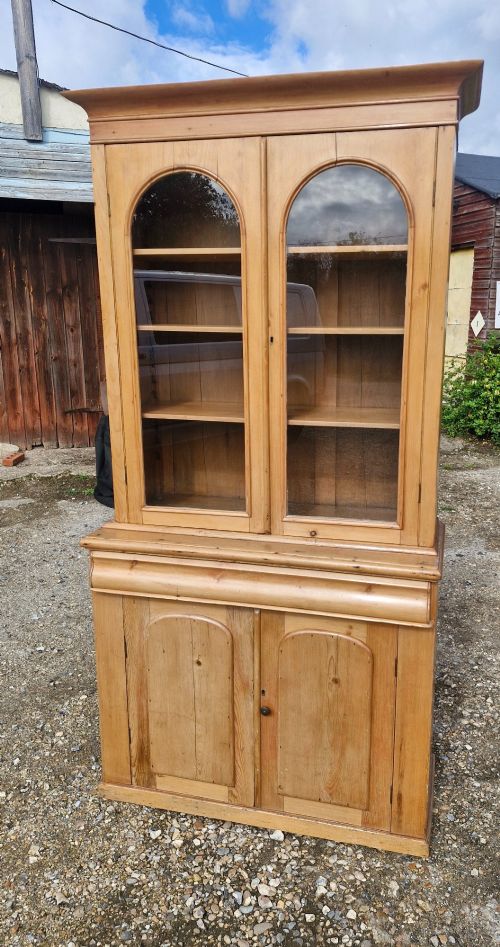
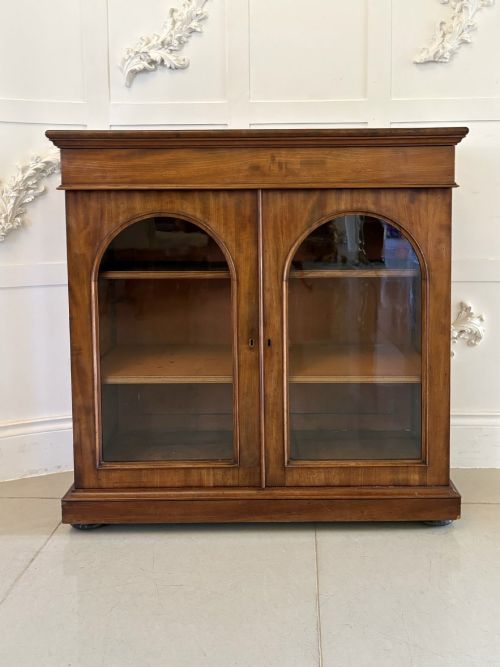
When you search for a victorian arched glazed cabinet, you encounter tall bookcases, display cabinets, and kitchen dressers originating from the nineteenth century. These forms range from simple pine country cupboards to large breakfront library bookcases in mahogany and walnut.
Mahogany examples dominate the selection, often featuring glazed upper doors paired with solid cupboard bases. Regional variations such as Irish, Welsh, Northern European, and Dutch pieces also appear across the listings.
The architectural framing defines the look, drawing on Victorian, Gothic Revival, and Rococo Revival influences. Interiors typically house adjustable shelving designed to hold bound volumes or curated collections.
How they were made
Cabinet makers relied primarily on solid and figured mahogany, oak, and pine, frequently enhanced with burr walnut veneers or delicate brass fittings. Glass panes were hand-glazed into wooden frames to protect the contents while maintaining visibility.
Construction techniques combined traditional joinery with carved detailing, architectural cornices, and occasionally painted or scrumbled surfaces. Interior adjustments utilised timber supports and concertina mechanisms to alter shelf heights.
The listings span the nineteenth century, utilising materials such as mahogany, oak, pine, walnut, glass, and brass across various regional cabinet forms.
What varies in quality
The distinction between standard utility furniture and superior pieces lies in the selection of timber veneers and the crispness of architectural carving. Highly figured mahogany or burr walnut paired with refined Gothic tracery elevates a piece significantly.
Proportion and scale dictate the visual success of each cabinet, from modest table top display units to grand four-door breakfront bookcases. Original glass, working brass hardware, and integrated shelving systems maintain the integrity of the design.
The Victorian Arched Glazed Cabinet Glossary
- Breakfront
- A cabinet design where the central section projects forward from the flanking outer sections. This arrangement adds architectural depth to large library bookcases.
- Glazed
- Fitted with glass panels within the doors to protect contents from dust while allowing visibility. It is a defining feature of display cabinets and bookcases.
- Scrumbled
- A decorative paint technique applied to pine surfaces to imitate the grain of richer woods. It appears on vernacular kitchen dressers and country furniture.
- Tunbridgeware
- A form of intricate mosaic woodwork using tiny pieces of naturally coloured woods to create geometric patterns. This technique decorates specialist inlaid cabinets.
- Gothic Revival
- An architectural and decorative style drawing on medieval forms, featuring pointed arches and tracery. It heavily influences Victorian cabinet designs.
Victorian Arched Glazed Cabinet: Frequently Asked Questions
Where should I place a large glazed cabinet?
These tall pieces require a stable wall with adequate ceiling height and clearance for swinging doors. Positioning them away from direct sunlight protects both the timber finish and the contents behind the glass.
Because many examples divide into distinct upper and lower sections, transport and positioning within older properties become much more manageable.
How do I adjust the internal shelving?
Nineteenth century bookcases frequently employ wooden support ratchets or brass peg systems to alter shelf heights. This flexibility accommodates books or displayed objects of varying sizes.
Careful handling of the timber supports ensures the internal framework remains undamaged during adjustment.
What is the difference between a bookcase and a display cabinet?
Bookcases generally combine upper glazed shelving with a deeper wooden cupboard base to store heavier items out of sight. Display cabinets often feature glass panes on all sides or across full-length doors to showcase collections.
Both forms reflect nineteenth century domestic habits regarding storage and display.
How do I care for nineteenth century mahogany?
Maintain the timber by applying appropriate natural waxes sparingly and polishing with a soft cloth. Avoid placing cabinets near direct heat sources or rapid temperature shifts.
Regular dusting of the glazed panels and wooden mouldings preserves the surface finish over time.