
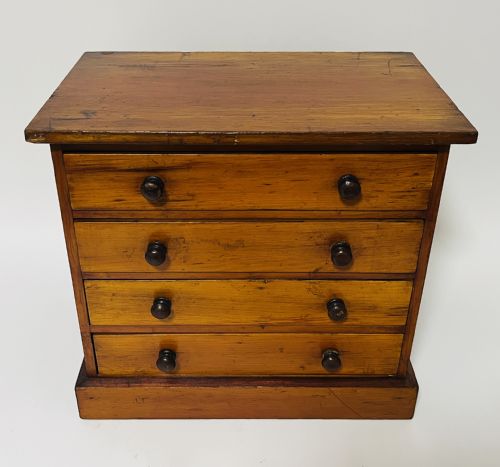
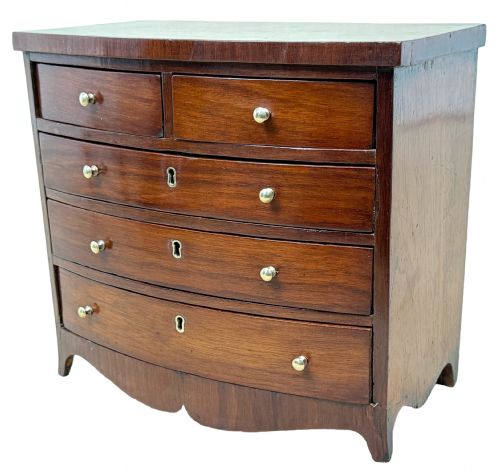


Victorian Apprentice Cabinet
These small items known as a victorian apprentice cabinet combine domestic scale with full-sized cabinet-making skills, offering compact storage for small collections.
Victorian Apprentice Cabinet
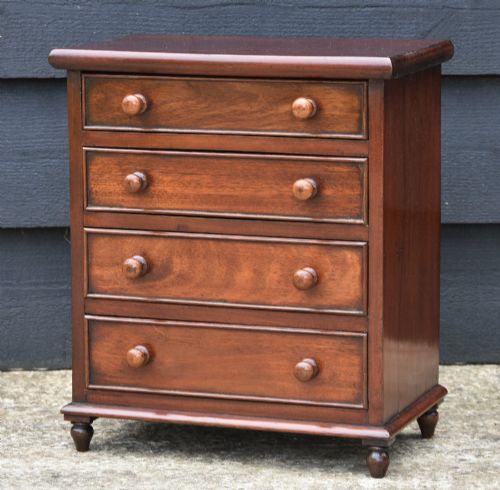
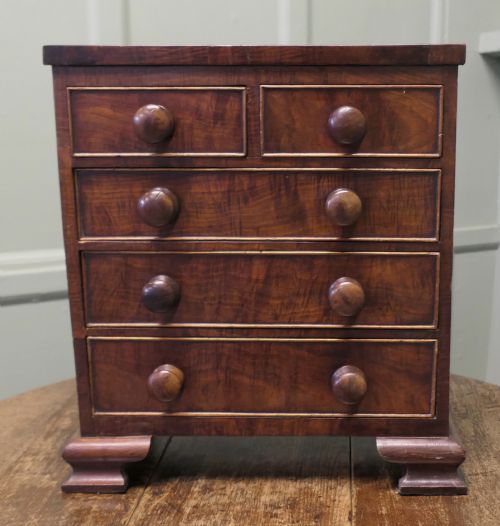
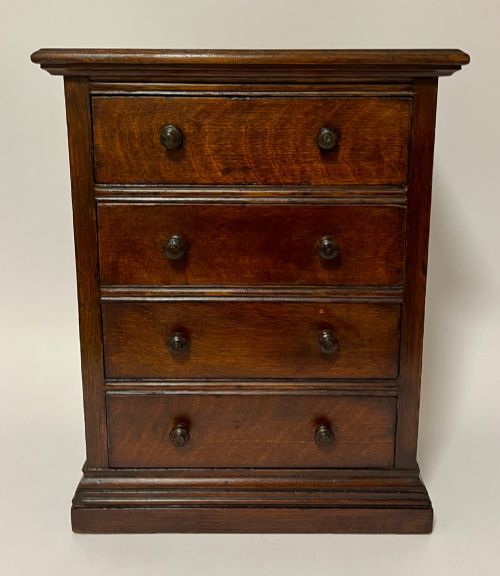
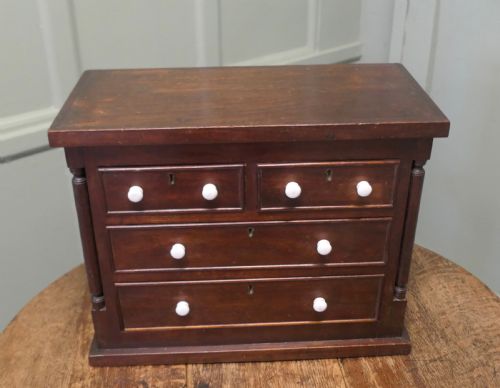
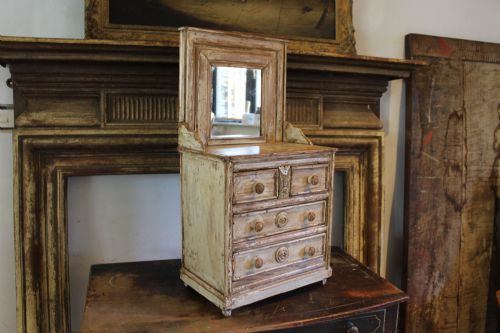
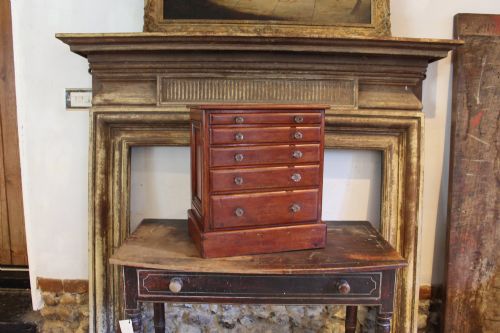
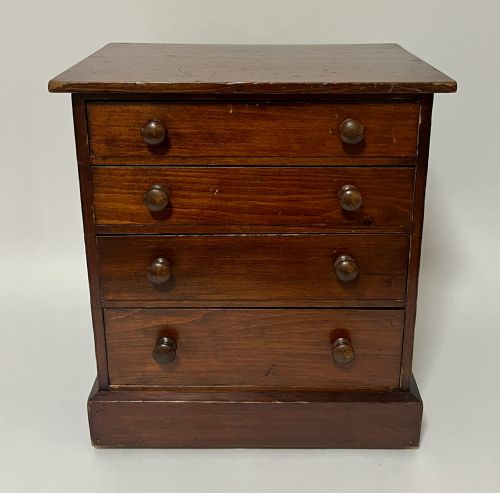
When you search for a victorian apprentice cabinet, you encounter miniature chests, diminutive bureaux, and tabletop storage units constructed during the nineteenth century. These scale models served as test pieces for trainees or as salesman samples demonstrating joinery skills to prospective clients.
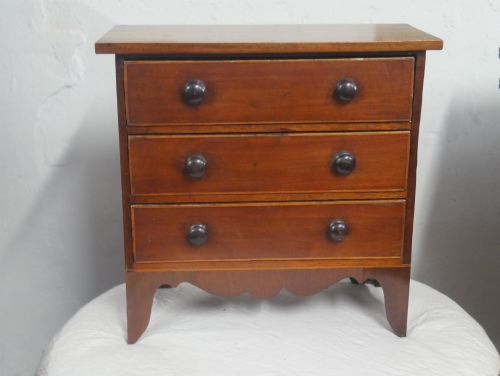
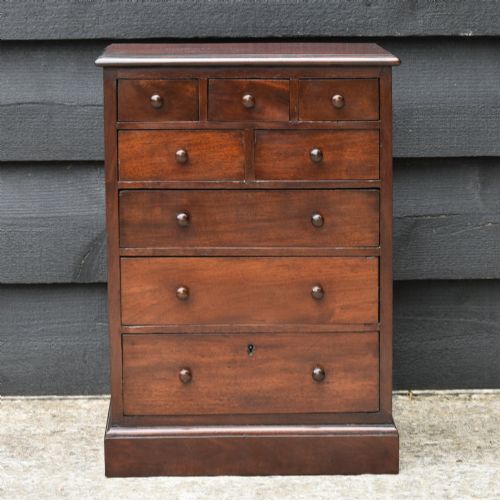
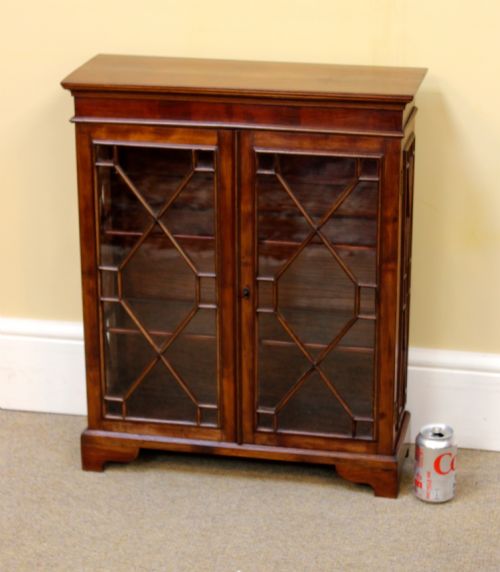
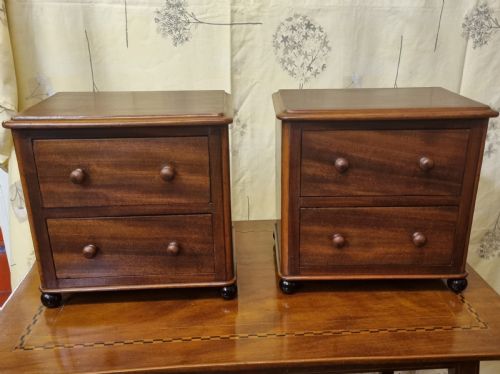
The most common form on this page is the miniature chest of drawers, often rendered in mahogany with multiple working drawers. Other examples include tabletop display cases, spice boxes, and bureau bookcases reduced to a quarter scale.
Origins range from English workshops to Scottish regional centres and French provincial makers. The works span the Victorian era, with specific pieces dated across the middle and later decades of the nineteenth century.
Distinctions in quality
Quality rests upon the fidelity of the scale work and the proportion of the timber grain. Finer pieces employ figured veneers like burr walnut or amboyna, matching the wood patterns across drawer fronts with precision.
The sophistication of the internal mechanism dictates value, distinguishing basic box construction from items containing secret compartments, working locks, and hand-cut dovetails executed at a microscopic scale.
Some miniature chests conceal secret drawers operated by hidden spring catches, proving that historic trainees enjoyed playing hide and seek.
The Victorian Apprentice Cabinet Glossary
- Apprentice piece
- A scaled item created by a trainee woodworker to demonstrate mastery of a trade before a guild or master craftsman. These objects exhibit the exact joinery methods found on domestic furniture.
- French polish
- A shellac finish applied using a rubbing pad to build a glossy, smooth surface on hardwoods. This technique produces a deep lustre that highlights the grain of mahogany and walnut.
- Bowfront
- A convex, curved front elevation popular on chests of drawers during the nineteenth century. This shape requires specialised steaming and shaping of the timber.
- Dovetail
- An interlocking joint formed by matching tapered pins and tails, utilised primarily in drawer construction. The tightness of these small joints indicates the maker's skill level.
- Specimen cabinet
- A small storage chest fitted with multiple shallow drawers designed to hold natural history collections or small artefacts. They often feature glass lids or tight-fitting panel doors.
Victorian Apprentice Cabinet: Frequently Asked Questions
What is an apprentice cabinet?
An apprentice cabinet is a miniature piece of furniture made by a trainee craftsman to prove their proficiency in joinery and design. These scaled items replicate full-sized wardrobes, chests, and desks.
Master craftsmen required trainees to construct these small examples before allowing them to work on domestic commissions. Consequently, the pieces demonstrate exceptional attention to detail and traditional construction methods.
How were these miniature cabinets used?
Cabinet makers used these small items as portable samples to show clients wood finishes, drawer configurations, and decorative styles without carrying full-sized furniture. Some functioned as salesman samples on the road.
In domestic settings, households utilised the smaller chests and spice boxes on tabletops to store keepsakes, jewellery, or writing accessories. Collectors later repurposed them to house natural history specimens.
Are apprentice pieces different from dollhouse furniture?
Apprentice pieces are distinct from children's toys or dollhouse furniture because they utilise adult cabinet-making standards and timber. They feature working drawers, proper locks, and standard furniture joints.
Toy furniture is typically constructed with simplified nails, softwoods, and fixed components. Apprentice work maintains the structural integrity of a genuine chest scaled down in size.
How do I identify a Victorian piece?
Victorian pieces show specific timber choices like solid mahogany, figured walnut, and pitch pine combined with hand-cut dovetails. The presence of secondary woods like pine on drawer interiors supports nineteenth-century dating.
Stylistic cues include architectural cornices, ebonised mouldings, and brass turned knobs typical of the period between eighteen-forty and nineteen-hundred. Tool marks left by hand saws also confirm age.