


19th Century Miniature Cupboard
A 19th century miniature cupboard brings the craftsmanship of full-scale cabinetmaking into a compact tabletop format designed for display and storage.
19th Century Miniature Cupboard
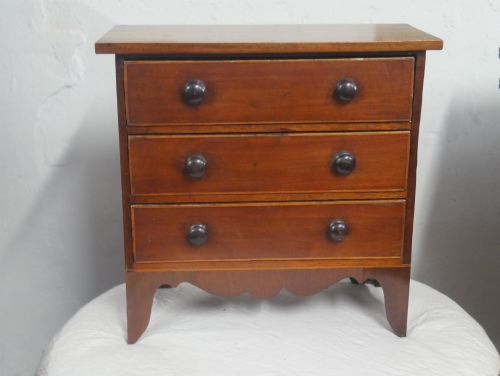
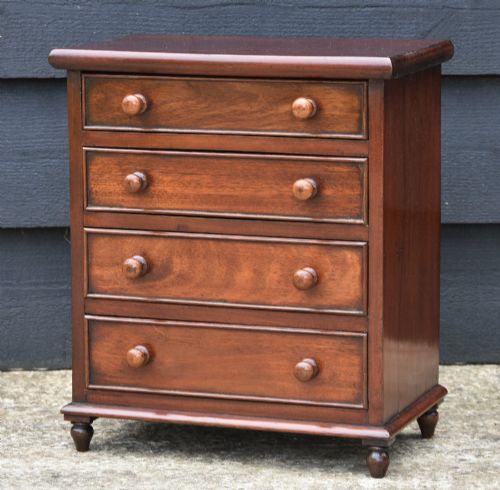
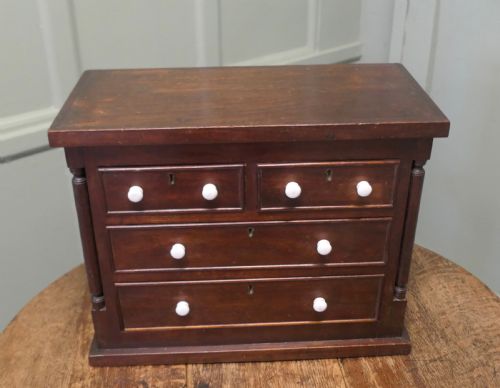
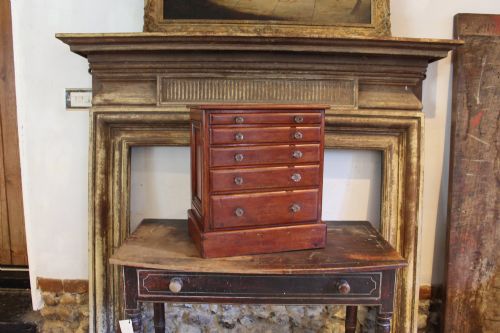
A 19th century miniature cupboard encompasses tabletop cabinets, collectors' cabinets, and apprentice chests of drawers fashioned in compact proportions. These pieces replicate the architectural styles and storage configurations of larger domestic furniture, from Georgian chests to Victorian commodes.
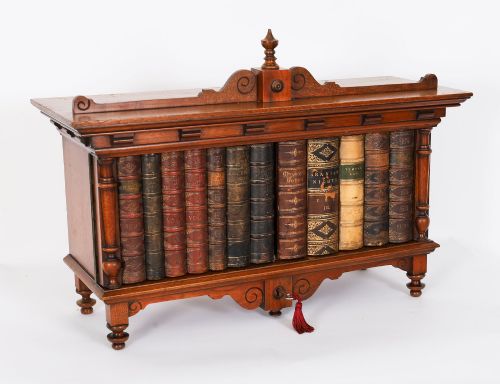
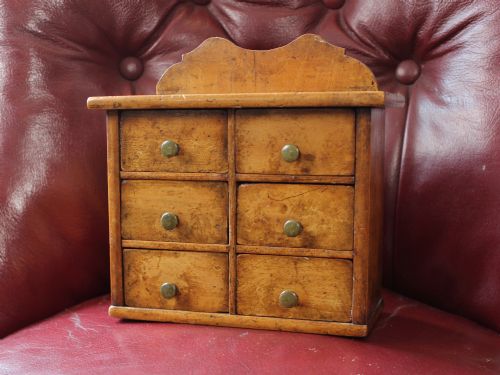
The selections on this page feature regional interpretations including French provincial dressers, Scottish Scotch chests, and Dutch colonial caskets. Table cabinets and spice drawers also appear frequently alongside traditional miniature commodes and locking specimen cases.
Makers often constructed these scaled-down pieces as journeyman showcase items, salesman samples, or specialised household receptacles for jewellery and small valuables. Their dual function as decorative objects and practical storage containers explains their enduring appeal to collectors.
Materials and Construction
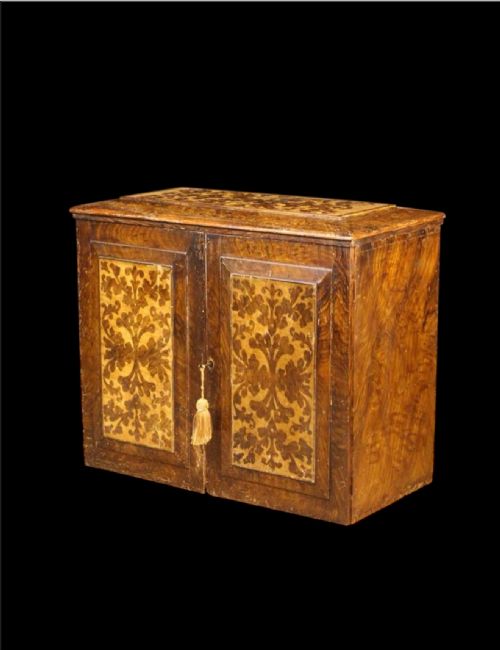
Cabinetmakers utilised dense hardwoods such as mahogany, walnut, kingwood, and fruitwood, often selecting burr veneers and pine for secondary framing. Marquetry, floral inlay, mother of pearl, and brass hardware provide decorative contrast on exterior surfaces.
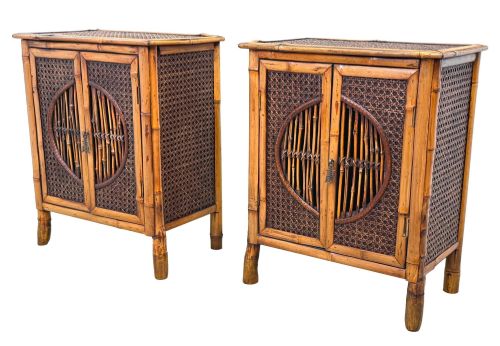
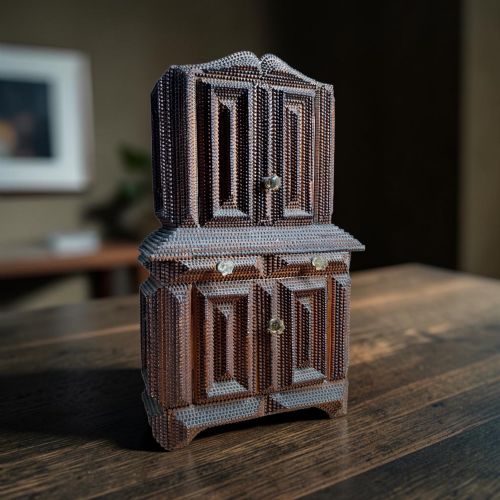
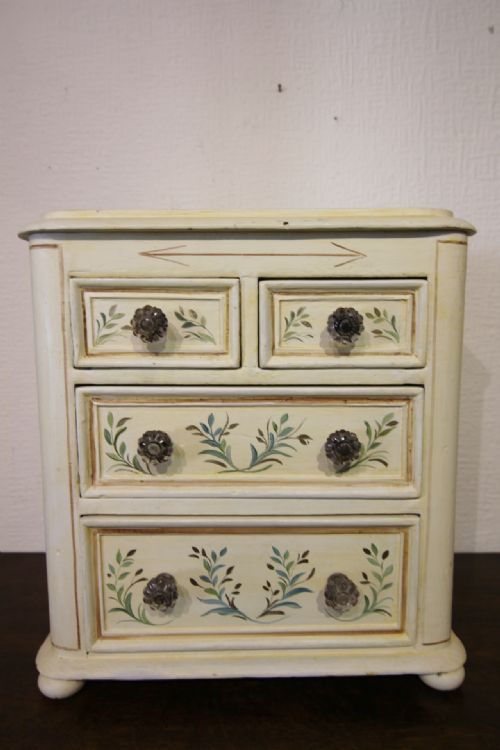
Construction techniques mirror standard cabinetmaking of the period, employing dovetail joints for drawer construction and secret compartments hidden behind friezes or plinths. Painted finishes, tramp art carving, lacquer work, and bamboo structures appear in specific provincial and aesthetic examples.
At least one industrious maker solved the eternal storage dilemma by building secret compartments directly into a miniature chest of drawers.
Distinguishing Quality
Superior examples display precise timber selection, matching grain patterns across drawer fronts, and refined dovetail joinery executed by skilled hands. The integration of functional locking mechanisms, secret drawers, and delicate inlay work elevates a piece beyond simple vernacular craft.
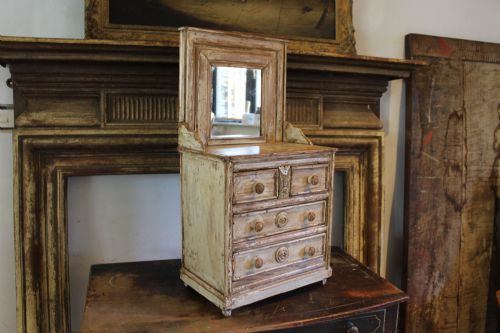
Proportion and fidelity to period architectural details separate standard utilitarian boxes from accomplished cabinet work. Pieces retaining original polished surfaces, period brass handles, and intact glass or mirrored elements command greater interest from discerning collectors.
The 19th Century Miniature Cupboard Glossary
- Apprentice piece
- A demonstrative item created by a tradesman to prove skill and secure admission to a guild or master status. These miniature chests and cabinets showcase advanced joinery.
- Collectors cabinet
- A specialised tabletop case designed to house natural specimens, coins, or small treasures in shallow, graduated drawers. They often feature locking doors to protect contents.
- Tramp art
- A folk art style of woodwork created by carving layers of notched wood from scrap materials like cigar boxes. Examples on this page include buffet table cabinets.
- Scotch chest
- A regional furniture form featuring a deep cushion-moulded top drawer above central smaller drawers. Miniature versions replicate this distinctive Scottish vernacular style.
19th Century Miniature Cupboard: Frequently Asked Questions
What were 19th century miniature cupboards used for?
These compact pieces served multiple purposes in the nineteenth century, functioning as salesman samples, master craftsman test pieces, or refined household receptacles. Owners used them to store jewellery, documents, or specialised collector specimens.
Their scaled dimensions allowed them to sit comfortably on tabletops, desks, or chests of drawers. This made valuable items accessible while keeping them securely enclosed.
What woods were commonly used?
Mahogany and walnut dominate the selection, appearing in both solid construction and decorative veneer work. Cabinetmakers also utilised fruitwood, pine, kingwood, and exotic hardwoods depending on regional availability.
Inlay work frequently incorporates lighter woods, brass stringing, and mother of pearl to accent the primary timber grain.
Are these pieces fragile?
Solid hardwood construction makes most miniature cupboards remarkably durable, though delicate veneers and applied decorative elements require gentle handling. Fine hinges, locks, and small brass pulls benefit from occasional careful maintenance.
Keeping them away from direct sunlight and extreme humidity protects the historic polish and prevents timber movement.