
Victorian Adjustable Stand
A victorian adjustable stand provides a mechanical solution for reading, lighting or grooming through telescopic brass stems or wooden ratchets.
Victorian Adjustable Stand
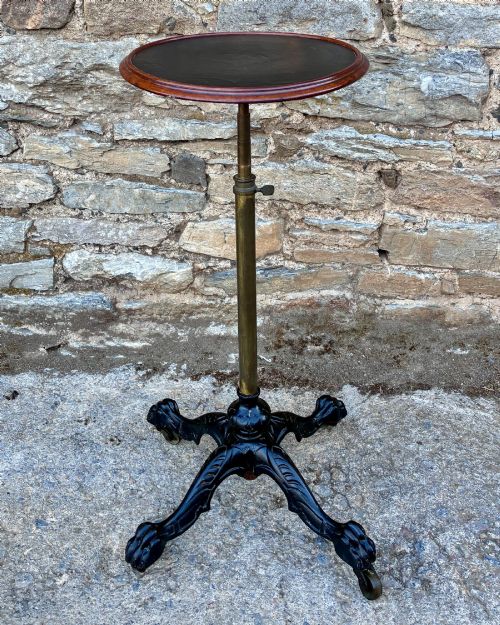
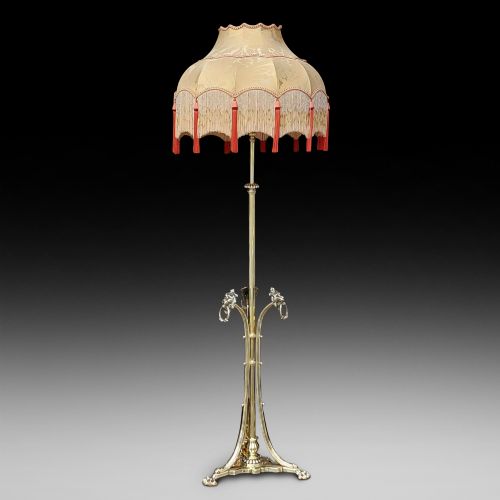
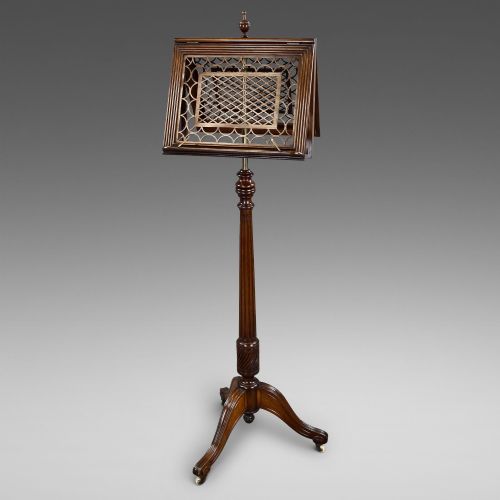
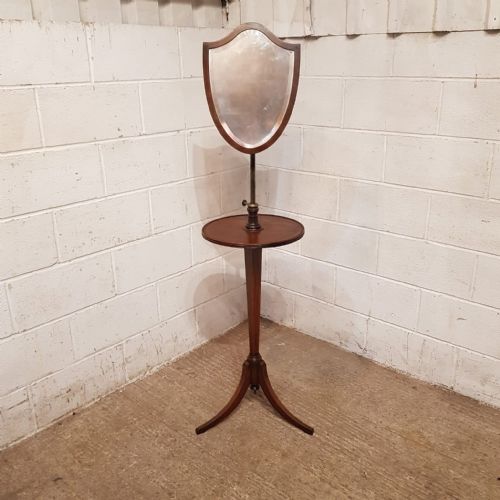
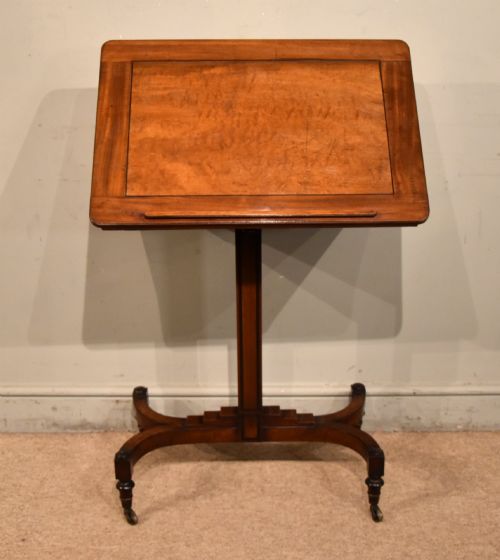
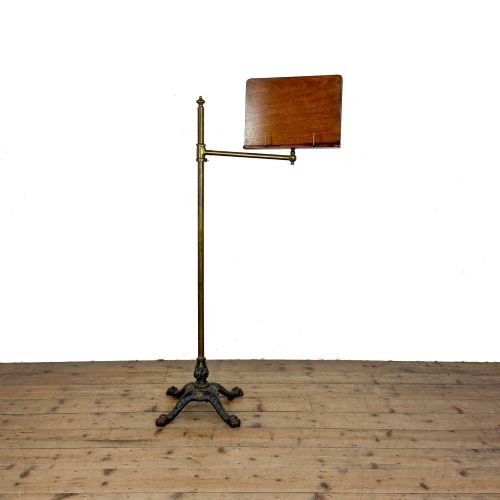
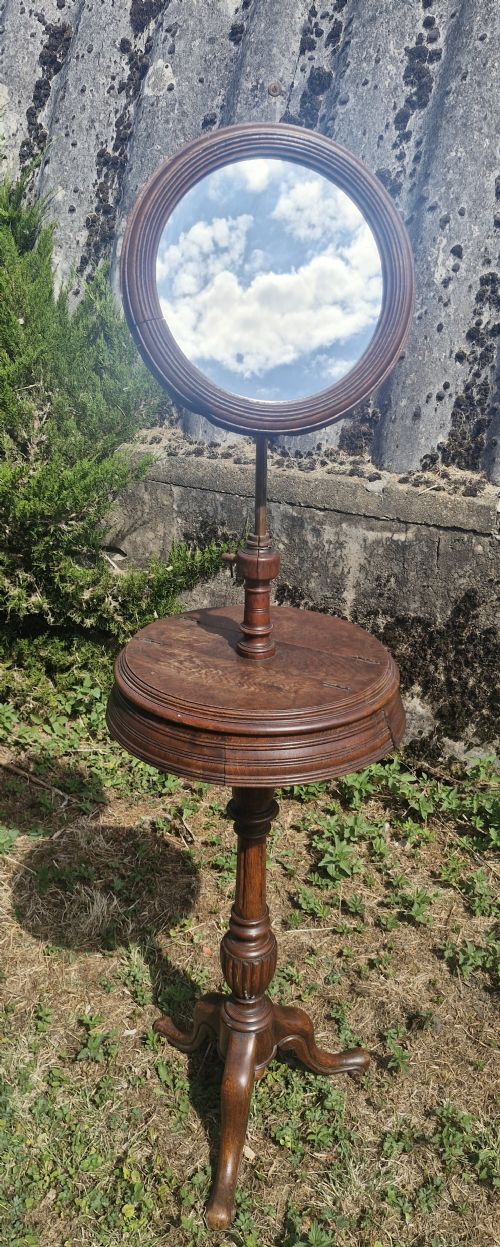
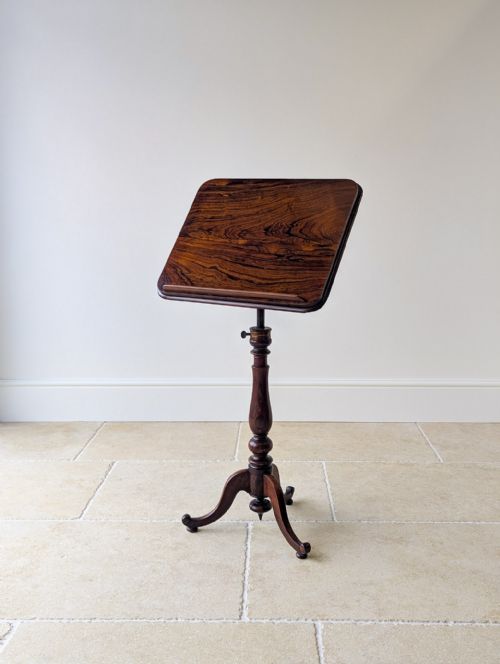
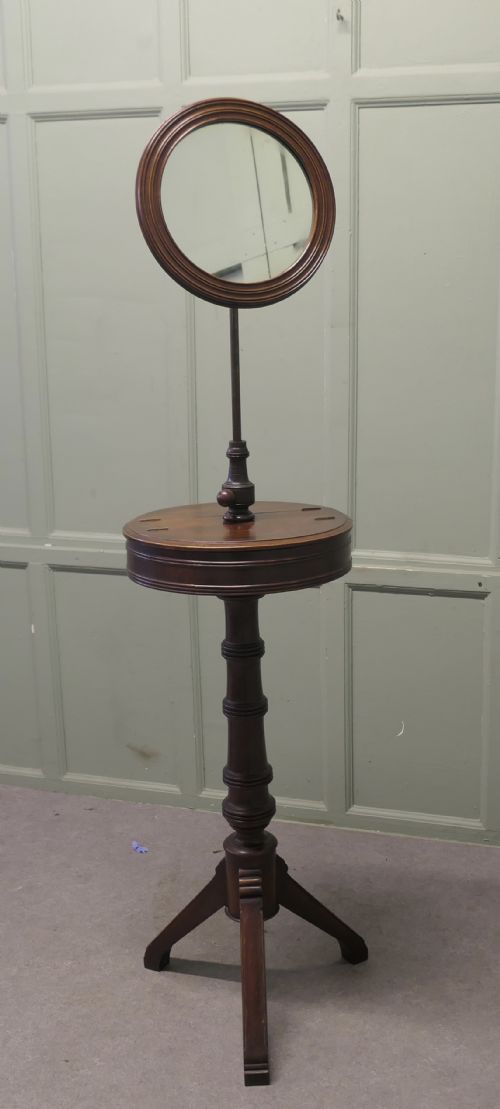
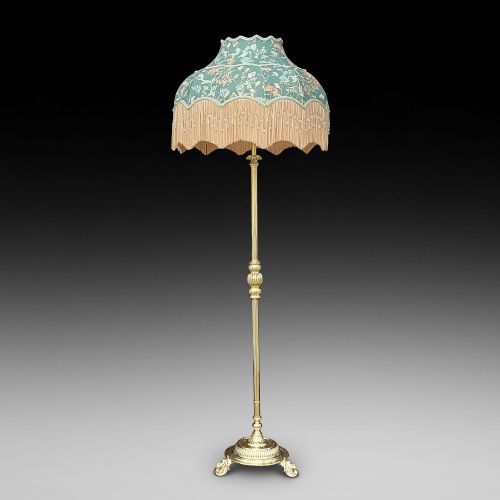
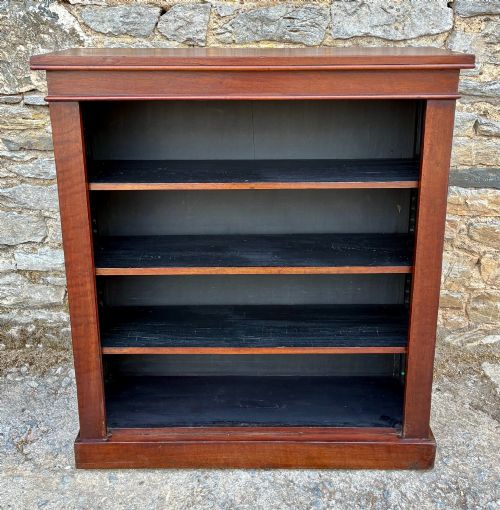
A victorian adjustable stand spans a wide variety of domestic furniture designed to alter in height, angle or position for specific tasks. The selection centres on reading stands, music stands, shaving mirrors, and floor-standing brass lamps.
The materials reflect the tastes of the nineteenth century, uniting dense timbers with polished metals and cast iron. Oak, mahogany, rosewood and walnut dominate the wooden framework, while brass provides the telescopic mechanism for lamps and mirrors.
Originating predominantly within the Victorian period alongside Regency and Edwardian variants, these pieces served utilitarian purposes in libraries, music rooms and dressing areas. Their mechanisms rely on screws, ratchets or weighted counterbalance systems to hold position.
Materials and construction
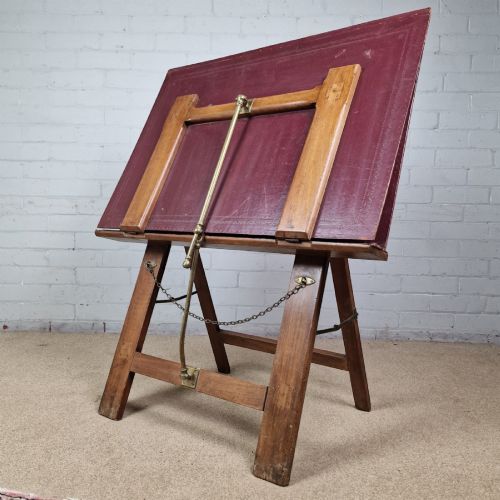
Joinery techniques combined traditional cabinet-making with metalworking, allowing timber desks and mirrors to pivot on brass hinges while vertical standards slide smoothly within outer sleeves. Ratchet mechanisms and thumb screws secure the moving parts at the desired height or angle.
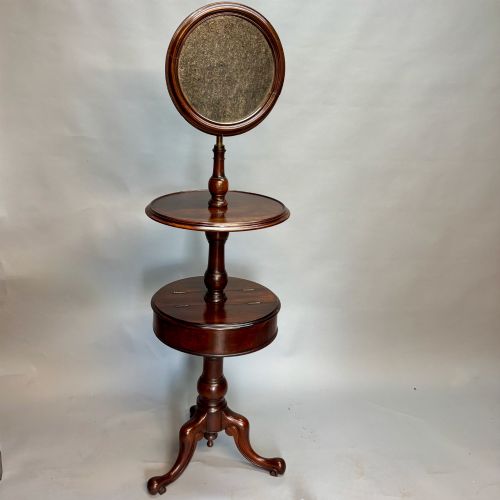
Some Victorian gentleman managed their morning routine with stands featuring built-in compartments for soap, mirrors, and wig storage.
Assessing quality
Quality depends upon the precision of the mechanical adjustment and the integrity of the original components. Smooth movement in telescopic brass stems and sturdy locking mechanisms distinguish superior examples from ordinary production.
The selection of timber grain, the weight of cast metal bases, and the presence of makers' marks indicate the workshop standards. Fine carving on mahogany or walnut frames and intact brass fittings elevate a utility object into a finished piece of parlour furniture.
GILLOWS·Swann & Millican·Carters·WAS Benson·AFC
The Victorian Adjustable Stand Glossary
- Telescopic
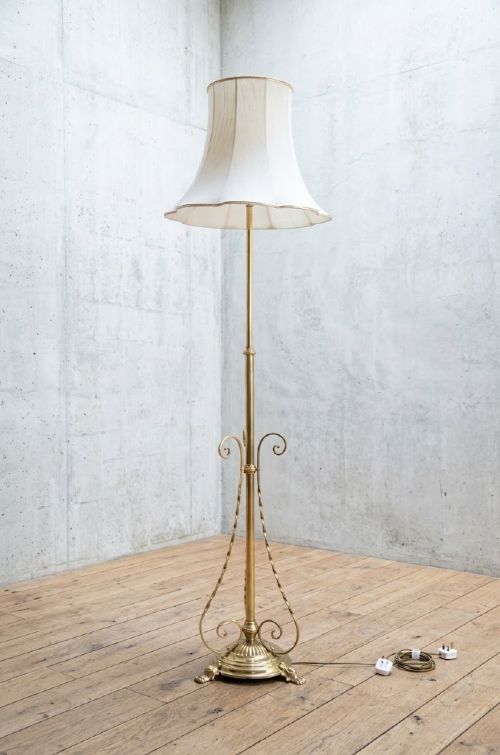
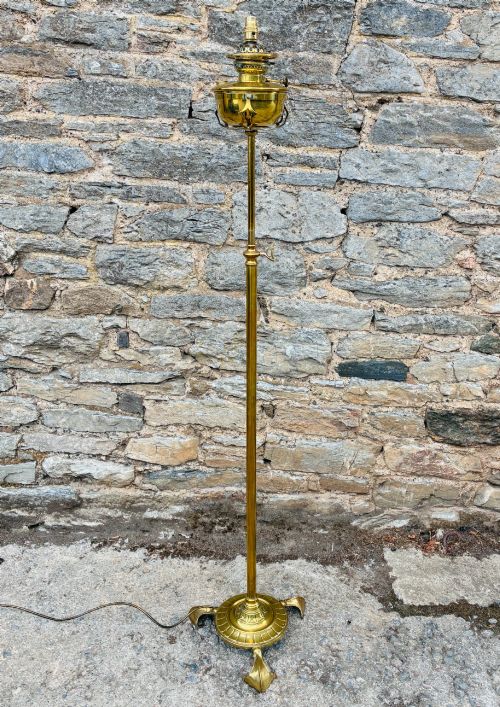
- Describing a cylindrical stem that extends via concentric sliding tubes. This mechanism allows floor lamps and shaving stands to alter height quickly.
- Ratchet
- A notched metal rack and pawl mechanism used to adjust the angle of reading desks or mirror frames. It locks the resting surface securely into multiple fixed positions.
- Tripod base
- A three-legged support structure commonly found on music stands and shaving mirrors. It provides stability on uneven nineteenth-century floorboards.
- Cheval mirror
- A large standing mirror suspended in a frame that tilts on vertical pivots. It permits full-length viewing in bedrooms and dressing rooms.
- Campaign
- Describing furniture engineered for portability, often featuring folding sections or removable parts. These items were built for travel during the nineteenth century.
Victorian Adjustable Stand: Frequently Asked Questions
How do I raise a telescopic standard lamp?
Most brass standard lamps use a central sliding tube secured by a thumbscrew or collar near the upper section. Loosening the screw allows the inner shaft to rise before tightening it again to hold the weight.
Care should be taken to support the fitting firmly with one hand while adjusting the height to prevent sudden drops that might damage internal wiring or old metal threads.
How do I maintain brass telescopic mechanisms?
Sliding brass tubes benefit from a light application of suitable lubricant if movement becomes stiff over time. Keeping the metal clean prevents dust accumulation inside the outer sleeves.
Avoid forcing stuck screws or rusted joints, as nineteenth-century brass threads require gentle handling to preserve their original integrity.
Where were shaving stands placed?
Shaving stands and adjustable mirrors stood near bedroom windows or dressing rooms where natural morning light aided grooming routines. Their compact tripod bases or cabinet designs allowed easy relocation.
Many incorporated small drawers for razors and soap alongside pivoting mirrors that tilted to catch the optimal angle of light.