

Victorian Mahogany Dressing Stand
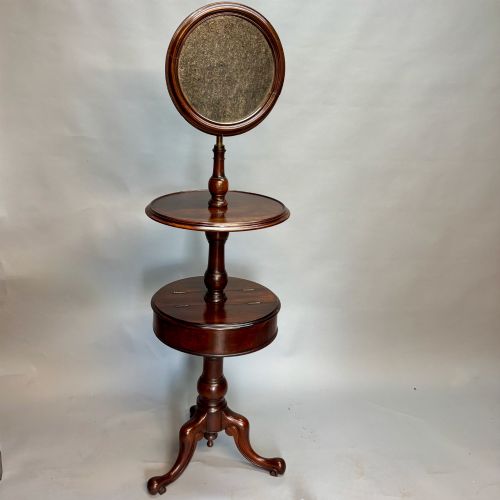
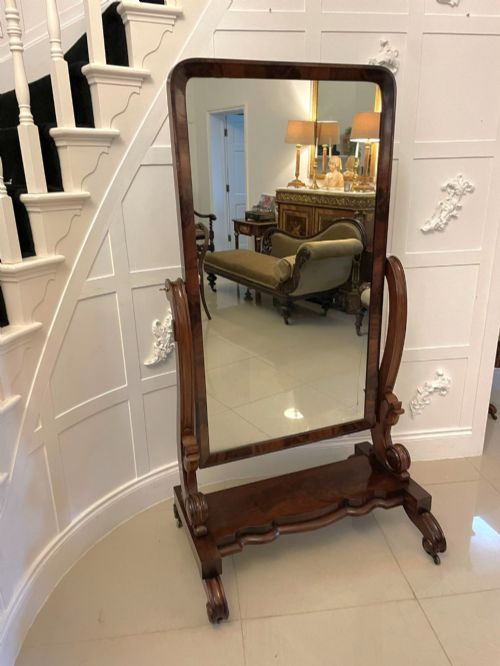
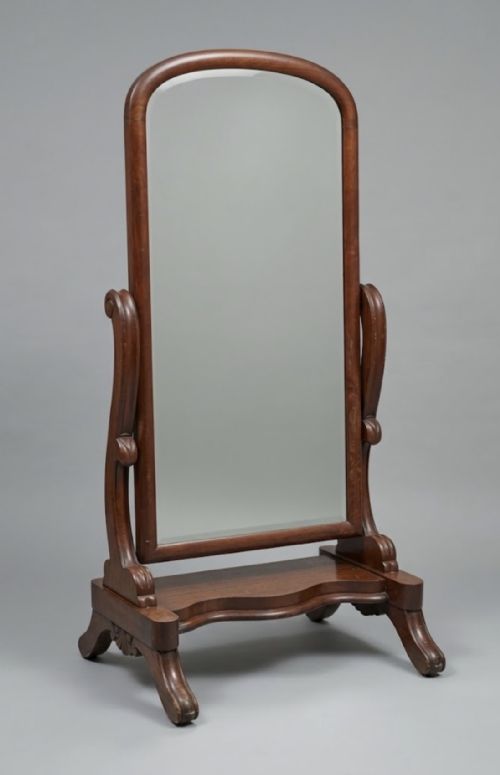
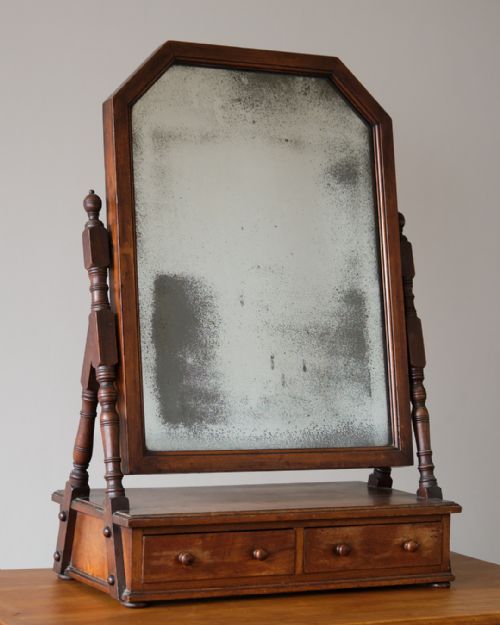
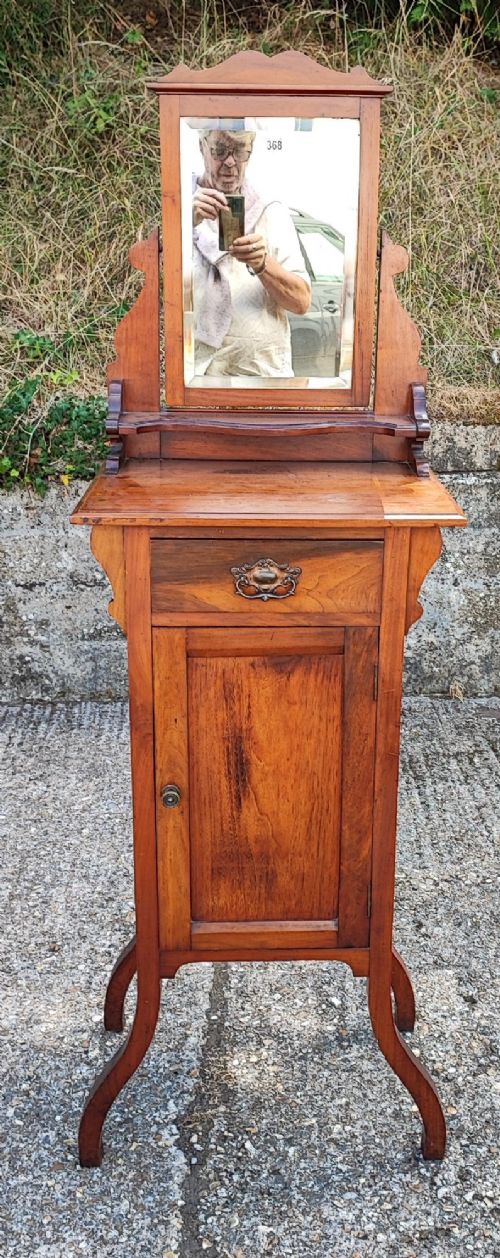
A victorian mahogany dressing stand combines functional grooming with rich timber, typically taking the form of a floor-standing cheval mirror or adjustable shaving glass.
Victorian Mahogany Dressing Stand
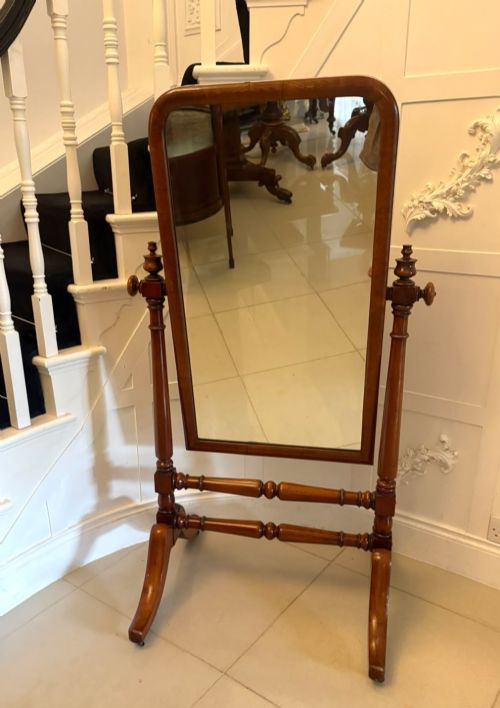
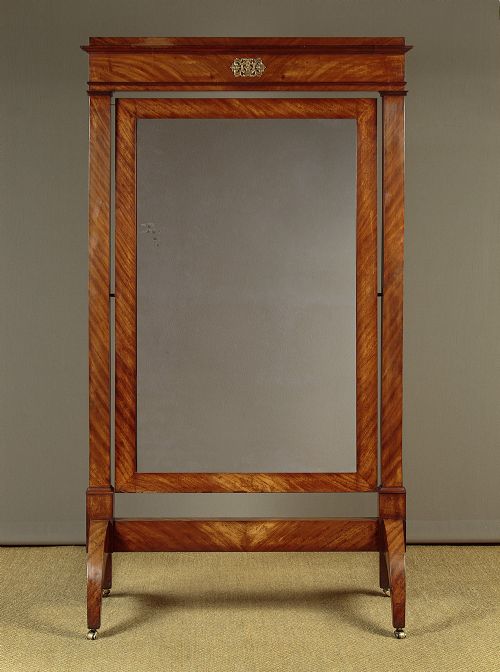
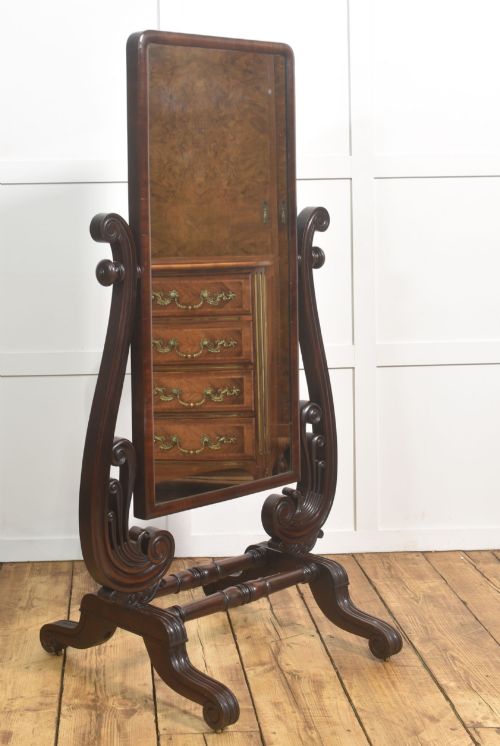
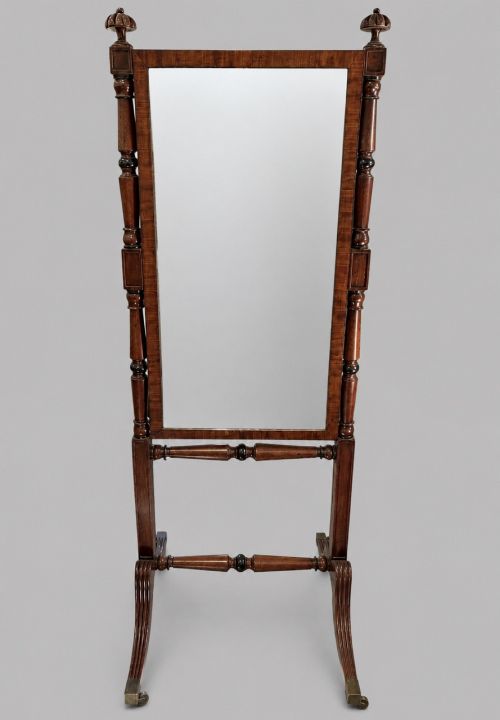
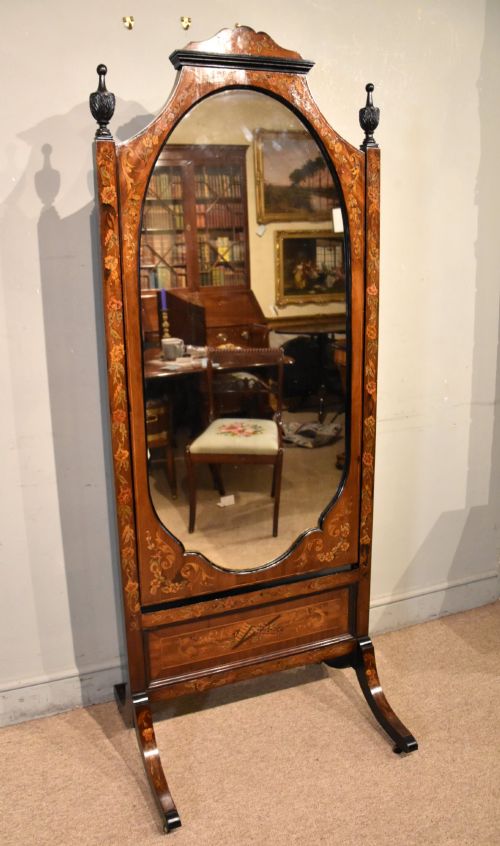
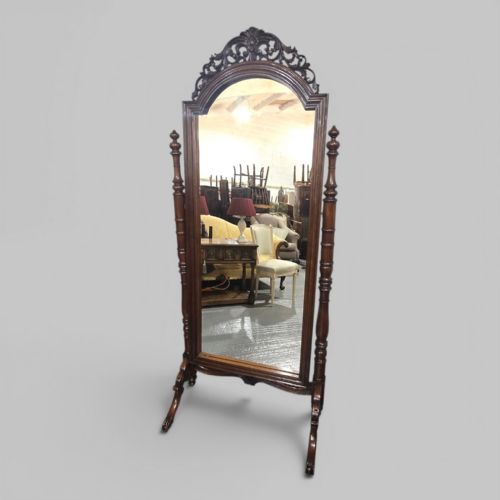
A victorian mahogany dressing stand encompasses a variety of freestanding bedroom furniture designed for personal grooming and reflection, drawing heavily on earlier Regency lines while embracing mid-nineteenth-century proportions. The most common forms on this page are tall cheval mirrors and adjustable table-top dressing glasses supported on robust frames.
How they were made
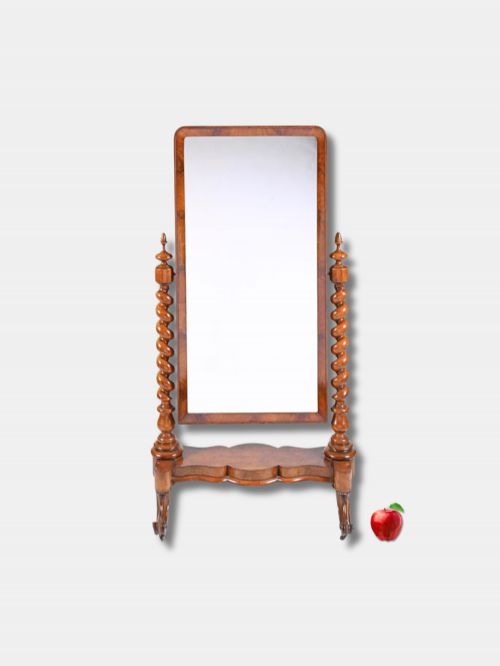
Cabinetmakers utilised dense solid mahogany and flame mahogany veneers, frequently mounting the pivoting mirror plates within sturdy uprights strengthened by barley twist supports or sabre legs. Brass fitments such as castors, sabots, and adjustable pivots provided both mobility and mechanical utility for tilting the glass.
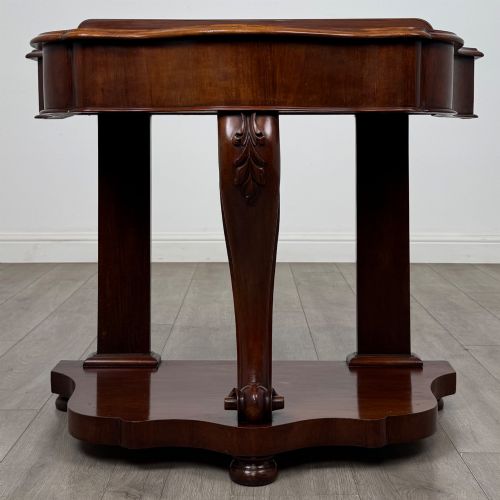
Secondary structural elements incorporated walnut, marquetry inlay, and occasionally marble or ceramic tiles on washstand variants. Frames were joined using traditional cabinetmaking techniques to support the considerable weight of heavy mirror glass.
Listings feature 19th Century, Victorian, Edwardian, and Regency periods alongside materials such as mahogany, brass, marble, and ceramic tiles.
What varies in quality
The distinction between standard utility items and finer examples rests on the selection of timber grain, such as figured flame mahogany, and the sophistication of the carving on the uprights and feet. Superior pieces display substantial brass hardware, robust mechanical adjustments for the mirror plate, and balanced proportions that anchor a large floor-standing frame securely.
Execution of secondary details, including inlaid marquetry and the integration of auxiliary components like marble tops or accessory drawers, marks the separation between mass-produced bedroom furniture and bespoke workshop output.
Heal And Sons·Harrods
The Victorian Mahogany Dressing Stand Glossary
- Cheval mirror
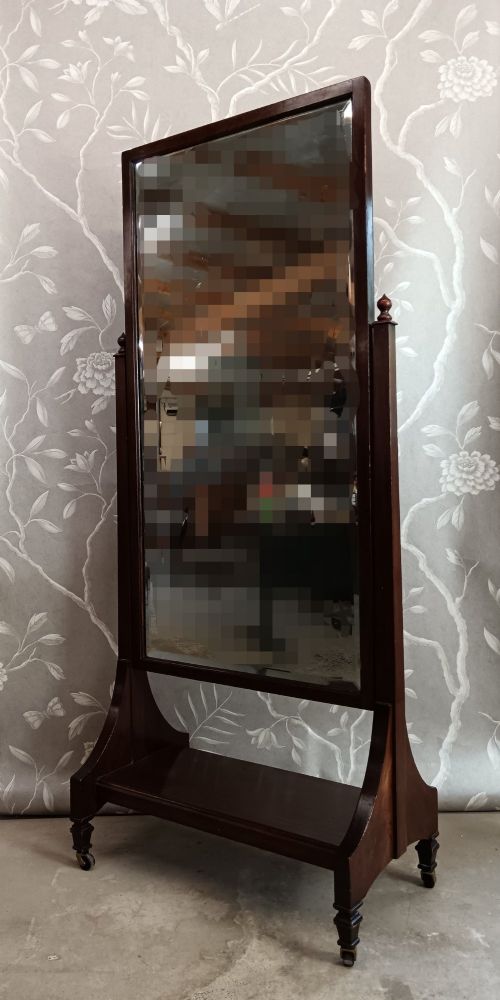
- A large, full-length mirror suspended on a vertical floor-standing frame that allows it to swing. This form became a centrepiece of the Victorian bedroom.
- Shaving stand
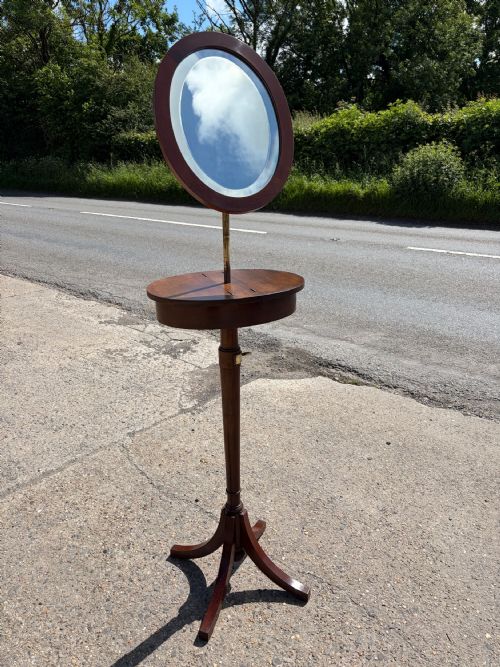
- A specialised adjustable mirror stand designed for gentlemen's grooming, often featuring a telescopic column or tripod base. They frequently include small platforms or compartments for shaving equipment.
- Flame mahogany
- A veneer cut from timber where the branch meets the trunk, producing a distinctive flickering flame pattern. Cabinetmakers reserved this decorative grain for the most prominent surfaces.
- Sabre leg
- A curved, outwardly tapering furniture leg popular during the Regency and William IV periods. They often terminate in brass castors or sabots.
- Sabot
- A metal sleeve or cap fitted to the foot of a furniture leg for protection and decoration. Brass was the standard metal utilised on better pieces.
Victorian Mahogany Dressing Stand: Frequently Asked Questions
What is a cheval mirror?
A cheval mirror is a full-length dressing glass mounted on a freestanding vertical frame with pivot pins, allowing the user to tilt the glass to various angles.
First appearing in the late eighteenth century, these large mirrors remained a staple of nineteenth-century bedroom furnishings for checking full attire.
How do I adjust a shaving stand?
Many nineteenth-century shaving stands utilise a telescopic brass column secured by a thumb screw or a ratchet mechanism housed behind the mirror frame.
Turning the adjustment fixture allows the glass to be raised, lowered, or tilted to suit the user's requirements during grooming.
Where were these pieces used?
These stands were designed primarily for private bedchambers, dressing rooms, and hotel suites throughout the nineteenth and early twentieth centuries.
Freestanding cheval mirrors offered flexibility in room layout without requiring wall fixings, while smaller shaving stands sat upon tabletops or occupied bedroom corners.
How do I date a mahogany frame?
Dating relies on examining structural characteristics, timber selection, and hardware styles, comparing early Regency sabre legs against later Victorian barley twist supports.
Earlier pieces often display hand-cut joinery and simpler brass fittings, whereas late nineteenth-century examples may incorporate machine-turned details or different secondary woods.