


Vernacular Oak Table
These vernacular oak table pieces offer honest country craftsmanship and robust utility, making them essential additions to an interior that values genuine history.
Understanding the Vernacular Oak Table
A vernacular oak table brings the unpretentious utility of past centuries directly into modern rooms. These pieces originate from regional workshops rather than metropolitan cabinet-makers, showing straightforward construction designed for daily domestic use.
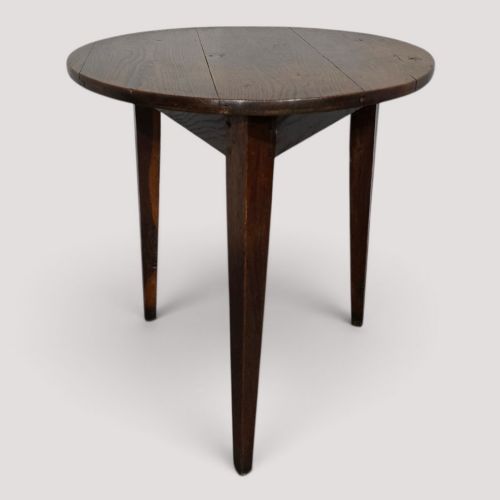
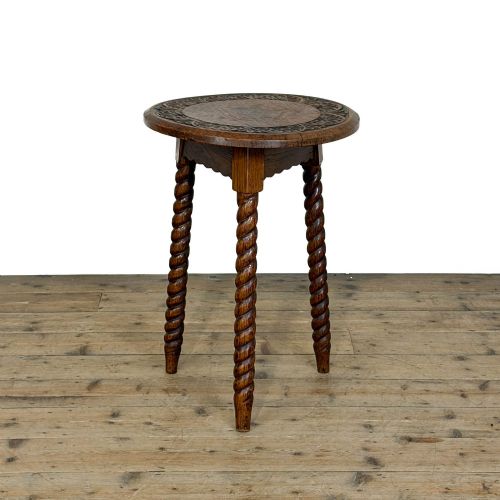
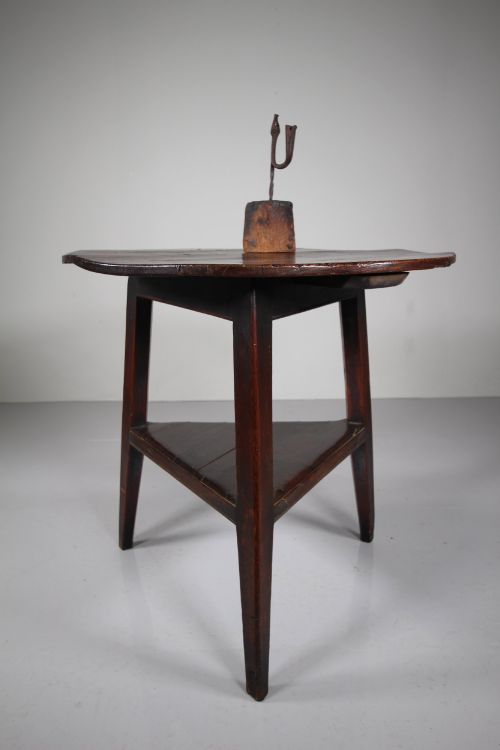
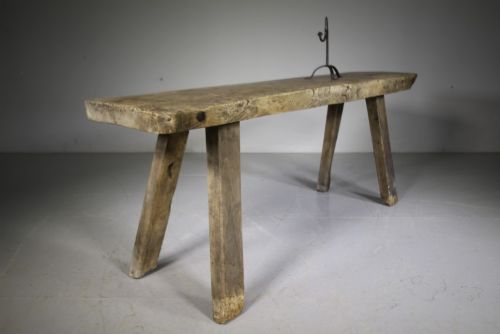
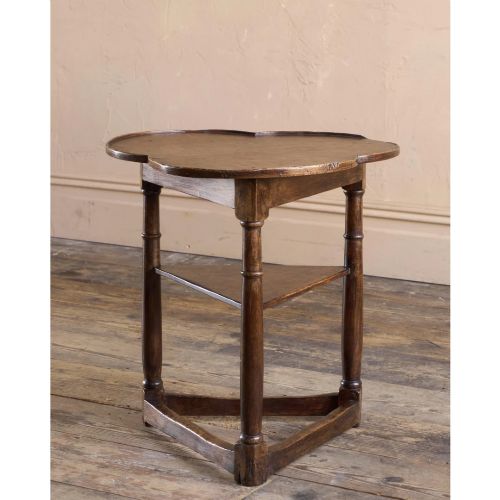
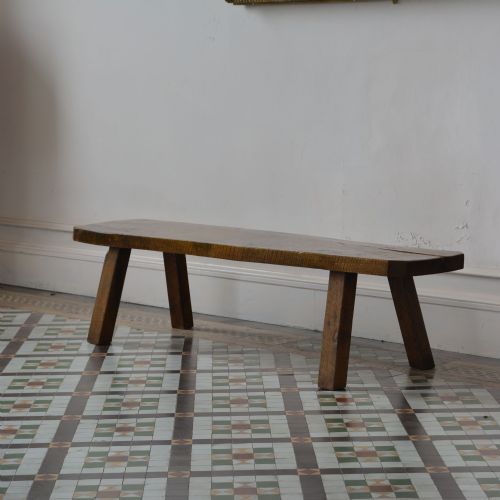
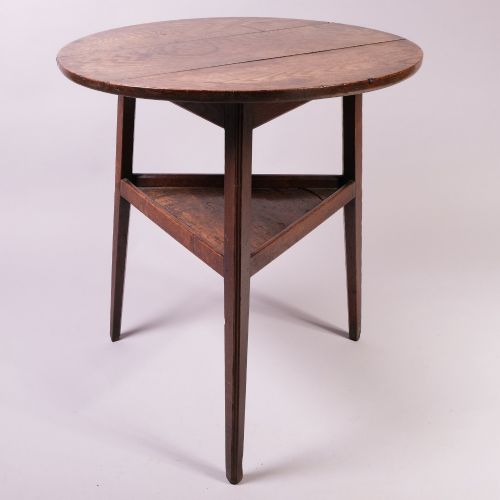
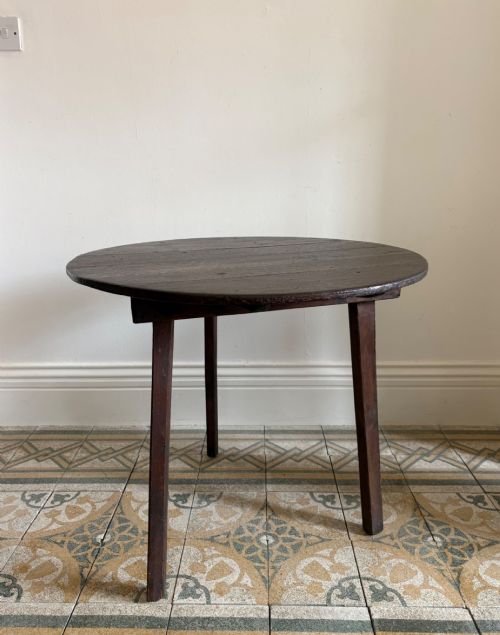
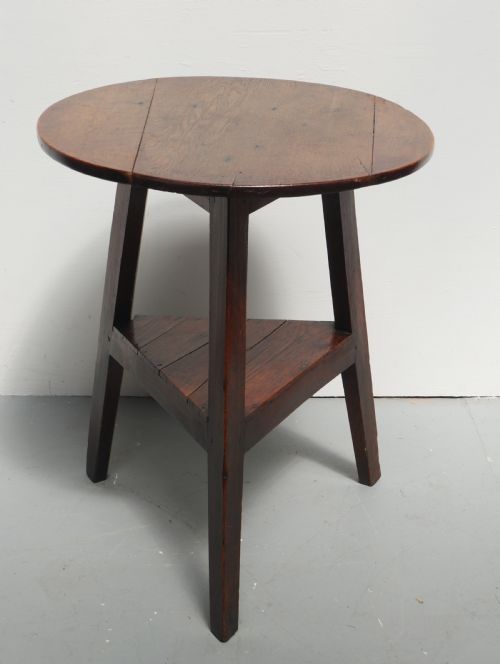
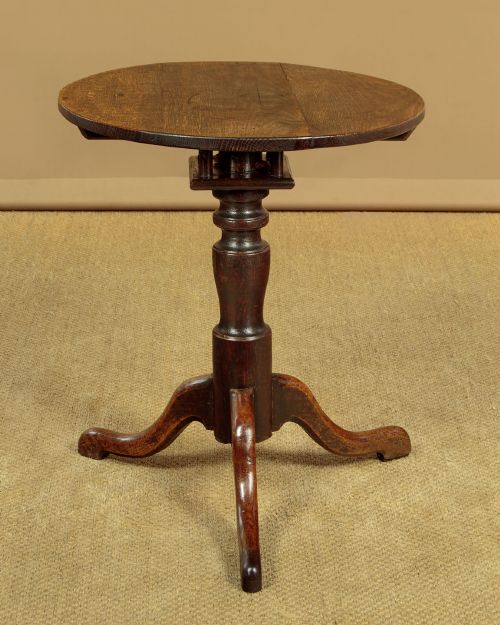
You will most frequently encounter compact tripod tables and three-legged cricket forms across the selection. Dining and serving variations also appear alongside trestle formats utilising auxiliary woods like pine and poplar.
The periods represented span the eighteenth and nineteenth centuries, including specific Georgian examples and late nineteenth-century items dated around eighteen ninety. Their forms remain resolutely practical, shaped by the demands of rural households.
Materials and Construction
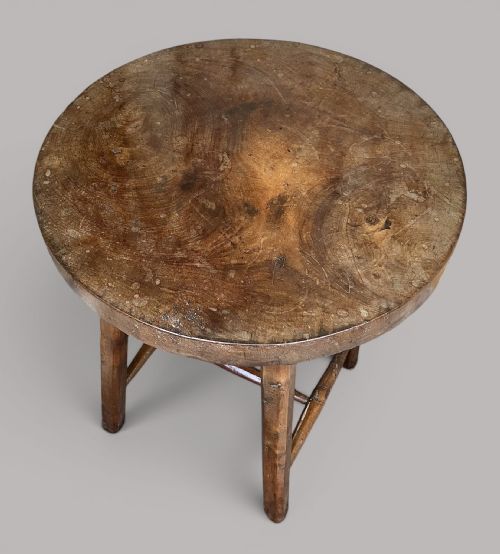
Makers built these tables primarily from solid oak, sometimes pairing the heavy timber with secondary woods such as pine and poplar. Certain tabletops were fashioned from a single solid piece of timber rather than multiple joined boards.
Construction methods relied on traditional joinery suitable for country workshops without the elaborate veneer work of fashionable urban furniture. The resulting structures prioritize stability and straightforward utility above decorative flourish.
Retail Price Guide 2026
Typical UK retail prices for vernacular oak table, calculated from the Sellingantiques database of over a million retail prices indexed since 2003. This retail price guide relies exclusively on Sellingantiques data; no external sources or auction records are used, so the figures do not describe the wider market.
Judging Quality and Character
Quality in these pieces rests upon the integrity of the timber and the directness of the construction. Tables featuring tabletops cut from a single solid piece of oak command attention for their surface expanse and material honesty.
Proportion and the natural patina developed through generations of use separate the more compelling examples from simpler items. The relationship between the top and the supporting legs dictates the visual balance of each piece.
The Vernacular Oak Table Glossary
- Vernacular
- Furniture made locally by country craftsmen for everyday use rather than following high-style urban fashions. It relies on regional traditions and available materials.
- Cricket table
- A small, lightweight three-legged table traditionally used beside the hearth. The three-legged design ensured stability on uneven farmhouse floors.
- Trestle table
- A table consisting of horizontal beams supported by two vertical frames or trestles. This form allows maximum legroom and dates back centuries in domestic interiors.
- Tripod table
- A standalone table supported by a central pillar terminating in three feet. They emerged in various forms throughout the eighteenth and nineteenth centuries.
- Patina
- The deep surface sheen and colour developed by wood over long periods of handling and exposure. It serves as a visual record of age and use.
Frequently Asked Questions
What is a vernacular oak table?
A vernacular oak table is a piece of country furniture made by local craftsmen during the eighteenth or nineteenth century. These tables prioritize practical domestic use over metropolitan stylistic trends.
They appear in forms such as tripod tables, cricket tables, and serving tables. Their construction typically involves solid oak, sometimes accompanied by poplar or pine.
How were cricket tables used?
Cricket tables served as versatile household items positioned beside the hearth or used for light dining and tasks. Their three-legged configuration provided steady footing on uneven stone or timber floors.
Today these compact pieces function well as side tables or occasional surfaces in living spaces.
How do I care for antique oak?
Antique oak benefits from simple maintenance using natural beeswax to nourish the dry wood and protect the surface. Avoid placing these tables in direct sunlight or near heat sources that could dry out the timber.
Regular gentle dusting preserves the historic patina without stripping away the character accumulated over centuries.
How can I tell the age of these tables?
Dating relies on observing construction techniques, tool marks, timber characteristics, and the natural wear patterns on the wood. Eighteenth-century examples often display distinct hand-working methods compared to later nineteenth-century pieces.
Comparing the joinery and overall form with documented period items helps establish an accurate timeframe.