
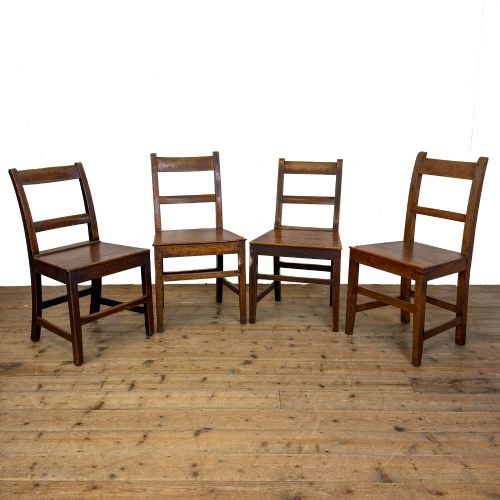


Vernacular Oak Dining Chairs
Vernacular oak dining chairs are honest country seating built for everyday life, offering sturdy construction and enduring rustic character.
Vernacular Oak Dining Chairs
Vernacular oak dining chairs are everyday country seats shaped by local traditions rather than metropolitan design books. When you search for vernacular oak dining chairs, you encounter robust forms built to serve hardworking rural households across generations.
The pieces appearing here span several centuries, reaching from the seventeenth century through the Georgian era and into the nineteenth and early twentieth centuries. You meet sets of kitchen chairs, single armchairs, side chairs, and matched groups gathered from regions including Wales, Lancashire, Suffolk, and Shropshire.
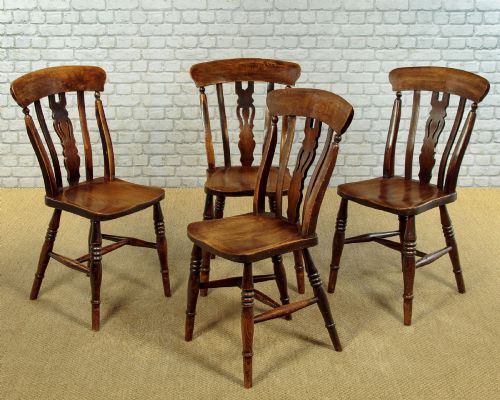
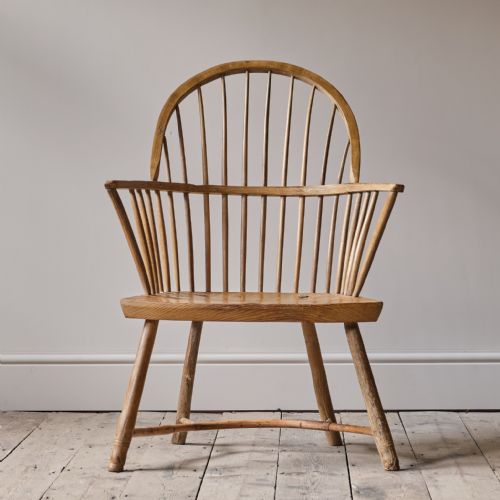
Most examples rely on local timber traditions, combining oak structures with secondary woods like elm, ash, and beech for seats and spindles. These chairs range from simple ladderbacks and spindlebacks to hoop-backed Windsors and joined chairs designed for farmhouse kitchens and halls.
Materials and Construction
The makers of these chairs utilised native hardwoods, pairing durable oak frames with flexible ash or elm for steam-bent components and carved seats. Carpenters shaped solid timber using traditional joinery, turning spindles on lathes and wedging legs directly through thick wooden seats.
Seating surfaces often incorporate carved solid wood planking, sometimes referred to as penny seats, or woven rush dropped into rebated frames. Regional workshops depended on readily available local materials, resulting in sturdy combinations of hardwood and softwood tailored to daily domestic demands.
Vernacular Oak Dining Chairs Retail Price Guide 2026
Typical asking prices for vernacular oak dining chairs among the pieces listed under this phrase on Sellingantiques today, from the lower quarter to the upper quarter. They describe what is for sale here now, not the wider market.
Listings feature regional pieces from Welsh valleys, Lancashire, and Suffolk alongside Shropshire farmhouse chairs dating across three centuries.
Markers of Quality and Integrity
Quality in these rural chairs rests on the integrity of the timber, the honesty of the construction, and the preservation of original surfaces. Chairs retaining their early patinated finish and sound structural joints stand apart from those stripped down or heavily rebuilt with replacement components.
Proportion and regional character dictate desirability, with well-balanced armchairs and matched sets carrying stronger visual presence than altered single pieces. The skill of the local carpenter shows in the comfort of a shaped seat, the taper of a turned spindle, and the tightness of the leg joints.
The Vernacular Oak Dining Chairs Glossary
- Ladderback
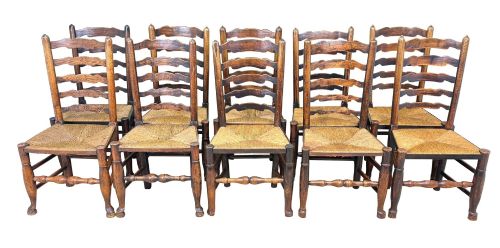
- A chair back constructed from horizontal wooden slats or rails stacked between upright posts. This traditional form appears frequently in regional country seating.
- Windsor
- A chair built with a solid wooden seat into which the legs and back spindles are separately bored and wedged. These comfortable seats often combine ash, elm, and other native timbers.
- Spindleback
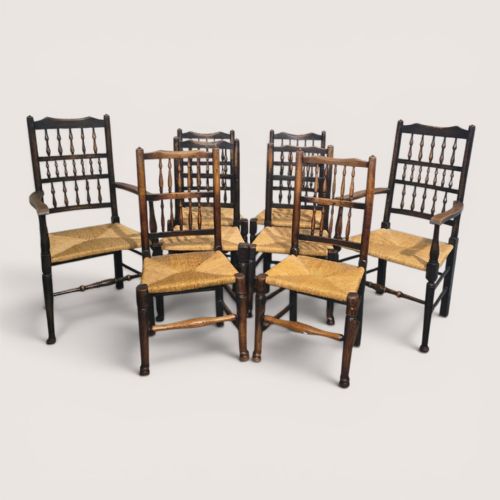
- A seating form featuring multiple thin turned vertical wooden rods supporting the backrest. Lancashire and Welsh makers produced notable regional variants of this design.
- Harlequin set
- A collection of dining chairs that share similar general styles, heights, or periods while varying slightly in individual detail. These matched groups were typically assembled over time.
- Joined chair
- An early form of seating constructed using mortise and tenon joinery secured with wooden pegs. This technique preceded the widespread adoption of turned and Windsor construction methods.
- Penny seat
- A solid wooden chair seat shaped with a circular depression or dip for comfort. The term derives from the appearance of the shallow concavity carved into the plank.
Vernacular Oak Dining Chairs: Frequently Asked Questions
What makes a chair vernacular?
A vernacular chair is built by local craftsmen following regional traditions rather than following formal urban design patterns. These pieces reflect the materials, tools, and daily needs of their specific geographic origin.
Makers utilised whatever sturdy native timbers were close at hand, resulting in unpretentious seating designed purely for utility and durability in farmhouses and cottages.
How do I identify regional styles?
Regional styles appear in the specific turning of spindles, the shaping of armrests, and the particular combination of local woods used. Pieces from Wales, Lancashire, or Suffolk often carry distinct local structural traits.
Comparing back designs, such as ladderbacks or spindlebacks, alongside the joining methods helps connect a chair to its probable area of manufacture.
Are harlequin sets authentic?
Harlequin sets represent the historical practice of gathering country dining chairs of similar height and style into a usable group. Households frequently added to their seating over many years as needs changed.
Rather than leaving the dining room short of seats, families matched chairs with similar ladderback or spindleback profiles to create a cohesive setting.
How should I care for old oak?
Old oak benefits from stable indoor humidity and protection from direct heat sources that can dry out the timber. Applying a traditional wax polish helps nourish the wood and maintain its surface sheen.
Avoid harsh chemical cleaners and excessive moisture, allowing the historic patina to develop naturally across the surface over time.