

Veneer Walnut Drawers
Veneer walnut drawers combine rich timber figure with practical storage, offering everything from 17th-century oyster work to sleek Art Deco forms.
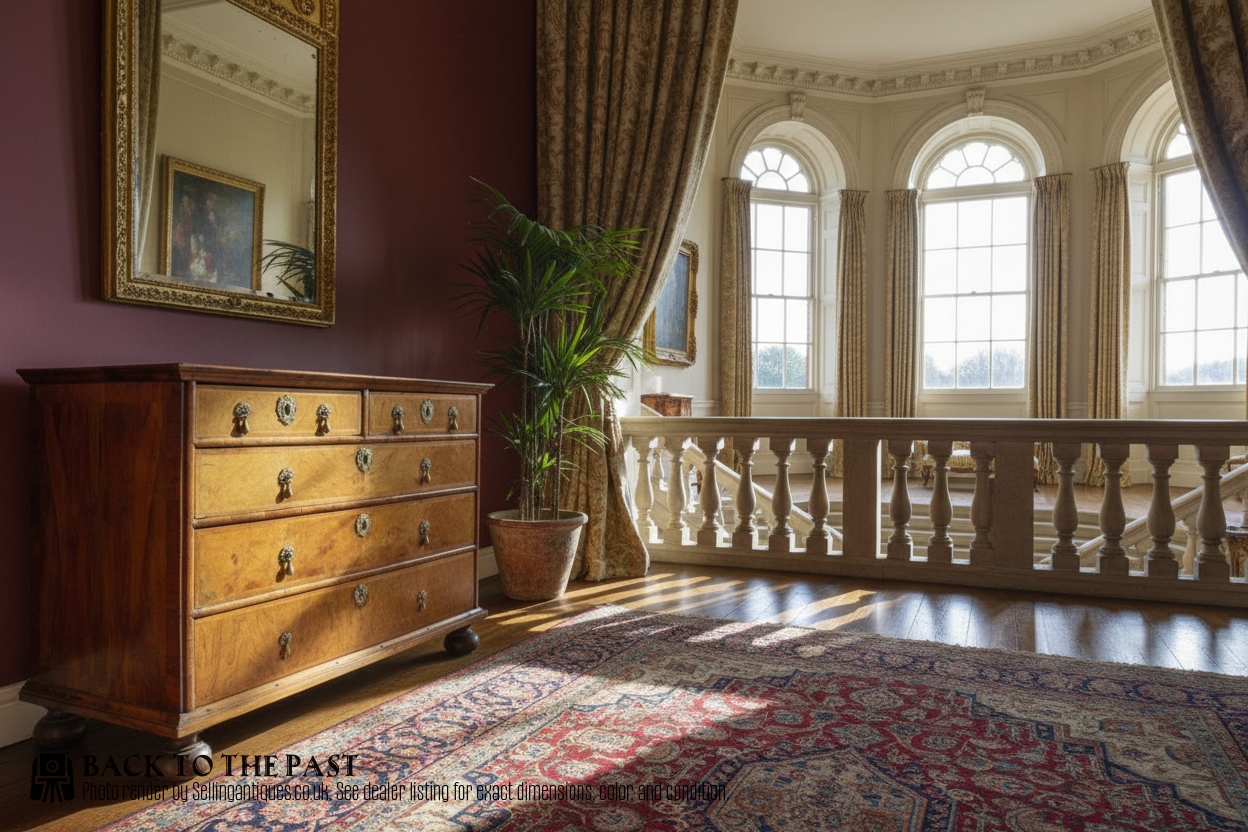
Veneer Walnut Drawers
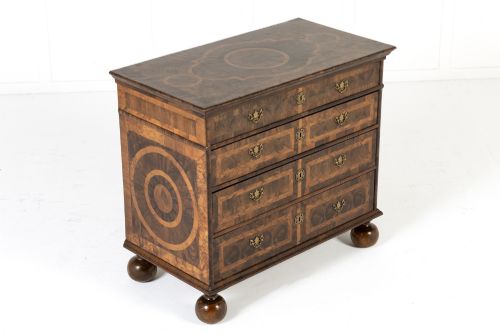
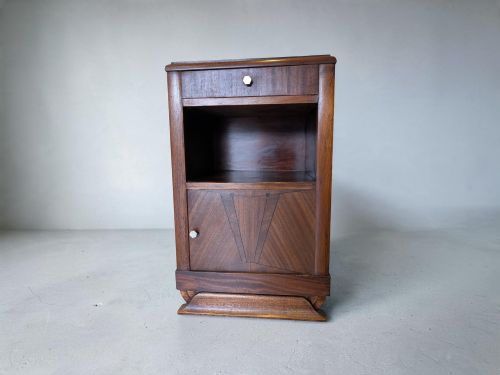
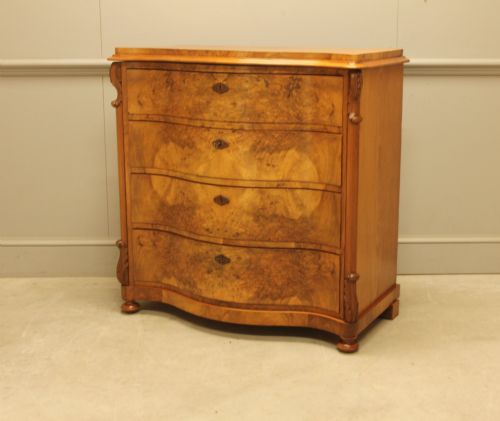
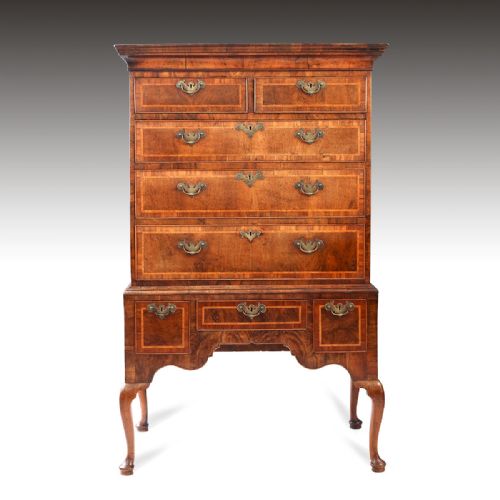
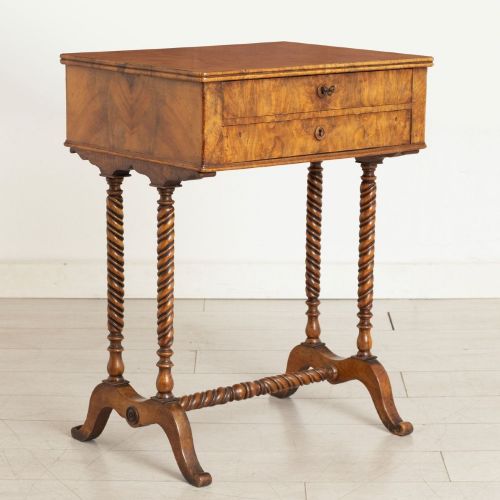
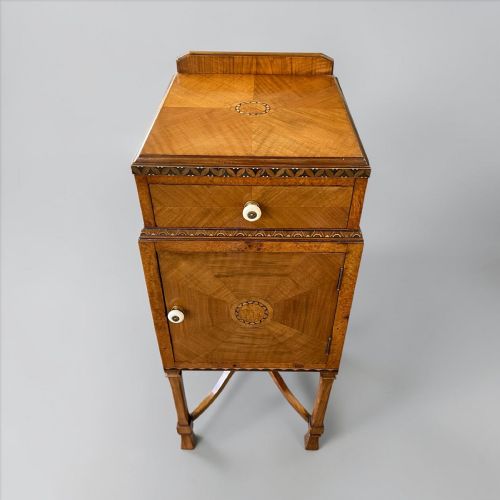
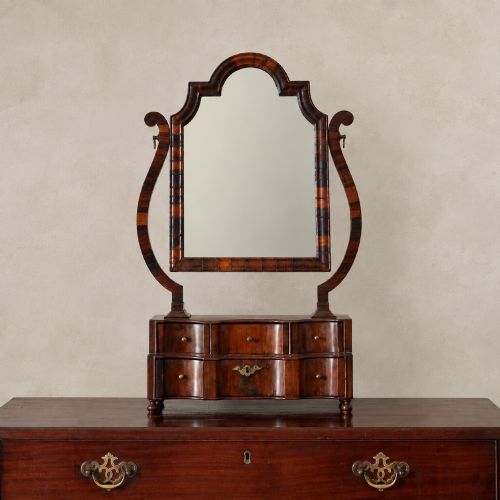
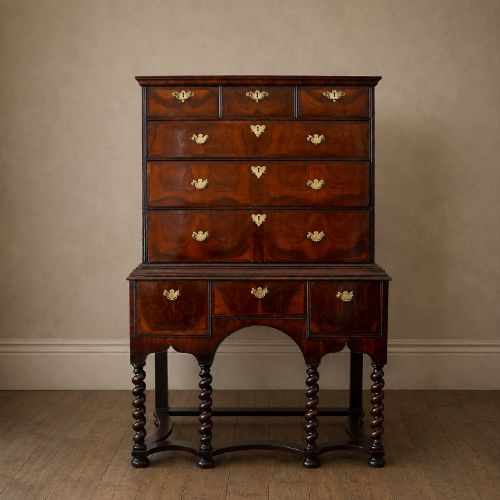
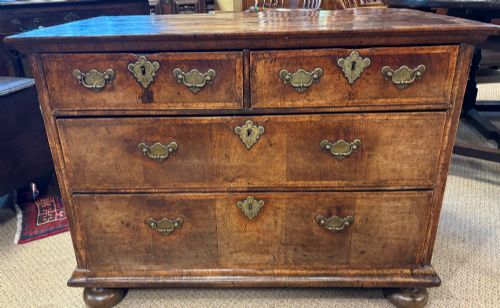
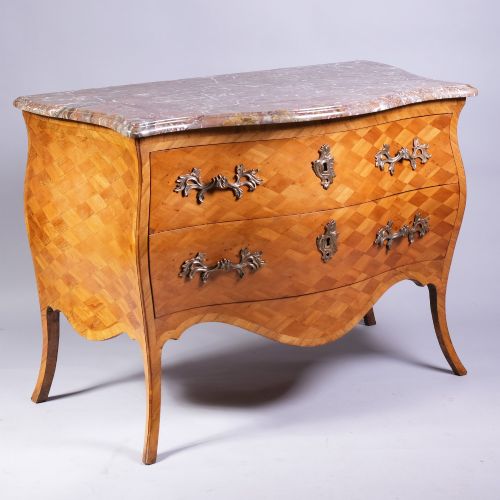
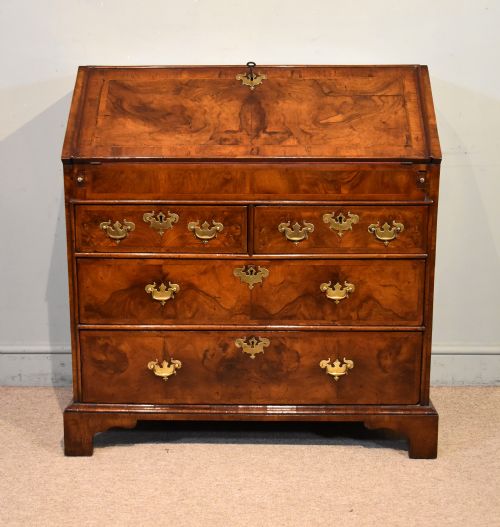
Veneer walnut drawers encompass centuries of cabinet-making, ranging from late seventeenth-century William and Mary period chests on stands to twentieth-century Art Deco bedside tables. Buyers encounter forms such as tall chests, compact commodes, bureaux, and side tables utilising this distinct timber.
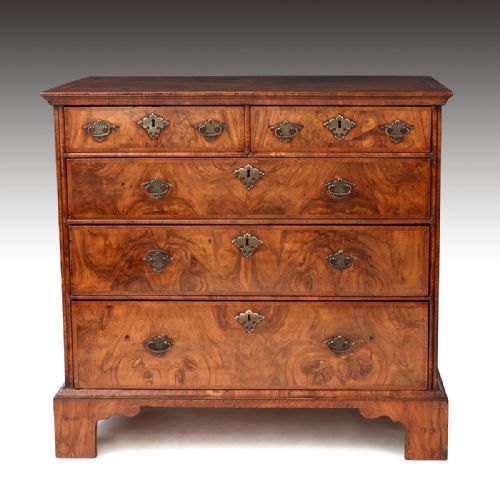
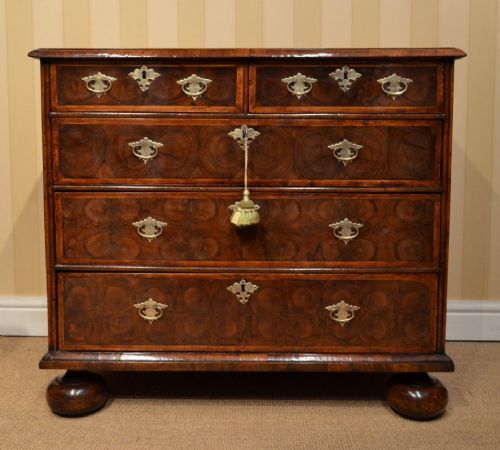
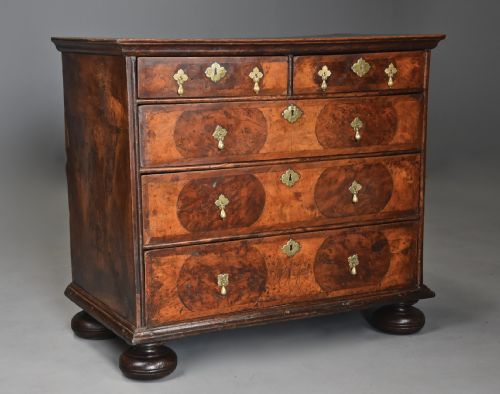
The selection leans heavily toward seventeenth and eighteenth-century examples featuring intricate oyster cut veneers, alongside Georgian pieces and later nineteenth-century Biedermeier or Edwardian designs. These items serve primarily as functional storage while providing strong decorative character through patterned wood grains.
Early periods frequently present walnut combined with olive, laburnum, or marquetry inlay on stands, while later decades favour figured veneers, clean geometric lines, and marble tops. This variety allows collectors to source items matching both historic interiors and modern domestic spaces.
Materials and construction methods
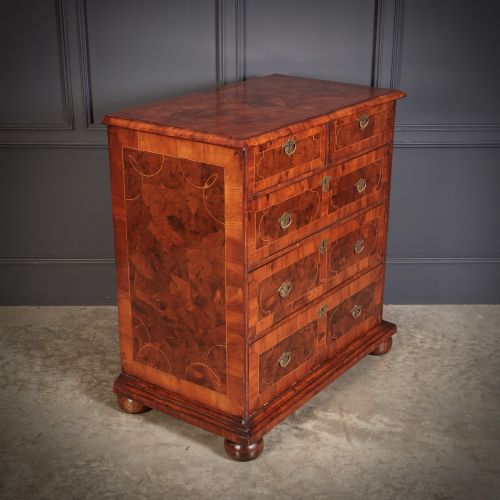
Cabinet-makers applied thin slices of walnut, burr walnut, or olivewood onto stable secondary timbers like oak, arranging the grain in symmetrical quarters or concentric circles known as oyster cuts. Cross-banding in contrasting woods frequently framed these panels to create geometric borders.
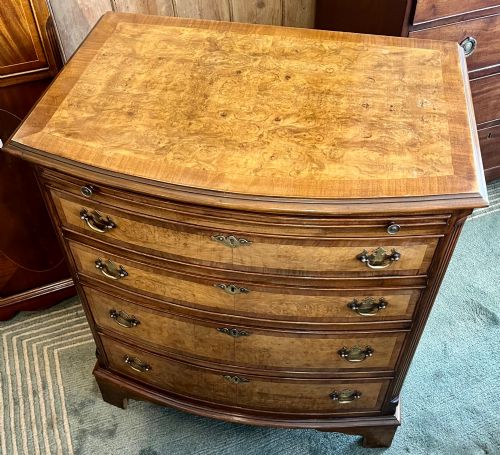
Early pieces utilised hand-sawn veneers secured with animal glue, often accented with boxwood stringing or intricate marquetry panels. Later twentieth-century examples adopted mechanized cutting methods for smooth, figured surfaces on bow-front and minimalist frames.
Veneer Walnut Drawers Retail Price Guide 2026
Typical asking prices for veneer walnut drawers among the pieces listed under this phrase on Sellingantiques today, from the lower quarter to the upper quarter. They describe what is for sale here now, not the wider market.
Some seventeenth-century trees contributed their very smallest branches just to end up looking like tiny oysters.
Determining quality and craftsmanship
Quality rests primarily on the choice of timber and the precision of the veneer matching, where book-matched quarters and uniform oyster patterns demonstrate superior workshop skill. The integrity of the underlying carcase and the retention of original brass drawer pulls or stands heavily influence the standing of an individual piece.
Finer examples display careful attention to secondary timbers and subtle details such as featherbanding, whereas lesser pieces show uneven fading, replacement hardware, or careless patching to the delicate surface veneers.
Bowman Brothers
The Veneer Walnut Drawers Glossary
- Oyster veneer
- Slices cut transversely across small branches or roots to produce circular or oval patterns resembling oyster shells. This technique gained prominence during the late seventeenth century on William and Mary furniture.
- Quarter veneered
- Four matching sections of veneer cut from the same log and arranged symmetrically to create a mirrored grain pattern. It often forms the decorative centrepiece of table tops and drawer fronts.
- Cross-banding
- A narrow strip of veneer laid perpendicularly to the surrounding grain along the borders of a drawer or top. It provides a crisp visual frame for figured walnut panels.
- Biedermeier
- A central European style dating to the nineteenth century focused on utilitarian comfort and minimalist elegance. These pieces highlight blonde and figured walnut grains without excessive ornamentation.
- Chest on stand
- A case of drawers raised on a separate frame with legs, prevalent in late seventeenth and early eighteenth-century designs. They frequently incorporate lower drawers and shaped aprons.
Veneer Walnut Drawers: Frequently Asked Questions
How do I clean walnut veneer?
Dust regularly with a soft, dry cloth and avoid modern silicone polishes that can penetrate hairline cracks in the aged surface.
Apply a microcrystalline wax sparingly once or twice a year to nourish the timber and protect the historical finish from moisture.
Are these drawers suitable for daily use?
Most historic chests remain structurally robust for light everyday storage, though delicate antique runners require gentle handling.
Avoid overloading drawers with heavy items to prevent undue strain on the internal framing and historical drawer bases.
How do I spot 17th-century oyster work?
Seventeenth-century oyster pieces display irregular circular cross-sections of branches, often combined with olive or laburnum woods and set against oak carcases.
Close inspection reveals hand-sawn irregularities in the veneer thickness and traditional animal glue construction beneath the polished surface.
What is the difference between Georgian and Art Deco walnut?
Georgian walnut relies on figured veneers, featherbanding, and brass drop handles on formal proportions.
Art Deco walnut strips away historic ornamentation in favour of streamlined curves, blonde tones, and smooth, unadorned surfaces.