
Antique Oak and Walnut
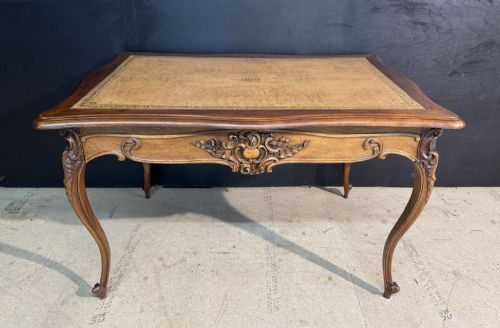
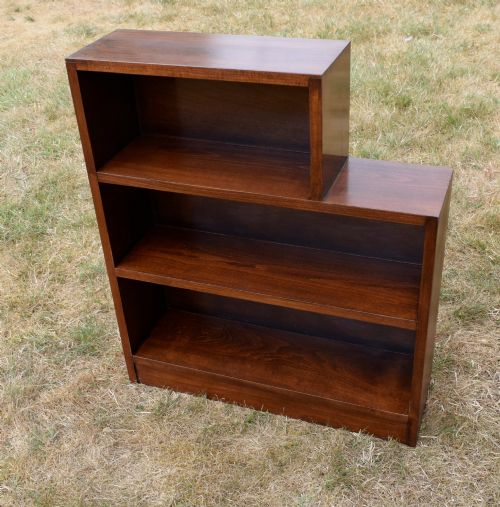
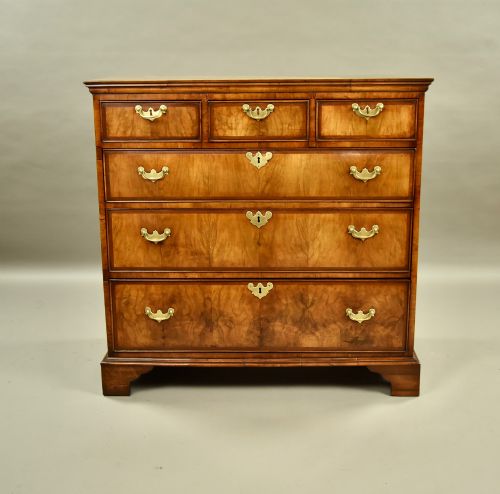
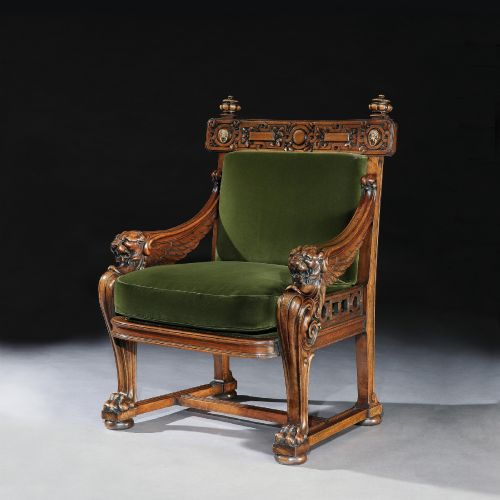
These pieces in antique oak and walnut combine dense structural timber with richly figured decorative veneers to anchor a room.
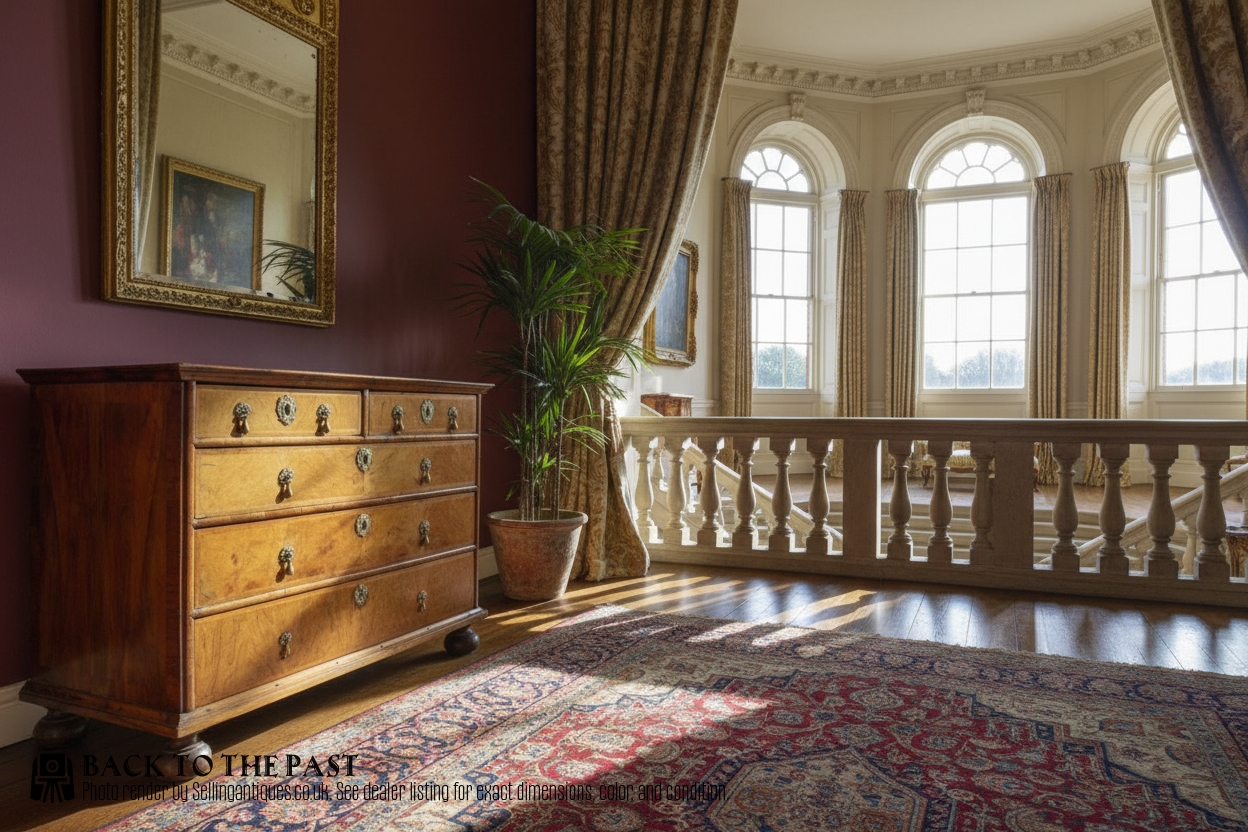
Antique Oak and Walnut
When you search for antique oak and walnut, you encounter a crossover of two foundational cabinet timbers used together across the seventeenth, eighteenth, and nineteenth centuries. Oak provided a sturdy structural carcase, while walnut supplied the decorative potential of its grain.
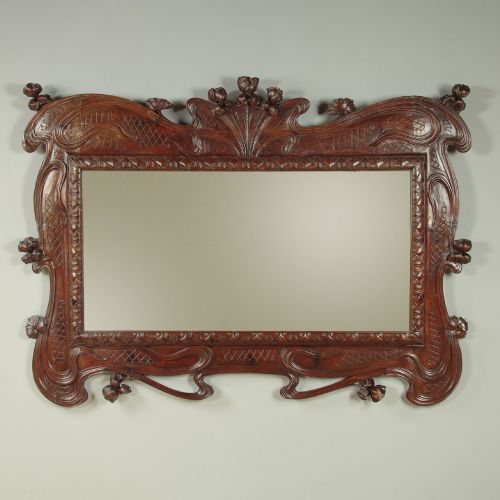
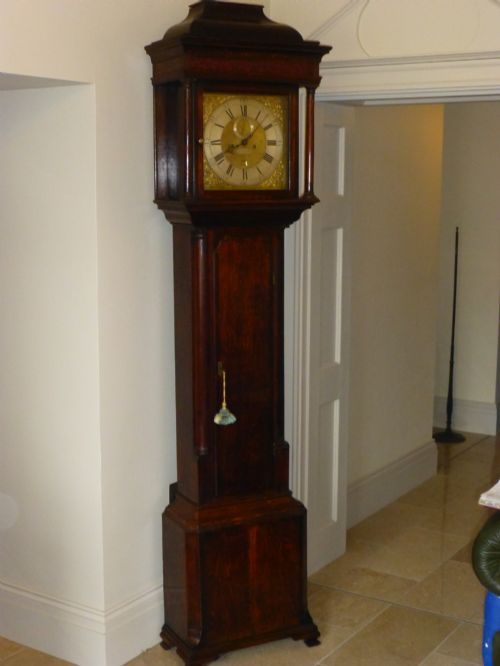
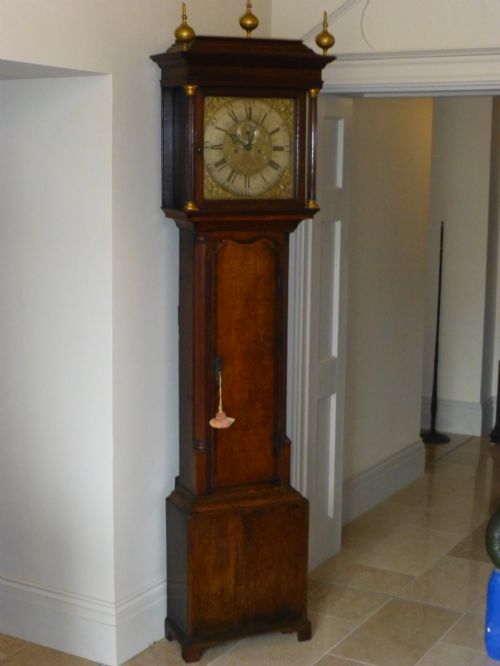
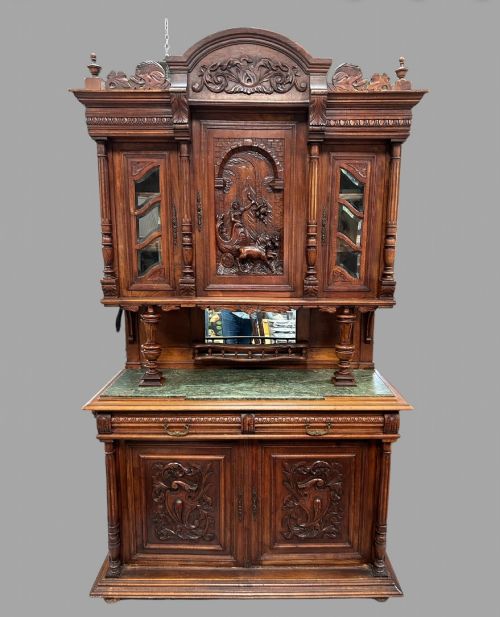
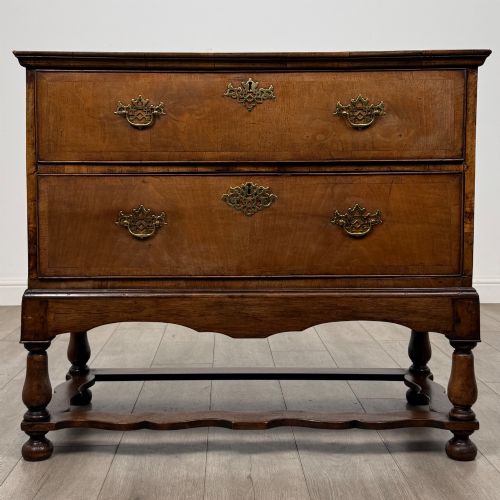
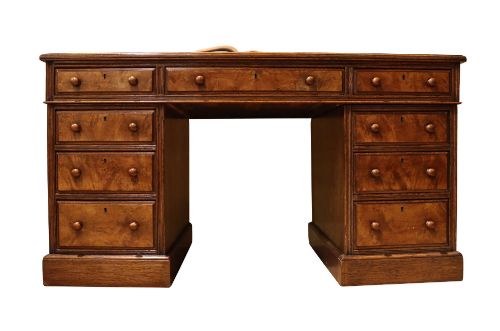
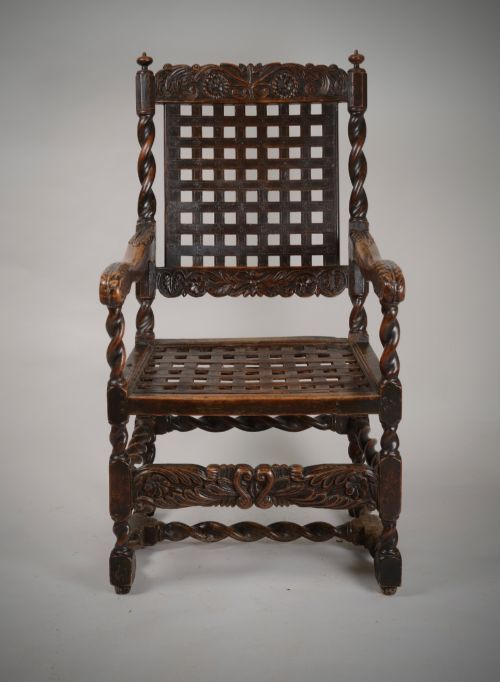
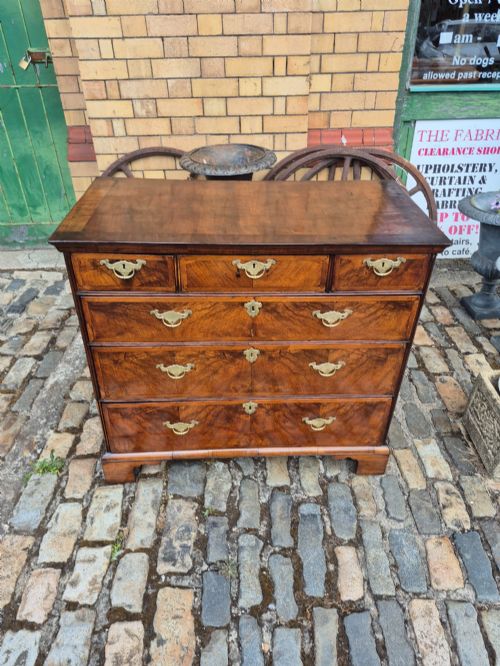
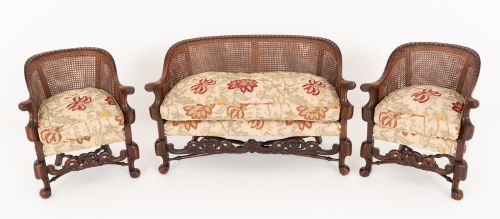
The pieces appearing on this page span several centuries and practical forms, though chests of drawers and desks dominate the selection. You will also find occasional tables, longcase clocks with brass dials, and seating.
Origins stretch across English workshops and continental European makers, with specific examples drawing on styles from Charles II and William and Mary periods up through Victorian revivals.
How They Were Made
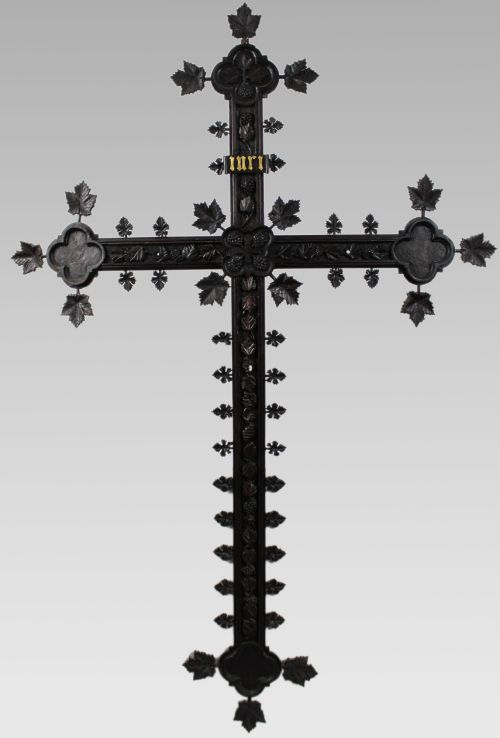
Joiners built primary frames in solid oak for strength, applying walnut or burr walnut veneers to drawer fronts and tabletops using animal glue. Cabinetmakers accentuated these surfaces with crossbanding, feather banding, and geometric inlay in contrasting woods.
Secondary structural elements incorporated brass hardware such as dial plates, handles, and escutcheons, alongside hand-carved details in solid walnut or oak. Drawer linings were frequently constructed from oak or softwoods depending on the period.
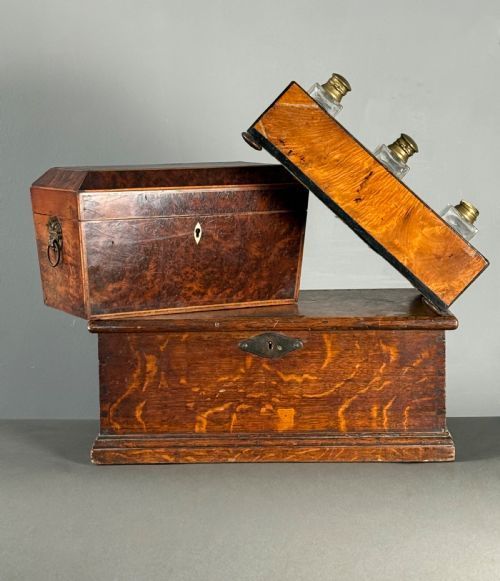
The listings span the 17th, 18th, and 19th centuries, incorporating materials such as brass, glass, leather, and fabric alongside oak and walnut.
What Varies in Quality
Quality rests upon the selection of the timber and the integrity of the veneer work. Highly figured burr walnut and symmetrical oyster veneers indicate a maker who prioritised visual impact alongside structural soundness.
The refinement of the carving, the crispness of applied mouldings, and the survival of original brass fittings separate standard regional pieces from exceptional cabinetwork attributed to known firms.
Richard Corless of Stockport·Smith of Chester·William Birch·Gill & Reigate
The Antique Oak and Walnut Glossary
- Burr walnut
- A veneer sliced from the gnarled growths of a walnut tree, producing swirling, highly decorative patterns across furniture fronts.
- Crossbanding
- A narrow strip of veneer laid perpendicular to the main grain of a tabletop or drawer front to frame the panel.
- Oyster veneer
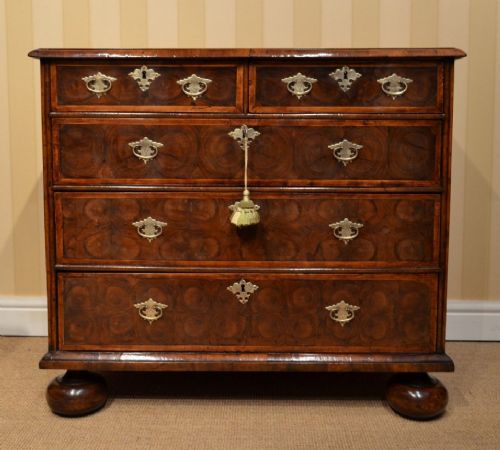
- Thin circular slices cut across small branches of walnut, creating concentric rings resembling oysters when arranged across a surface.
- Lowboy
- A small oak or walnut dressing table or side table featuring one or more rows of drawers beneath a flat top.
- Longcase clock
- A tall pendulum clock housed in a wooden case, commonly featuring a brass dial framed by oak and walnut cabinetry.
Antique Oak and Walnut: Frequently Asked Questions
Why use both oak and walnut together?
Cabinetmakers utilised oak for its immense structural strength in frames and drawer linings, while walnut offered a superior, highly figured surface for decorative veneers.
This pairing allowed workshops to produce furniture that was both mechanically stable and visually opulent.
How do I care for walnut veneer?
Keep these items away from direct sunlight and steady heat sources to prevent the animal glue beneath the veneer from drying and failing.
Apply a traditional wax polish occasionally to nourish the timber without sealing the surface.
How do I spot oyster veneering?
Oyster veneer appears as closely packed, oval or circular patterns formed by slicing small branches straight across the grain.
This technique gained popularity during the late seventeenth century on tables and drawer fronts.
Are these pieces English or continental?
The listings include both domestic English pieces and continental European work, particularly from French and German regions.
Regional differences in carcase construction timbers and carving styles often point to the workshop's geographic origin.