



Velvet Lined Wooden Box
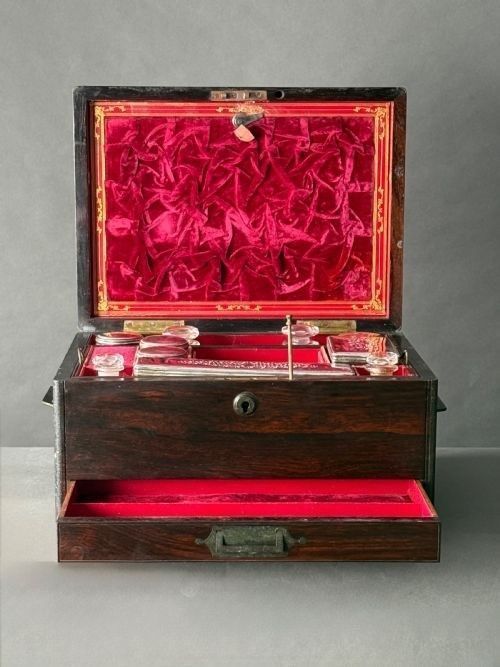
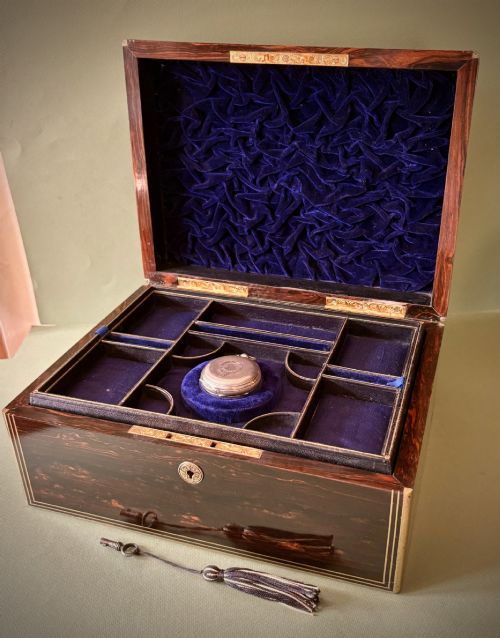
A velvet lined wooden box brings tactile warmth to storing trinkets, papers or instruments, uniting sturdy timber with a soft interior.
Velvet Lined Wooden Box
When you search for a velvet lined wooden box, you encounter items ranging from Georgian tea caddies and vanity boxes to Victorian jewellery chests and maritime instrument cases. These containers served domestic, professional and ceremonial roles, safeguarding prized possessions from everyday wear.
The selections available here span from the eighteenth century through the Edwardian period, encompassing styles like Regency elegance, folk art tramp art and Victorian utilitarian design. Most examples you meet on this page lean towards nineteenth-century walnut, mahogany and rosewood domestic boxes fitted for valuables.
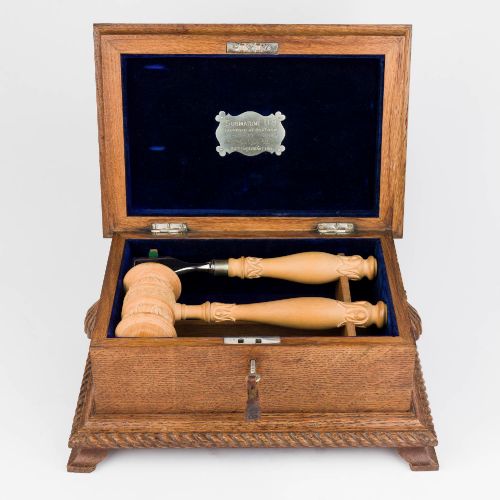
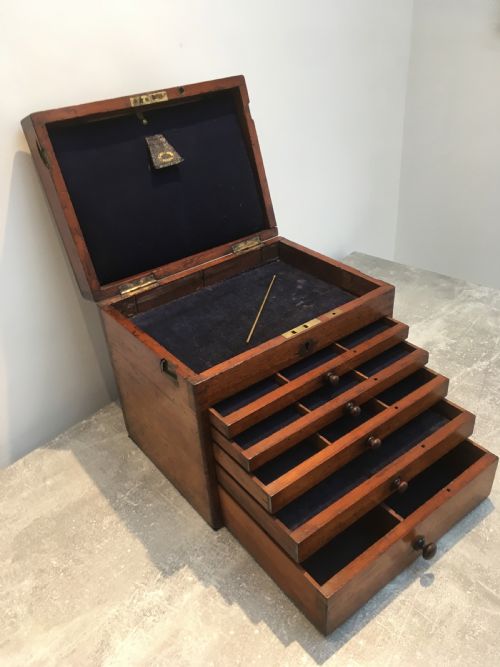
Beyond standard jewellery chests, the evidence includes specialised forms such as key cupboards, silverware travel trunks, musical instrument cases and presentation vessels. Each object demonstrates how timber exteriors were paired with sumptuous textile linings to protect delicate contents during transport or stationary use.
How they were made
Cabinetmakers constructed the exterior shells using hardwoods like mahogany, rosewood, oak and walnut, occasionally employing burr yew or distinctive tramp art layering techniques. These timbers provided structural integrity and polished surfaces that highlighted natural grain patterns.
Interiors were fitted with textiles, predominantly velvet, to cushion contents such as jewels, cutlery, batons or marine instruments. Brass hardware, including hinges, escutcheons and lock plates, reinforced the wooden joints and secured the lids.
Listings feature timbers such as rosewood, mahogany, oak, walnut and burr yew, alongside metal and glass elements.
What varies in quality
The distinction between standard containers and superior pieces rests on the precision of joinery and the selection of cabinet timbers. Finely figured veneers like burr yew or rich rosewood indicate deliberate care by the maker, whereas simpler constructions rely on plain oak or deal.
Fittings also dictate overall merit, separating simple boxes from fully fitted jewellery chests or bespoke presentation caskets housing naval items or dentist instruments. Original brasswork and intact velvet interiors elevate the sophistication of any surviving piece.
W.E Hill
The Velvet Lined Wooden Box Glossary
- Tea caddy
- A small box designed to store loose tea leaves securely. These containers often featured interior compartments or mixing bowls.
- Vanity box
- A portable container outfitted for grooming accessories and personal items. They frequently incorporated mirrors and small compartments.
- Escutcheon
- A flat plate surrounding a keyhole on a box or chest. It protects the surrounding wood from wear caused by the key.
- Tramp art
- A style of woodwork created by carving found timber, often utilising notch-carving techniques. This folk art method produced heavily textured geometric surfaces.
- Campaign chest
- A modular trunk or box built for travel by military officers. These pieces typically incorporated recessed brass handles and robust reinforcing corners.
Velvet Lined Wooden Box: Frequently Asked Questions
What were velvet lined wooden boxes used for?
These containers served diverse purposes ranging from domestic storage for jewellery and tea to specialised transport for instruments and silverware. Interiors were tailored to the specific object, utilising soft textiles to prevent friction damage.
Many boxes held personal valuables, while others functioned as presentation pieces or professional kits for dentists, conductors and naval officers. Their design combined secure exterior timber with protective cushioning inside.
How do I date a wooden box?
Dating relies on observing timber choices, hardware styles and construction methods associated with specific eras like the Georgian or Victorian periods. Finer veneers and specific joinery traits often align with the prevailing taste of the decade.
Makers' marks, inscriptions or accompanying provenance, such as royal associations or military context, also help narrow the timeline. Comparing the interior fittings to known period examples clarifies the manufacturing era.
Are these boxes suitable for daily use?
Most antique containers function well for storing modern trinkets, documents or accessories while adding period character to a room. Their original purpose often translates directly to contemporary organisation needs.
Care should be taken with delicate textiles and older locking mechanisms to preserve the historical integrity of the piece. Placing them out of direct sunlight protects both the exterior timber and the interior velvet.
How do I maintain the velvet lining?
Preserving the interior fabric involves gentle dusting and keeping the timber dry to prevent moisture from affecting the textile adhesive. Avoid using chemical cleaners on antique velvet.
Keeping lids closed when not in use minimises fading and dust accumulation on the lining. Proper environmental humidity helps maintain both the wood and the fabric.