



Vase Splat Side Chair
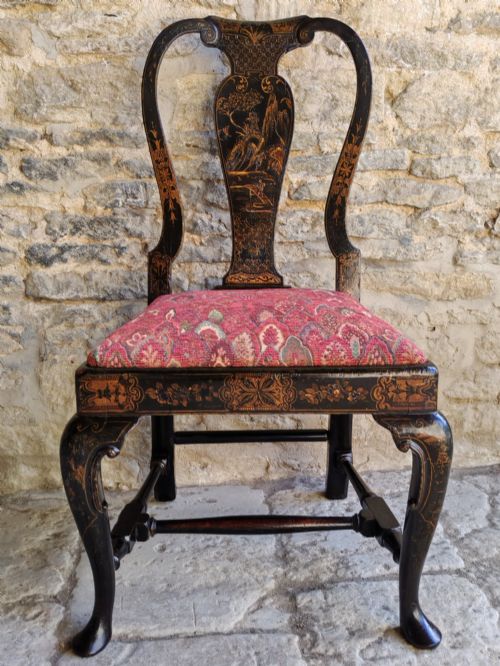
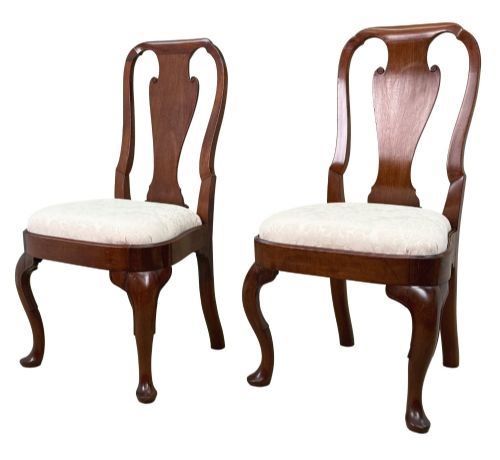
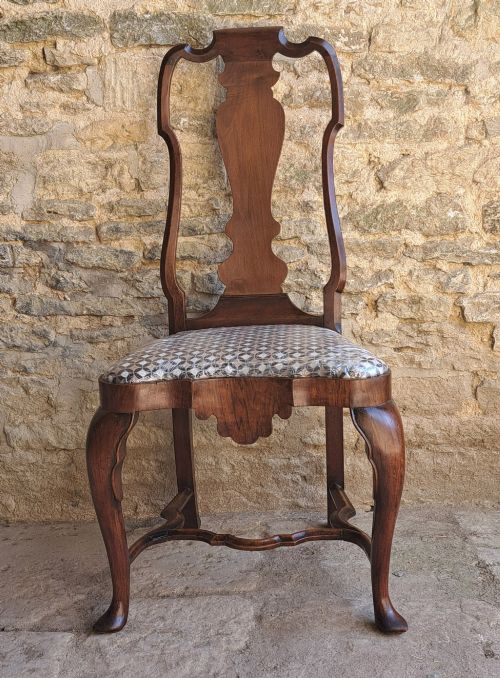
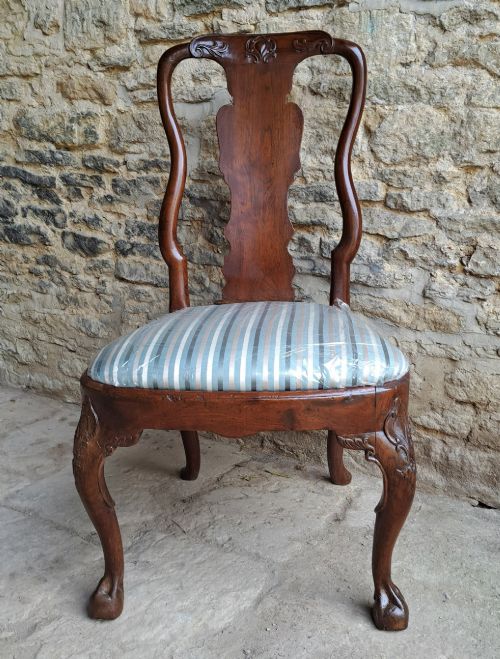
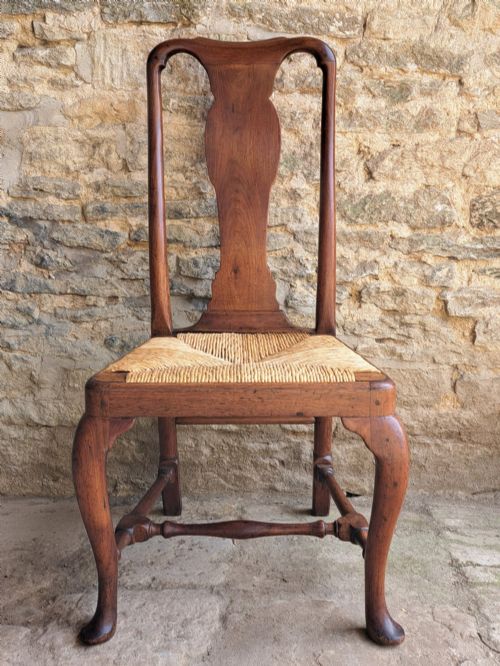
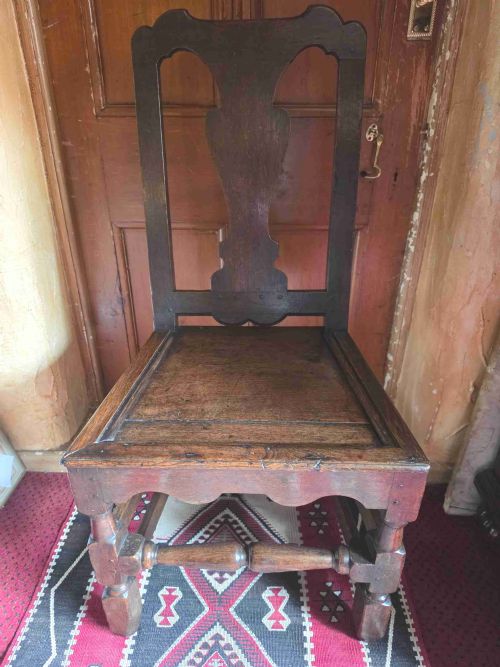
A vase splat side chair brings a sculptural, pierced profile to the room, prized for the fluid grace of its central back panel.
Vase Splat Side Chair
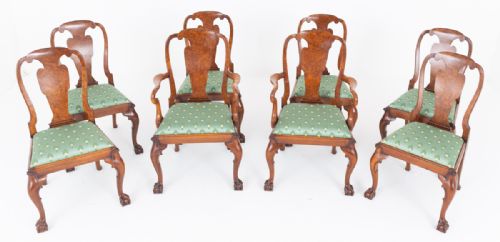
Makers across the periods explored various iterations of the design, from simple oak and walnut models to elaborate George II veneered pieces and Dutch marquetry high back dining chairs. Buyers seeking this phrase typically encounter both authentic period seating and later Queen Anne revival interpretations.
Materials and construction methods
Cabinetmakers constructed these chairs using dense hardwoods like walnut, mahogany, and oak, often selecting burr walnut veneers for figured grain patterns on the back splats and seat rails. Timber sections were shaped using hand saws and chisels to achieve the signature curved profile of the vase splat and the sweeping lines of cabriole legs.
Joinery relied on traditional mortise and tenon joints to ensure rigidity without heavy framing. Upholstered elements utilised drop-in wooden frames padded with textile, fabric, or leather, secured directly into the seat rail rebate.
Dutch marquetry chairs bring botanical chaos to rigid geometry, proving eighteenth century makers loved a floral riot.
Distinctions in craftsmanship
Quality rests heavily on the selection of timber and the dexterity of the woodcarving, particularly along the crest rail and the contour of the vase splat. Superior examples display crisp grain alignment, finely sculpted cabriole legs, and robust joinery that sustains the structural integrity of an open backrest.
The sophistication of decorative embellishments also separates standard production from finer work, such as intricate marquetry inlay or the depth of relief carving on knee brackets and foot styles. Original upholstery webbing and untouched timber surfaces elevate the desirability of period pieces.
Charles Tozer
The Vase Splat Side Chair Glossary
- Splat
- The vertical central strip of wood in the back of a chair. In these pieces, it is shaped like a vase.
- Cabriole leg
- A furniture leg that curves out at the knee and tapers inward to an ankle, mimicking an animal's limb. It is characteristic of early eighteenth century design.
- Drop-in seat
- A removable wooden frame upholstered separately and dropped into a ledge in the chair seat rail. This construction allows easy reupholstering.
- Marquetry
- Decorative veneer work formed by fitting together small pieces of different woods or other materials to create pictorial patterns. It appears on several high back dining chairs.
- Crest rail
- The top horizontal member of a chair back. It often echoes the curved shaping of the vase splat below.
Vase Splat Side Chair: Frequently Asked Questions
What is a vase splat side chair?
A vase splat side chair is a dining or occasional seat defined by a pierced wooden back panel shaped like a classical vase. The design developed during the early eighteenth century and remains a staple of traditional interior styling.
These chairs function well individually as decorative accents or gathered in sets around a dining table. Their open backrests maintain a sense of space in a room compared to solid high back alternatives.
How do I date a walnut vase splat chair?
Dating relies on examining timber characteristics, construction methods, and stylistic cues such as the profile of the crest rail and foot design. Early eighteenth century pieces display hand-cut joinery and dense native walnut timbers.
Revival pieces from the late nineteenth and early twentieth centuries often employ standardised machine-sawn components and different secondary woods. Comparing the leg turnings and stretcher arrangements helps clarify the period of manufacture.
Are these chairs comfortable for daily use?
Most period and revival side chairs feature supportive upright backrests designed for formal dining rather than lounging. The contoured vase splat provides ergonomic support to the lower back.
Upholstered drop-in seats offer a firm sitting surface that can be refreshed with modern cushioning if required for daily dining. Their lightweight frames also make them easy to move around a room.