
Vanity Table Stool
A vanity table stool provides the finishing touch to a dressing area, uniting practicality with period craftsmanship.
Vanity Table Stool
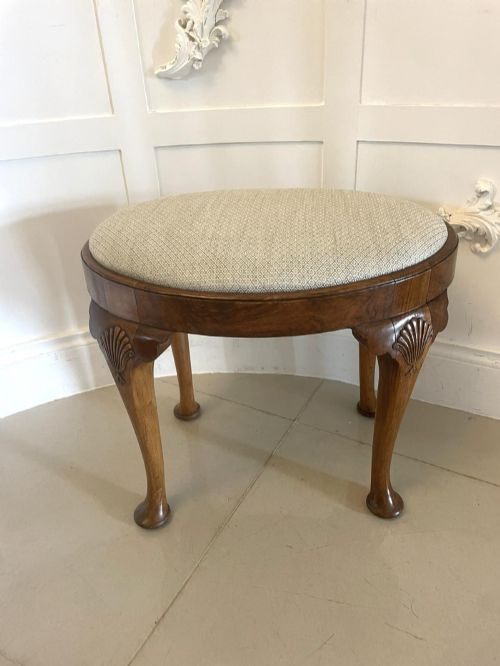
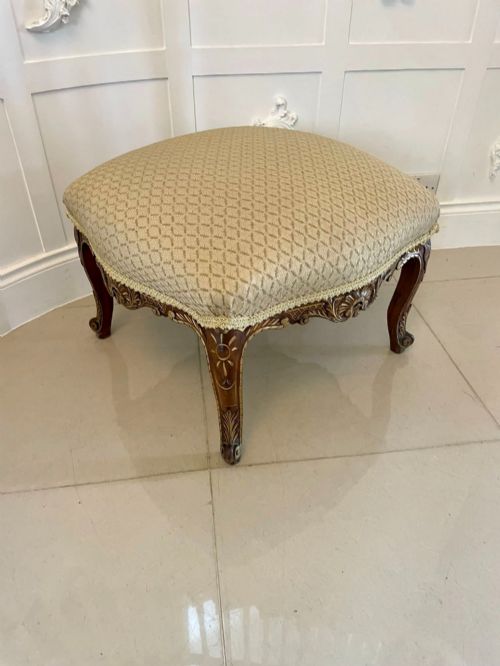
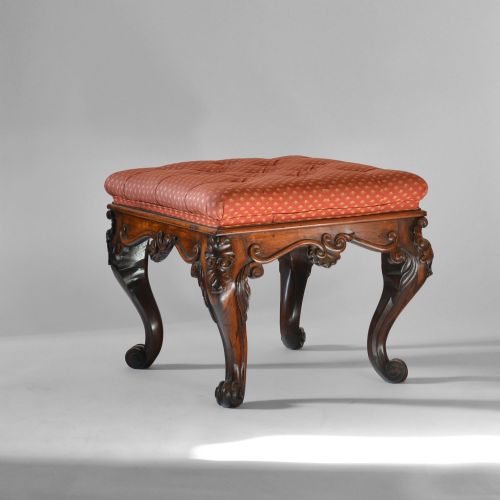
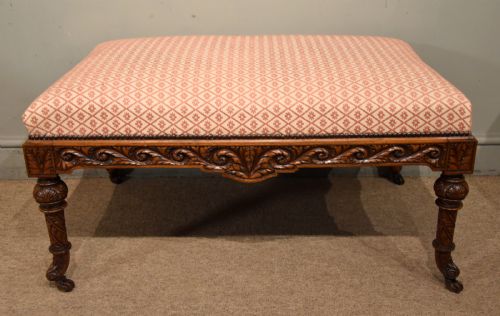
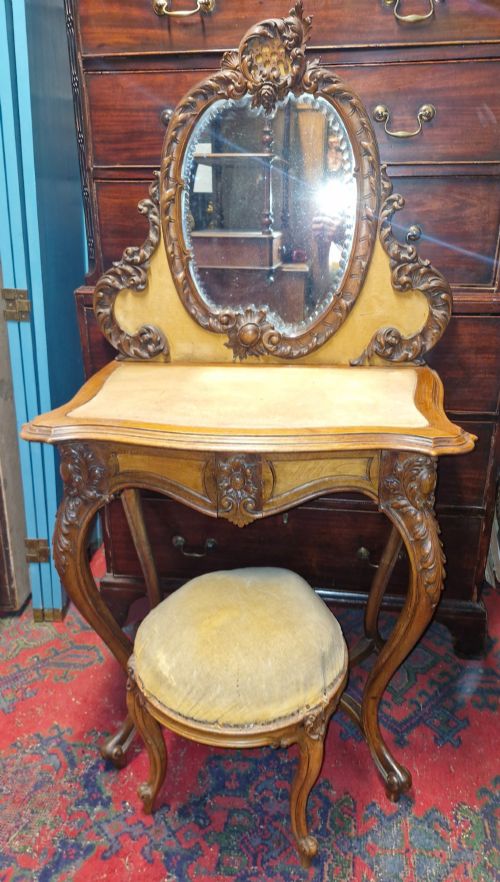
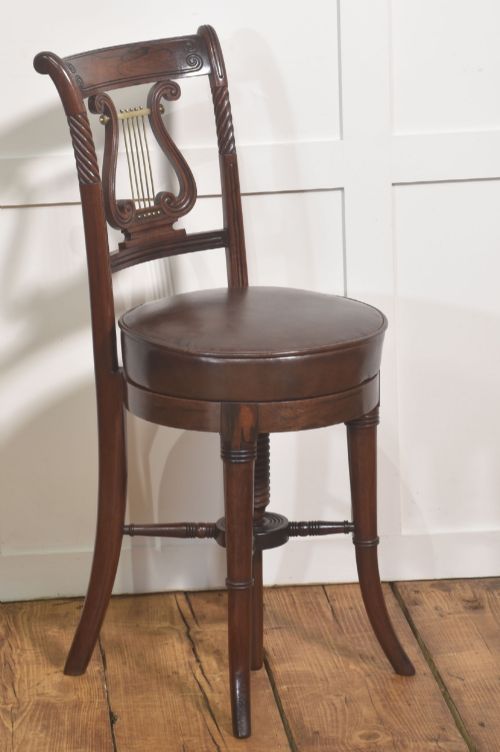
When searching for a vanity table stool, collectors encounter pieces spanning from the Victorian and Edwardian eras through to Art Deco designs of the 1930s. These low seats serve dressing tables and chests, appearing in forms ranging from simple upholstered benches to elaborate carved chairs.
The materials and styles reflect the prevailing tastes of their respective decades, including solid walnut, mahogany, and rosewood alongside ebonised finishes and exotic woods such as Goncalo Alves. Surviving examples often display distinct regional revival characteristics, notably Queen Anne and Georgian styles.
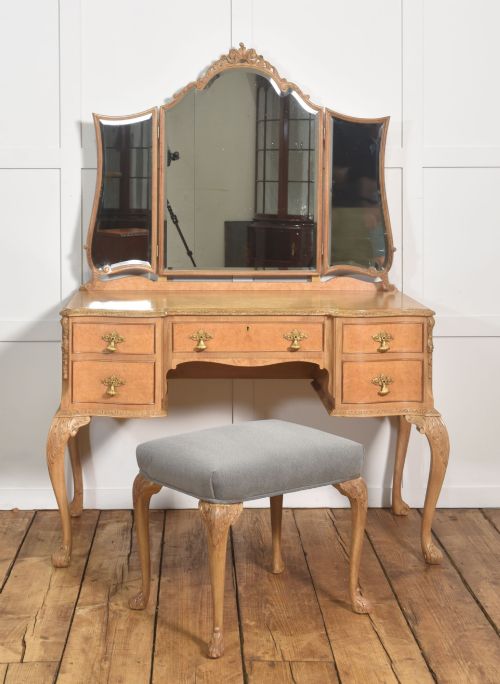
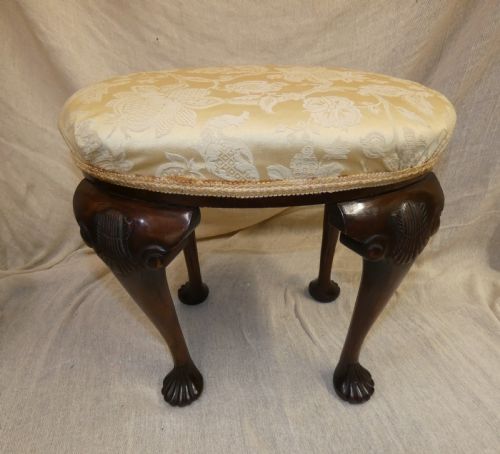
Buyers will find both standalone seats and those originally paired with matching dressing tables and triple mirrors. Forms vary from rectangular and oval seats to adjustable chairs and stools equipped with internal storage.
Materials and construction
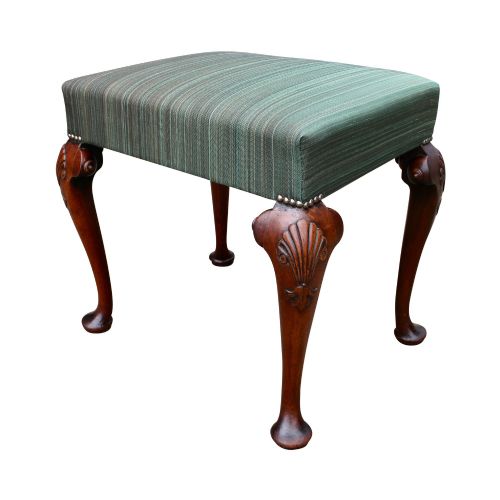
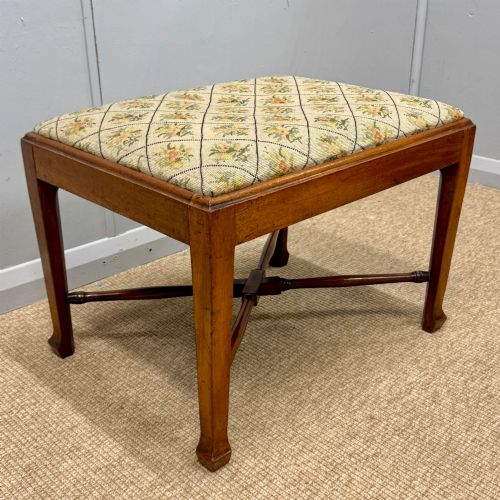
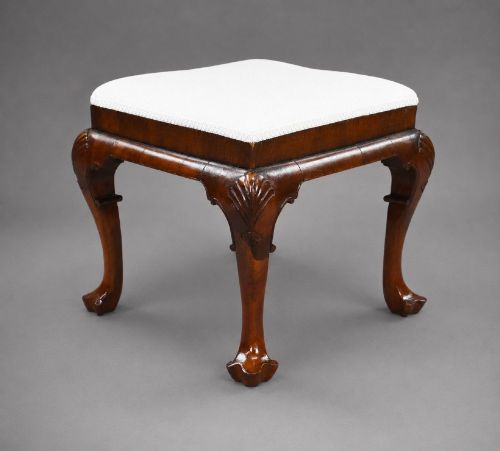
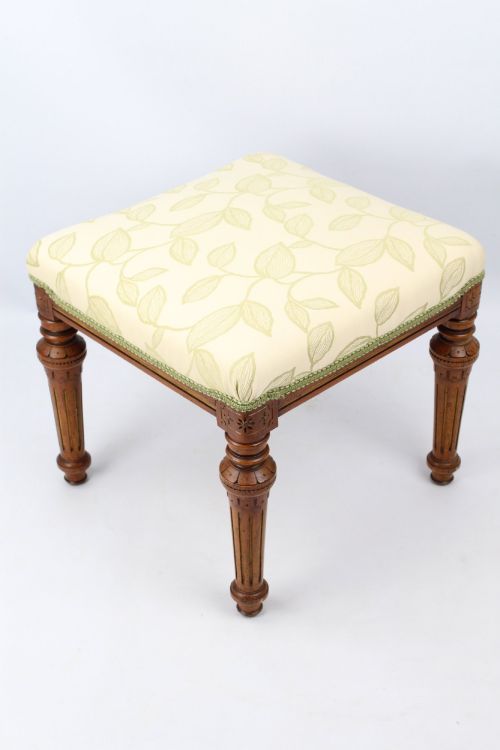
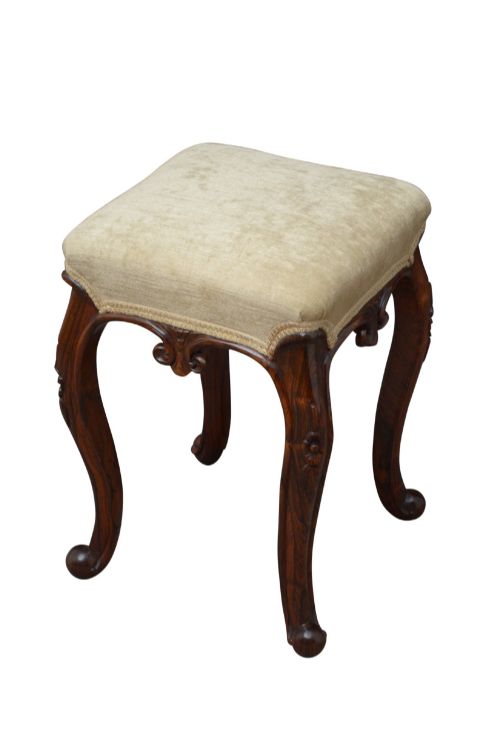
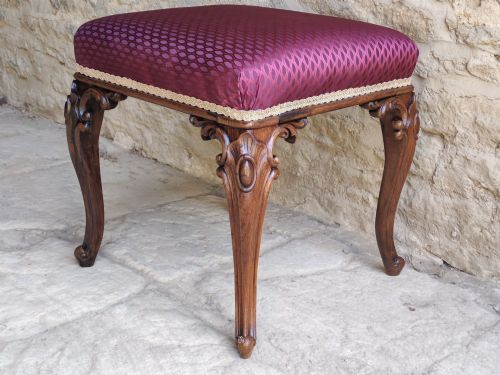
Cabinet makers utilised dense hardwoods like walnut, mahogany, and rosewood for the framing, employing sturdy joinery such as cross stretchers and cabriole legs to support daily use. Turning, carving, and gilt work embellished the wooden structures during the Victorian and Edwardian periods.
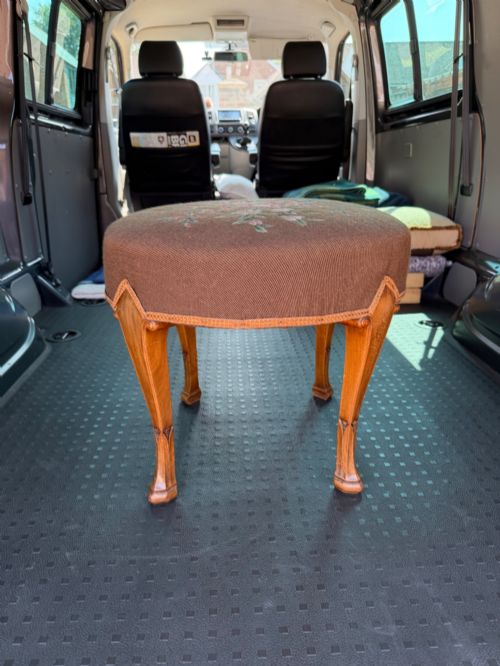
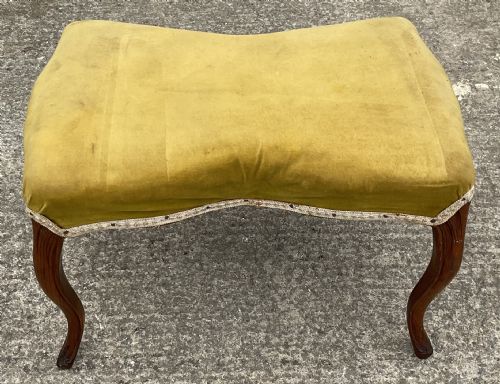
Upholstery techniques applied to the seats incorporated traditional textile coverings, leather, needlepoint, and velvet. Later Art Deco pieces introduced bird's-eye maple and sycamore veneers paired with contemporary leather or patterned fabric top covers.
Distinctions in quality
The refinement of carved detail on the wooden frames and legs distinguishes finer examples from simpler utilitarian seating. Crisp execution of cabriole legs, cross stretchers, and applied mouldings indicates superior workshop production.
The choice of primary timber and secondary framing woods dictates the structural integrity and aesthetic merit of the piece. Well-figured walnut, rosewood, and specialist woods such as Goncalo Alves elevate the standing of a stool within its period.
Harry and Lou Epstein
The Vanity Table Stool Glossary
- Cabriole leg
- A furniture leg that curves outward and then tapers inward, finishing in a pad or scroll foot. This form appeared frequently on Victorian and revival pieces.
- Cross stretcher
- A system of horizontal wooden braces connecting the legs near the base to provide extra rigidity. These elements are common on substantial dressing table stools.
- Goncalo Alves
- A dense exotic hardwood with striking contrasting grain patterns. Makers utilised this timber for decorative English Victorian furniture.
- Needlepoint
- A type of counted thread embroidery stitched onto canvas to create durable seat coverings. Many antique stools retain this traditional textile work.
Vanity Table Stool: Frequently Asked Questions
How do I identify a period vanity table stool?
Examine the timber, leg style, and construction methods to determine the era of manufacture. Victorian examples often feature heavy carved walnut or rosewood with cabriole legs, while 1930s pieces display streamlined shapes and figured veneers.
Matching the stool's design characteristics to established revival styles, such as Queen Anne or Georgian, helps narrow down its production date.
Were these stools always sold with dressing tables?
Many dressing table stools were produced as part of a matching suite alongside dressing chests and triple mirrors. Other pieces were manufactured independently as flexible standalone seats for bedrooms.
Surviving records show that individual makers also supplied them separately to complement existing bedroom furniture.
What upholstery materials are authentic?
Original seating typically featured horsehair or traditional stuffing beneath fabrics such as velvet, leather, needlepoint, or woven textiles. Many antique and Art Deco stools have since received new period-appropriate covers during restoration.
Checking the underside reveals the webbing and tacking methods used during the original period of production.
How do I care for a wooden frame?
Maintain the polished timber by applying appropriate furniture wax sparingly and buffing gently with a soft cloth. Keep wooden stools away from direct heat sources and strong sunlight to prevent the wood and veneer from drying out.
Avoid using harsh liquid cleaners that can damage historic French polish or varnished finishes.