

Upholstery Project Armchair
An upholstery project armchair is a raw frame or worn seat waiting for a complete rebuild, offering a blank canvas for bespoke fabric.
Upholstery Project Armchair
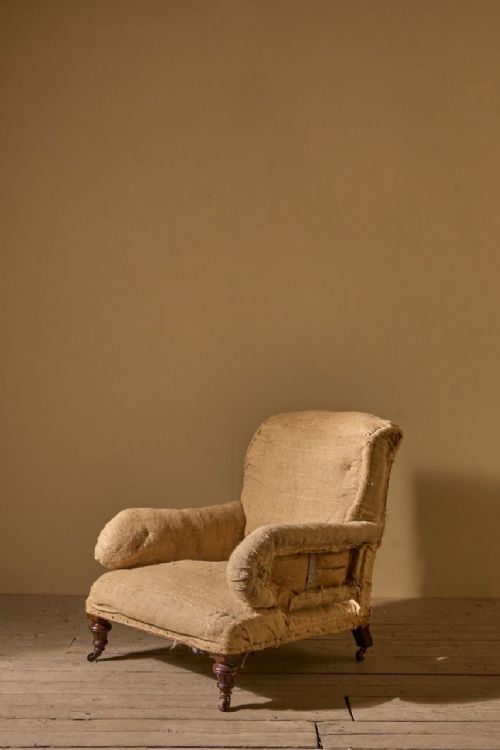
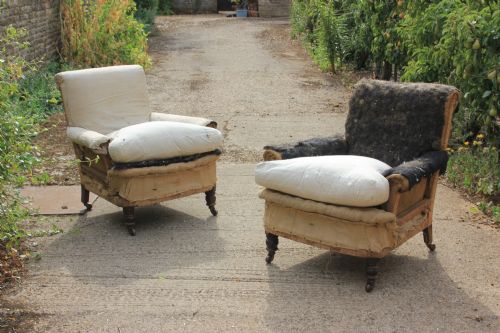
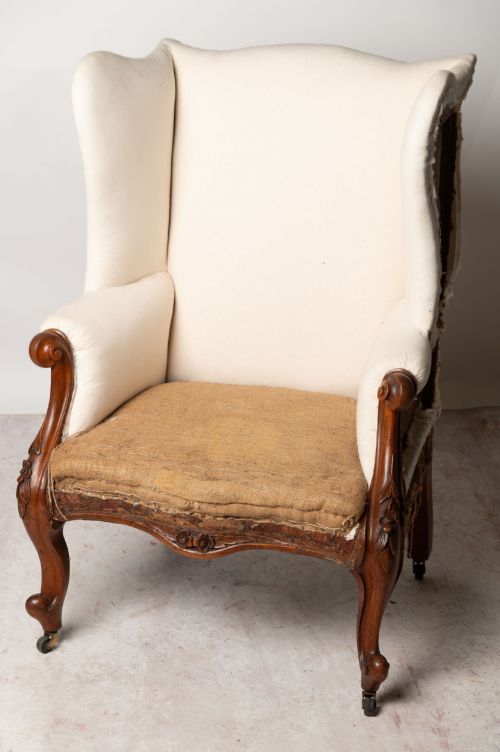
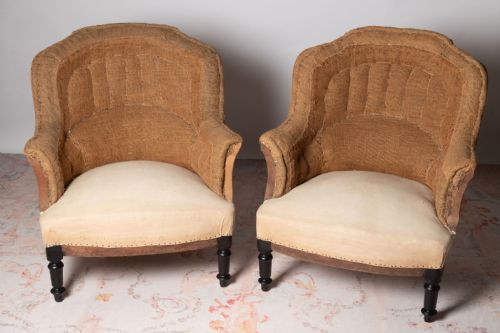
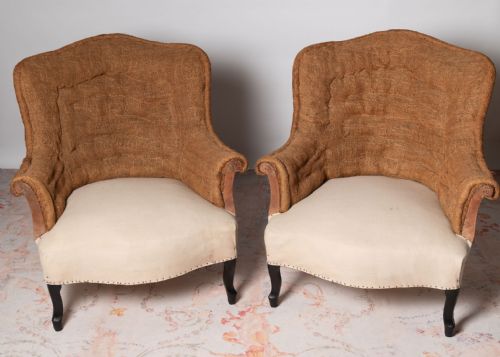
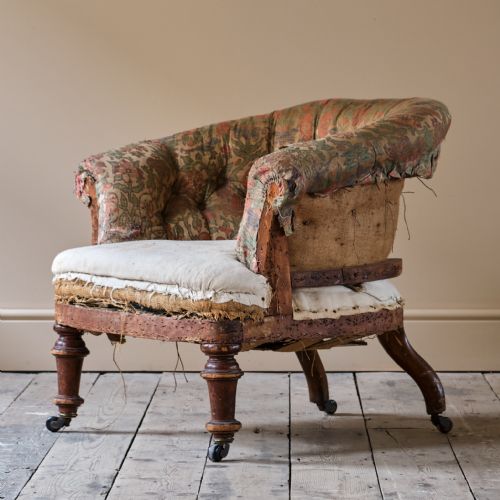
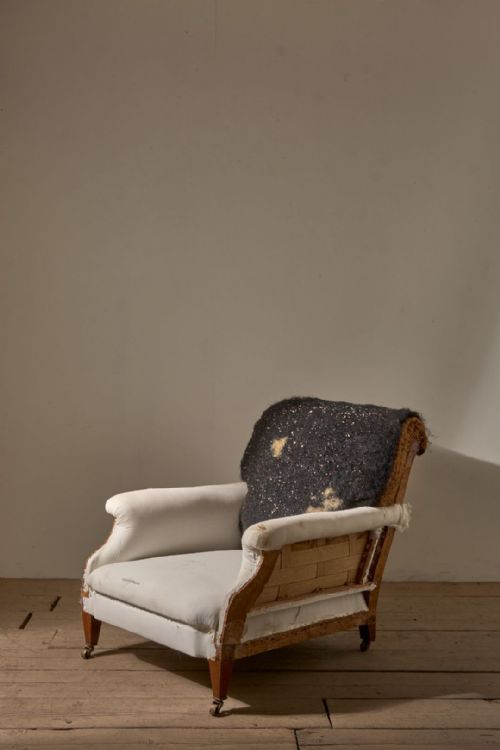
When you search for an upholstery project armchair, you encounter frames that require complete stripping and rebuilding from the webbing upwards. These pieces appear across 19th Century, Victorian, and Edwardian periods, taking forms such as deep-seated country house chairs, wingbacks, and tub backs.
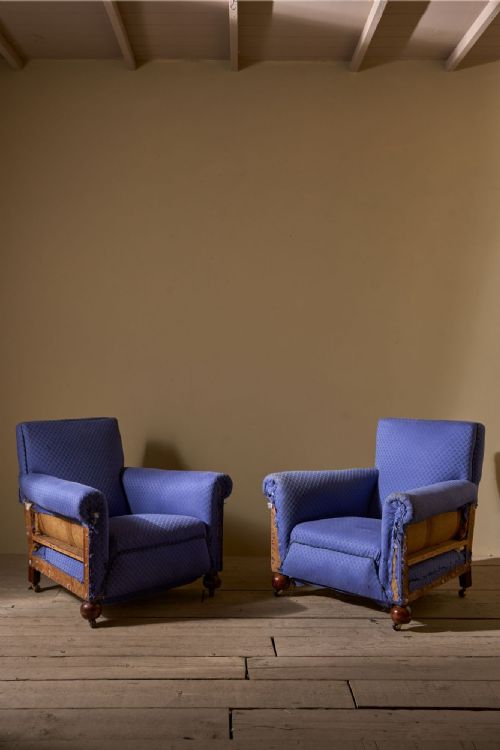
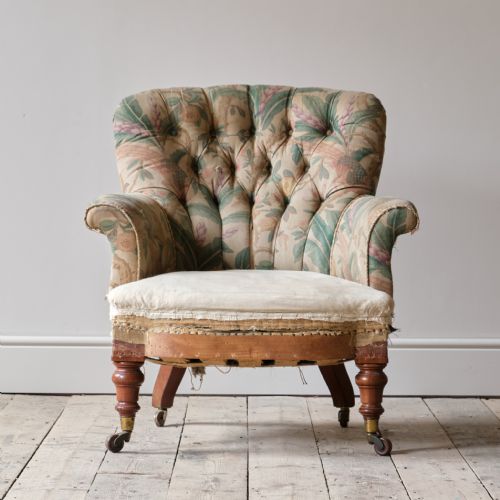
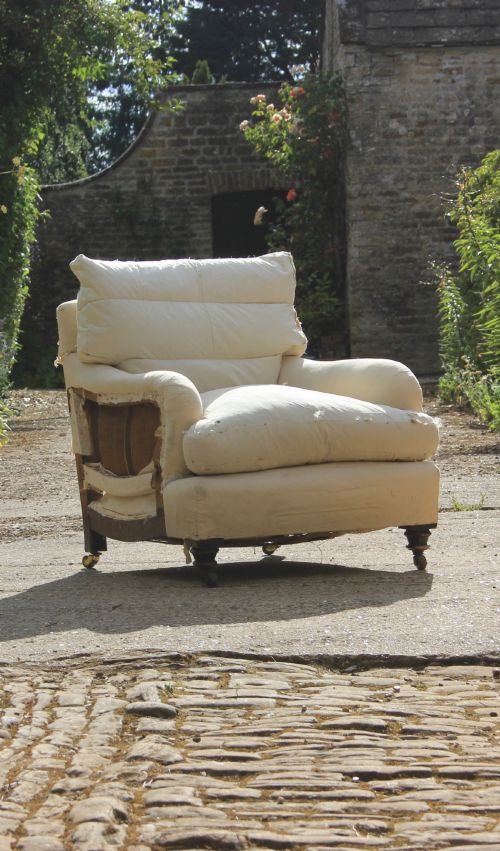
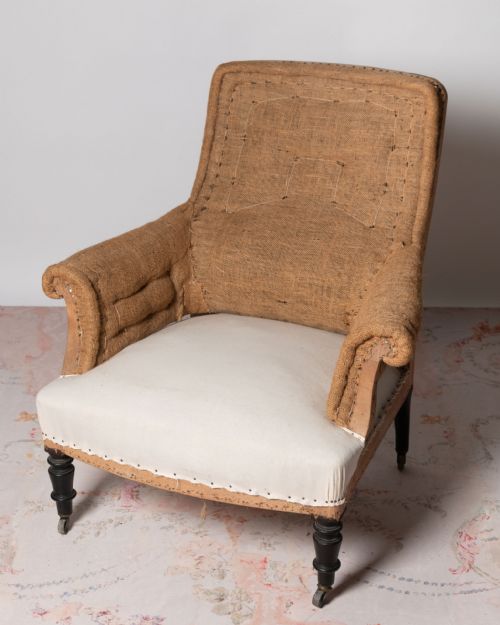
The most common versions on this page are country house armchairs and Victorian or Edwardian frames styled after Howard and Sons. You also find French Napoleon III chairs and occasional button-back seats sold specifically for recovering.
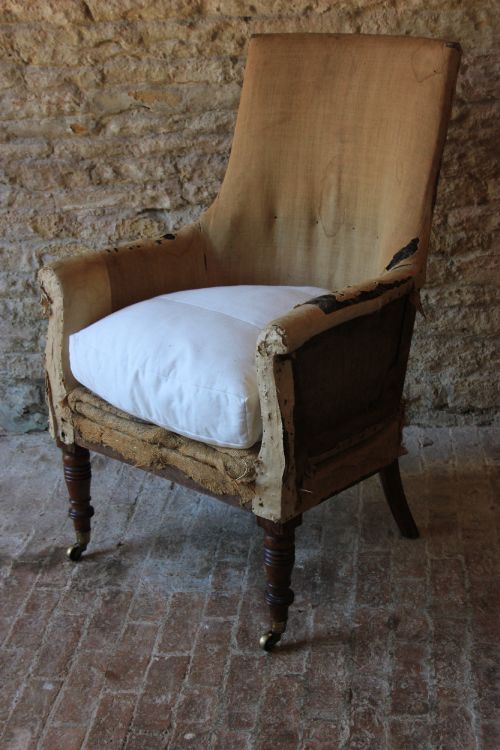
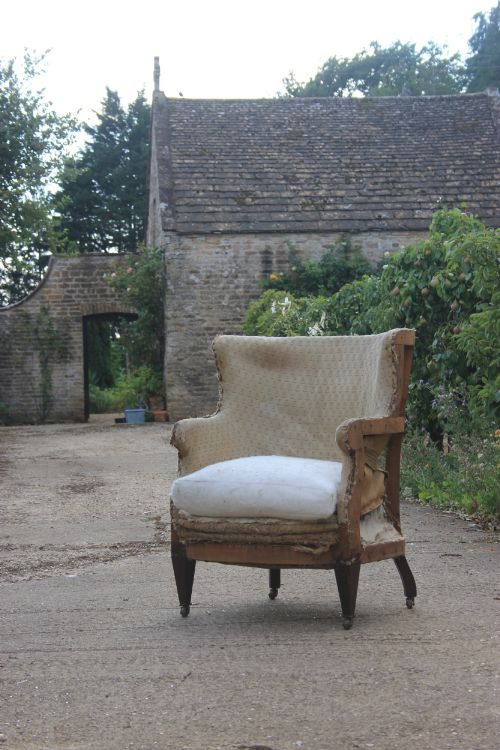
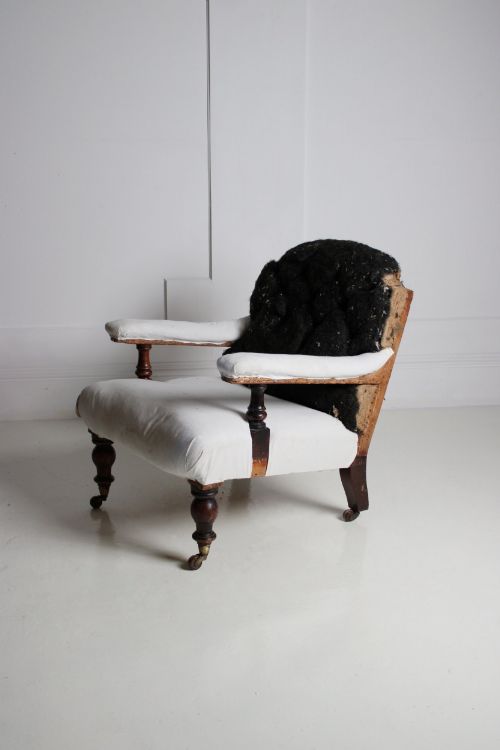
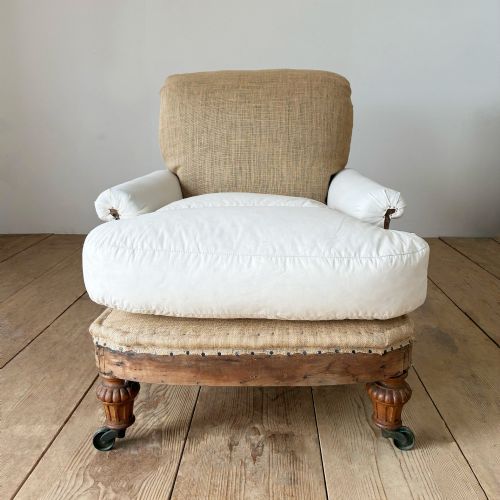
Many of these frames survive in wood such as mahogany or walnut, stripped back to calico or hessian stages. They present structural foundations ready for traditional stuffing and a top cover of your choice.
Materials and construction methods
Traditional construction relies on sturdy hardwood frames made from mahogany or walnut, joined to support heavy daily use. Traditional stuffing materials include horsehair and hessian, layered beneath inner linings of calico.
Frames often incorporate brass details, such as castors on legs, alongside hand-tied springs where applicable. The structural integrity of the bare frame determines its viability for a modern rebuild.
One Edwardian barrel back is simply described as very cute.
What separates the grades
Quality rests entirely in the integrity of the bare wooden frame and the precision of its original joinery. A well-proportioned frame with clean lines commands attention before any fabric is applied.
The distinction between ordinary and exceptional frames lies in the depth of the seating and the carved detail of exposed wood. Maker attribution also elevates certain pieces significantly above anonymous workshop output.
Gillows·Howard And Sons·Hamptons And Sons
The Upholstery Project Armchair Glossary
- Calico
- A plain-woven cotton fabric used as an inner lining on chairs before the final decorative top cover is applied. It holds the internal stuffing tightly in place.
- Hessian
- A coarse woven fabric, typically made from jute fibres, utilised as a base foundation for webbing and stuffing. It provides durable support beneath the seat layers.
- Horsehair
- A traditional stuffing material gathered from the manes and tails of horses, valued for its natural spring and resilience. It packs densely into traditional upholstery.
- Wingback
- An armchair featuring side panels attached to the arms and framing the back to block draughts. Early examples date to the eighteenth and nineteenth centuries.
- Button Back
- A upholstery style where depressions are created in the padded back by sewing through the stuffing to secure buttons. This method draws the fabric into a diamond pattern.
Upholstery Project Armchair: Frequently Asked Questions
What is an upholstery project armchair?
An upholstery project armchair is a vintage or antique seating frame sold in need of restoration, stripping, and recovering. These pieces allow you to choose your own textiles and finishing details.
They range from large country house seats to compact Edwardian barrel backs, retaining their original frames while requiring fresh internal materials.
How do I choose the right frame?
Look closely at the proportions, wood type, and structural soundness of the bare frame before committing. Mahogany and walnut frames offer durability and fine ageing.
Consider where the chair will sit and whether you prefer the upright posture of a library chair or the deep slouch of a country house design.
What materials are inside these chairs?
Traditional pieces contain natural inner materials such as horsehair, hessian, and calico, supported by webbing and sometimes metal springs. These layers wear out over decades of use.
Restorers strip away the decayed layers down to the bare wood or calico stage, replacing the internal stuffing while retaining the historic frame.
Can I reupholster a Victorian chair myself?
Traditional upholstery requires specialist skills, particularly when dealing with hand-tied springs, horsehair stuffing, and complex curves. Many buyers hand these projects to professional craftspeople.
Buying the frame independently gives you control over the final aesthetic and fabric selection before the restoration work begins.