

Upholstered Dressing Seat
An upholstered dressing seat brings low-profile comfort and period character to a bedroom, combining practical seating with traditional cabinetmaking.
Upholstered Dressing Seat
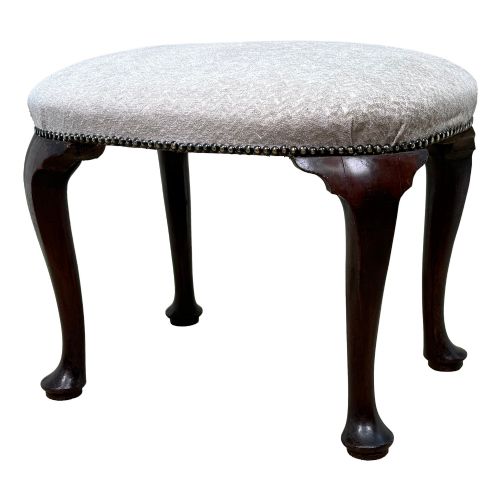
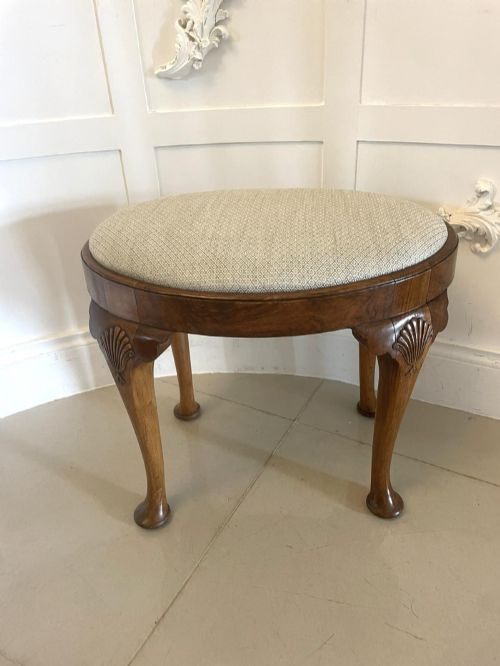
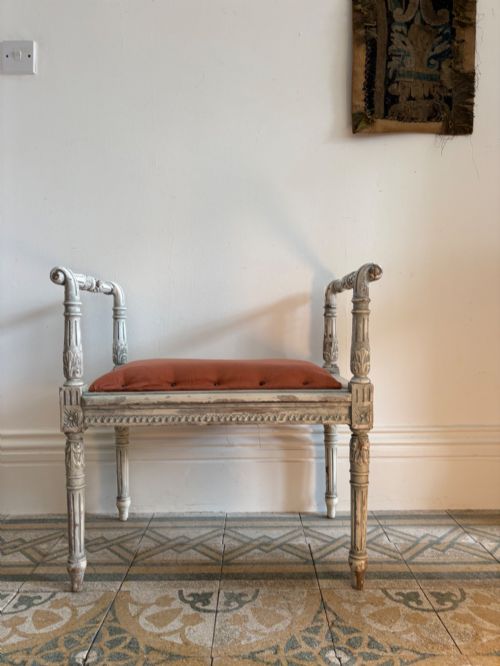
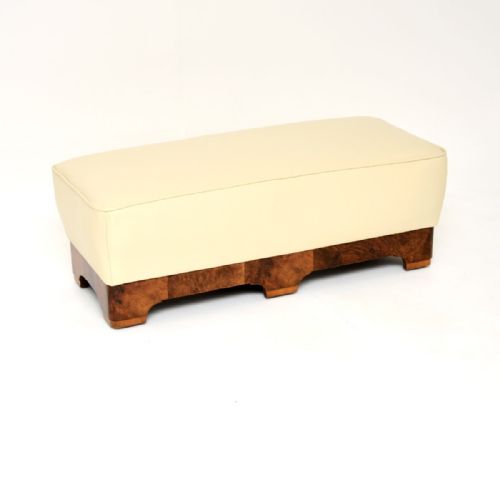
When you search for an upholstered dressing seat, you enter a category of low stools, benches and small chairs designed for use at a dressing table or vanity. These pieces range from compact Victorian walnut examples to later Art Deco designs in burr walnut and birds-eye maple.
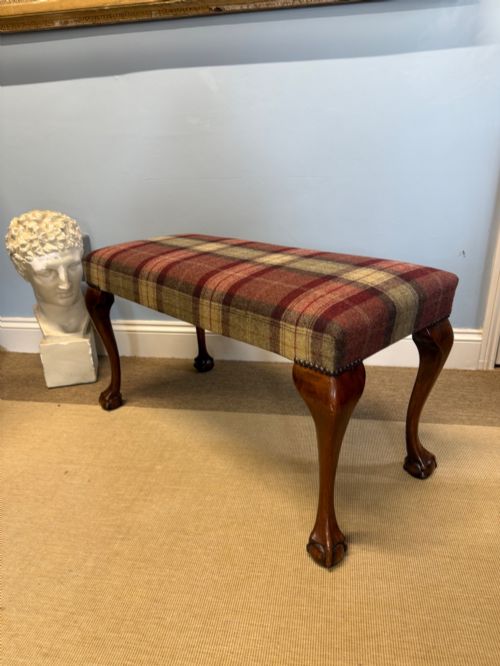
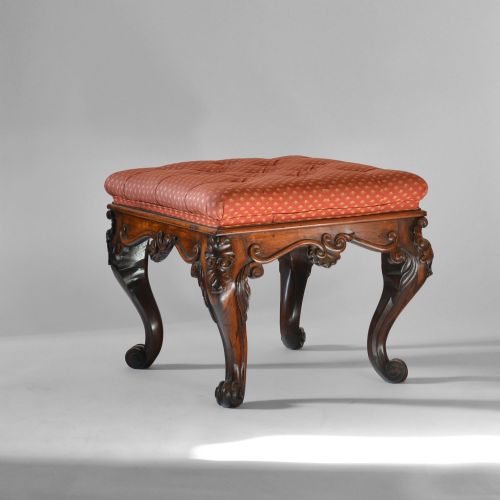
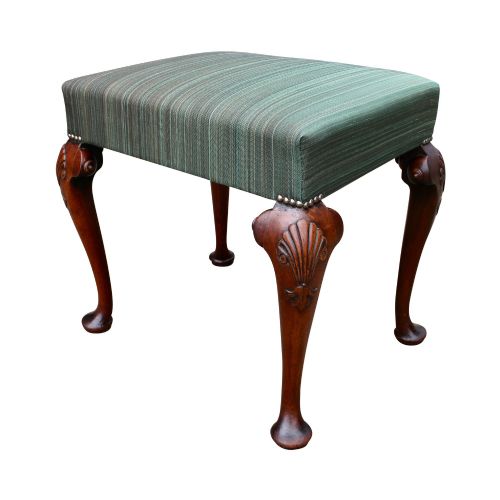
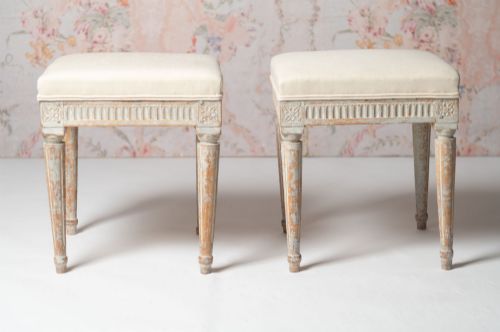
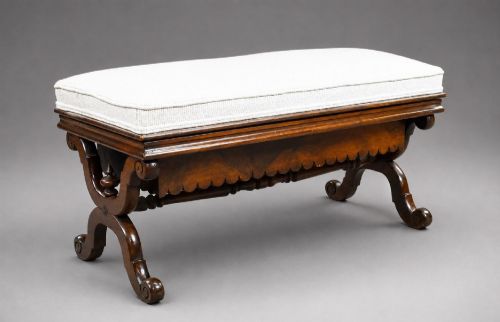
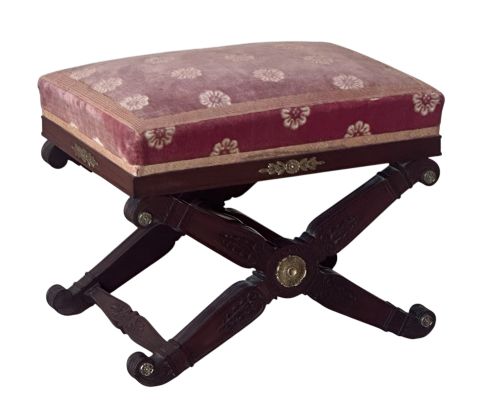
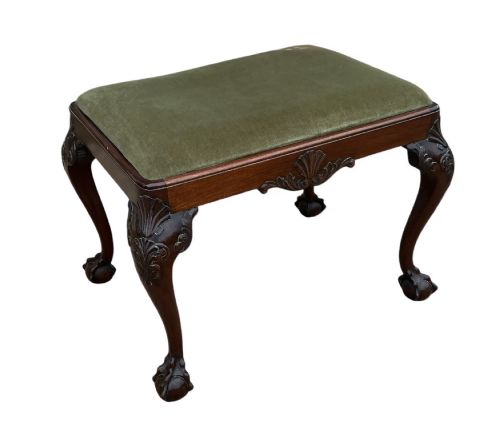
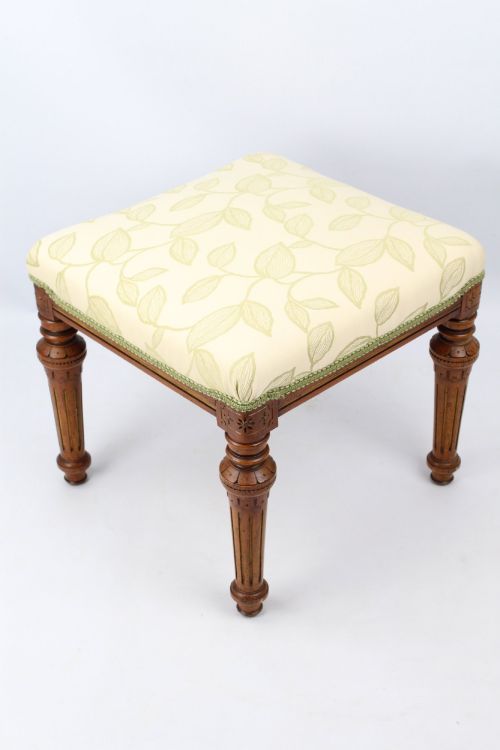
The versions you are most likely to meet on this page span the eighteenth, nineteenth and early twentieth centuries, drawing on styles such as Queen Anne, Chippendale and Gustavian. Forms vary from simple square frames with tapering legs to elaborate X-frame bases and pieces featuring cabriole legs.
Makers utilised woods like mahogany, walnut, rosewood and oak as frames for seats covered in fabric, velvet, leather, wool or silk. They appear variously as dressing table stools, piano stools, footstools and small benches across Georgian, Victorian and Edwardian periods.
Construction and Materials
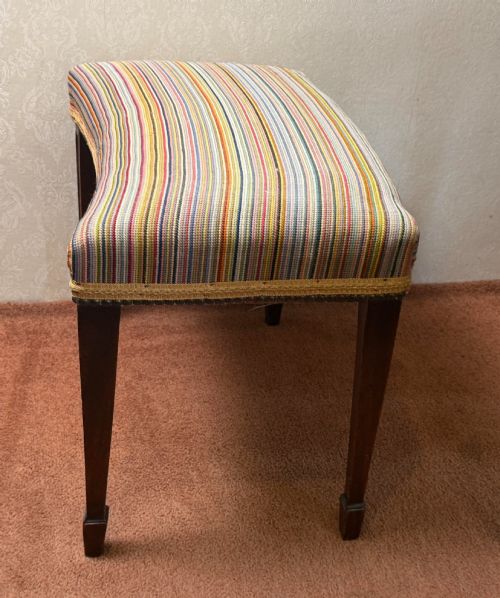
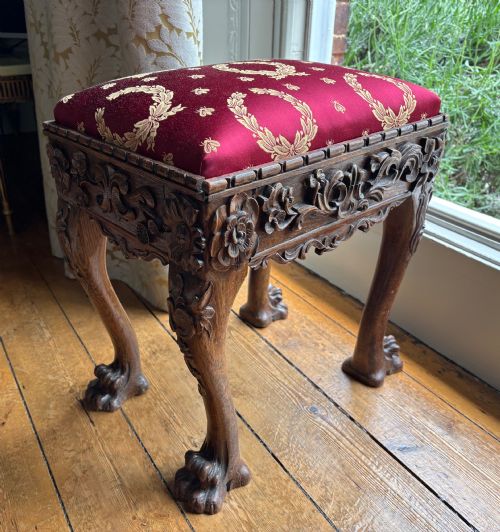
Cabinetmakers built these frames using traditional timbers like mahogany, walnut and oak, frequently shaping the wood into cabriole legs, square tapering supports or barley-sugar turnings. More decorative examples incorporate cross stretchers, carved detailing or painted and gilded finishes on woods such as ebonised timber and rosewood.
Upholstery techniques applied layers of textile, velvet, leather, wool, silk or fabric directly onto the seat frame, sometimes finishing the edges with fine braids or simple tacks. Frame construction relies on standard joinery methods suited to small seating forms, ensuring stability under regular daily use.
Listings feature mahogany, walnut and oak frames paired with textiles, velvet, leather and silk across Victorian, Edwardian and Art Deco periods.
Quality and Distinction
The distinction between ordinary and superior pieces rests on the crispness of the woodwork carving, the selection of timber veneers such as burr walnut or birds-eye maple, and the integrity of the frame construction. Pieces with well-defined cabriole legs, cross stretchers or period-appropriate upholstery display a higher standard of original craftsmanship.
Proportion and scale also separate standard examples from finer ones, with balanced turnings and harmonious lines marking out better workshops. Original surfaces and untouched timber patination elevate a piece above those that have undergone heavy restoration or modern alterations.
Bath Cabinet Makers
The Upholstered Dressing Seat Glossary
- Cabriole leg
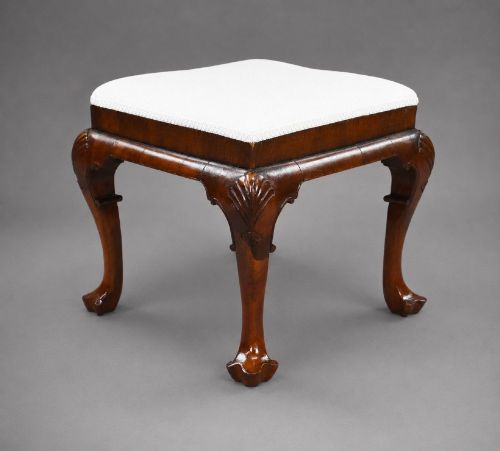
- A furniture leg that curves out and then narrows inward, commonly ending in a pad or claw foot. This form appears frequently on walnut and mahogany pieces from the eighteenth and nineteenth centuries.
- Cross stretcher
- Wooden bracing members connecting the legs beneath a stool to provide structural rigidity. They often feature central turning or decorative intersections.
- X-frame
- A furniture base constructed from two intersecting curved or straight members forming an X shape. This neoclassical form is seen in French Empire and Regency designs.
- Gustavian
- The Swedish interpretation of neoclassical style, characterised by pale painted finishes, restrained carving and simplified classical lines. Pieces often utilise silk or light textile seats.
- Oyster veneer
- Cut from branch wood to reveal circular or oval grain patterns arranged closely together. This technique appears on decorative stretches of early pieces.
Upholstered Dressing Seat: Frequently Asked Questions
What periods do these seats come from?
The pieces span from the eighteenth century through the Victorian and Edwardian eras up to the 1930s Art Deco period. You will encounter styles reflecting Georgian, Regency and Queen Anne revivals alongside original antiques.
Each period brings distinct timber choices and decorative treatments, allowing you to match a seat to specific antique bedroom furniture.
How were these seats used historically?
They served primarily as low, movable seating placed before dressing tables or vanities for personal grooming. Some double as piano stools, small footstools or compact hallway benches.
Their modest proportions allowed them to slide neatly underneath dressing tables when not in use, saving space in period bedrooms.
How do I identify different styles?
Style identification relies on examining leg shapes, wood types and decorative carving details. Cabriole legs and pad feet point toward Queen Anne influences, while straight tapering legs suggest later eighteenth-century designs.
Turned barley-sugar legs indicate earlier seventeenth-century revivals, and clean geometric lines denote 1930s Art Deco pieces.