
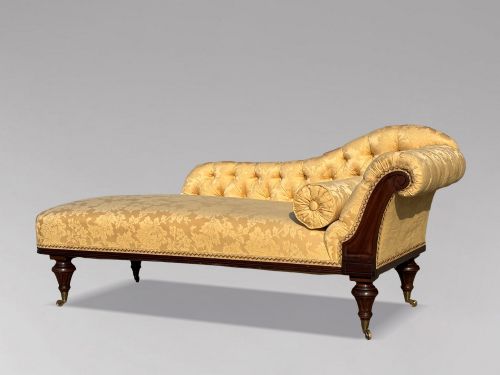
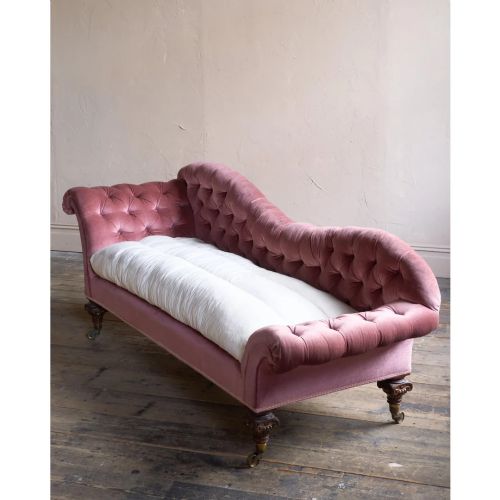
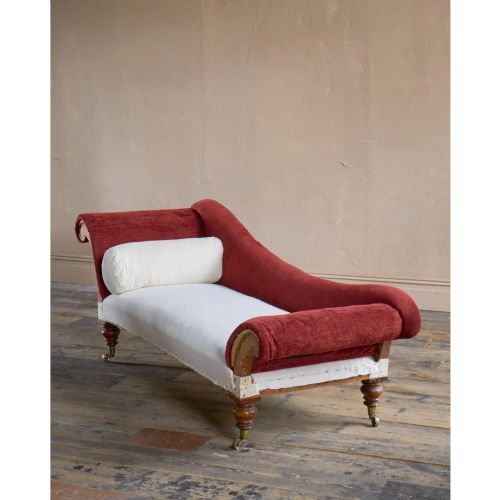
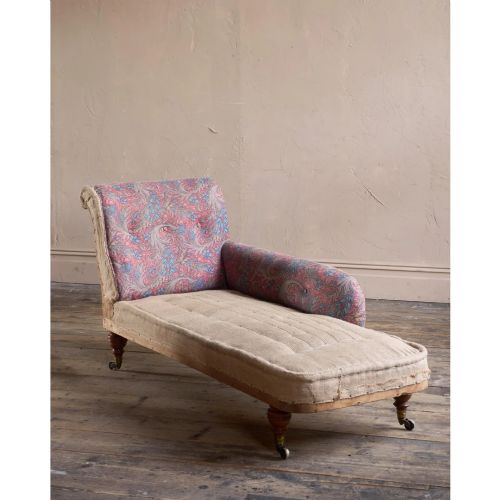
Upholstered Chaise Longue
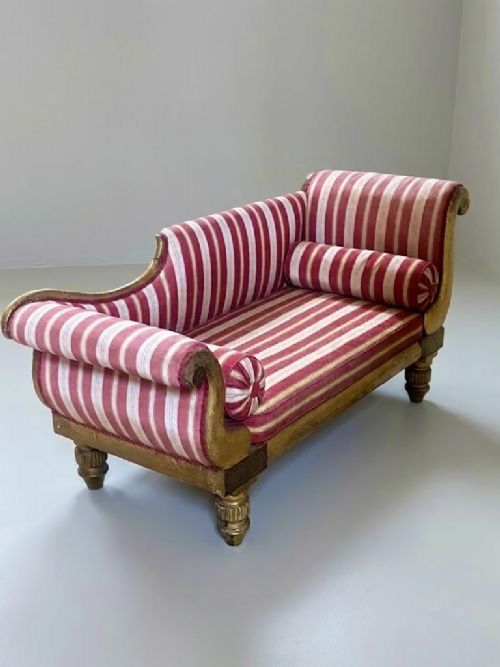
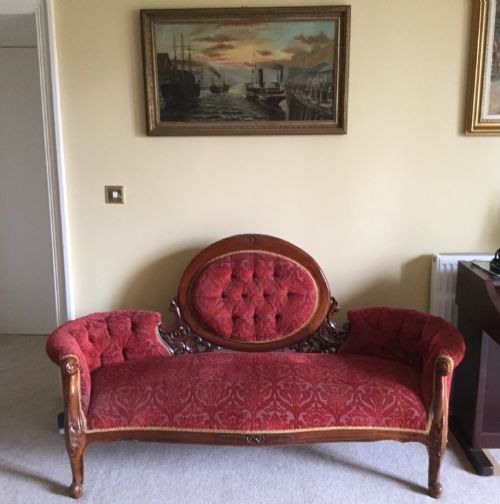
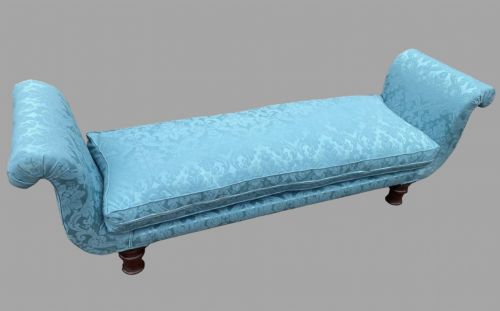
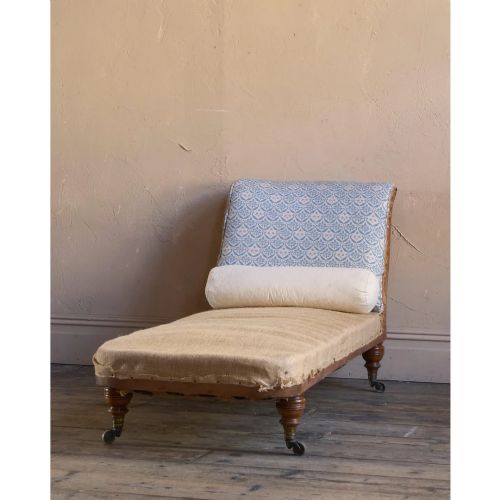
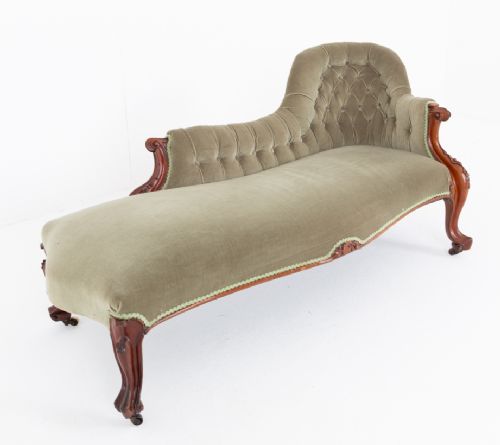
When choosing an upholstered chaise longue, consider pieces spanning the Regency, Victorian, and Edwardian eras designed for reclining in comfort.

Upholstered Chaise Longue
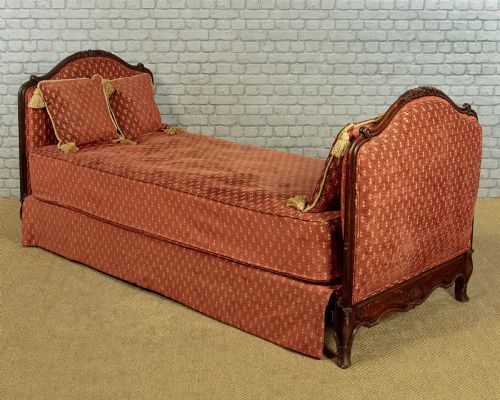
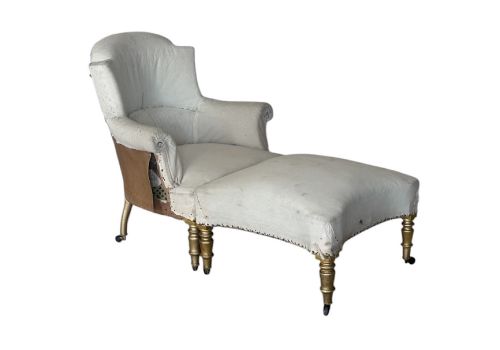
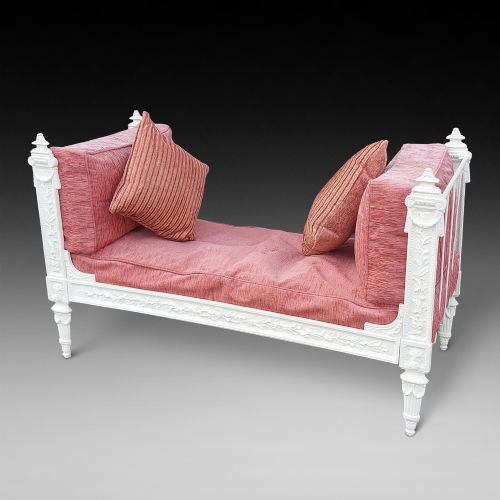
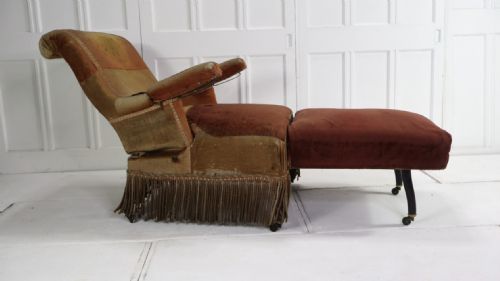
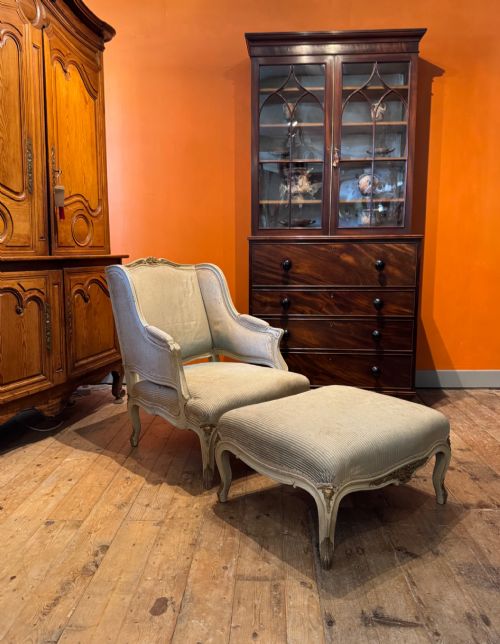
The selections here encompass Victorian and Regency daybeds, double-ended sofas, and French-influenced styles like the duchesse brisée.
Makers such as Howard and Sons and Holland and Sons appear among nineteenth-century examples alongside provincial country house pieces.
How They Were Made
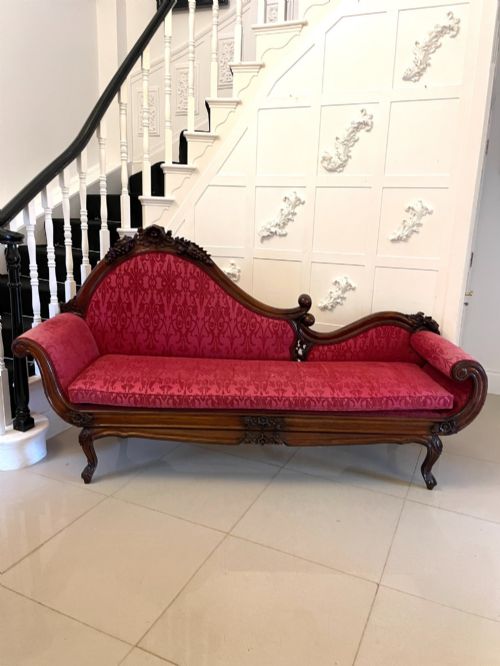
Frames utilise dense timbers including mahogany, rosewood, walnut, and oak, often featuring carved scroll ends or turned supports with brass castors.
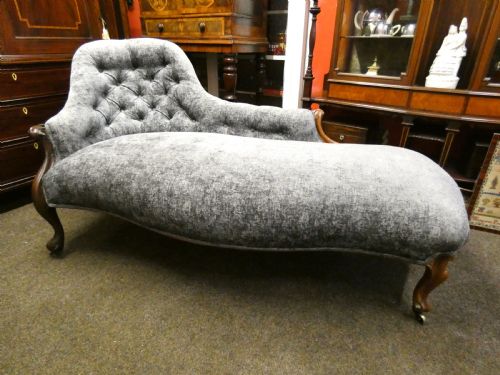
Upholstery techniques involve sprung seats and deep buttoning, finished in textiles such as silk, velvet, damask, brocade, and calico.
Listings feature mahogany, rosewood, walnut, and cast iron frames paired with diverse textiles.
What Varies in Quality
The standard of timber carving and the architectural definition of structural elements, such as scroll arms or ionic column legs, set examples apart.
Interiors attributed to notable cabinet makers display superior joinery and framing compared to standard domestic workshop production.
Holland and Sons·Howard and Sons·H. Goodall and Sons·Gillows
The Upholstered Chaise Longue Glossary
- Chaise longue
- A long chair for reclining, literally translating from French as long chair.
- Duchesse brisée
- A multi-part daybed consisting of a chair and a stool, or two chairs facing each other with a low stool between them.
- Scroll end
- A rolled timber terminal on the arm or back of a seat, characteristic of Regency and Victorian design.
- Button upholstery
- A method where buttons are pulled deep into the padding to secure the stuffing and create a tufted pattern.
- Lit bateau
- A boat bed featuring scrolled head and footboards of equal or near-equal height.
Upholstered Chaise Longue: Frequently Asked Questions
Where were chaise longues placed?
These seating forms occupied principal reception rooms, drawing rooms, and large bedrooms in country houses and town residences alike.
They provided daytime lounging space before the widespread adoption of the modern three-piece suite.
How do I date a Victorian chaise longue?
Dating relies on timber choice, such as rosewood or walnut, combined with the presence of button tufting and turned leg supports.
Earlier nineteenth-century pieces lean toward Regency mahogany frames with bold scroll work.
Are original fabrics common?
Most antique pieces have undergone re-upholstery over time using brocade, damask, velvet, or silk to preserve usability.
Frames occasionally retain fragments of earlier calico foundations beneath modern top covers.