






Upholstered Accent Stool
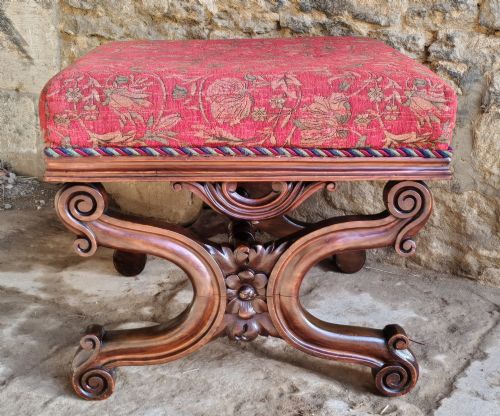
An upholstered accent stool brings period character and practical seating to a room, ranging from mahogany x-frames to carved Victorian walnut designs.
Upholstered Accent Stool
An upholstered accent stool is a versatile seating form found in various historical styles, including Victorian, Georgian, and French revival designs.
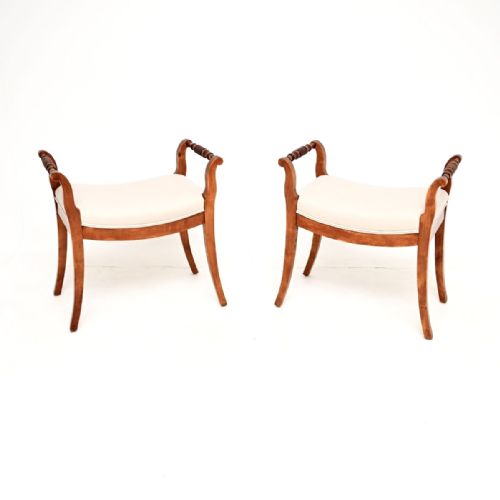
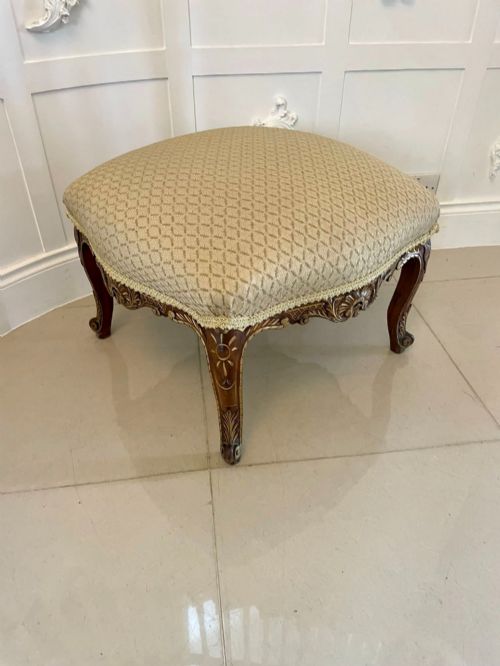
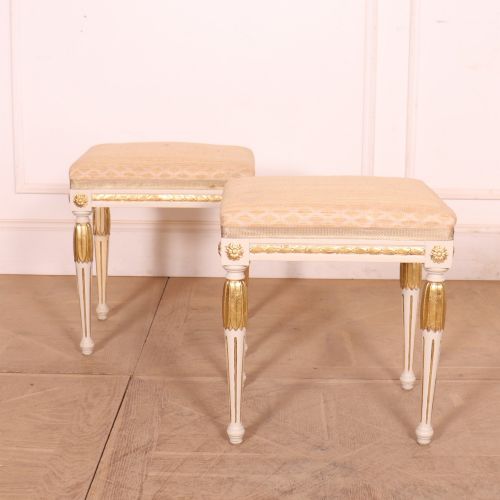
Buyers encounter numerous walnut and rosewood examples from the nineteenth century, alongside mahogany frames and painted Swedish pieces.
These items serve multiple domestic functions, appearing as dressing table seats, window benches, and low footstools across different periods.
Materials and construction
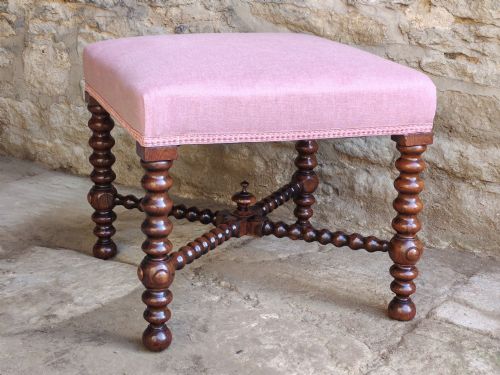
Frames are constructed from hardwoods such as walnut, mahogany, rosewood, and oak, occasionally finished with giltwood or paint.
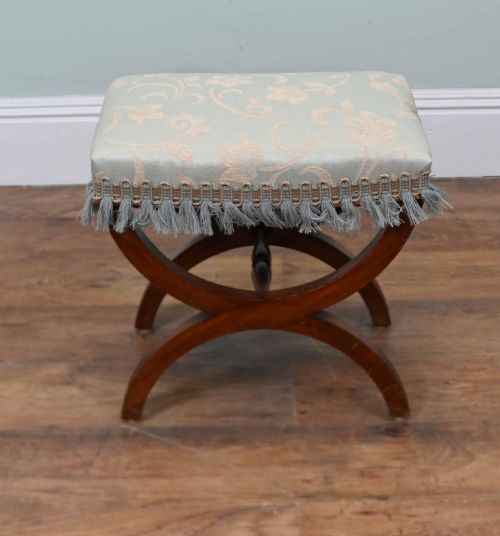
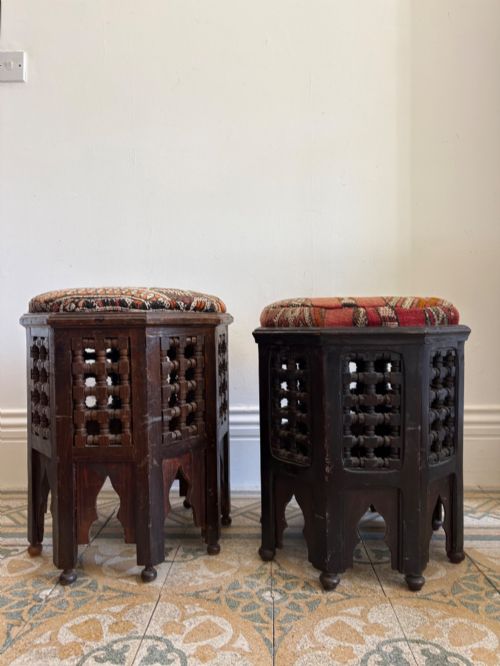
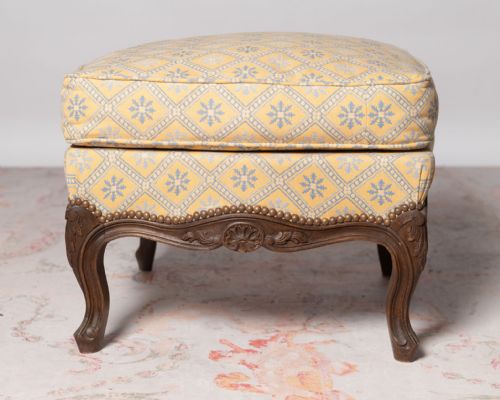
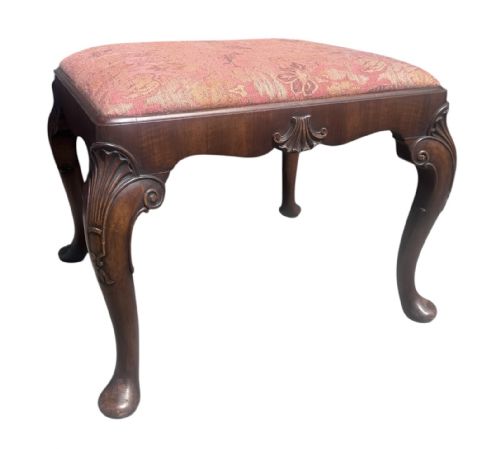
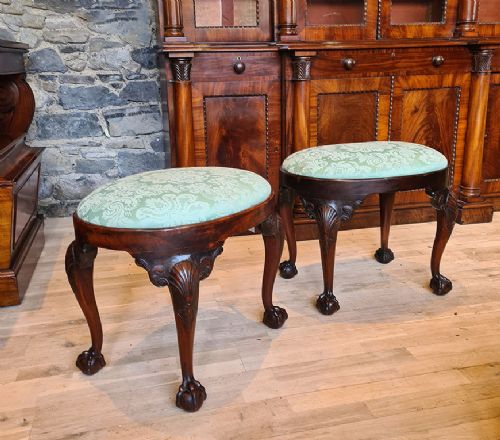
Upholstery methods utilise traditional textiles, leather, needlepoint, and tweed linen set over various frame shapes like x-frames and cabriole legs.
Upholstered Accent Stool Retail Price Guide 2026
Typical asking prices for upholstered accent stool among the pieces listed under this phrase on Sellingantiques today, from the lower quarter to the upper quarter. They describe what is for sale here now, not the wider market.
Listings feature walnut, mahogany, and rosewood frames alongside textiles, leather, and needlepoint upholstery from the nineteenth and eighteenth centuries.
Distinguishing quality
The standard of carving on wooden frames, from simple bobbin legs to detailed Victorian motifs, marks the distinction between ordinary and finer pieces.
Original upholstery materials like needlepoint or leather contrast with later replacement covers, influencing the historical integrity of the piece.
The Upholstered Accent Stool Glossary
- X-frame
- A cross-legged structural form derived from ancient curule seats that provides sturdy support while maintaining an elegant silhouette. This design appears frequently in nineteenth-century walnut and mahogany examples.
- Cabriole leg
- A furniture leg that curves outward and then tapers inward, typically ending in a pad or scroll foot. This shape is characteristic of eighteenth-century and revival seating.
- Bobbin leg
- A turned wooden support shaped to resemble a string of bobbins or spools. It is commonly found on mid-nineteenth-century rosewood and walnut stools.
- Prie-dieu
- A low devotional chair or stool featuring an upholstered top rail designed for kneeling or leaning. These nineteenth-century pieces often showcase carved walnut or rosewood frames.
- Giltwood
- Wood that has been coated with a thin layer of gold leaf or gilt. This finish is typical of decorative French and Victorian window seats and stools.
Upholstered Accent Stool: Frequently Asked Questions
Where should I place an accent stool?
These pieces fit easily into various domestic settings, functioning as dressing table seats in bedrooms or extra low seating in libraries and living spaces.
Their compact size allows them to sit beneath windows or beside occasional tables without dominating the room.
How do I identify a Victorian stool?
Victorian examples frequently utilise walnut, rosewood, or ebonized wood with elaborate carving, buttoned leather, or needlepoint upholstery.
Stylistic influences from this era often include revival designs such as Rococo curves or structural x-frame configurations.
Are these stools suitable for daily seating?
Most historical stools are structurally robust, constructed from hardwoods like mahogany, walnut, and oak to support daily use.
Frames with sturdy joints and renewed upholstery offer practical, comfortable seating for modern interiors.