



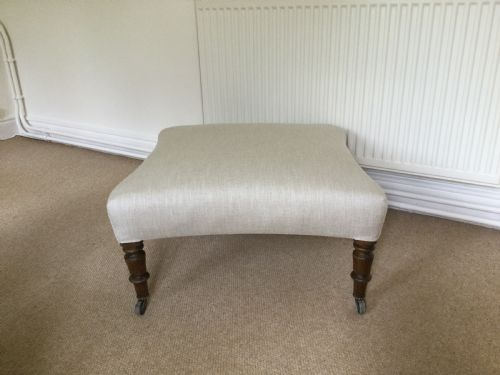


Vintage French Pouffe
These vintage french pouffe examples bring period charm and low seating to a room, offering tactile upholstery and carved timber frames.
Vintage French Pouffe
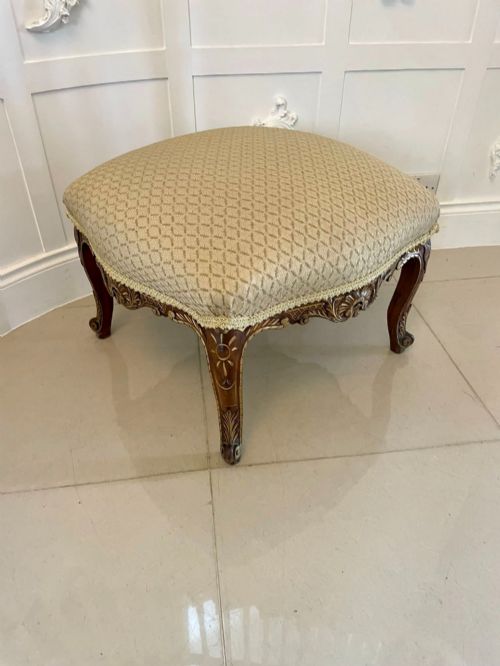
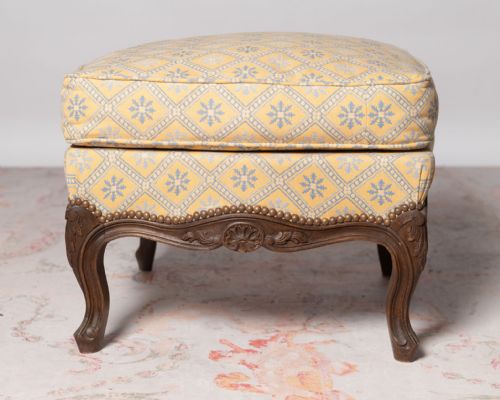
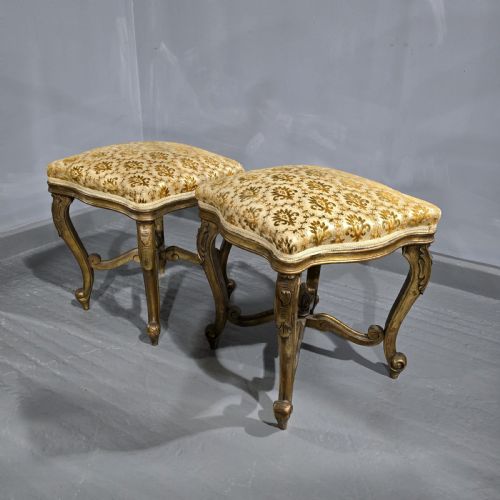
A vintage french pouffe typically takes the form of a low stool, footstool or ottoman originating from the nineteenth century into the early twentieth century. You are most likely to meet pieces finished in giltwood, carved walnut or beech, reflecting classical French and Victorian design influences.
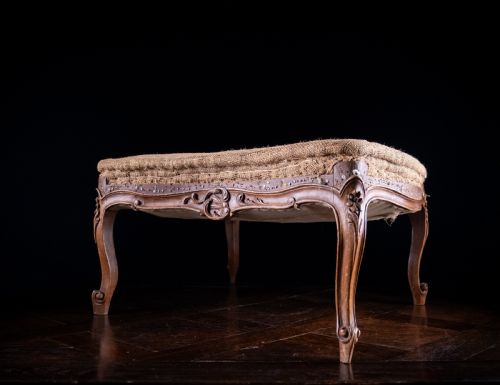
The objects serve as functional seating or footrests, often defined by cabriole legs and frames styled after Louis XV or French Chateau aesthetics. Surviving examples range from fully upholstered red silk items to bare wooden frames ready for new fabric.
Makers and craftsmen of these periods utilised traditional joinery and carving techniques to shape hardwood frames. Collectors seek out these variations to match specific period interiors or to introduce a classical accent piece.
How they were made
Frames are constructed from hardwoods such as walnut, beech, and giltwood, carved by hand with flowing floral or scroll motifs. These structural elements provide the durable skeleton necessary to support deep buttoning and traditional upholstery.
Upholstery techniques rely on foundational materials like hessian and calico beneath top layers of silk, velvet, or general fabric. Some pieces arrive stripped back to the webbing and padding layers, exposing the internal construction methods of nineteenth-century workshops.
Vintage French Pouffe Retail Price Guide 2026
Typical asking prices for vintage french pouffe among the pieces listed under this phrase on Sellingantiques today, from the lower quarter to the upper quarter. They describe what is for sale here now, not the wider market.
Some nineteenth-century footstools are found completely stripped of upholstery, revealing bare wooden frames eagerly waiting for a textile makeover.
What varies in quality
The refinement of the wood carving dictates much of the visual distinction between pieces, where crisp depth in the foliage or cabriole shaping separates standard production from finer work. Frames that retain their original gilding or rich walnut grain hold greater visual weight.
The execution of the upholstery, from the precision of deep buttoning to the selection of silk or velvet textiles, alters the character and comfort of the seat. Condition varies from sound antique frames needing complete recovering to pieces preserved with intact period fabric.
The Vintage French Pouffe Glossary
- Giltwood
- Timber treated with gold leaf or a gold-coloured metallic finish. This surface treatment is common on formal nineteenth-century French seating.
- Cabriole leg
- A furniture leg that curves out and then narrows inward, terminating in a small foot. It forms a defining feature of Louis XV style design.
- Hessian
- A coarse woven fabric typically utilised as internal foundational bagging or support beneath top upholstery layers. It conceals and secures internal stuffing.
- Deep buttoning
- An upholstery technique where buttons are pulled tight through the padding to create a padded diamond pattern. This method adds both texture and structural tension to silk and velvet covers.
Vintage French Pouffe: Frequently Asked Questions
What is a vintage french pouffe used for?
These pieces function primarily as low occasional seats or as footstools paired with armchairs and sofas. Their compact dimensions allow them to fit easily into smaller spaces while adding a decorative period accent.
Historically, they provided comfortable support in drawing rooms and bedrooms. Today, they serve similar practical roles while bringing historic texture into contemporary interiors.
How do I identify a nineteenth-century piece?
Examination of the timber frame, hand-carved details, and traditional joinery methods reveals the age of the item. Look for signs of hand-working on walnut or beech structures rather than modern machine production.
Materials such as hessian webbing and traditional stuffing underneath the top fabric also point to earlier manufacturing periods. Comparing the leg profile against documented Louis XV or Victorian styles helps confirm the era.
Can I reupholster a bare wooden frame?
Many examples survive as bare wooden frames specifically ready for new upholstery to suit modern interiors. This allows you to select custom fabrics like velvet, silk, or patterned textiles that match your existing room colour scheme.
A skilled upholsterer can rebuild the internal padding using traditional methods appropriate for the age of the frame. This ensures the finished seat maintains correct proportions and lasting comfort.
How do I care for giltwood and antique wood?
Dust wooden and gilt surfaces gently with a soft, dry cloth to prevent the accumulation of grit. Avoid harsh chemical cleaners or excess moisture, which can damage delicate gold leaf or aged timber finishes.
Keep the furniture away from direct sunlight and heat sources to prevent the wood from drying out or cracking. Regular, gentle maintenance preserves the patina built up over a century or more.