


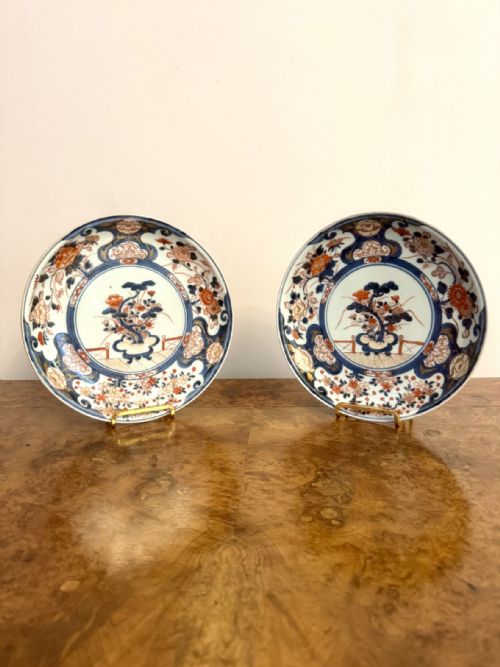
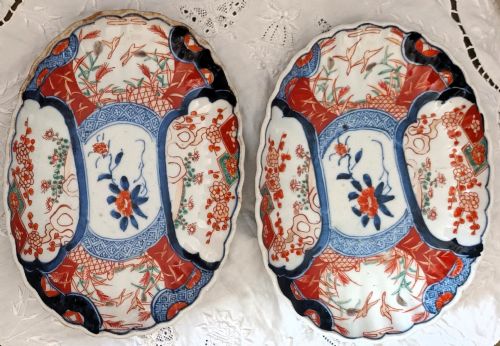


Underglaze Iron Dish
An underglaze iron dish brings together the rich palette and enduring techniques of Asian ceramic traditions.
Underglaze Iron Dish
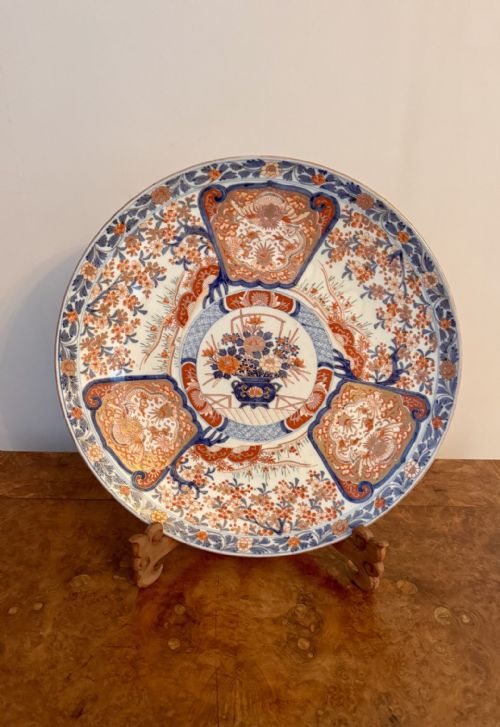
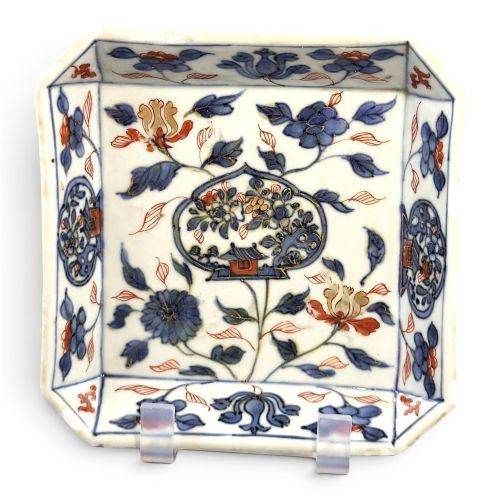
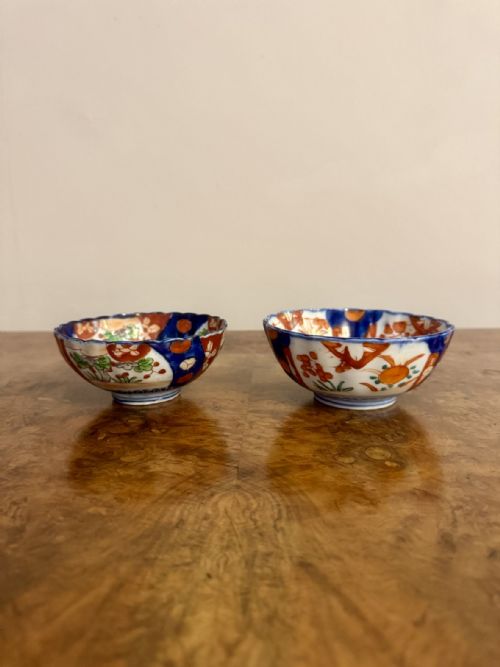
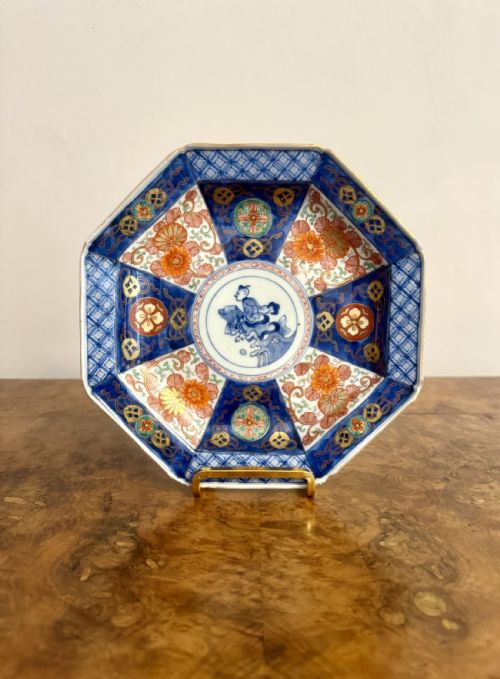
When you search for an underglaze iron dish, you encounter a selection spanning centuries and kilns, from stoneware fish dishes originating in the Sukhothai period to Japanese Imari plates and Chinese export porcelain. The pieces appearing here most frequently are decorative dishes and plates from the Meiji period and the eighteenth century.
The assortment encompasses bowls, scalloped plates, and chamfered square vessels decorated in cobalt blue, gold leaf, and enamel alongside iron red pigments. These items served both utilitarian and decorative roles in historic households and continue to function as striking display pieces.
How they were made
Potters shaped ceramic and porcelain bodies by hand or wheel before applying pigments beneath a clear glaze, ensuring the decoration remained permanent after firing. Artisans incorporated iron red enamel, cobalt blue, and occasional gold leaf details to create layered surface patterns.
Kiln workers utilised high-temperature firings to vitrify stoneware and porcelain, fixing the underglaze colours permanently into the ceramic body.
Some fourteenth-century fish dishes carry ancient kiln dust permanently fused into their glaze, acting as silent witnesses to their creation.
What varies in quality
The standard of a piece rests upon the crispness of the painted detail and the balance of the composition across the surface of the dish. Finer examples display precise brushwork and well-controlled glaze application that enhances the underlying ceramic form.
The complexity of the shape also distinguishes finer works, particularly where scalloped edges, hexagonal contours, or chamfered corners are successfully executed without distortion during the firing process.
The Underglaze Iron Dish Glossary
- Underglaze
- A method of decorating pottery beneath a transparent glaze using pigments that withstand high kiln temperatures. This technique protects the painted design from wear over time.
- Imari
- A style of Japanese export porcelain characterised by a palette of cobalt blue, iron red, and gold. These ceramics were widely produced during the Edo and Meiji periods.
- Stoneware
- A dense, impermeable ceramic fired at high temperatures until vitrified. It provides a robust body suitable for utilitarian and decorative vessels alike.
- Enamel
- Low-melting glass coloured with metallic oxides, applied over the fired glaze and refired at a lower temperature. This adds vibrant reds and other hues to the ceramic surface.
Underglaze Iron Dish: Frequently Asked Questions
How do I date an antique Imari dish?
Dating relies on examining the characteristics of the porcelain paste, the clarity of the underglaze blue, and the specific shades of iron red and gold leaf used in the decoration.
Comparing the potting style and baseline glaze marks to established periods such as the Meiji era or the eighteenth century provides further chronological context.
Can I use these antique dishes for food?
While these pieces were originally functional ceramics, historic tableware often contains surface wear or material vulnerabilities developed over centuries of existence.
Most collectors choose to exhibit them as decorative plates or bowls rather than subjecting them to modern culinary use.
How should I clean my antique ceramic dish?
Dusting gently with a soft, dry cloth is usually sufficient for routine maintenance of historic glazed surfaces.
Avoid immersing delicate enamelwork in water or using harsh cleaning agents that might degrade the gold leaf or iron red pigments.