
Cream Ceramic Dish
A cream ceramic dish brings quiet utility and historic depth to a table, spanning eighteenth-century English wares and nineteenth-century domestic pottery.
Cream Ceramic Dish
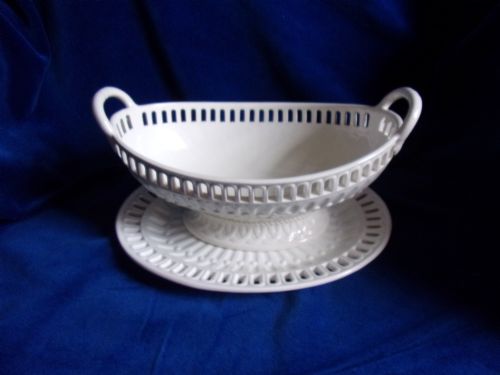
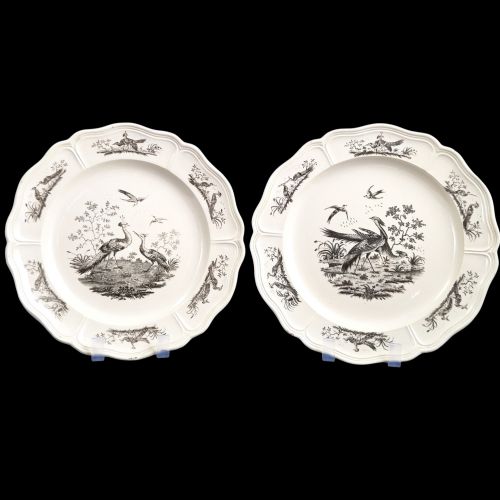
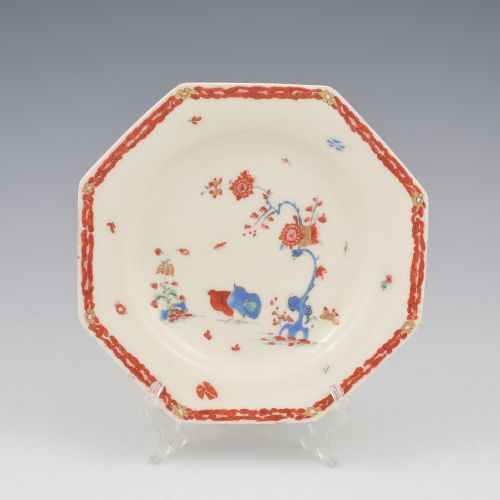
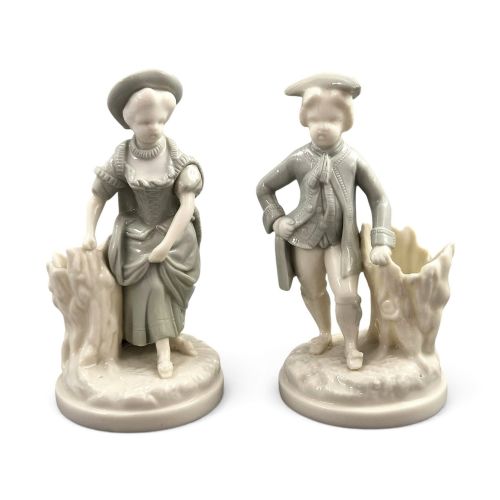
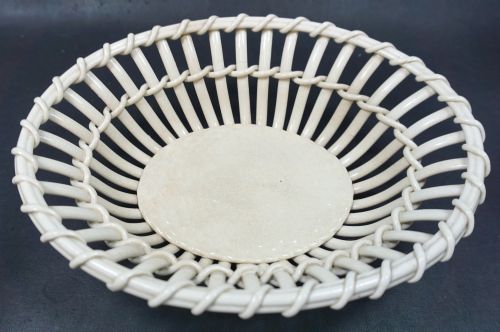
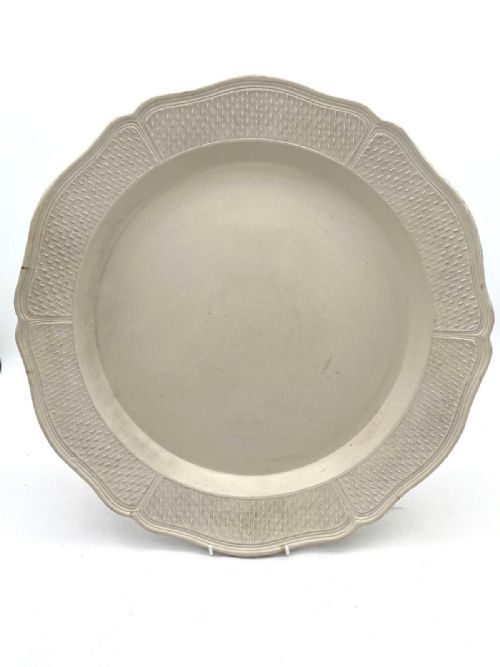
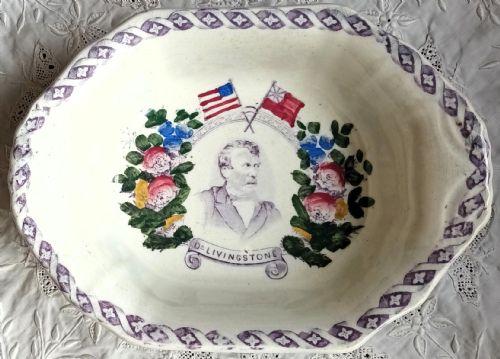
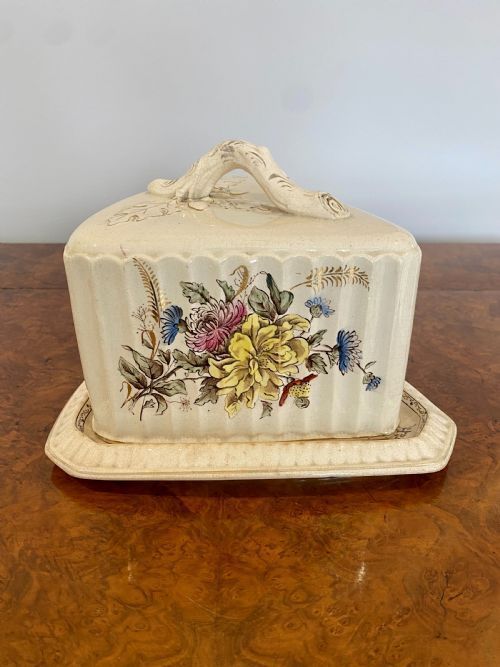
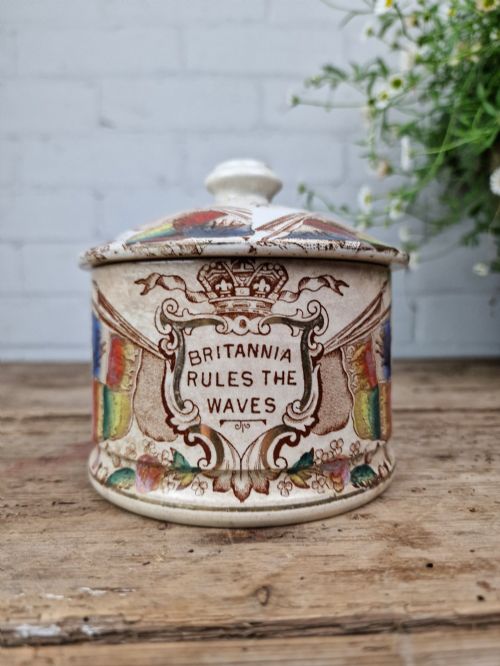
A cream ceramic dish encompasses everything from utilitarian nineteenth-century cheese covers and butter dishes to eighteenth-century creamware platters, soup bowls, and chargers. These items served dining tables across generations, functioning as practical vessels for serving food or as decorative plates displayed in formal rooms.
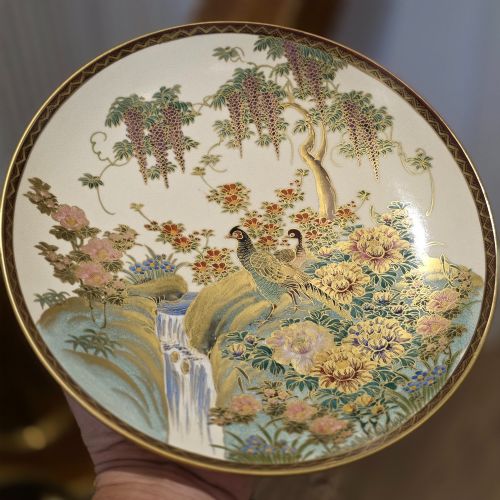
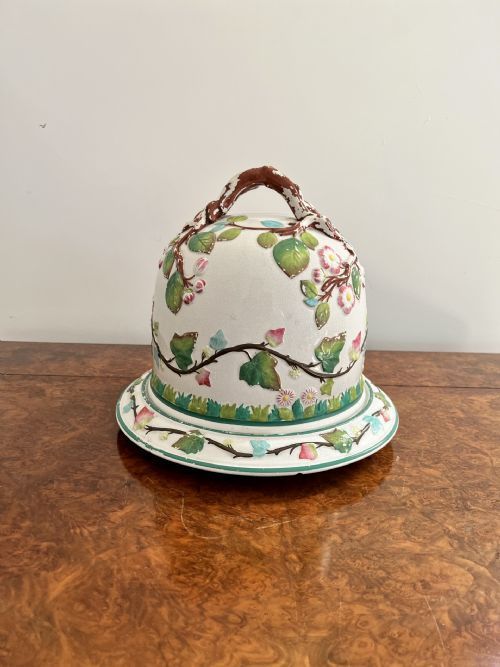
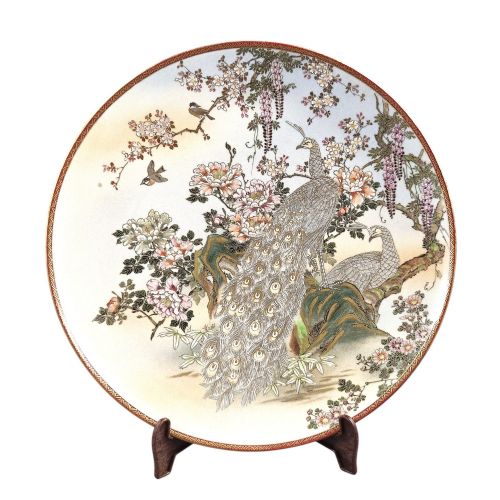
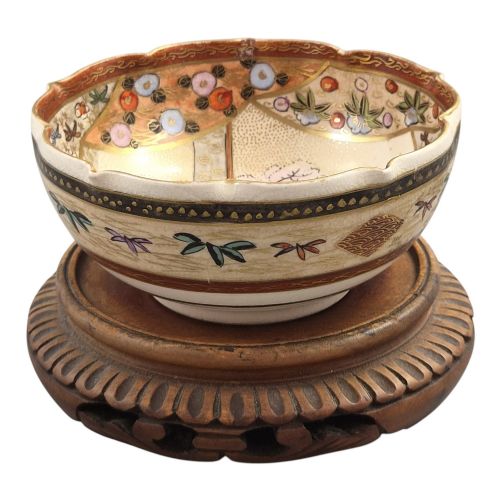
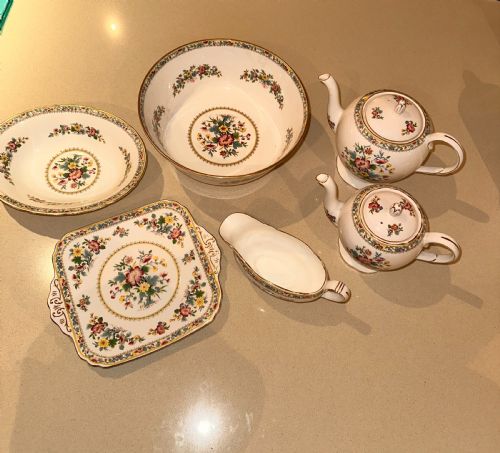
The pieces appearing on this page stretch from pre-sixteenth century Persian lustre bowls to Victorian earthenware cheese domes, English pearlware sauce tureens, and Japanese Satsuma chargers. Buyers searching for a cream ceramic dish will encounter a wide spectrum of forms, including footed bowls, armorial platters, octagonal plates, and rectangular serving trays.
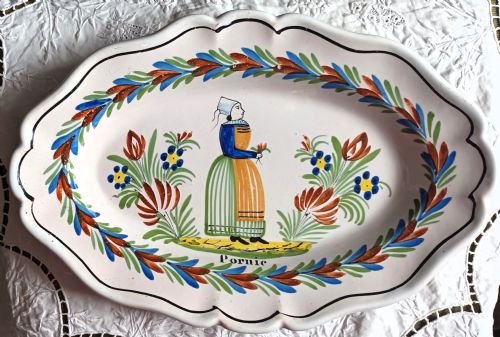
Originating from English potteries such as Wedgwood alongside continental and Japanese workshops, these ceramics display distinct regional aesthetics. English creamware and pearlware sit alongside French faience, Majolica, and intricate Meiji period Satsuma ware, offering a diverse array of bodies and glazes.
How they were made
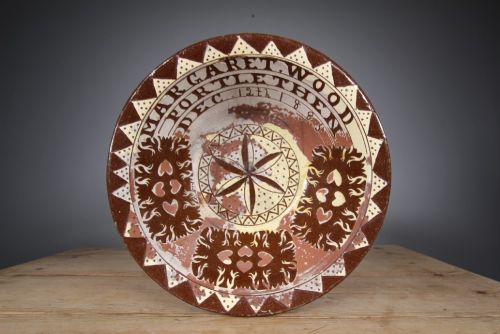
Potters shaped these vessels using earthenware, porcelain, and pearlware bodies, often finishing the surface with clear, cream-coloured, or tin-based glazes. Some pieces incorporated slipware techniques or lustre applications, while others received intricate hand-painted enamel decoration and gilding.
Firing techniques varied significantly across the centuries, from early reduction-fired Persian earthenware to Staffordshire creamware kiln methods developed during the eighteenth century. Japanese pieces utilised specialised regional clays decorated with elaborate moriage relief work and fine polychrome pigments.
Several Victorian cheese dishes were built remarkably large because nineteenth-century households took their cheddar very seriously indeed.
What varies in quality
The level of detail in hand-painted motifs and armorial transfers separates standard domestic items from superior cabinet pieces. Precision in potting, such as the thinness of a porcelain wall or the crispness of a moulded edge, distinguishes finer workshops from mass production.
The preservation of original glaze surfaces, gilding, and enamel colours dictates the desirability of older ceramics. Pieces that retain their crisp moulded details and undisturbed painted scenes demonstrate superior preservation over long periods of use.
Royal Worcester·Seaton Pottery·Wedgwood·Doulton Burslem·Mann Co·Mintons·Carlton Ware
The Cream Ceramic Dish Glossary
- Creamware
- A type of fine earthenware developed in eighteenth-century England, characterised by its pale straw or cream-coloured lead glaze. It became popular for table services due to its refined appearance and durability.
- Pearlware
- An improved earthenware body developed by Josiah Wedgwood around 1779, featuring a subtle bluish glaze that pooled in recesses to mimic the look of Chinese porcelain. It frequently carried botanical and transfer-printed decorations.
- Satsuma
- A style of Japanese earthenware originating from the Satsuma Domain, traditionally featuring a crackled ivory-coloured glaze decorated with polychrome enamels and gold leaf. These wares became widely exported during the Meiji period.
- Majolica
- A type of earthenware coated with an opaque tin-lead glaze and decorated with brightly coloured metal oxide paints. Victorian iterations often took the form of moulded cheese dishes and serving covers.
- Slipware
- Pottery decorated with a thin mixture of clay and water known as slip, applied to the unfired body by trailing, brushing, or dipping. It represents some of the earliest traditions of domestic ceramic decoration.
Cream Ceramic Dish: Frequently Asked Questions
How do I care for antique creamware?
Wash antique ceramics gently by hand using lukewarm water and mild soap, avoiding modern dishwashers entirely. Pat dry with a soft cloth to protect aged glazes and delicate painted details.
Keep pieces away from sudden temperature fluctuations and direct sunlight to prevent crazing or fading of the historic ceramic body.
Were these dishes used daily?
Many nineteenth-century items, such as cheese domes, butter dishes, and soup bowls, saw regular service on dining tables. Others, including cabinet plates and decorative chargers, were intended primarily for display.
Heavier earthenware items endured heavy kitchen use, while delicate porcelain plates were reserved for formal dining and dessert courses.
How do I date an unmarked piece?
Examine the weight, glaze character, and potting style to determine the likely period of manufacture. Foot rings, rim shapes, and body composition often reveal whether a piece originates from the eighteenth century or the Victorian era.
Comparing the decorative palette and motif style against known factory standards helps narrow down the decade of production.
What is the difference between earthenware and porcelain?
Earthenware uses porous clay fired at lower temperatures, requiring a glaze to achieve waterproof qualities. Porcelain utilises refined kaolin clay fired at high heat until vitrified, resulting in a dense, non-porous material.
Porcelain pieces often transmit light through the body when held up to a lamp, whereas earthenware remains completely opaque.