



Underglaze Blue Wall Dish
An underglaze blue wall dish brings together cobalt decoration and porcelain to hang or display.
Underglaze Blue Wall Dish
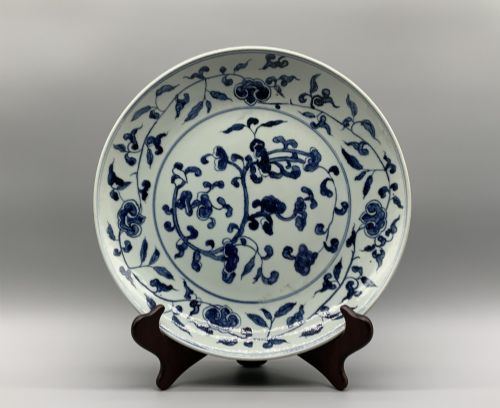
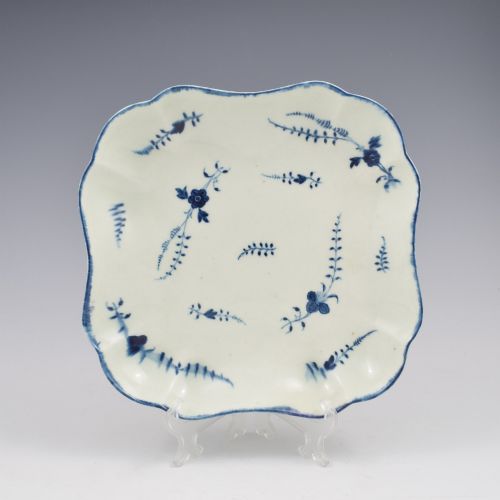
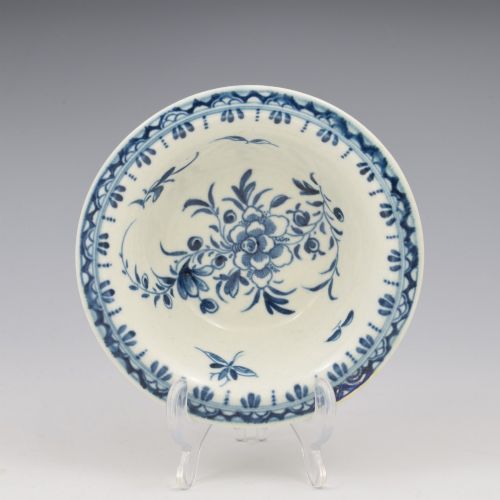
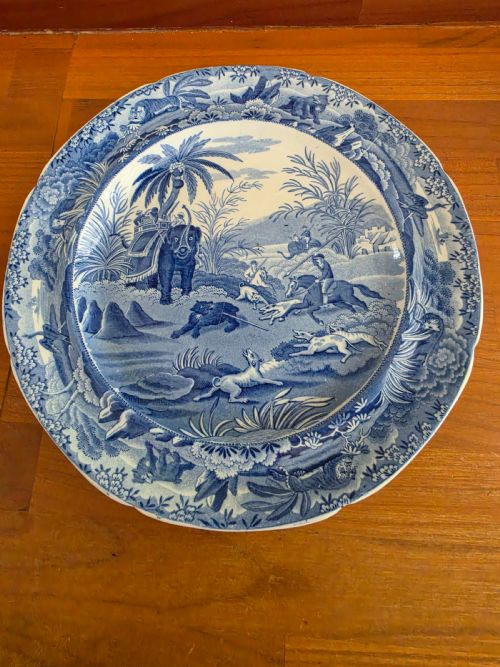
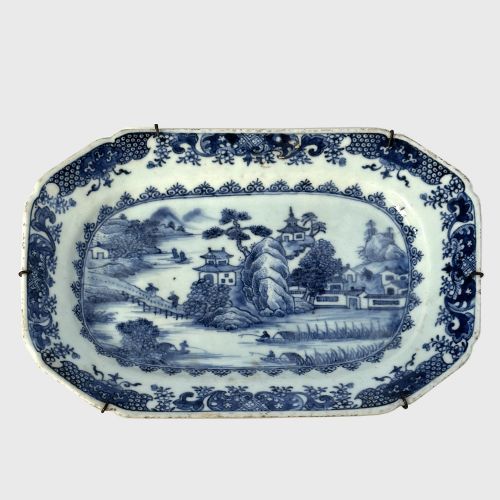
An underglaze blue wall dish spans decorative chargers, platters, and smaller pickle dishes produced across the eighteenth, nineteenth, and early twentieth centuries. These ceramic items encompass English porcelain from factories such as Worcester, alongside Chinese export wares and Japanese Imari or Arita pieces.
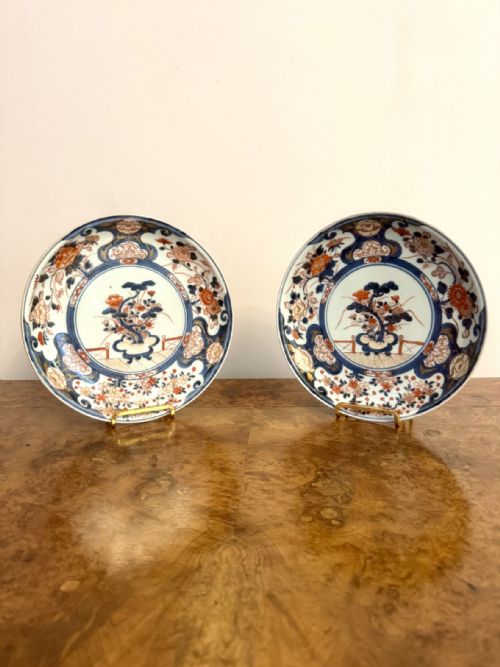
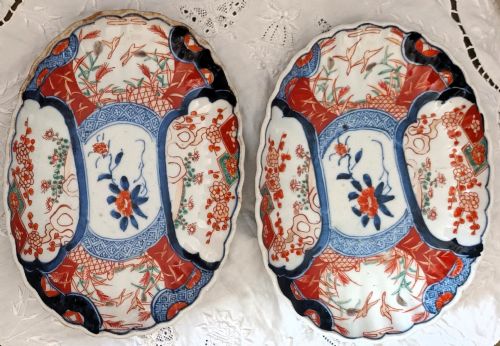
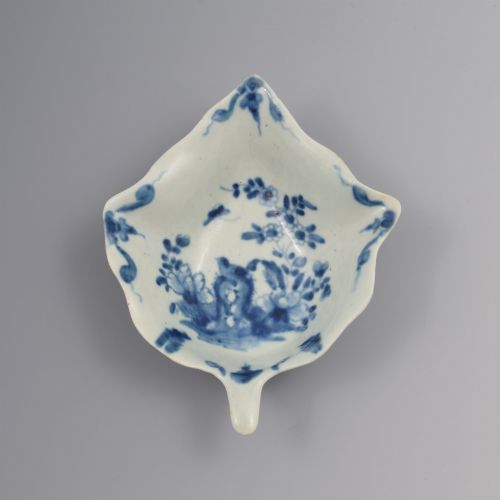
The pieces appearing most frequently on this page are Japanese Imari plates and chargers dating around nineteen hundred, alongside eighteenth-century English porcelain dishes featuring cobalt botanical and bird patterns. Collectors encounter everything from large sweeping chargers to scalloped dessert dishes and small leaf-shaped pickle trays.
Originating from diverse traditions including the Kangxi period, Edo period, and Georgian eras, each underglaze blue wall dish demonstrates distinct regional painting styles. Makers applied cobalt pigment beneath a clear glaze before firing, creating enduring blue motifs that remain crisp on ceramic surfaces.
Materials and production methods
Potters shaped hard-paste and soft-paste porcelain into plates, chargers, and platters before applying cobalt pigment directly to the raw clay body. This cobalt glaze or pigment absorbed the heat of the kiln, fusing permanently beneath a transparent glass layer.
Certain Japanese and Chinese pieces incorporated additional touches like enamel and gold leaf over the fired glaze for heightened decorative effect. Artisans in English factories like Worcester also utilised cobalt pigment for intricate printed or hand-painted botanical motifs on delicate forms.
Listings feature porcelain pieces spanning the eighteenth, nineteenth, and early twentieth centuries, alongside ceramic forms like pickle dishes and chargers.
Distinctions in quality
Execution of the cobalt brushwork defines the tier of a piece, separating rapid commercial output from masterwork painting with sharp outlines and deep tonal variation. Cobalt pigment applied with control yields crisp botanical and figurative details rather than blurred or bleeding edges.
The purity of the porcelain body and the smoothness of the final glaze reveal the care taken during the firing process. Early English soft-paste dishes and fine Japanese Arita chargers display meticulous potting, whereas ordinary wares show minor kiln imperfections.
The Underglaze Blue Wall Dish Glossary
- Underglaze
- Decoration applied to pottery before it is glazed and fired, allowing the pigment to sit beneath the glassy surface. This technique protects the blue colour from wear over centuries.
- Imari
- A style of Japanese porcelain originating from Arita, traditionally featuring underglaze blue combined with iron red and gold. Pieces in this tradition travelled widely for export.
- Soft-paste Porcelain
- An artificial ceramic compound fired at lower temperatures than hard-paste porcelain, common in eighteenth-century English factories like Worcester. It possesses a warm, slightly creamy body.
- Charger
- A large decorative plate intended for display on a wall, sideboard, or table rather than everyday dining. These substantial ceramic pieces often showcase complex cobalt painting.
- Pickle Dish
- A small, specialised nineteenth or eighteenth-century dish, frequently formed as a leaf or shell, used for serving condiments. Worcester potteries produced these in delicate moulded shapes.
Underglaze Blue Wall Dish: Frequently Asked Questions
How do I hang a wall dish safely?
Use a spring-loaded wire hanger that grips the rim firmly without putting pressure on the ceramic body. Ensure the wall fixing is secure before mounting any heavy porcelain charger.
Check the hanger periodically to confirm the wire maintains its tension around the dish. Avoid hanging pieces in areas subject to heavy vibrations or direct sunlight.
Are these dishes safe for food use?
Antique porcelain dishes with underglaze blue decoration are generally stable, but age and historic repairs make everyday dining use inadvisable. Displaying them on walls or in cabinets preserves their condition.
Enamel and gold leaf additions found on some Imari pieces can wear away with frequent washing and cutlery contact. Gentle dusting or occasional hand washing in tepid water is best for maintenance.
How can I tell eighteenth-century Worcester from later wares?
First Period Worcester porcelain often exhibits specific crescent or square seal marks, alongside a distinctive soft-paste body texture. The cobalt painting on these pieces tends to show soft edges where the pigment settles into the glaze.
Later nineteenth-century productions utilise harder porcelain bodies and sharper transfer-printed outlines. Examining the footrim and translucency helps differentiate the period of manufacture.
What is the difference between an Imari plate and a blue and white dish?
Traditional blue and white ceramics rely exclusively on cobalt pigment beneath the glaze to create monochromatic designs. These draw heavily on Chinese export and English eighteenth-century aesthetics.
Imari wares incorporate contrasting iron red and gold leaf over the glaze alongside the underglaze blue. This creates a much richer, multi-coloured palette characteristic of Japanese Arita production.