


Underglaze Blue Saucer
An underglaze blue saucer brings together centuries of ceramic history, offering refined cobalt decoration beneath a clear protective glaze.
Underglaze Blue Saucer
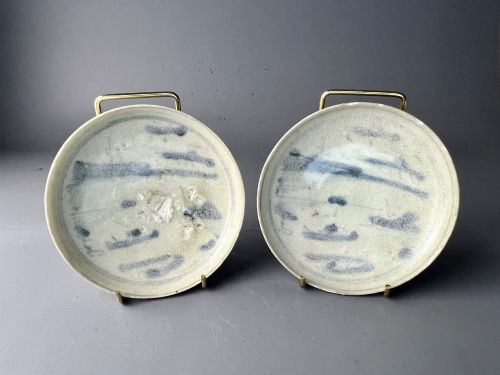
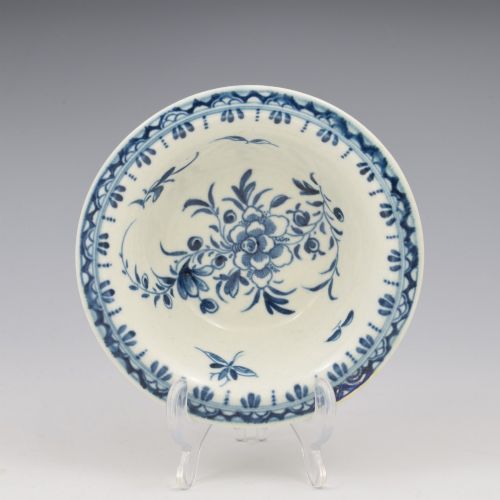
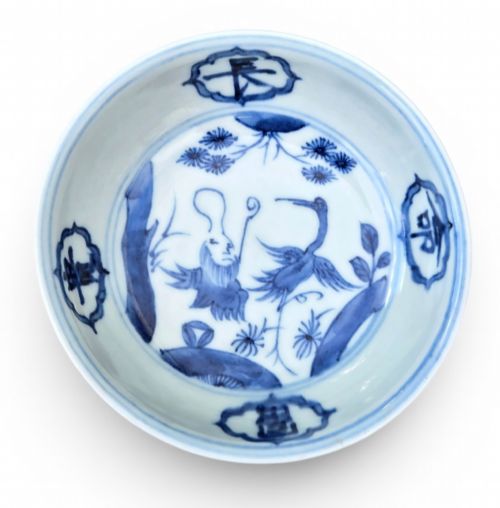
When you search for an underglaze blue saucer, you encounter small ceramic dishes decorated with cobalt pigment applied directly to the body before firing. These items appear across multiple periods, including the seventeenth, eighteenth, and nineteenth centuries.
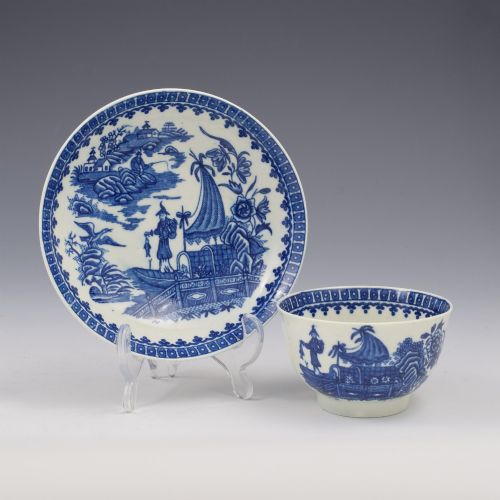
The selections span English factories such as Worcester alongside Asian wares featuring Chinese and Japanese designs. Forms range from tea bowls with matching saucers to deep saucer-dishes and small decorative plates.
You are most likely to meet eighteenth-century English porcelain saucers featuring floral or pictorial motifs, as well as nineteenth-century Japanese Imari and blue-and-white export pieces.
What varies in quality
Quality rests upon the clarity of the cobalt painting and the crispness of the porcelain body. Finer examples display controlled brushwork and deep, vibrant blue tones without blurring.
The refinement of the paste and the smoothness of the glaze also distinguish standard production pieces from exceptional factory output or imperial wares.
Early tea drinkers often poured tea directly into their saucers to cool it down quickly, turning these small dishes into essential companions for hot brews.
The Underglaze Blue Saucer Glossary
- Underglaze
- Pigment applied to pottery before it receives a glaze and is fired. This method protects the painted design beneath a durable glassy layer.
- Cobalt Blue
- A metallic oxide used to achieve deep blue colouring on ceramics. It withstands the intense heat required for porcelain firing.
- Soft-paste Porcelain
- A ceramic composition developed in Europe using glass and white clay substitutes. It lacks the natural kaolin of hard-paste porcelain but yields a warm, creamy body.
- Imari
- A style of Japanese export porcelain characterised by cobalt blue underglaze combined with iron red and gold overglaze. The palette was widely imitated in Europe.
Underglaze Blue Saucer: Frequently Asked Questions
How do I identify an eighteenth century saucer?
Eighteenth-century pieces typically exhibit soft-paste porcelain bodies with hand-painted cobalt designs under a clear glaze. Examination under magnification often reveals the characteristic pooling and minor imperfections of early manufacturing.
English examples from factories like Worcester frequently feature peony, cormorant, or fisherman motifs associated with period Chinoiserie tastes.
What is the difference between Chinese and Japanese designs?
Chinese porcelain often incorporates traditional symbols, dragons, or auspicious motifs executed in vibrant cobalt blue. Japanese Imari wares frequently combine underglaze blue with iron red and gilt highlights.
Distinguishing between them relies on stylistic cues in the border patterns, floral arrangements, and the quality of the clay body.
How were saucers used historically?
These small dishes served primarily alongside tea bowls for drinking tea during the seventeenth and eighteenth centuries. Hot tea was often poured from the bowl into the saucer to cool before drinking.
Over time, many served decorative functions within elite households, displayed on surfaces or stored in cabinets alongside other ceramic wares.
Can I use antique saucers for serving food?
While these items were originally functional tableware, antique pieces from the seventeenth and eighteenth centuries are generally collected for display and study. Age, historical significance, and the delicate nature of soft-paste porcelain make careful handling advisable.
Gentle hand washing is preferred over mechanical dishwashers to preserve the integrity of the glaze and any overglaze enamel.