


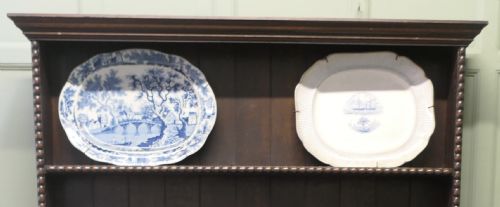
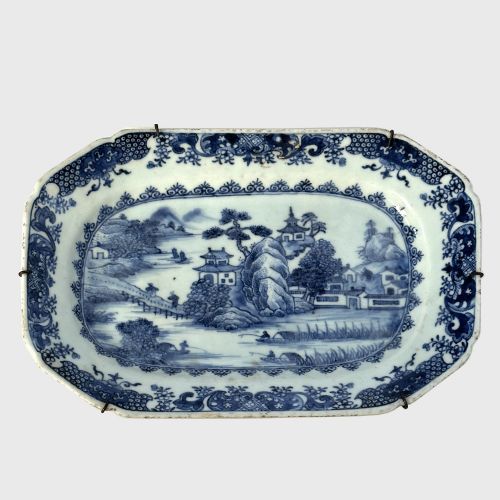


Underglaze Blue Porcelain Platter
Underglaze blue porcelain platters bring cobalt pigment beneath a clear glaze, offering collectors durable serveware and decorative chargers from centuries past.
Underglaze Blue Porcelain Platter
An underglaze blue porcelain platter is a broad ceramic serving vessel or decorative charger painted with cobalt before firing. These pieces emerge from Chinese dynasties, Japanese kilns, and English factories across the seventeenth, eighteenth, and nineteenth centuries.
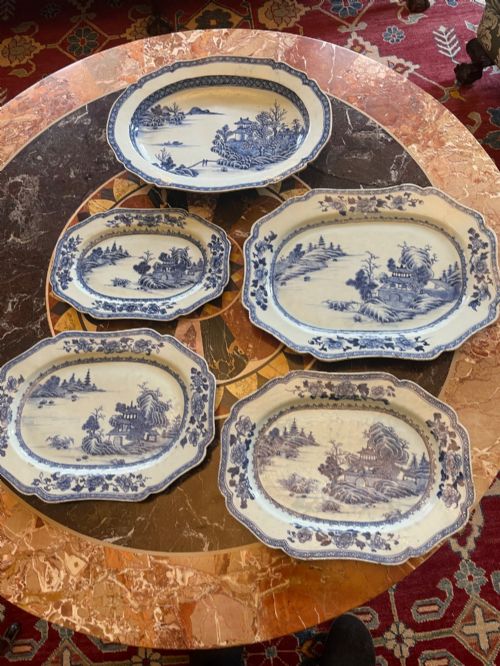
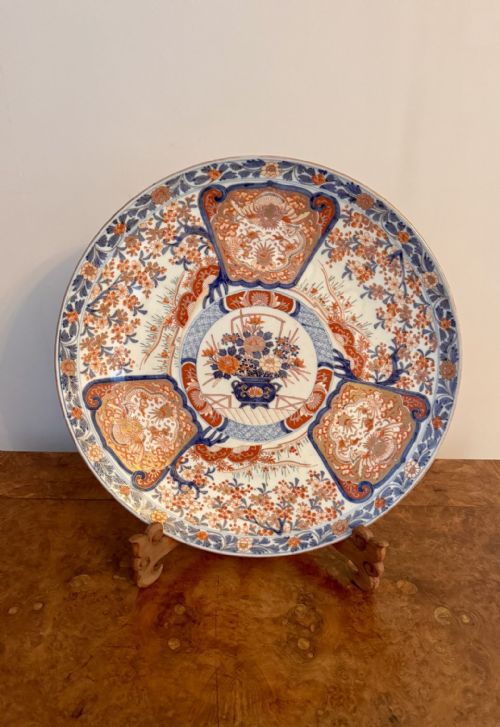
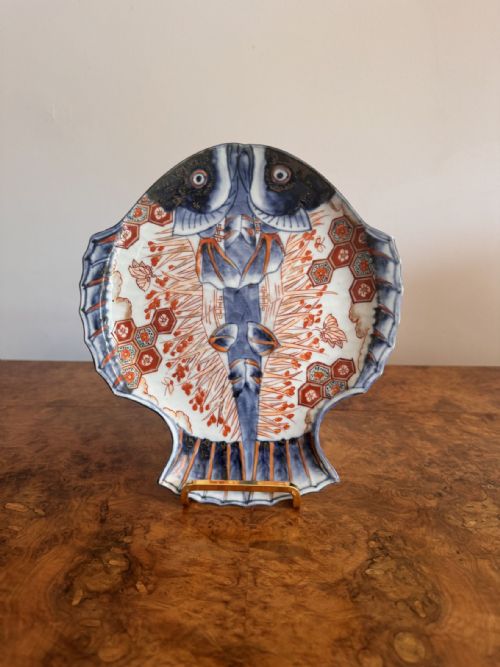
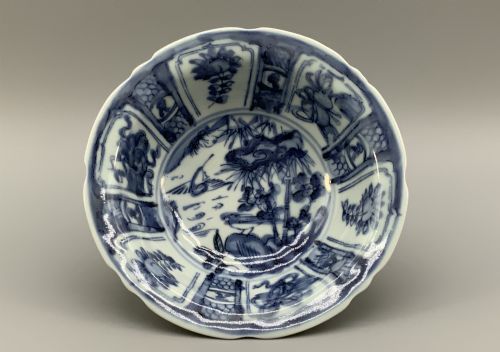
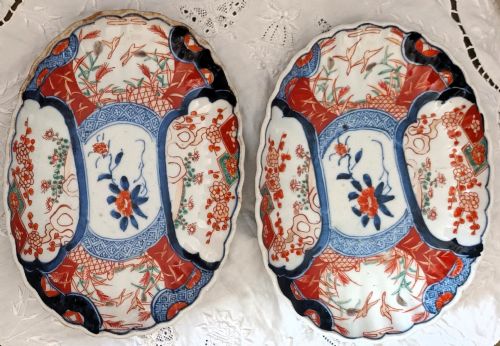
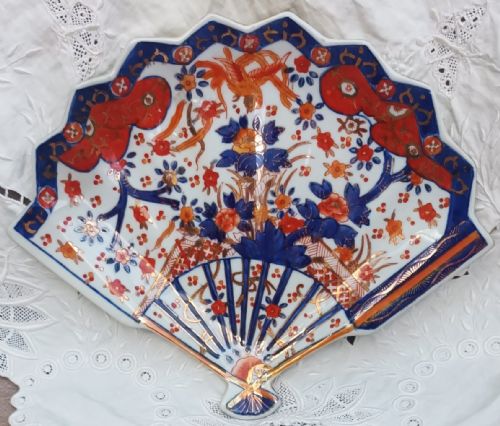
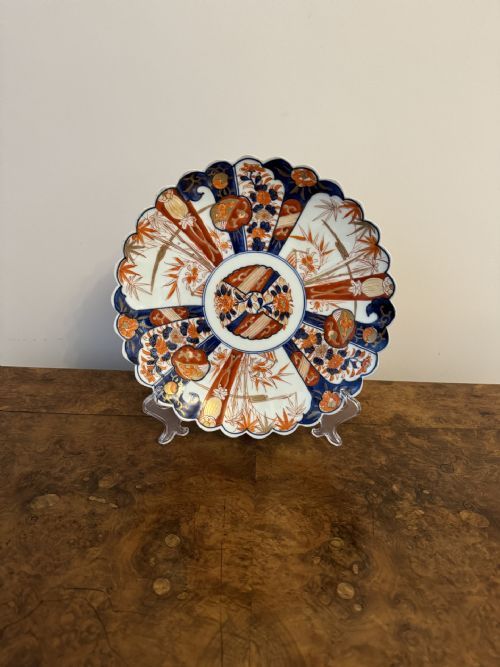
The version most commonly met on this page is the large Japanese Imari or Arita charger alongside Chinese export porcelain platters from the Kangxi and Qing periods. Buyers encounter these forms shaped as scalloped plates, fish dishes, and circular chargers decorated with floral, dragon, or landscape motifs.
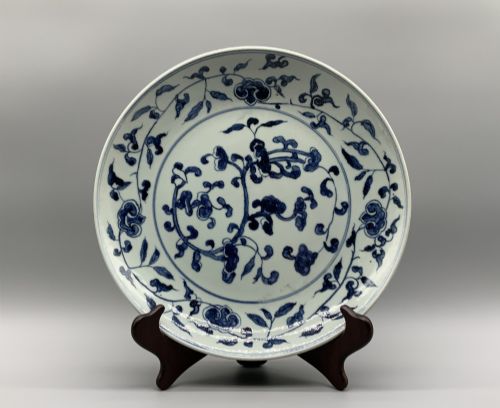
Originating from diverse traditions including Staffordshire earthenware, Caughley pearlware, and Ming dynasty wares, these platters served dining tables or adorned walls as decorative plates and bowls.
How they were made
Potters applied cobalt pigment directly onto the raw porcelain or ceramic body before covering the piece with a clear glaze and firing it at high temperatures. This technique locked the blue decoration beneath the glass surface, protecting the pigment from wear over centuries of use.
Makers shaped the clay using wheel-throwing, moulding, and pressing techniques to create barbed rims, lobed bowls, and fish-formed dishes. Artisans incorporated enamel and gold accents on top of the glaze in specific styles like Japanese Imari after the primary kiln firing.
Underglaze Blue Porcelain Platter Retail Price Guide 2026
Typical asking prices for underglaze blue porcelain platter among the pieces listed under this phrase on Sellingantiques today, from the lower quarter to the upper quarter. They describe what is for sale here now, not the wider market.
Listings span the 17th century through the Edwardian era, featuring porcelain, earthenware, and cobalt glaze.
What varies in quality
The clarity and depth of the cobalt pigment separate superior examples from ordinary production, with finer pieces displaying sharp brushwork and deep, unblurred tones. The precision of the moulding, the symmetry of scalloped or barbed edges, and the refinement of the porcelain body dictate the tier of the piece.
Artistic execution in the hand-painted details, such as complex dragon motifs, floral arrangements, or koi carp representations, distinguishes masterwork chargers from standard workshop output.
Caughley·Staffordshire
The Underglaze Blue Porcelain Platter Glossary
- Underglaze
- Cobalt pigment applied to the unfired ceramic body before glazing and firing. This method ensures the decoration remains permanent beneath the glassy surface.
- Imari
- Japanese export porcelain decorated in underglaze blue, iron red, and gold. The style originated in Arita and gained immense popularity in European markets.
- Charger
- A large decorative plate or platter used for ceremonial dining or display. These substantial vessels often measured considerable diameters.
- Export porcelain
- Wares manufactured specifically for overseas markets, particularly European and American buyers during the Qing dynasty and earlier periods.
- Arita
- The Japanese town and surrounding region central to the production of Japanese porcelain. Kilns here produced substantial quantities of blue and white wares.
Underglaze Blue Porcelain Platter: Frequently Asked Questions
How were underglaze blue porcelain platters used?
These platters served food at formal dining tables or functioned as decorative chargers mounted on walls and displayed on cabinets. Their durable glazed surfaces made them practical for serving meats and main dishes.
Over time, many large chargers transitioned entirely into decorative objects due to their artistic value and large formats.
What is the difference between Chinese and Japanese platters?
Chinese pieces often feature detailed underglaze blue landscapes, dragons, and floral motifs rooted in imperial traditions. Japanese Arita and Imari platters frequently incorporate distinct panel designs, iron red enamel, and gold highlights.
Porcelain composition and throwing techniques also differ between the respective regional kilns.
How should I care for an antique porcelain platter?
Wash antique porcelain gently by hand using mild soap and lukewarm water when cleaning is necessary. Avoid dishwashers, harsh abrasives, and sudden temperature changes that could stress the historic ceramic body.
Display or store the platter securely on padded surfaces to protect the edges and glaze.