



Underglaze Blue Ceramic Urns
These underglaze blue ceramic urns bring rich cobalt tones and historic craftsmanship to any room, offering versatile display pieces for the home.
Underglaze Blue Ceramic Urns
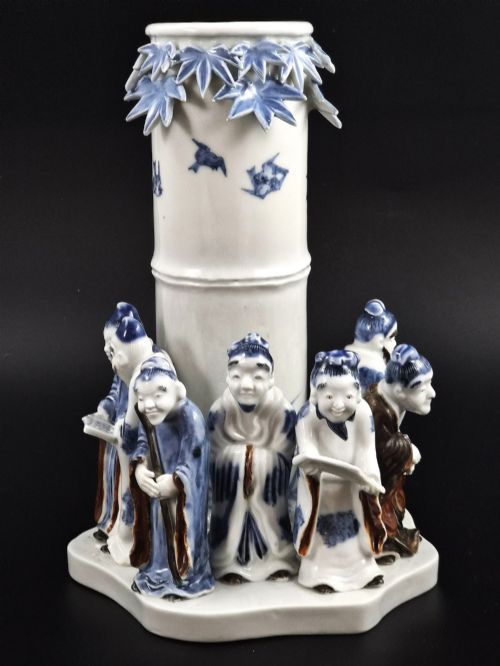
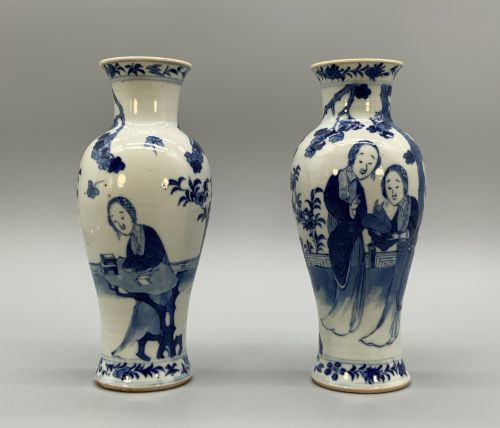
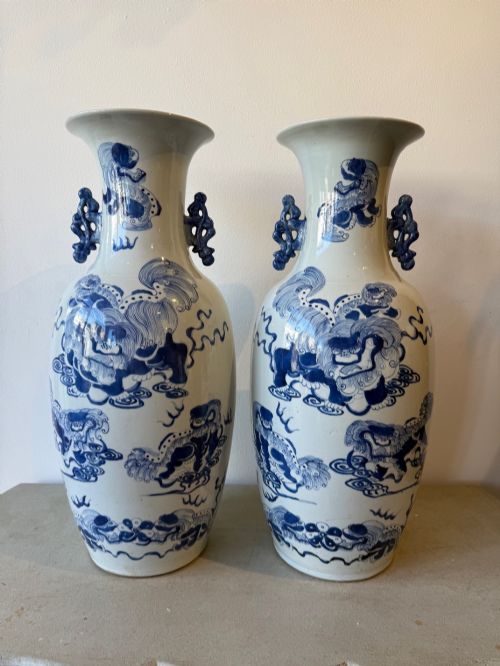
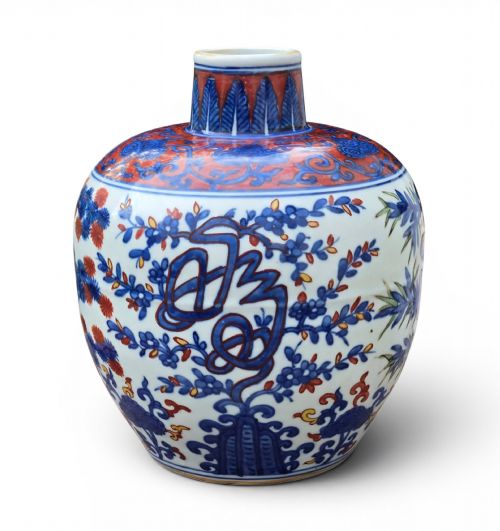
You are most likely to meet nineteenth-century examples, particularly blue and white porcelain vases executed in Chinese Kangxi style or Japanese Imari palettes. These range from imposing pairs of baluster vases to single lidded jars and converted table lamps.
The assortment also includes earlier scholarly pieces and marked jars bearing stylistic references to Qing and Ming dynasties. Each vessel demonstrates the enduring appeal of cobalt decoration applied beneath a clear ceramic glaze before high-temperature firing.
How they were made
The foundation of these pieces relies on fine ceramic and porcelain bodies shaped by hand or on the wheel. Artisans applied cobalt pigment directly onto the unfired clay body to achieve the characteristic deep blue decoration under the glaze.
Following the application of the cobalt pigment, a clear glaze coated the vessel before it underwent high-temperature firing in a kiln. Selected pieces incorporate additional embellishments such as enamel colours or gold leaf applied over the initial glaze layer.
Underglaze Blue Ceramic Urns Retail Price Guide 2026
Typical asking prices for underglaze blue ceramic urns among the pieces listed under this phrase on Sellingantiques today, from the lower quarter to the upper quarter. They describe what is for sale here now, not the wider market.
Listings span from the seventeenth century to the early twentieth century, incorporating porcelain, ceramic, cobalt glaze, and gold leaf materials.
What varies in quality
Quality in these vessels reveals itself through the depth and control of the cobalt pigment against the ceramic body. Finer examples display precise brushwork, balanced composition in figurative or botanical motifs, and clarity within the white ground beneath the glaze.
The sophistication of the potting and the stability of the glaze during high-temperature firing distinguish superior production. Pieces bearing clear reign marks or attributed to notable workshops demonstrate a higher tier of artistic execution.
Makuzu Kozan·Fukagawa
The Underglaze Blue Ceramic Urns Glossary
- Underglaze blue
- A method of decoration where cobalt pigment is applied to the ceramic body before glazing and firing. This technique protects the blue design permanently beneath a glassy protective layer.
- Imari
- A traditional Japanese style of porcelain decorated in underglaze blue, iron red, and gold. This aesthetic gained immense popularity in Europe during the export trade periods.
- Baluster
- A vase shape characterised by a rounded body that tapers toward the base and swells near the lower centre. It provides a stable and visually pleasing silhouette for intricate cobalt painting.
- Ginger jar
- A wide-mouthed storage jar originally used for spices or preserved ginger. Antique examples frequently feature high-shouldered bodies decorated with prunus blossom motifs in cobalt blue.
- Kamcheng
- A type of covered ceramic jar traditionally used in Peranakan households for food storage. These vessels often combine robust porcelain bodies with vibrant underglaze decoration.
Underglaze Blue Ceramic Urns: Frequently Asked Questions
How do I care for my ceramic urn?
Dust the surface regularly with a soft, dry cloth to prevent the accumulation of dirt within recessed areas.
Avoid using harsh chemical cleaning agents or abrasive scrubbers that might damage the historic glaze or any applied gold leaf.
Can I display fresh flowers inside these vessels?
Many of these historic jars and vases can hold water, but older ceramics can develop microscopic hairline fractures over centuries.
Place a modern glass or plastic liner inside the vessel if you intend to use it for fresh floral arrangements to protect the interior glaze.
How do I distinguish nineteenth-century pieces from earlier examples?
Examine the weight, the tone of the cobalt blue, and the characteristics of the unglazed foot rim. Nineteenth-century pieces often emulate Kangxi or Ming styles while retaining distinct nineteenth-century potting traits.
Consult the recorded period markers in the listing titles to compare stylistic nuances across different centuries.
Where were these ceramic urns originally placed?
In historic interiors, large jars and vases served as prominent decorative centerpieces on mantelpieces, side tables, or architectural display niches.
Today, they function well as standalone sculptural objects or converted table lamps in traditional and contemporary rooms alike.