



Underglaze Blue Bottle Vase
An underglaze blue bottle vase brings centuries of cobalt painting and potted grace into a room.
Underglaze Blue Bottle Vase
An underglaze blue bottle vase is a vessel defined by its slender neck, rounded body, and cobalt decoration applied beneath a clear glaze. When buyers search for an underglaze blue bottle vase, they seek these classic ceramic forms that span multiple dynasties, periods, and centuries.
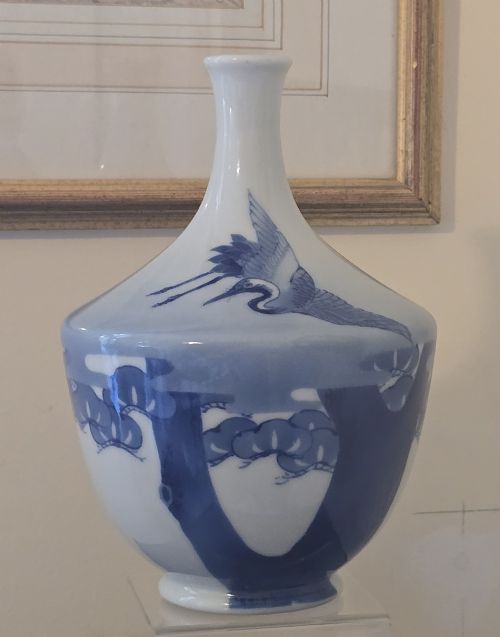
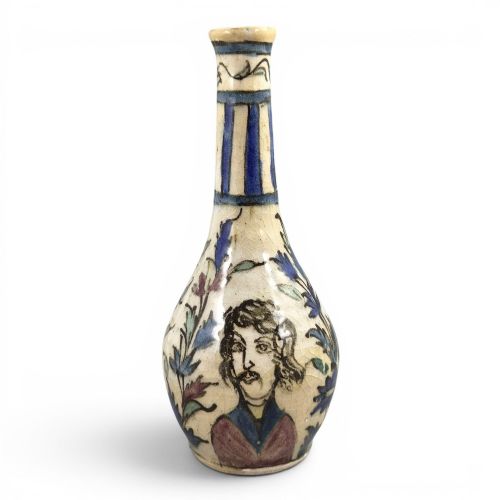
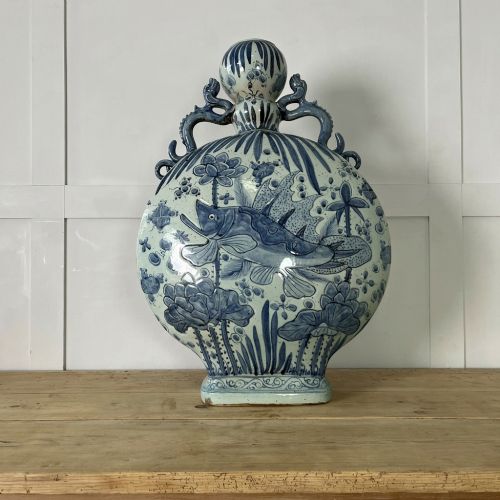
The pieces appearing on this page range from Chinese export wares and late Qing dynasty creations to Persian Qajar pottery and Japanese Arita examples. Forms stretch from small snuff bottles and wine flasks to large moon flasks and garlic-mouth vases.
Dated pieces reach back to the Ming and Wanli periods, alongside pieces from the Kangxi, Qianlong, and Daoguang eras. Collectors also encounter items attributed to the nineteenth century, Edwardian times, and nineteen thirty.
Materials and construction
Potters constructed these vessels using ceramic, porcelain, and fritware, shaping bodies to receive painted details. Artisans applied cobalt oxide or cobalt glaze directly onto the raw clay body before covering the piece in a clear glaze.
Firing at high temperatures fused the cobalt pigment beneath the glassy surface, locking the deep blue colour into the ceramic fabric. Certain examples combine this underglaze cobalt with copper-red pigments or additional polychrome touches.
Underglaze Blue Bottle Vase Retail Price Guide 2026
Typical asking prices for underglaze blue bottle vase among the pieces listed under this phrase on Sellingantiques today, from the lower quarter to the upper quarter. They describe what is for sale here now, not the wider market.
Current listings feature porcelain, fritware, and glazed ceramic bodies decorated with cobalt glaze and cobalt oxide across several centuries.
Assessing quality and execution
Quality rests in the crispness of the cobalt painting and the balance of the bottle's profile. Finely painted examples show precise control of the brush, rendering figures, dragons, mythical beasts, or cranes with distinct clarity.
The clarity of the underglaze blue against the surrounding porcelain or ceramic ground dictates visual success. Potters achieved superior results when the cobalt bled minimally into the glaze during the high-temperature firing.
The Underglaze Blue Bottle Vase Glossary
- Underglaze blue
- Pigment applied to pottery before glazing and firing, using cobalt oxide to create blue designs beneath a clear surface. This technique protects the painted decoration from wear over centuries.
- Porcelain
- A hard, white, translucent ceramic fired at high temperatures from specific clay mixtures containing kaolin. It forms the primary body for many classic Asian and export vessels.
- Fritware
- A type of pottery developed in the Near East using a composite clay body mixed with ground glass. This material allowed potters to achieve thin walls and fine detail.
- Chinoiserie
- European artistic styles reflecting Chinese motifs and decorative techniques. Makers applied these designs to ceramics and other decorative arts.
- Seal mark
- A stamped or painted reign mark on the base of a ceramic piece, often rendered in underglaze blue. These marks imitate imperial seals to honour earlier dynasties.
Underglaze Blue Bottle Vase: Frequently Asked Questions
How are these bottle vases displayed?
Collectors place these vessels on mantelpieces, wooden stands, or dedicated display shelves where their silhouettes catch the light.
Their narrow necks and bulbous bodies make them suitable for holding single stems or standing alone as sculptural objects.
Can I use these vases for fresh flowers?
Most historic ceramic vessels function primarily as decorative objects rather than utilitarian flower holders.
Using them with water requires caution to protect fragile antique ceramic bodies and historic interior glazes.
How do I care for an antique bottle vase?
Dusting the surface gently with a soft, dry cloth is usually sufficient for routine maintenance.
Avoid harsh chemical cleaners or submersion in water, particularly on pieces with unglazed bases or repaired sections.
How can I tell the period of a vase?
Dating relies on examining the painting style, clay body, glaze characteristics, and any reign marks on the base.
Comparing the potting technique and cobalt tone against documented examples helps narrow down the century of manufacture.