


Chinese Floral Ceramic Jar
A chinese floral ceramic jar brings intricate botanical painting and historic porcelain form directly into a room.
Chinese Floral Ceramic Jar
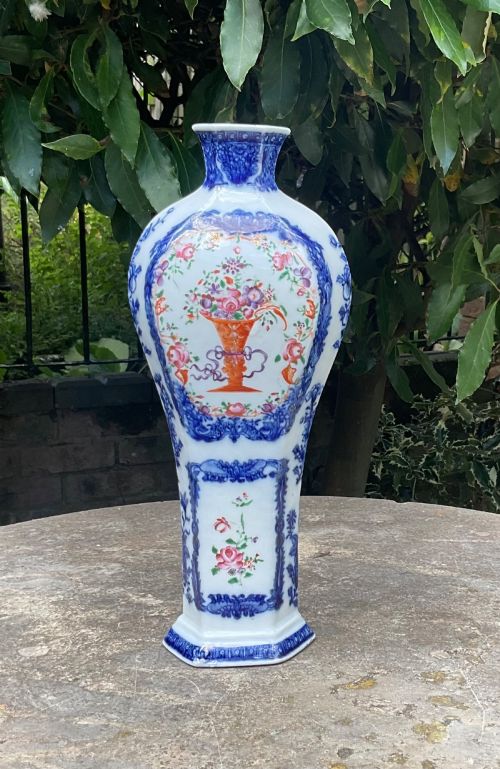
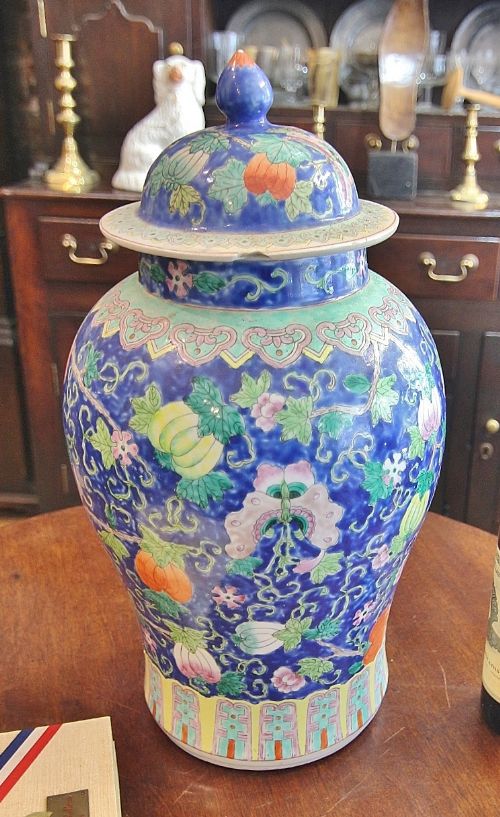
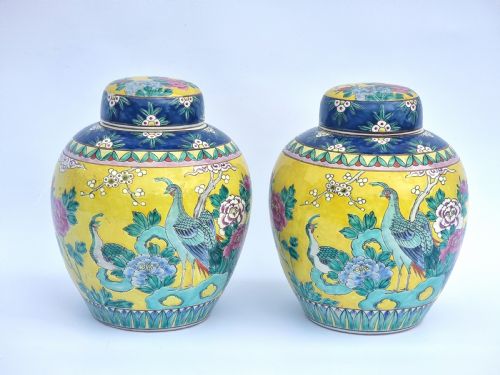
When you search for a chinese floral ceramic jar, you encounter forms ranging from traditional ginger jars and lidded vessels to table lamps and bottle vases. The listings span periods from the eighteenth century through to the mid-twentieth century, including pieces created in the nineteenth century and the Edwardian era.
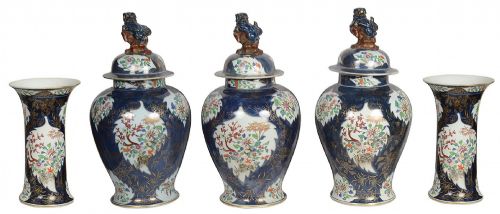
The decorative schemes draw on styles such as Chinoiserie, Chinese Export, and Famille Rose, alongside blue and white traditions. You find individual vessels as well as matched pairs, some mounted with brass or ormolu for lighting.
Vessels from the late Qing to early Republic period sit alongside twentieth-century interpretations and eighteenth-century examples. The selection covers both utilitarian lidded jars and grand decorative garnitures.
How they were made
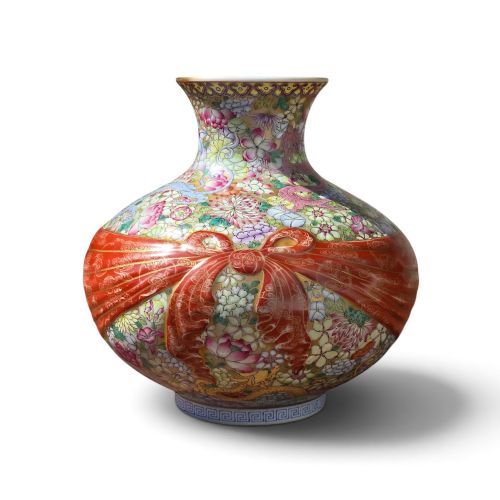
Potters shaped these objects from porcelain and pottery, applying underglaze blue and polychrome enamel glazes by hand. Artisans utilised intricate techniques such as iron-red detailing, gold leaf application, and meticulous brushwork to render floral and dragon motifs.
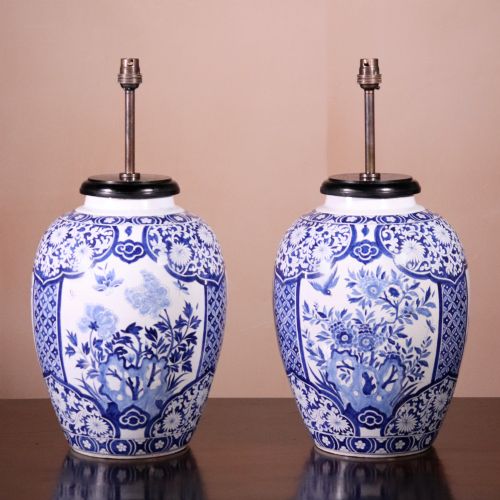
Later adaptations incorporated brass mounts, wood bases, and fabric fittings to convert lidded jars and vases into functional table lamps. Makers also employed ormolu mounts to elevate nineteenth-century porcelain vessels for European interiors.
Listings span from the 18th century to the 1940s, recording porcelain, enamel, brass, and gold leaf among their materials.
What varies in quality
The refinement of the hand-painted botanical details separates standard decorative pieces from exceptional works. Precision in the brushwork of the floral panels, the clarity of the underglaze blue, and the vibrancy of the enamel glaze dictate the visual weight of the vessel.
The integrity of the ceramic body and the execution of seal marks or specialist glazes influence the standing of an item. Additionally, the quality of period ormolu and brass mounts alters the overall presence of converted lamp pieces.
The Chinese Floral Ceramic Jar Glossary
- Famille Rose
- A palette of opaque enamel colours dominated by pink or rose shades, introduced in the eighteenth century. This technique allowed artists to paint nuanced floral and figural scenes.
- Ginger Jar
- A high-shouldered ceramic vessel with a wide mouth, originally made to store spices and herbs. Lidded examples are frequently adapted into decorative lamp bases.
- Chinoiserie
- European artistic styles reflecting Chinese motifs and decorative techniques, popular across various centuries. It appears frequently in nineteenth-century interpretations and garnitures.
- Garniture
- A set of three or more matching vases and jars designed to be displayed together on a mantelpiece or sideboard. These sets often feature detailed floral and narrative panels.
- Underglaze Blue
- Pigment applied to the ceramic body before glazing and firing, producing a durable blue design. It forms the foundation of classic blue and white bottle vases and jar lamps.
Chinese Floral Ceramic Jar: Frequently Asked Questions
How do I use a jar lamp?
Jar lamps function as reading lights or ambient illumination on sideboards and desks. Their ceramic bodies bring historic pattern and colour to interior spaces.
Ensure the electrical wiring suits modern safety standards, particularly when dealing with nineteenth-century conversions.
What is a ginger jar?
A ginger jar is a sturdy lidded vessel defined by its rounded shoulders and straight neck. Historically used for storage, they became prized decorative objects in European collections.
Today they stand alone on shelves or serve as the base for table lamps.
How do I date these ceramics?
Dating relies on stylistic clues, glaze characteristics, and potting techniques recorded across the periods. Nineteenth-century examples often display distinct famille rose or blue and white painting styles.
Seal marks in underglaze blue provide further reference points to earlier dynastic traditions.
Are these pieces hand painted?
The listings feature hand-painted floral motifs executed in enamel glazes and underglaze blue. Artisans applied fine brushwork to depict naturalistic flowers, ribbons, and dragons.
This manual execution accounts for the slight variations found between individual vessels and pairs.