

Umbrella Stand with Tray
An umbrella stand with tray gathers wet weather gear in the hallway while keeping floors dry.
Umbrella Stand with Tray
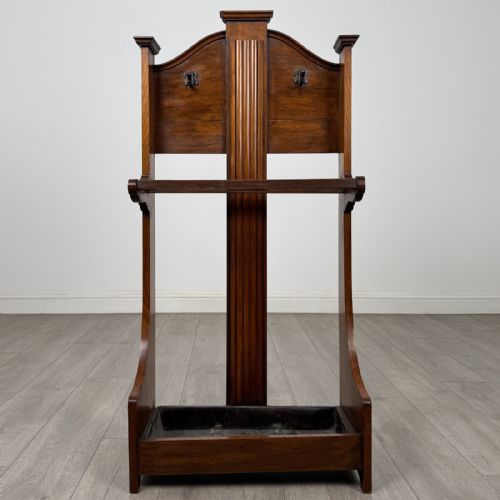
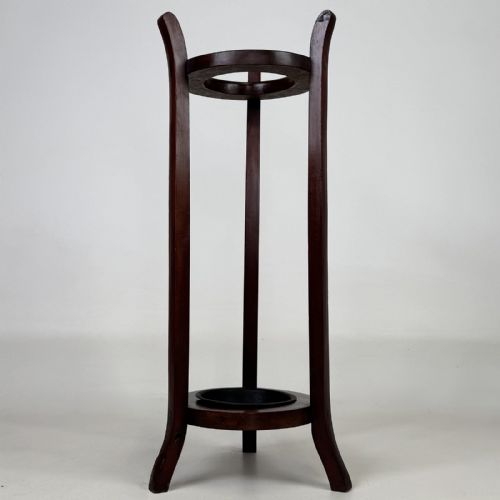
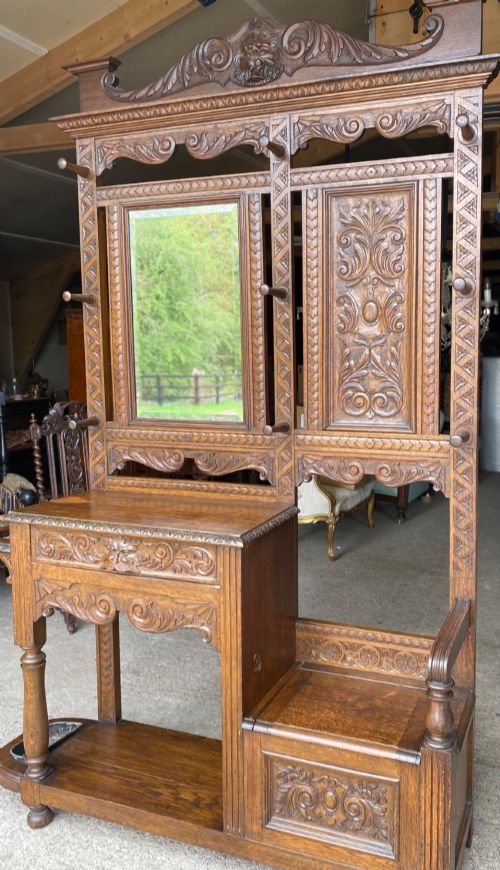
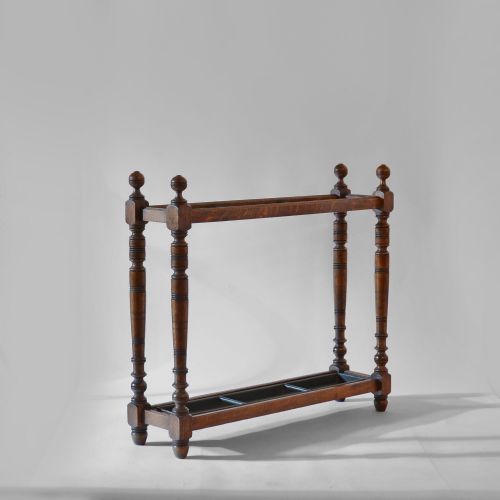
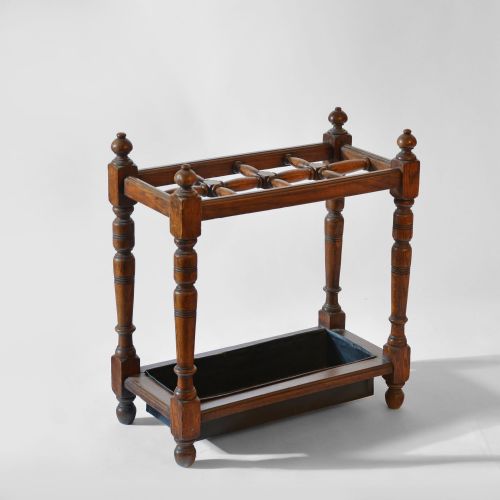
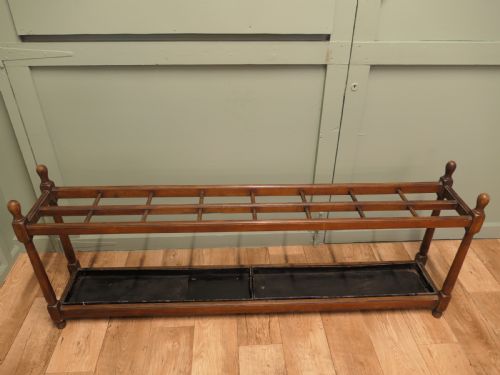
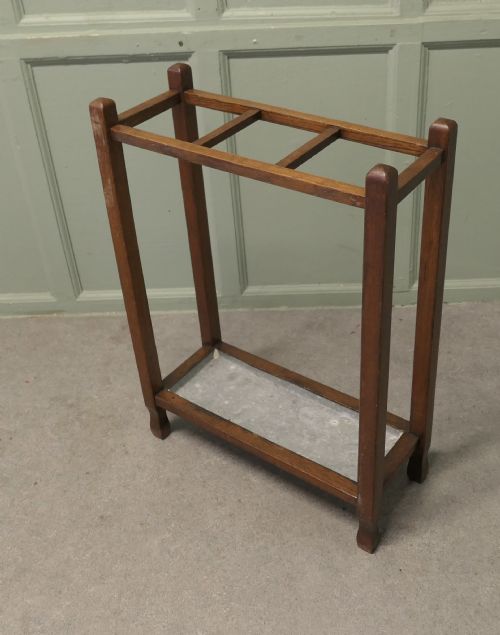
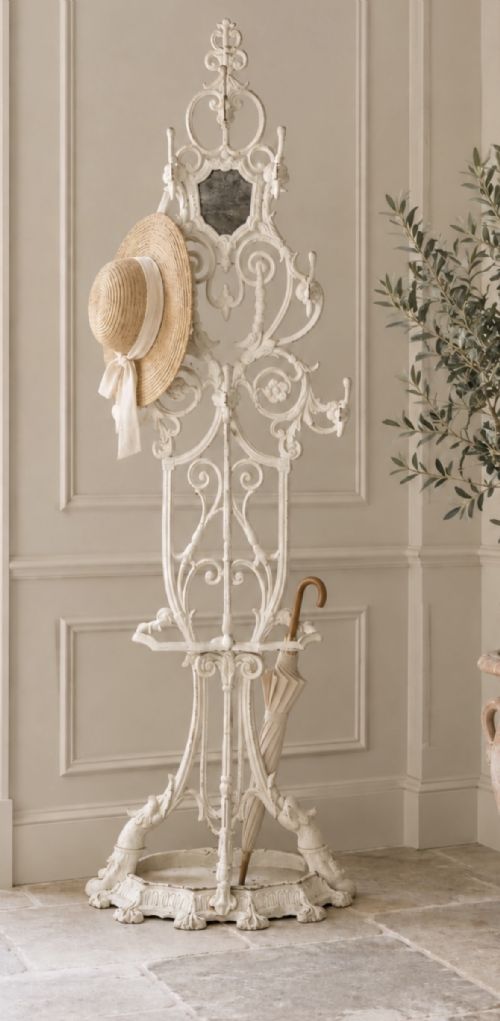
When you search for an umbrella stand with tray, you encounter hall furniture designed to hold wet sticks and parasols. These pieces range from dedicated stick stands to larger hall stands that combine hooks, mirrors, and seats with integrated lower reservoirs.
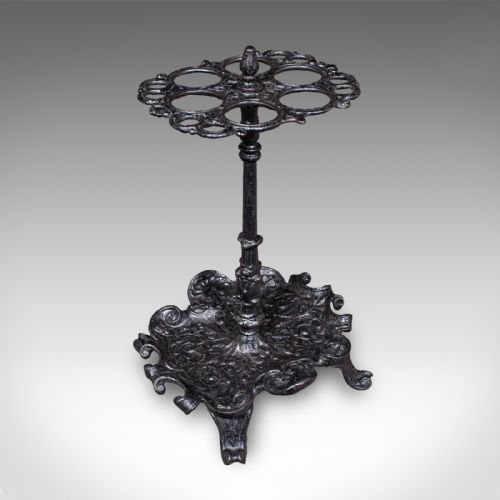
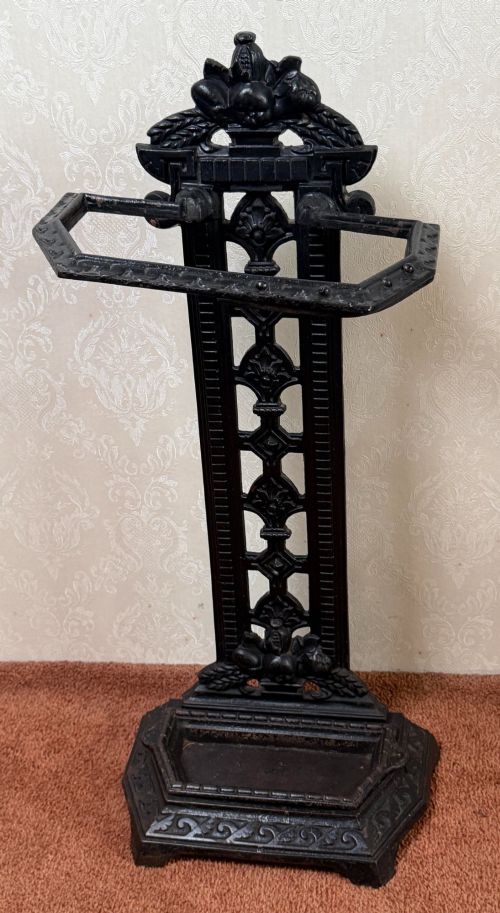
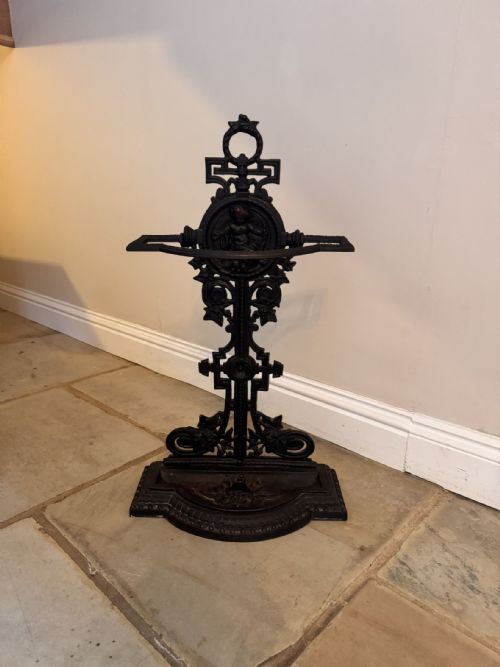
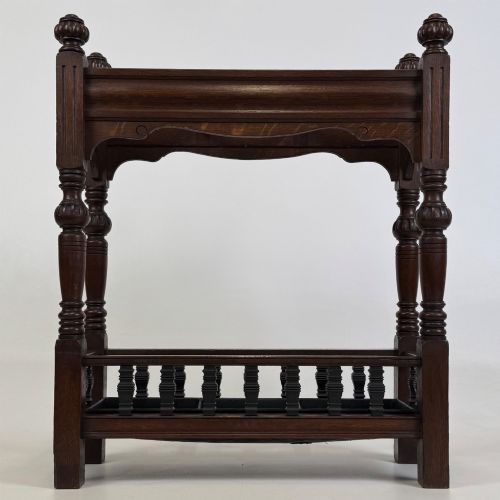
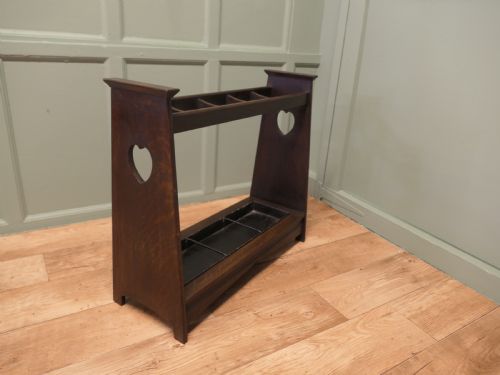
Oak dominates the selection, often carved or rendered in clean Arts and Crafts and Edwardian styles. Brass, cast iron, and mahogany also appear frequently, spanning the Victorian era through the mid twentieth century.
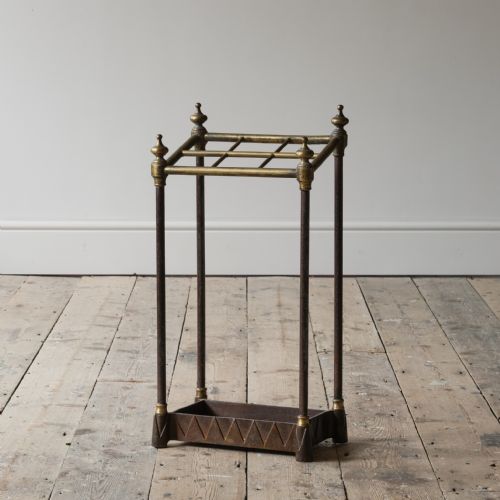
The defining feature across these forms remains the drip tray, positioned beneath the divisions to catch moisture from wet items. These trays arrive in original metal or glass configurations depending on the date of manufacture.
How they were made
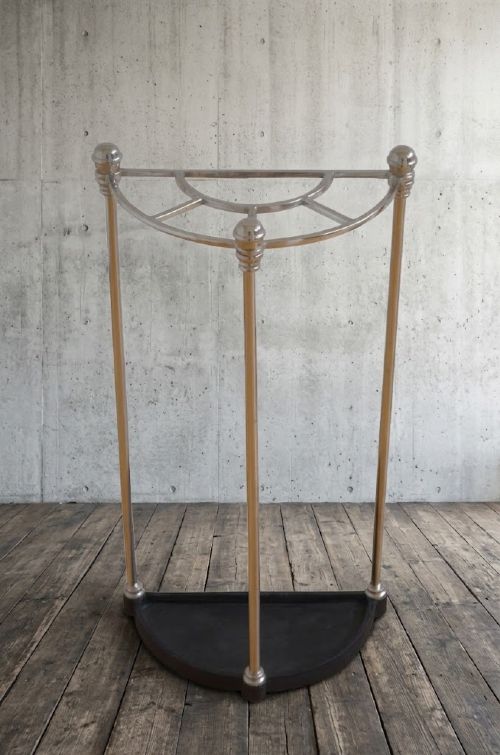
Cabinetmakers constructed the wooden frames from solid oak and mahogany, frequently employing panel construction and carved details. Metal variants utilised cast iron and brass, sometimes featuring nickel plating or decorative ball finials.
Drip trays were formed from sheet metal or fitted with specific inserts to contain water safely. Patent numbers and integrated divisions indicate careful design aimed at domestic utility.
Listings feature oak, brass, and cast iron across Victorian, Edwardian, and Arts and Crafts styles.
What varies in quality
Quality rests upon the integrity of the materials and the retention of original components. Pieces that retain their correct, matching metal drip trays command greater interest than those adapted with replacements.
The execution of carving and joinery marks the difference between standard production and finer craftsmanship. Solid timbers and robust metal castings endure daily hallway use far better than lighter constructions.
James Shoolbred
The Umbrella Stand with Tray Glossary
- Drip tray
- A removable metal or glass base placed beneath umbrella slots to catch water runoff. It protects hallway floors from moisture damage.
- Hall stand
- A multi-functional piece of entrance furniture combining coat hooks, a mirror, a seat, and umbrella holders with a tray. These items anchor traditional hallway layouts.
- Demi-lune
- A half-moon shape used in the footprint of certain stands to fit flush against a wall. This profile saves floor space in narrow corridors.
- Arts and Crafts
- A design movement favouring honest construction, plain oak surfaces, and simple utilitarian forms. Pieces from this style often display visible joinery.
- Bun feet
- Rounded, flattened ball feet that elevate the base of a stand off the floor. They lift heavy cast iron or wooden frames to prevent damp absorption.
Umbrella Stand with Tray: Frequently Asked Questions
How do I clean the metal drip tray?
Remove the tray carefully from the base to avoid spilling accumulated dust or moisture. Wash it gently with warm soapy water and dry it thoroughly before replacing it.
Avoid harsh abrasives on brass or nickel-plated surfaces to preserve the original metal finish. Regular maintenance prevents corrosion from lingering moisture.
Where should I place an umbrella stand?
Position the stand near the primary entrance door for immediate access when entering or leaving the house. Ensure there is enough clearance around the piece to withdraw walking sticks without obstruction.
Keep wooden stands away from direct heat sources to prevent the timber from drying out or splitting. Adequate ventilation helps wet items dry naturally within the dividers.
Are these stands suitable for daily use?
Solid oak and cast iron stands are built for practical service and handle wet umbrellas reliably. The integration of a proper drip tray ensures floors remain protected during heavy downpours.
Inspect the tray periodically to ensure it remains watertight. Traditional construction methods mean these items handle everyday hallway demands with ease.
How do I identify a Victorian piece?
Look for dense timbers like mahogany and heavily carved oak, alongside cast iron frames featuring decorative motifs. Details such as ball finials and patent numbers often point toward nineteenth-century manufacture.
Construction techniques, including hand-cut joints and patination on the metal parts, help distinguish older items from Edwardian or later reproductions.