

Antique Umbrella Hall Tree
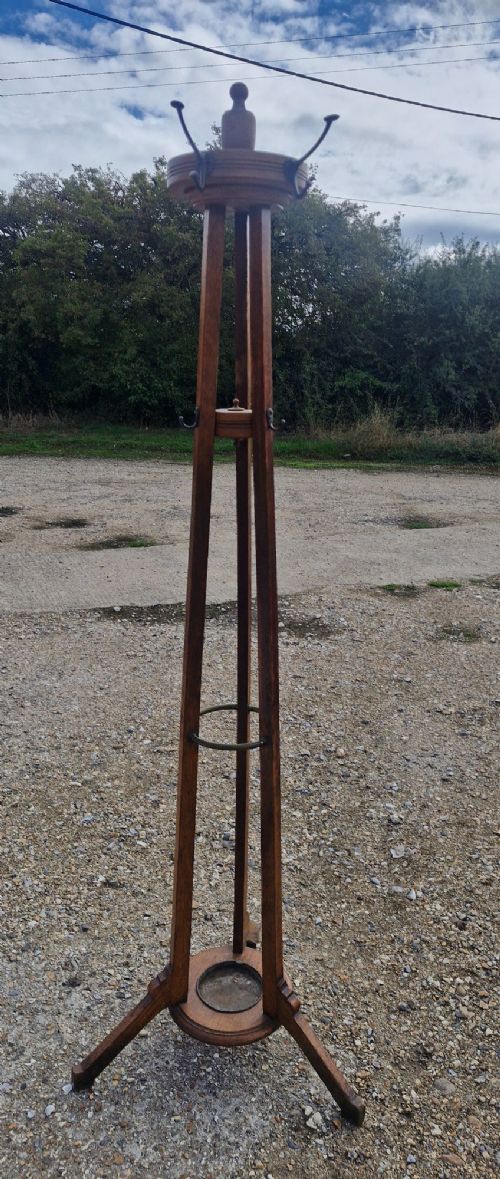
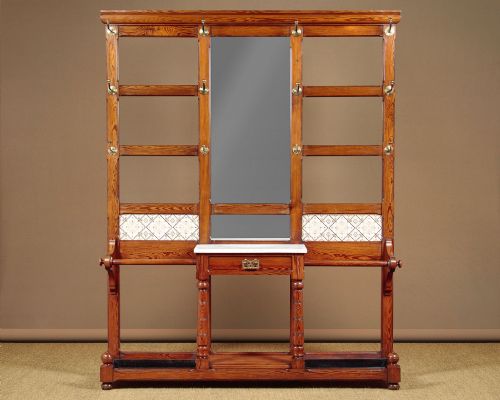
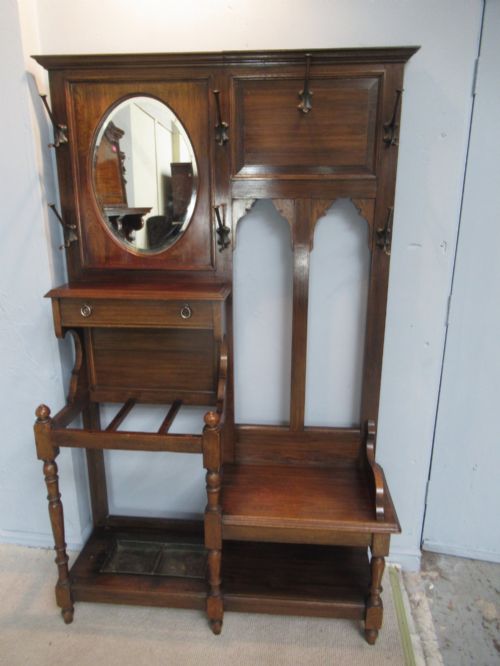
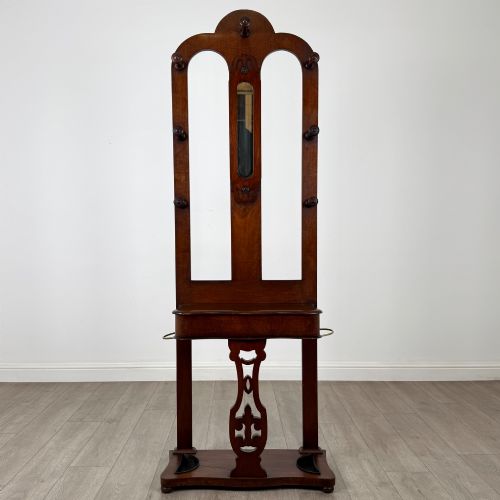
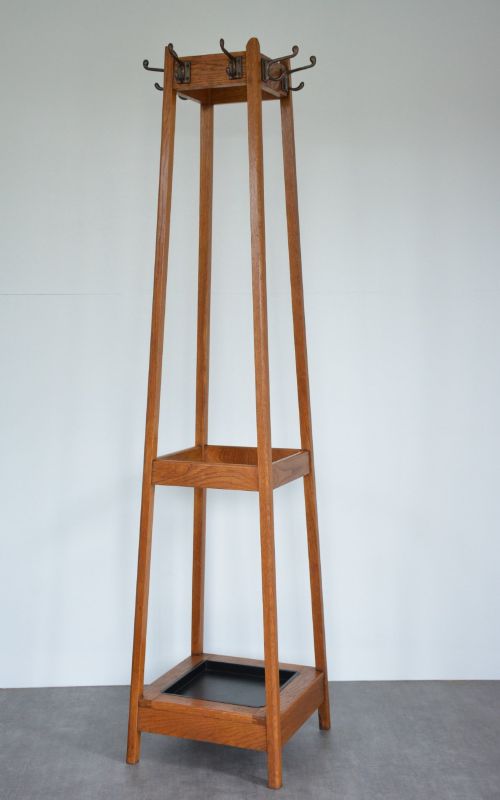
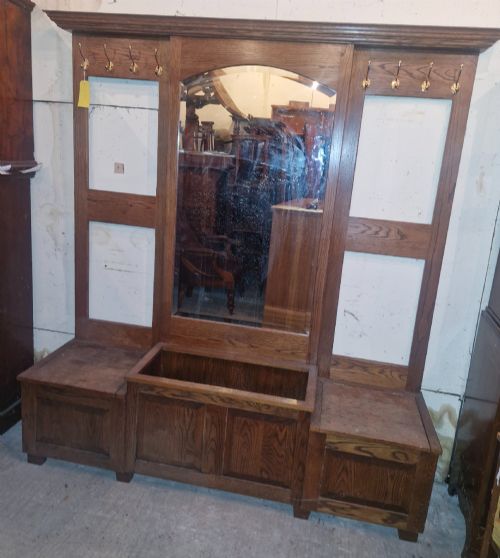
An antique umbrella hall tree greets visitors at the door, combining practical coat storage with umbrella holders in one sturdy piece.
How they were made
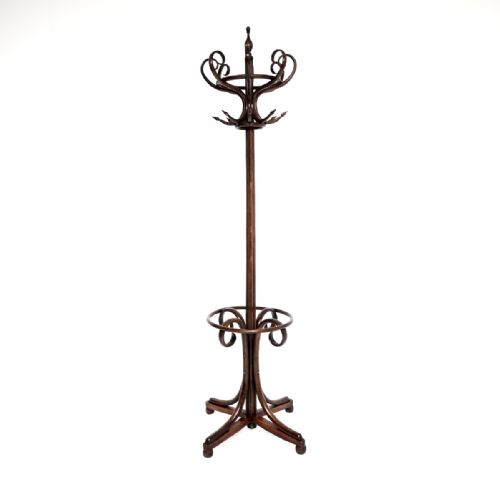
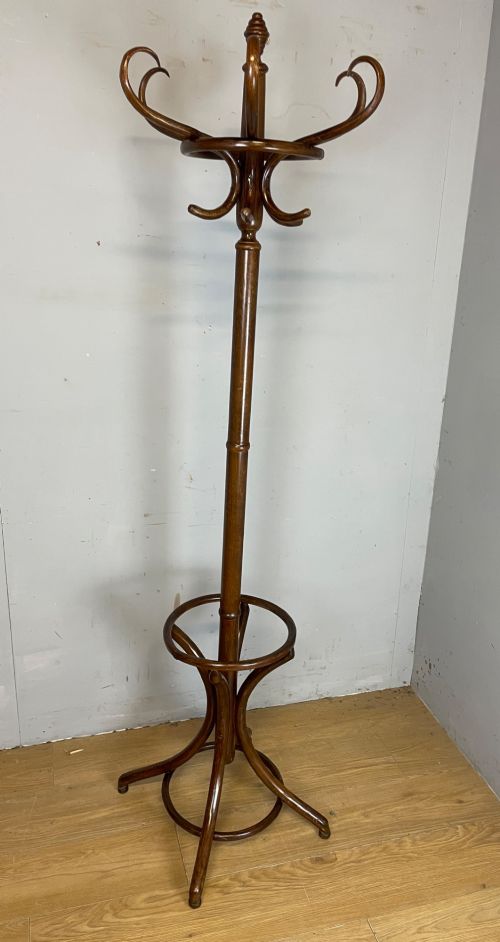
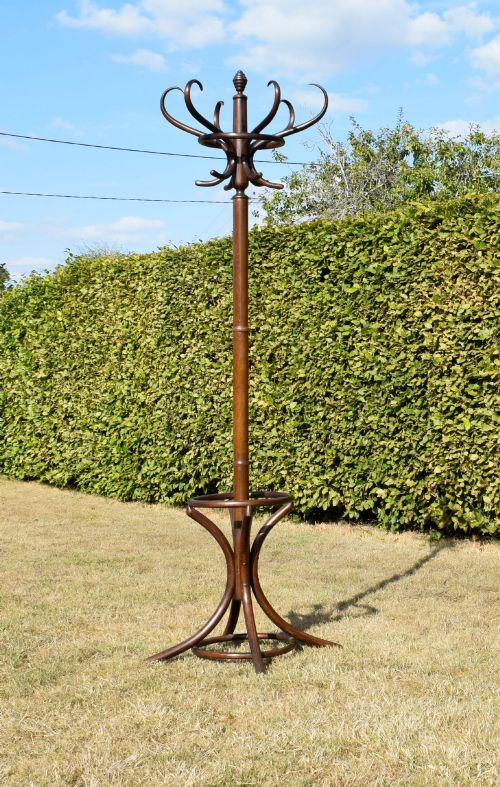
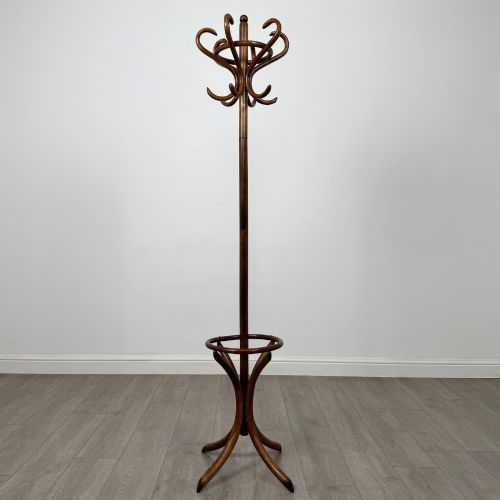
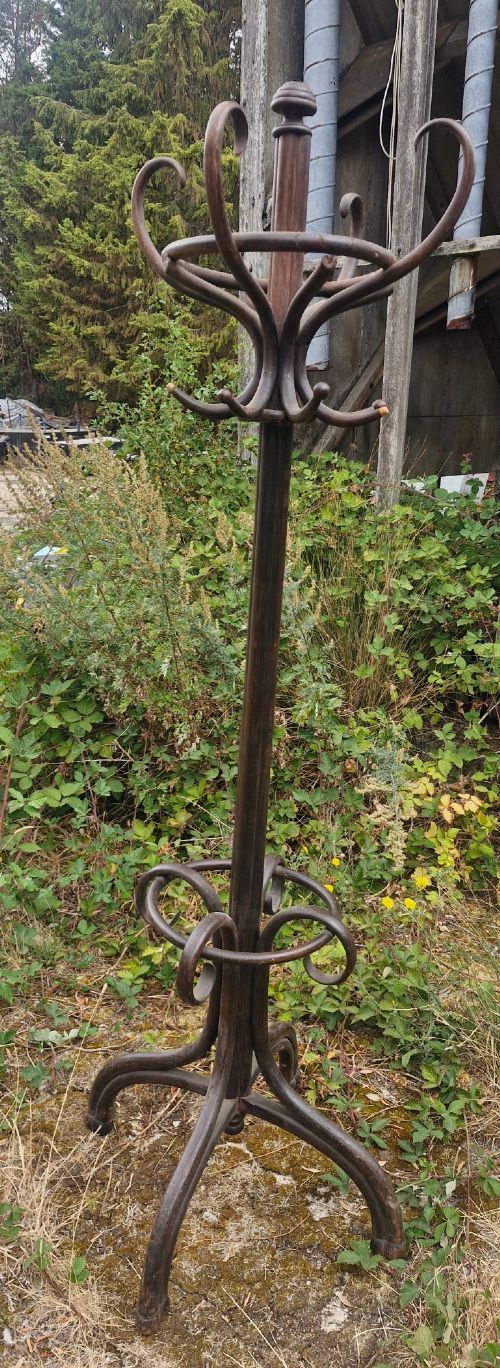
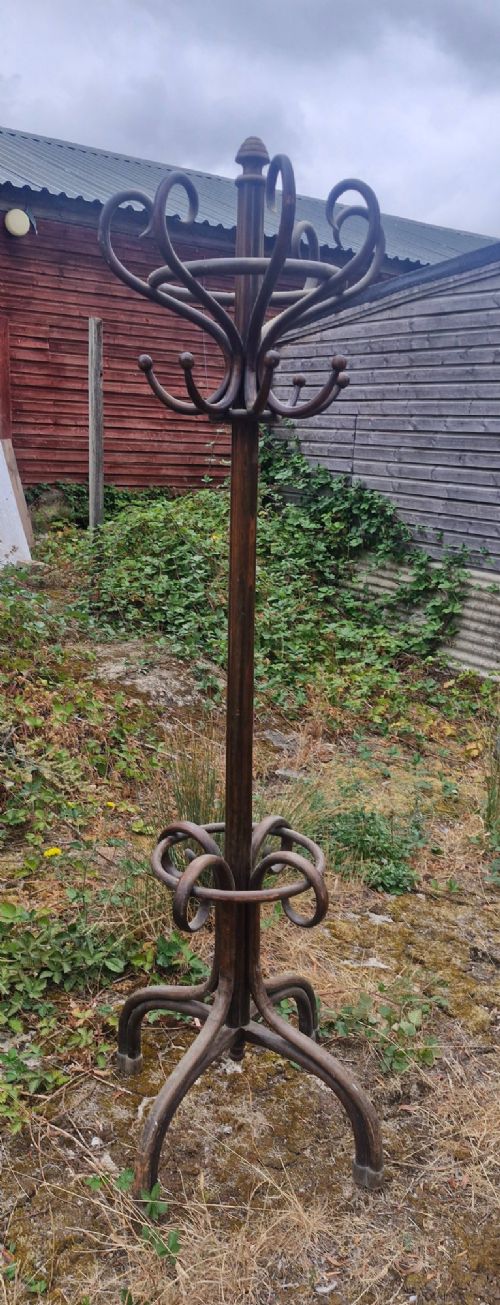
Woodworking techniques dominate the construction of these items, utilising solid oak, mahogany, pine and birch alongside steamed bentwood. Bentwood models rely on heat to curve timber into rounded umbrella rings and sweeping hat hooks.
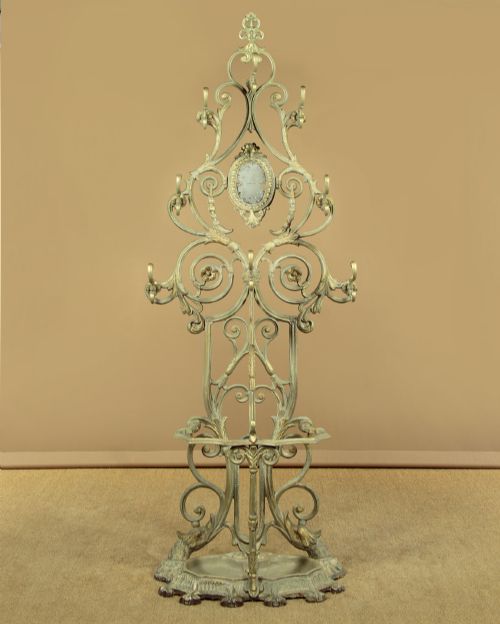
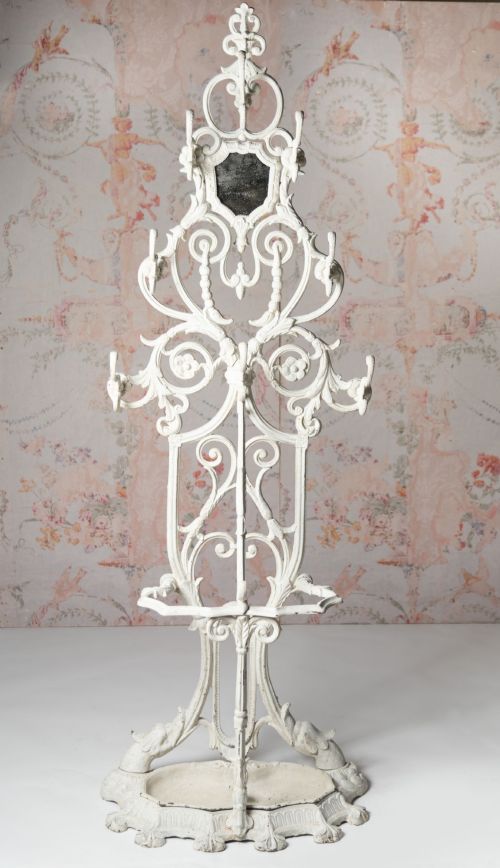
Foundries cast iron and brass for structural support, decorative hooks and removable drip trays positioned beneath the umbrella sections. Metal components often feature japanned finishes or faux bamboo moulding cast directly into the iron.
Joinery methods include mortise and tenon joints for heavy timber frames, while bamboo and cane structures utilise bindings and specialised adhesives suited to lighter Aesthetic Movement furniture.
What varies in quality
The caliber of an antique umbrella hall tree depends heavily on the selection of timber and the complexity of the frame. Dense hardwoods like mahogany and figured oak outlast softer pines and basic beech frameworks.
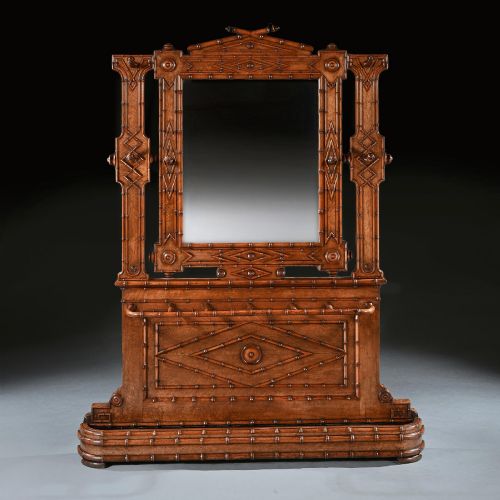
Hardware integrity separates standard items from superior examples, particularly the presence of original brass hooks, cast iron drip trays and intact mirror plates. Replacement fittings alter the integrity of the piece.
Structural complexity dictates the tier of the object, with multi-functional hall seats and revolving stands demonstrating more advanced cabinetmaking than simple wall-mounted or static upright racks.
Thonet·Coalbrookdale
The Antique Umbrella Hall Tree Glossary
- Bentwood
- Wood that has been heated with steam and bent into curved shapes, commonly seen in beech hat and coat stands.
- Drip tray
- A metal or ceramic pan placed at the base of an umbrella stand to catch moisture from wet sticks and canopies.
- Hall tree
- A freestanding piece of hallway furniture designed to hold hats, coats, umbrellas and walking sticks.
- Aesthetic Movement
- A late nineteenth-century design style emphasising visual beauty over narrative subject matter, often utilising bamboo and Japonaise motifs.
- Faux bamboo
- Wood or metal carved and painted to resemble natural bamboo stalks, popular in nineteenth-century French and English hall stands.
Antique Umbrella Hall Tree: Frequently Asked Questions
What is an antique umbrella hall tree?
An antique umbrella hall tree is a piece of entrance furniture designed to hold coats, hats, and wet umbrellas in one consolidated frame.
These pieces date from the nineteenth and early twentieth centuries, appearing in wood, metal, and bentwood materials.
How do I use a hall tree today?
Place the hall tree near your main entrance to hang daily coats, hats, and scarves upon the fitted hooks.
The lower umbrella rings and metal trays hold walking sticks, canes, and wet umbrellas safely off wooden flooring.
How do I identify Victorian hall stands?
Victorian examples frequently utilise dark hardwoods such as mahogany and oak, often featuring carved panels, umbrella wells, and central mirrors.
Earlier nineteenth-century models lean toward heavier carved timber or cast iron, while later Victorian versions embrace lighter bentwood and bamboo forms.